I'm not a Historian by profession - merely an (over) enthusiastic amateur. By day I'm a Professor of Genetics at Newcastle University with a translation research interest in rare bone diseases. At weekends I can be classified as a Yorkshire Cricket & Psychedelic Rock fan, but mostly I'm just on the Fells (or in the pub - when they were open!).
Many thanks to Jim Pratt and Shirley Fouzie who have sent me excellent pictures of 2032/240378 L/Cpl Mark Henry Lee and 250/240022 Sergeant William Henry Hart Carline respectively. Both men served with the 1/6th Battalion, Sherwood Foresters.
Mark enlisted in July 1917, arrived in France on 28th February 1915 and was disembodied in March 1918.
William was an original 1908 recruit to the 1/6th Battalion having previously served with the 2nd Volunteer Battalion. He served with Headquarters (Chesterfield) Company on 4th August 1914 and arrived in France on 28th February 1915. He was posted missing on the 1st July 1916 and later presumed killed in action.
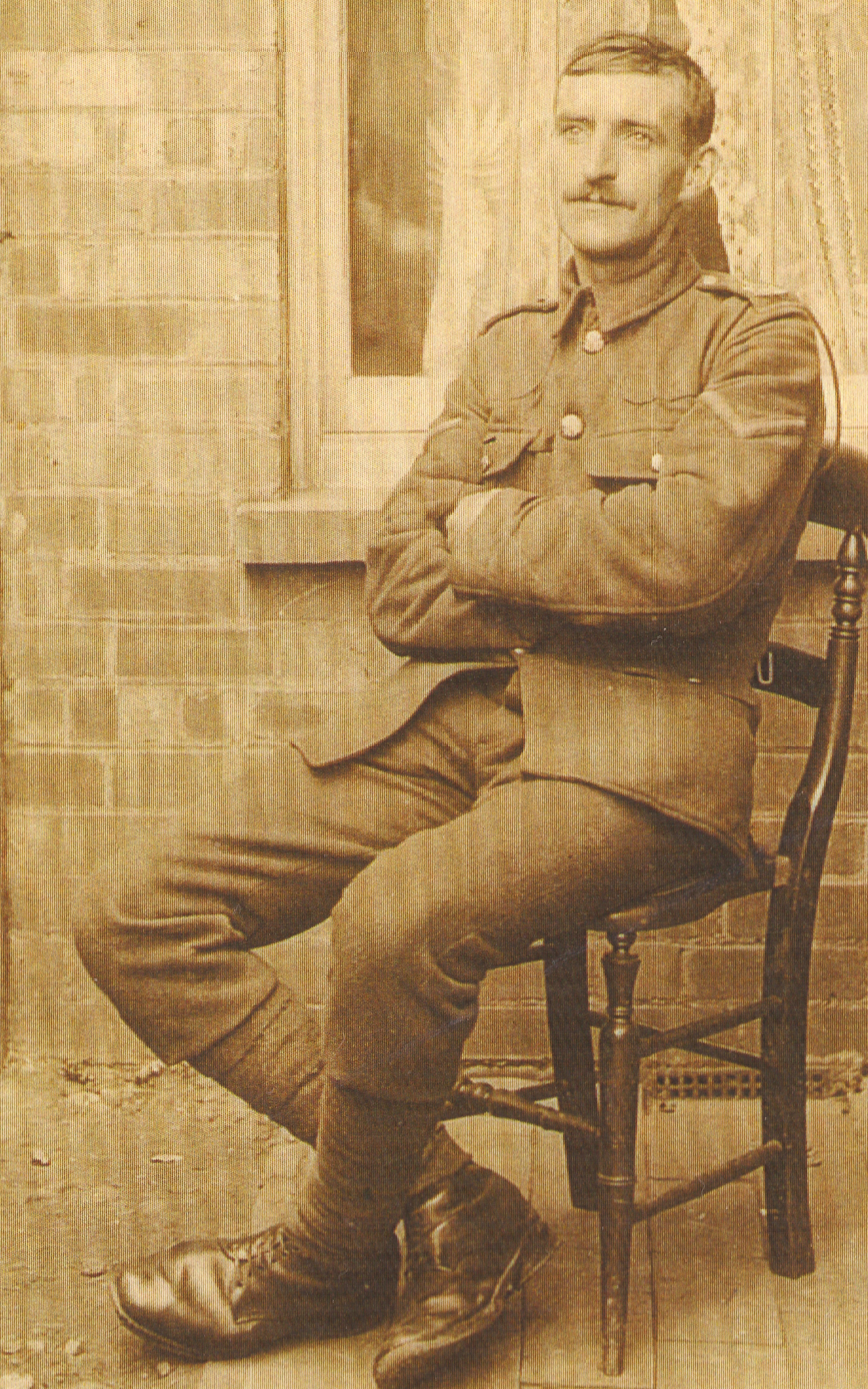
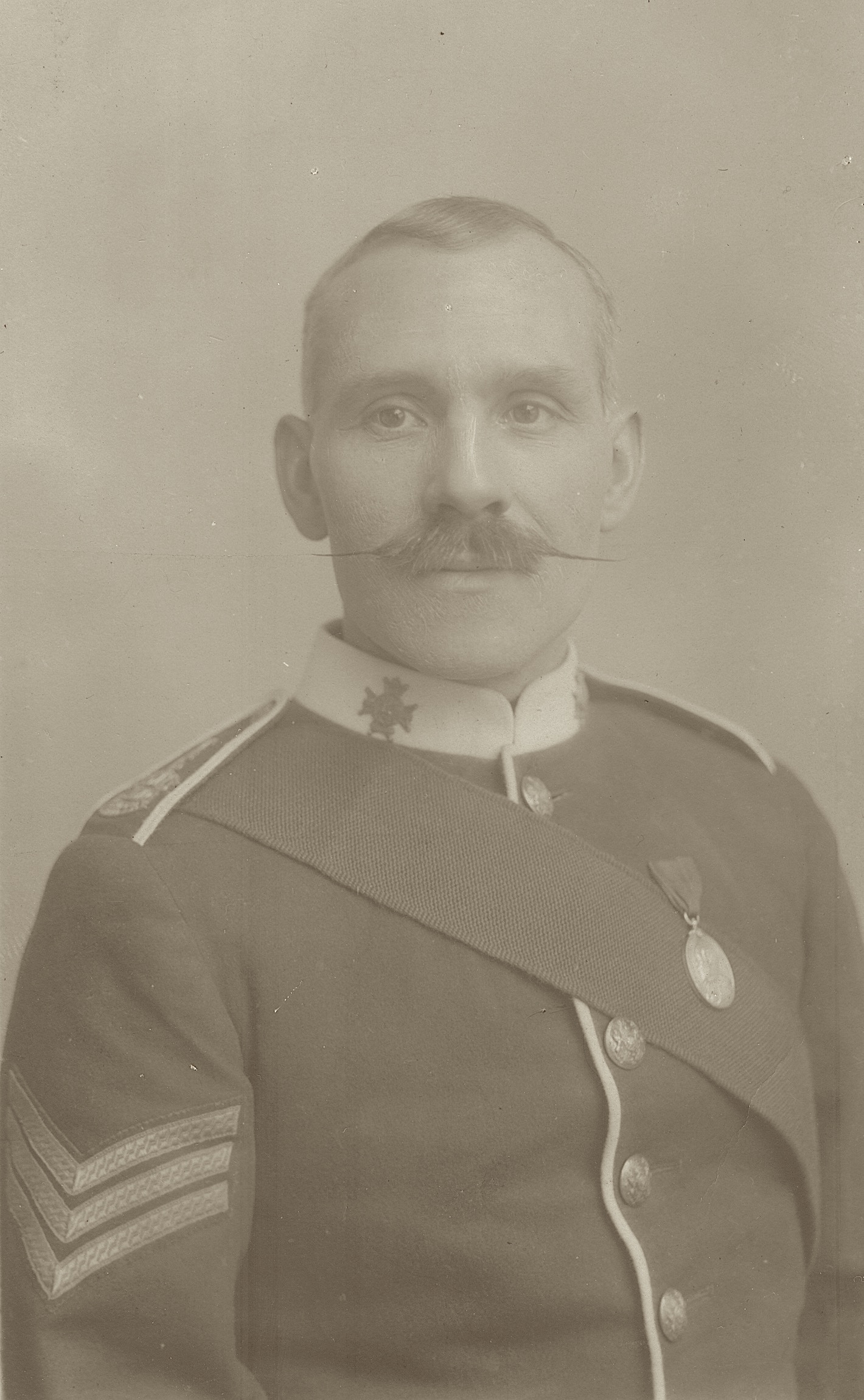
Within the ‘Barker Collection’ of postcards was a portrait a a Senior NCO taken at a studio in Matlock – Percy Rowbottom, Matlock Ltd.
[Many thanks to FROGSMILE, RNCVR, PRC and SteveE of the Great War Forum, who provided help and advice on the identity of this man]
Unknown Senior NCO
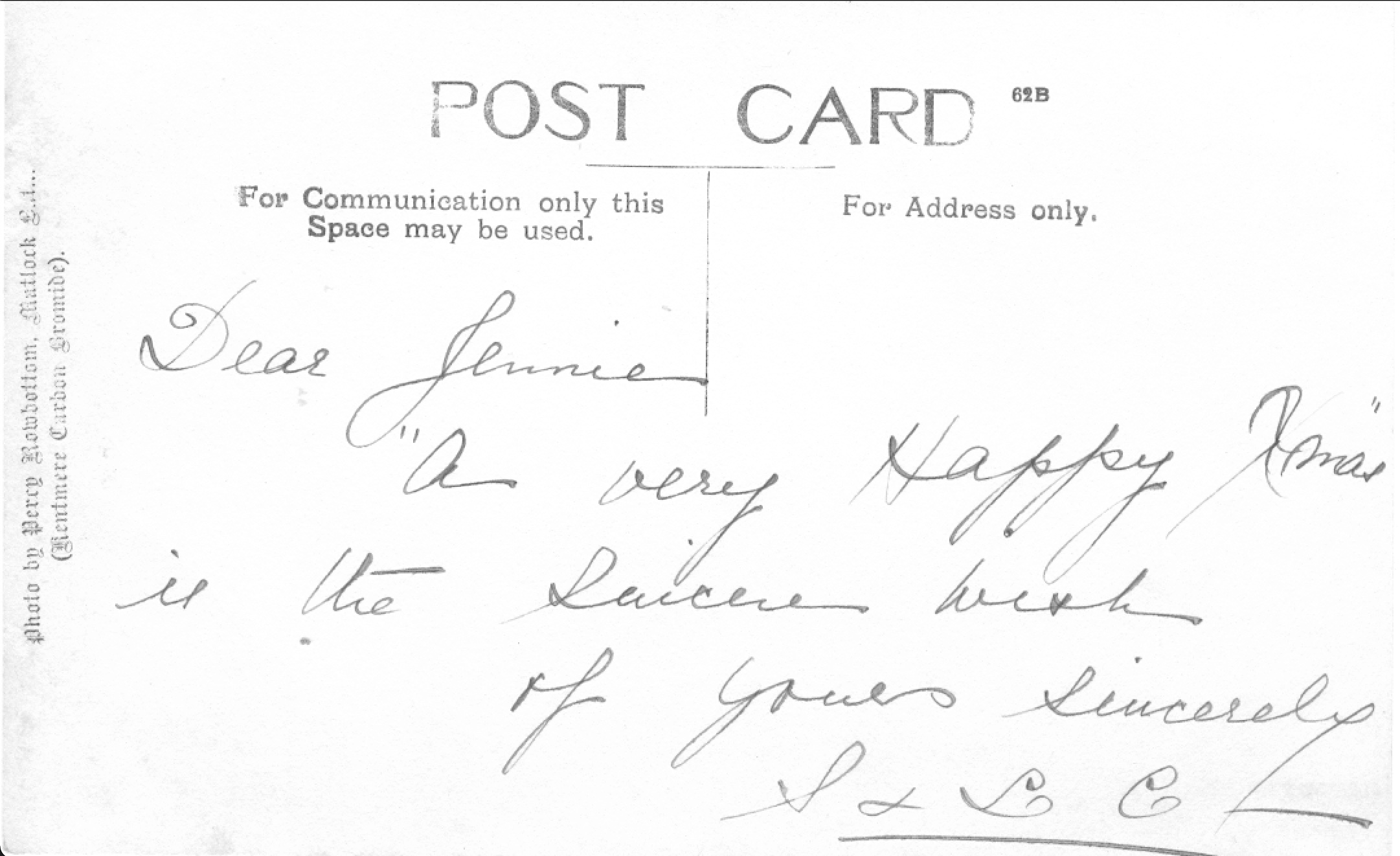
On the back of the card is written…..
Dear Jennie
A very Happy Xmas is the sincere wish of yours sincerely
S a L C
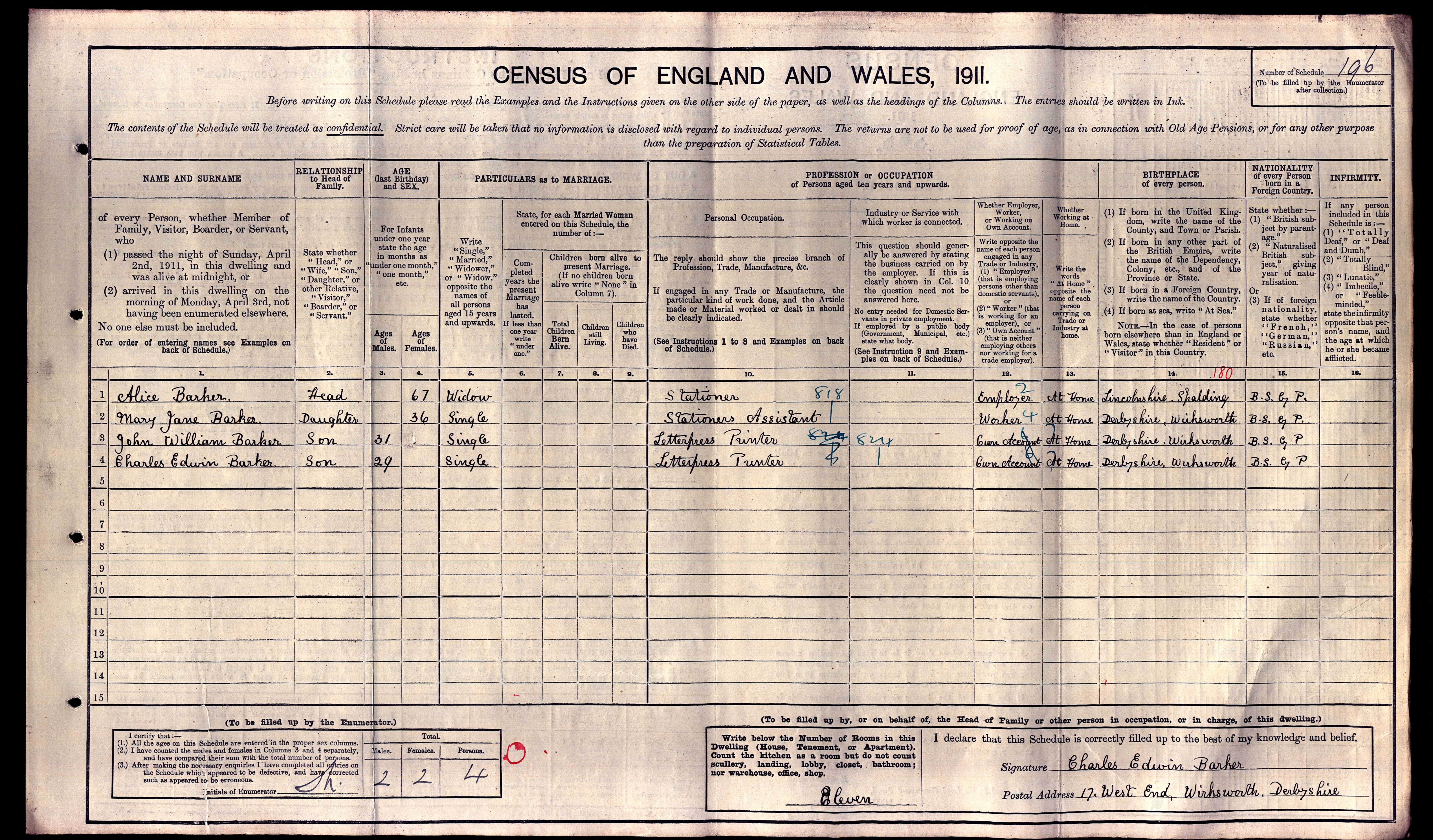
‘Jennie’ could very well refer to Charles’ elder sister Mary Jane, who was born in 1875 and was single on the 1911 Census.
What we do know
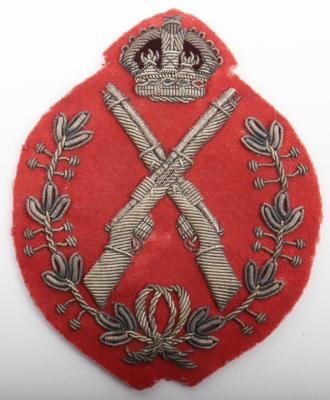
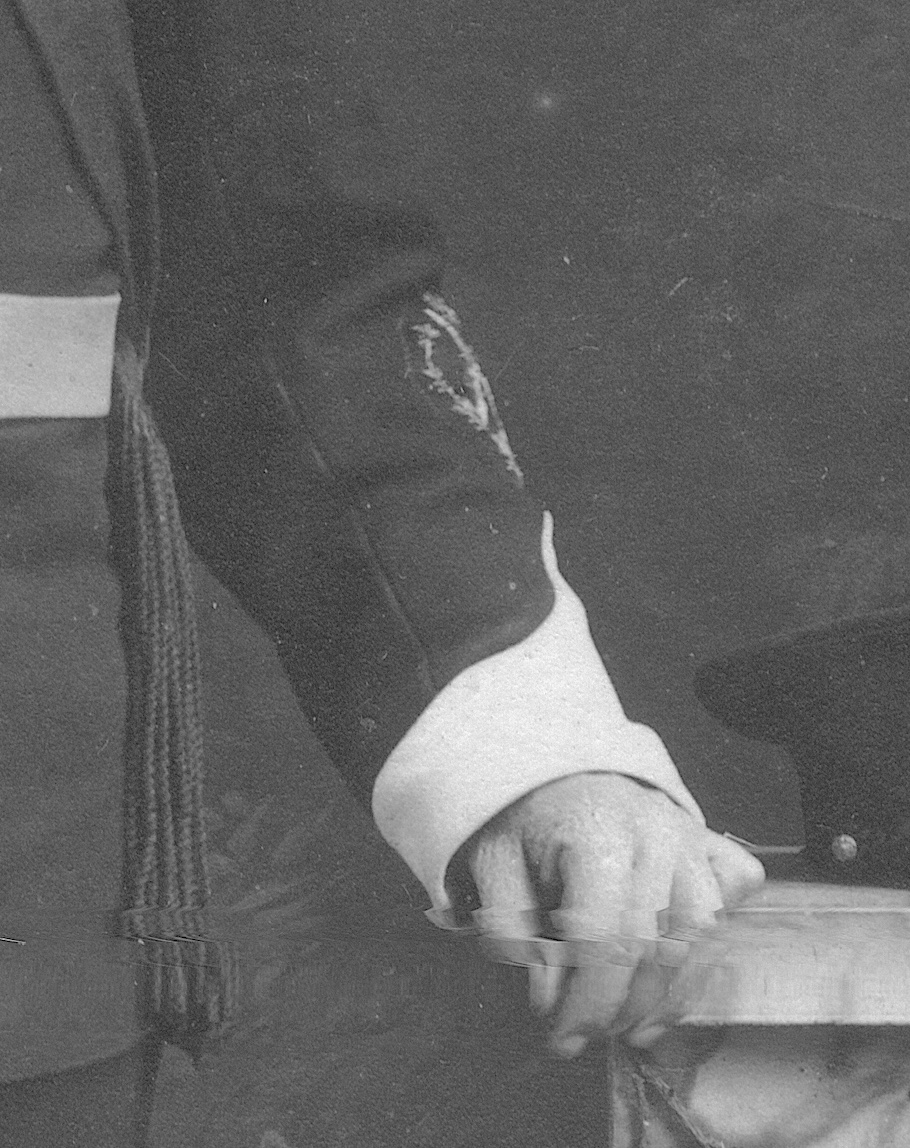
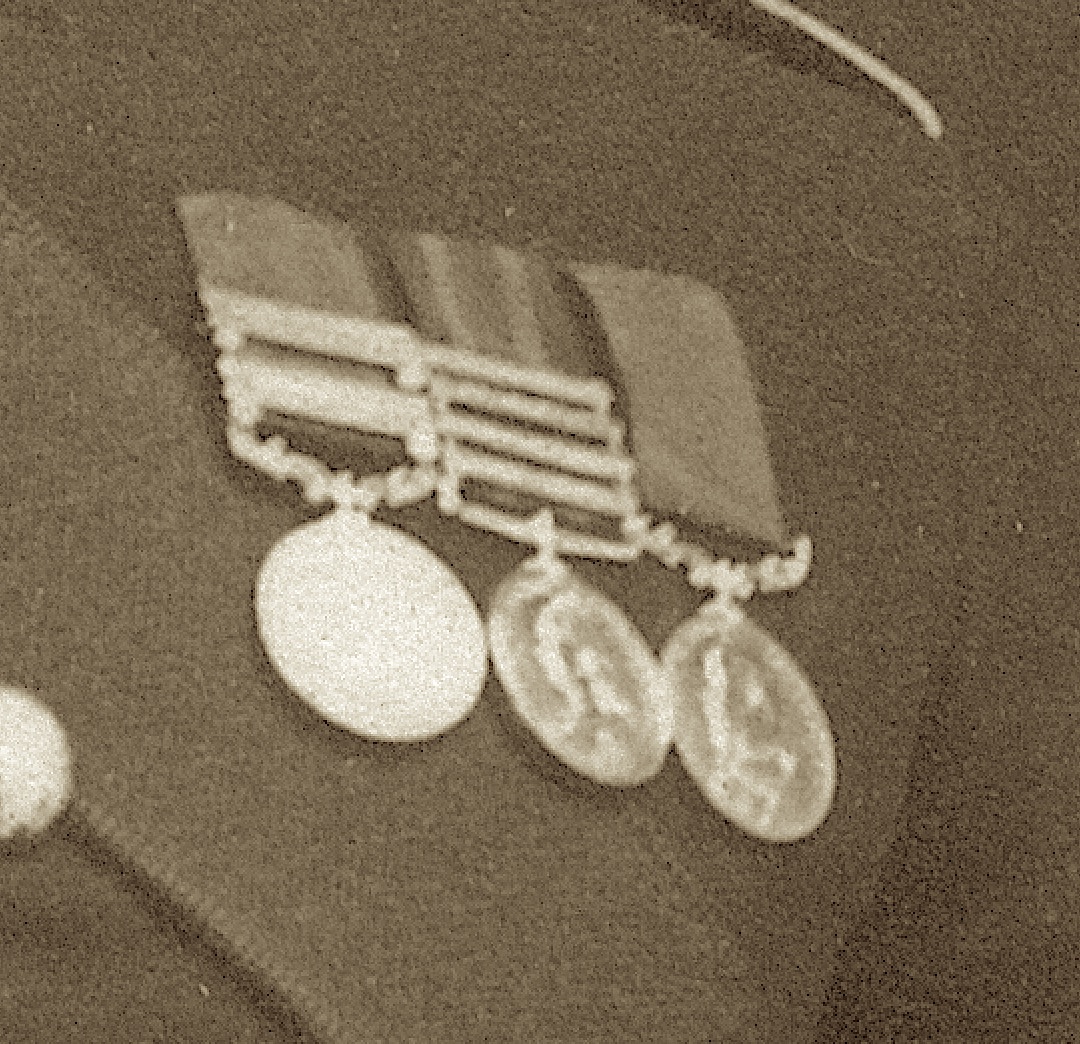
He is a Colour Sergeant Instructor of Musketry (Regular Permanent Staff) with a Volunteer Battalion of the Sherwood Foresters (‘Derbyshire’ – later ‘Notts & Derby’ Regiment), photographed sometime between the 2nd Boer War and WW1. He has a Musketry Prize Badge on his left lower sleeve.
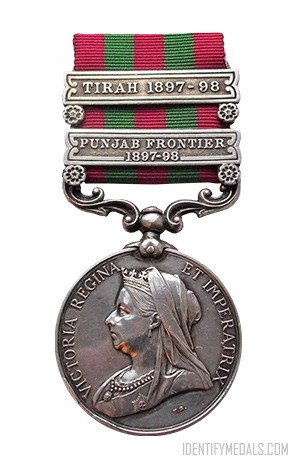
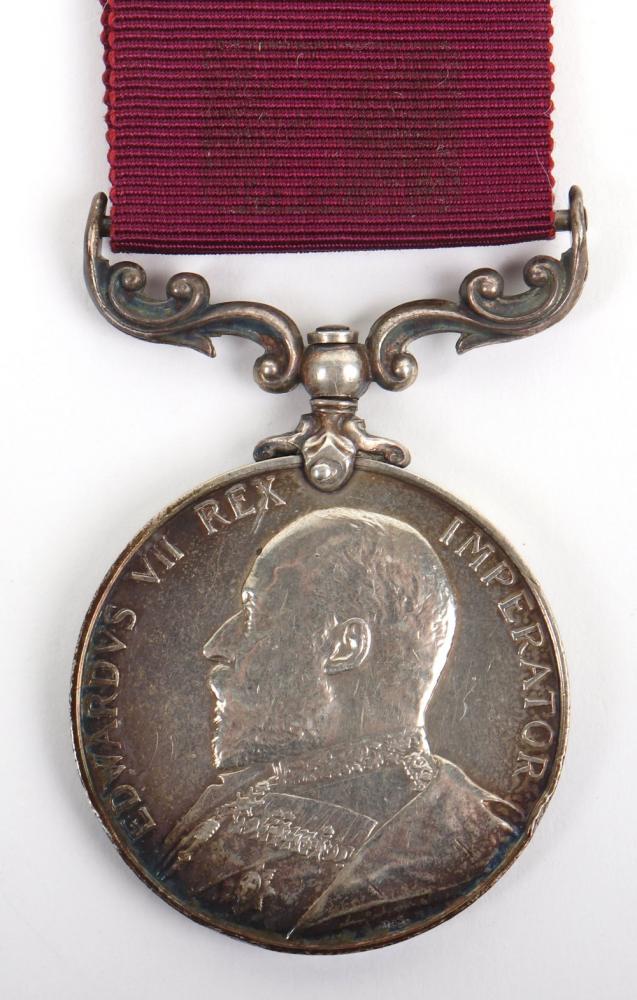
He is wearing an India General Service Medal with two campaign/battle clasps, Queens South Africa Medal with 4 clasps, & Army Long Service Medal with a King Edward VII head.
The search for the man’s identity now begins by cross referencing the names of the Permanent Staff of the 2 Volunteer Battalion, 1/6th Battalion and 4th Militia with the relevant Medal Roles !
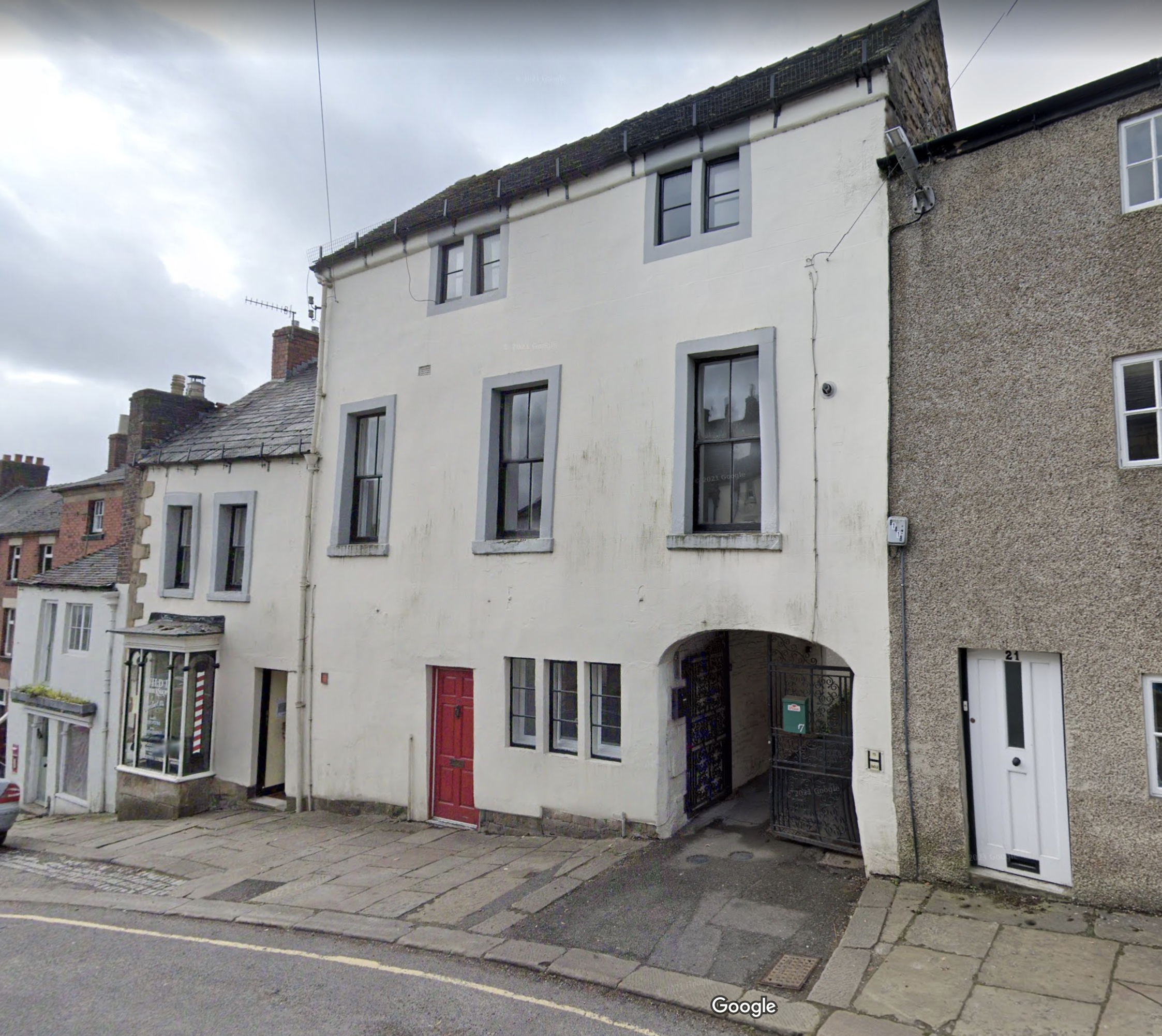
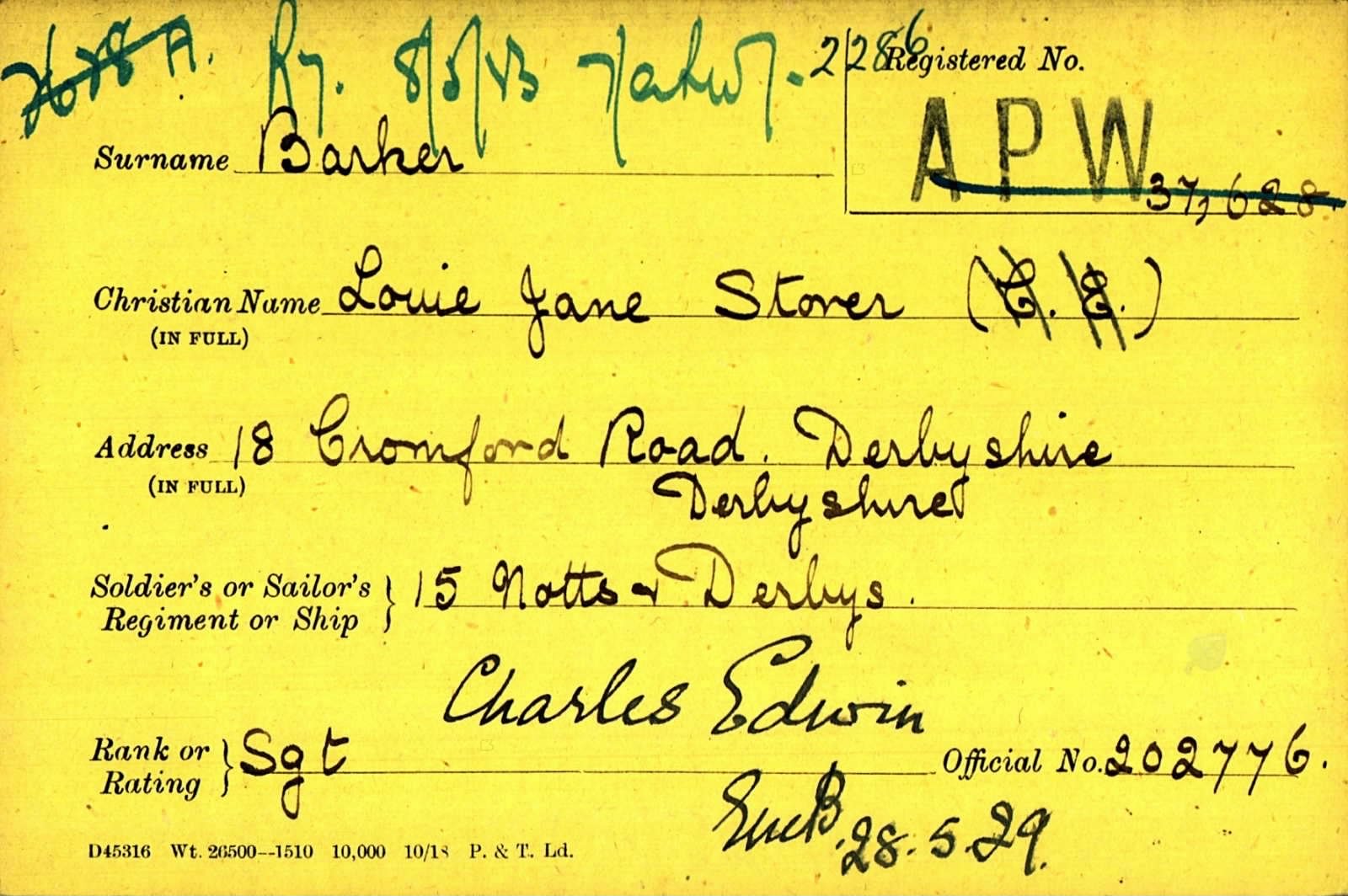
Charles Edwin Barker was born in Wirksworth in 1880 & the youngest child of Henry & Alice Barker of 17 West End. By 1911 he was a letterpress printer in the family business; “A Barker & Sons” Printers & Newsagents. He had an elder sister (Mary Jane) & Brother (John William).
1898 – 1910
Charles enlisted into 2VB N & D 11th March 1898 with number 5035. He was awarded a Proficiency Badge on 23rd October 1902. By 1902 he had been promoted to Sergeant.
Charles Barker with ‘Duke I’
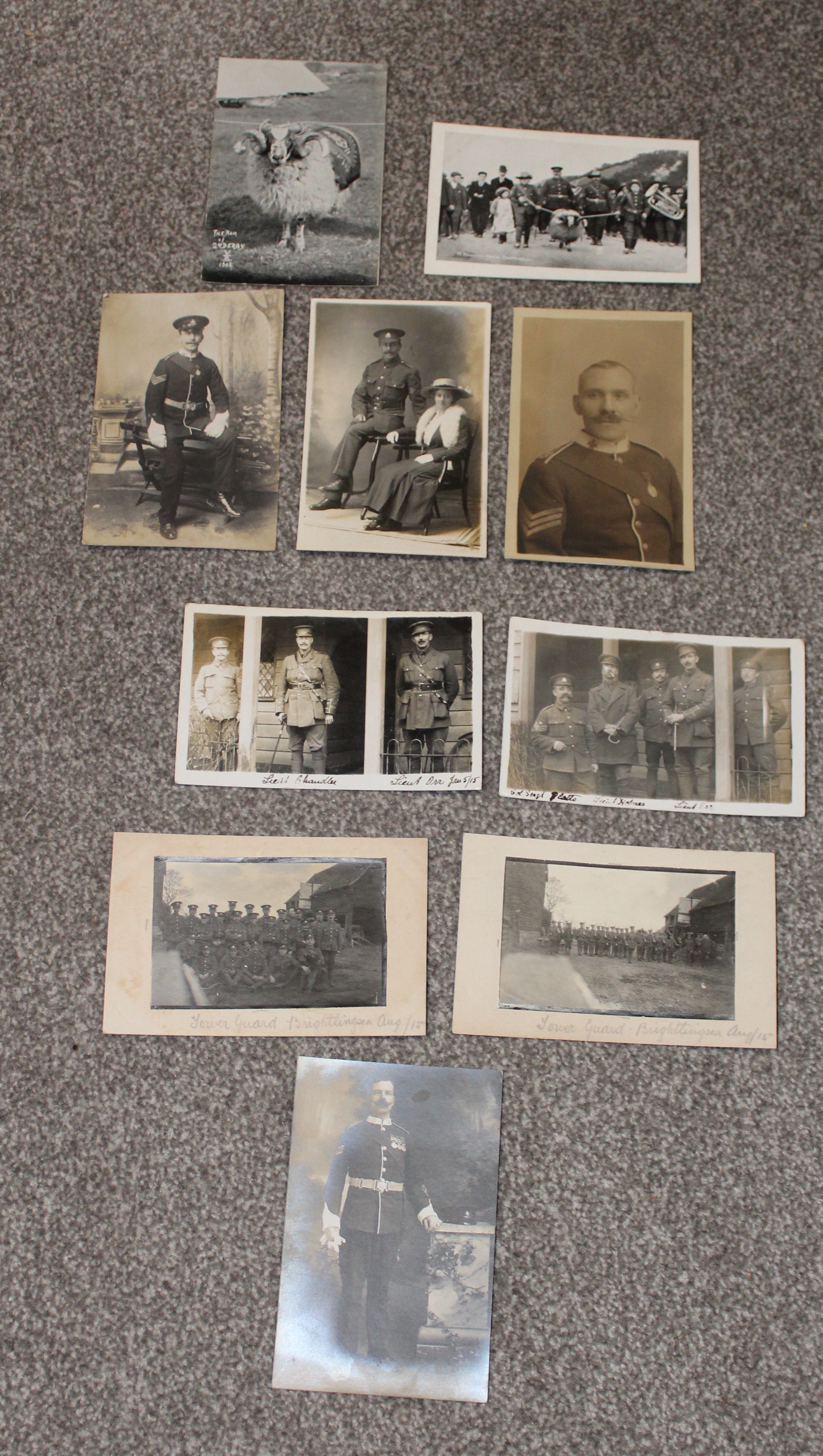
There are two photos from his time with the 2nd Volunteer Battalion, both featuring ‘Duke I’ the Battalion Mascot.
The first was from the Summer Camp at Castleton in 1905 and addressed to his sister…
“HPH [High Peak News] arrived all right. Just had dinner (3-30) after combined operations with Regulars. We are timed to start from here at 11-45”
The second picture was taken in Wales at either Conway (1906) or Towyn (1907) Camps. The large man in the middle is 146 Sergeant Drummer William Bramwell and I believe the man to his left is possibly Charles Barker.
Charles enlisted into 6th Battalion on 1st April 1908 with regimental number 40. He is recorded on the Nominal Role of E (Wirksworth) Company 1908-10 and serving with No. 3 Section of the Left Half Company. Territorial Force Efficiency Medal awarded in 1910.
Charles served in the in Territorial Force Reserve from 20th December 1910 until 4th August 1914.
August 1914 – December 1915
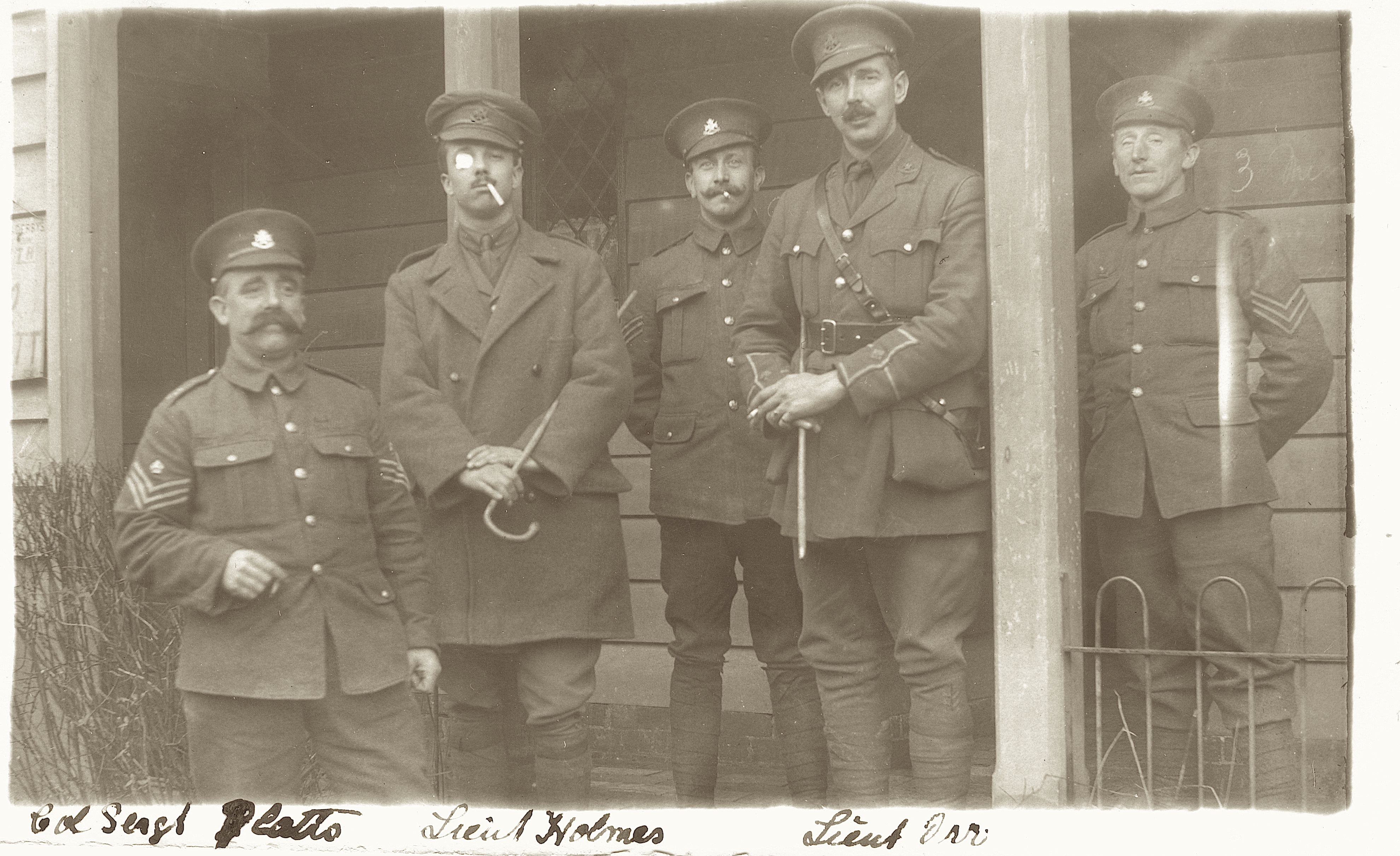
Embodied Service with the 6th Battalion from 5th August 1914 (he actually served with 2/6th Battalion), and there are two very interesting pictures taken in May 1915 whilst the 2/6th Battn were in the Luton-Dunstable area.
280 Col.-Sgt. John Henry Platt, Lieut. Holmes (currently no more info), Charles Barker, Lieut. Harry Davidson Orr (from Chesterfield) and an unknown Sgt
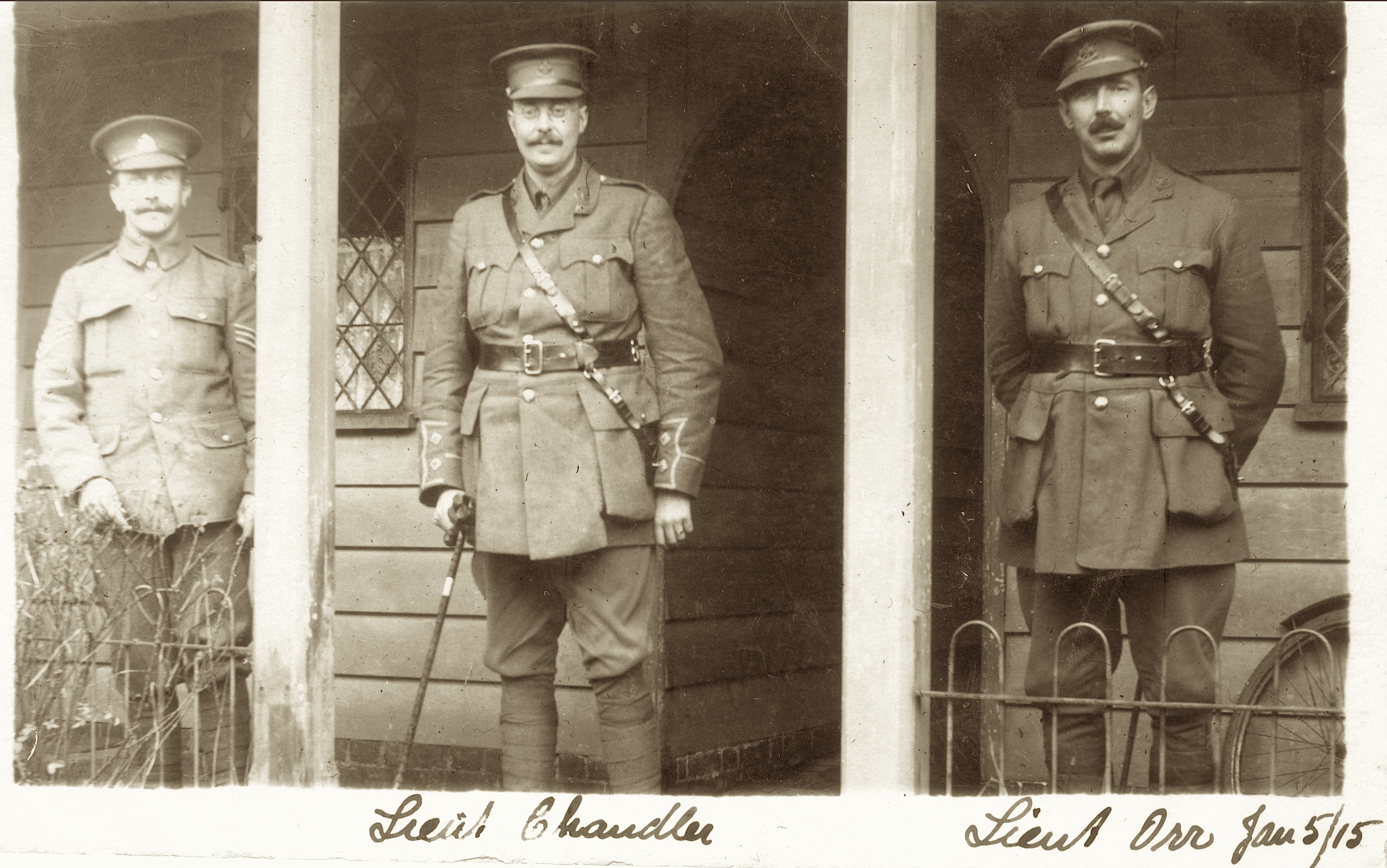
Charles Barker, Lieut. John Marsden Chandler (from Ruddington, Notts) and Lieut. Harry Davidson Orr (from Chesterfield)
Charles transferred to the 9th Provisional Battn on 12th June 1915 (presumably because he did not sign an Imperial Service Agreement).
“but nearly all the NCOs who had returned from the 1/6th declined to do so, some for good and sufficient reasons…”
“The later proceeded to a Provisional Battalion on the Essex coast, while the Imperial Service men marched to Dunstable where they went into camp under canvas”
[Battalion History 1961]
The 29th Provisional Battalion was station on Essex coast around Finton-on-Sea, Walton-on-the-Naze and Brightlingsea. Headquarters were at Wivenhoe close to Colchester.
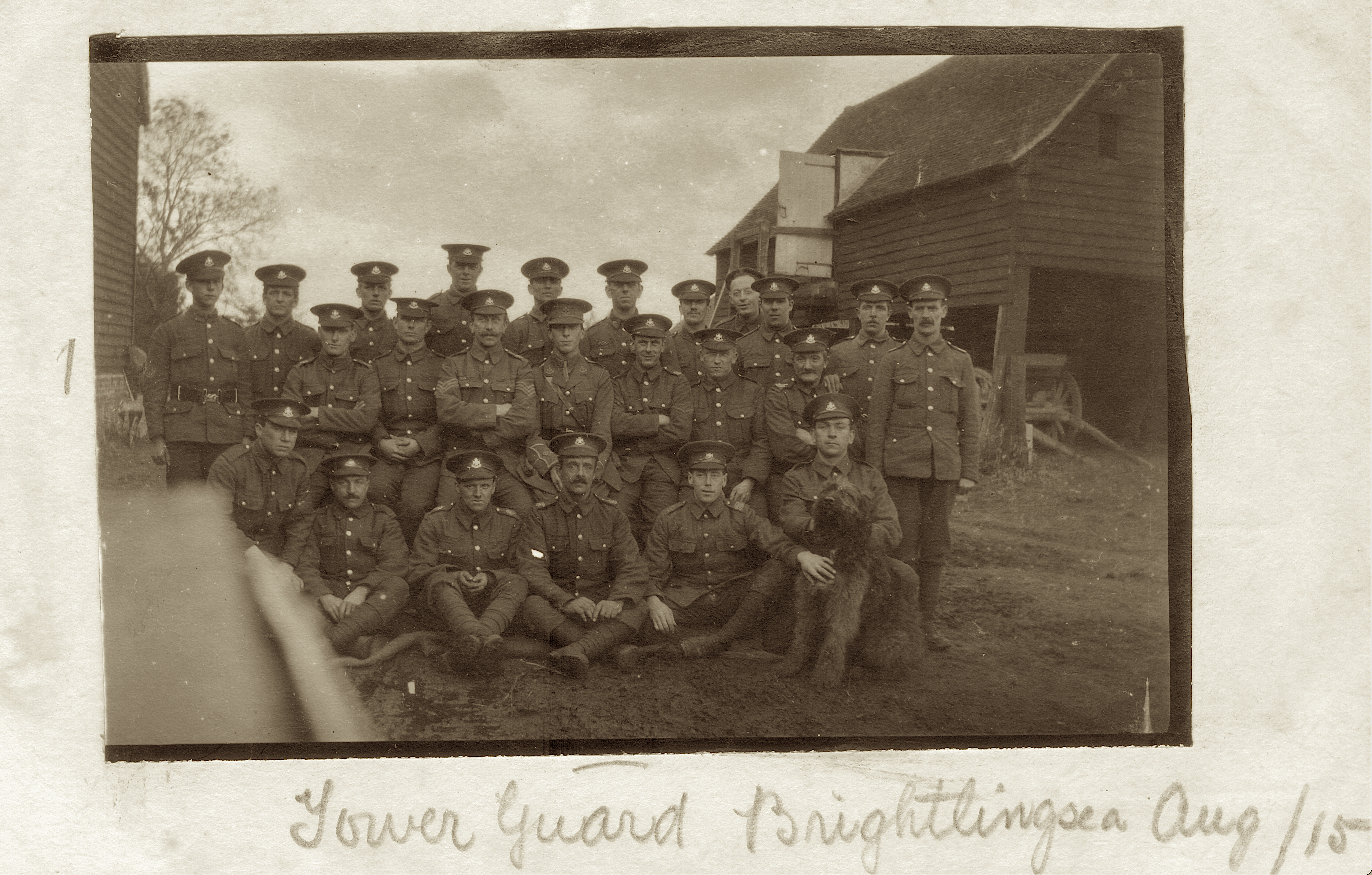
It would appear that Sergeant Charles Barker and men of the 9th Provisional later 29th Battalion Sherwood Foresters provided a guard for Brightlingsea (Bateman’s) Tower. The men are armed with Japanese Type 38 Arisaka rifles.
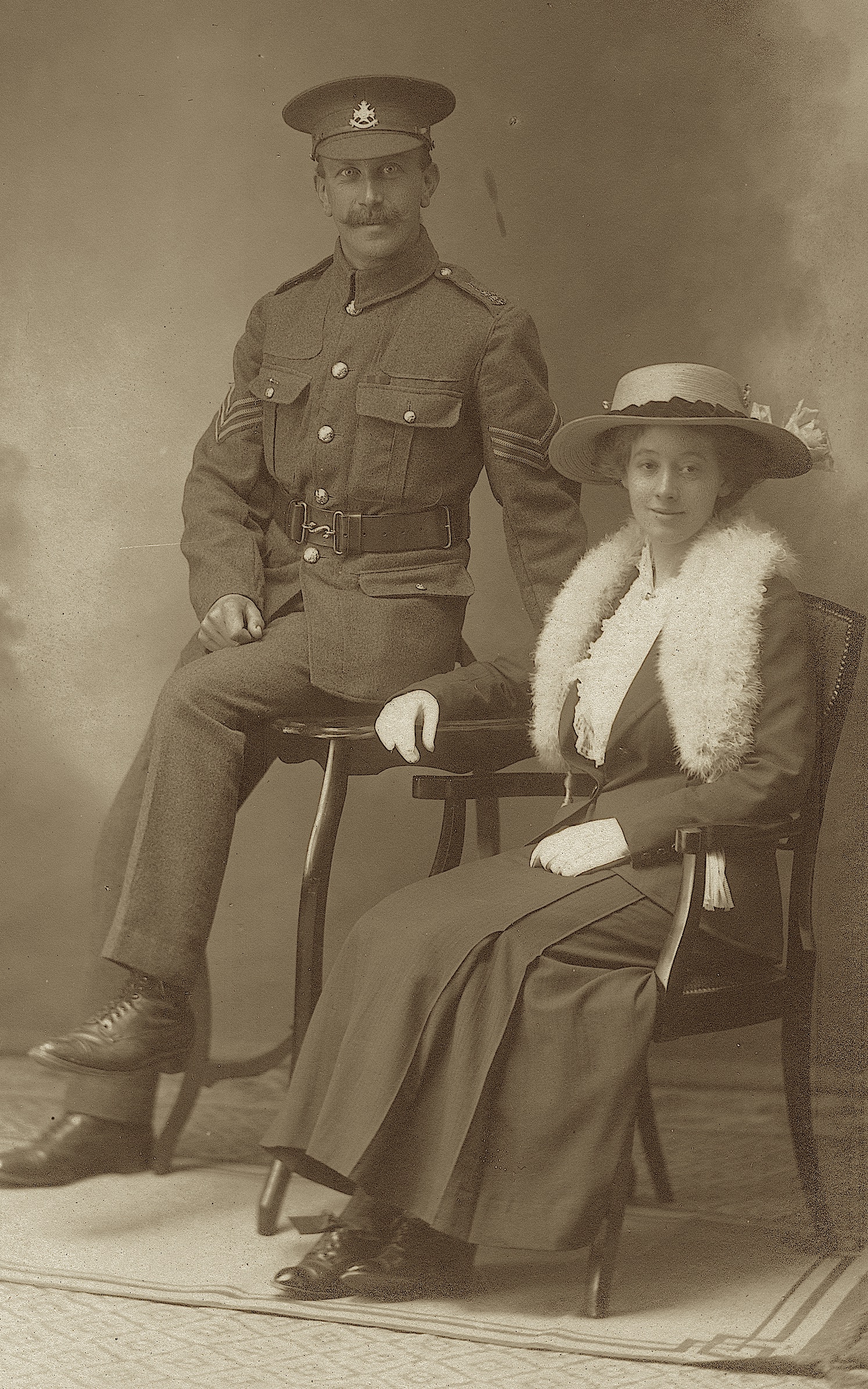
Charles married Louie Jane Storer Bunting on the 23rd June 1915 at Belper.
Charles and Louie 1915Marriage
Charles was discharged from 29th Provisional Battn at Wivenhoe on 23rd December 1915 as ‘time expired’.
1916 – 1918
Charles was called up for Service on 22nd July 1916 He was posted the 6th Reserve Battalion on 25th July, made Sergeant & numbered 5671.
When 6th Res Battn merged with 5th Res Battn he was renumbered 6290 on 1st Sept 1916.
Charles was finally renumbered 202776 following the Spring 1917 Territorial Force renumbering scheme.
Army Service Record
Charles was posted to 1/7th Battalion on 11th March 1917. He proceeded to France on 13th March 1917 and reverted to Private.
Arrived at 14th IBD on 14th March 1917.
Posted to 15th Battalion Sherwood Foresters on 3rd April 1917 and joined them in the field on 7th April 1917.
Army Service Record
Retained substantive rank of Sergeant.
Admitted to 106 FA, 55 CCS and 1st AGH on 9th-16th June 1917.
Joined 14 IBD on 12th October 1917.
Re-joined 15th Battalion ‘in the field’ on 27th October 1917.
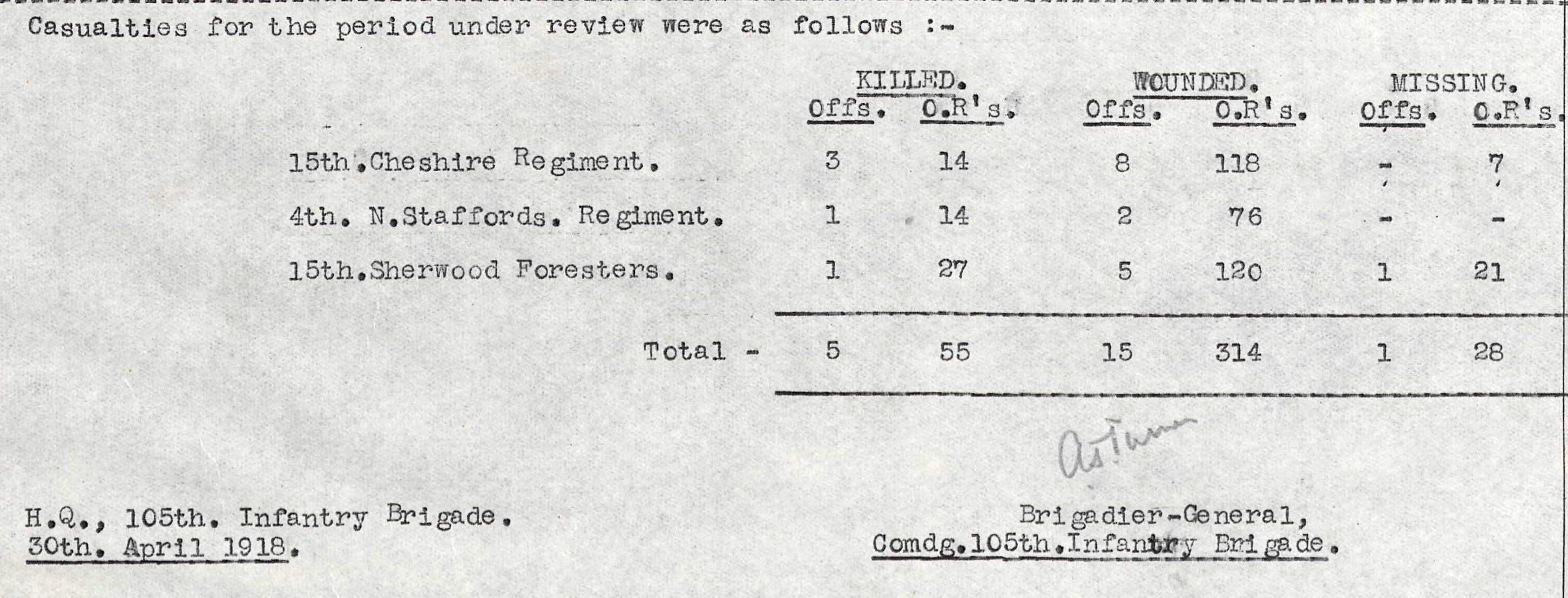
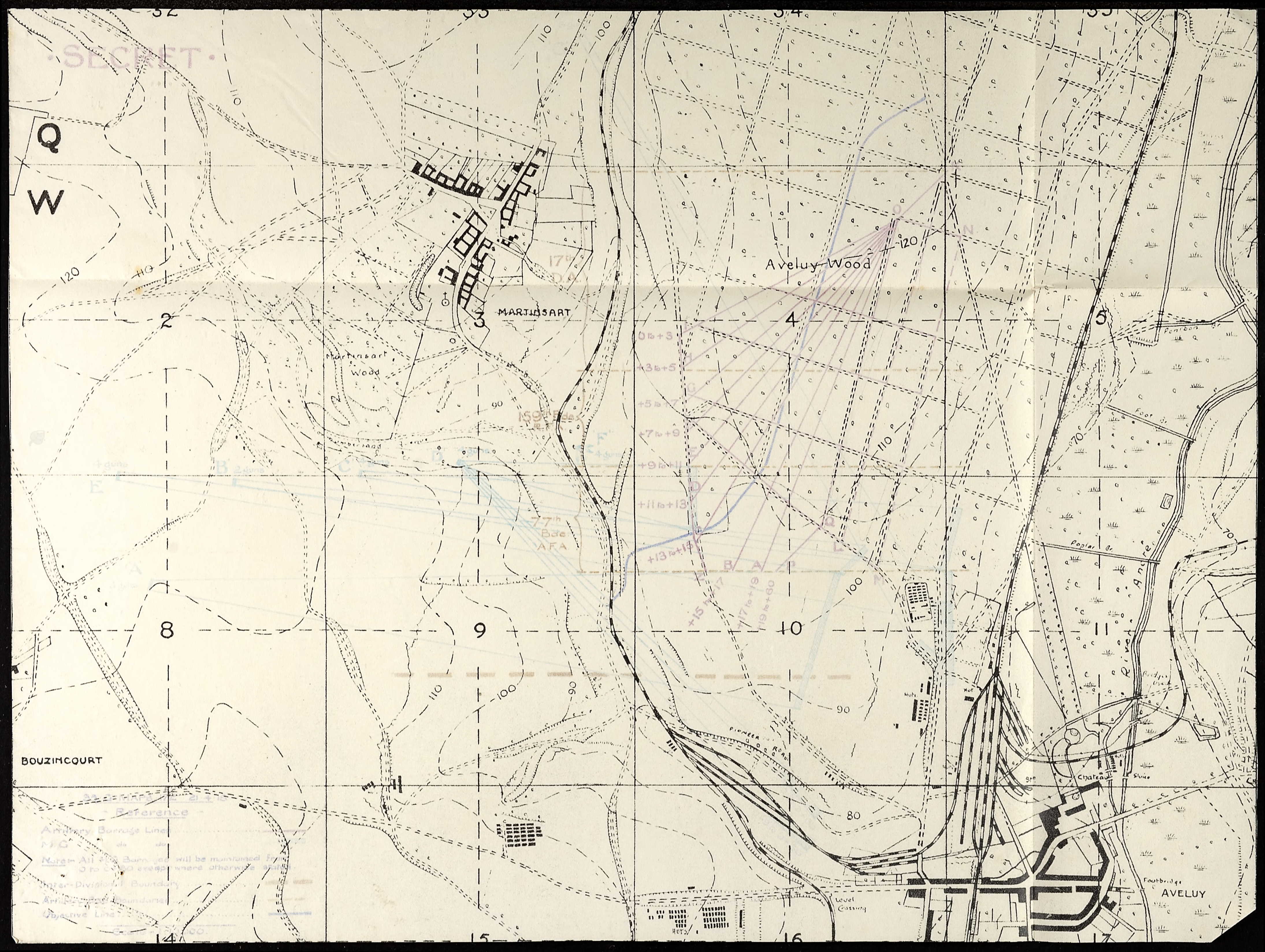
Killed in action on 22nd April 1918 in the attack on the German positions near Aveluy Wood, France.
105th Brigade War DiaryCasualtiesTrench Map
Louie Jane received a pension, they had no children.
Many thanks to Jim Pratt who has identified his grandfather, 2032 L/Cpl. Mark Henry Lee, a Railway Clerk from Eckington. Mark was a pre-War Territorial who served throughout the War in France (Feb 1915 – Feb 1919) with the 1/6th Battalion.
Trench Map showing Hargricourt and Cologne FarmWar Diary entry for 59th Division
In total the 2/6th Battalion casualties were :-
Killed: Capt JH Marsden, 2/Lt K Healing, 2/Lt MS Weston, Capt WBM Jackson (d/w), 2/Lt CR Woodward (d/w).
Wounded: Capt HD Orr, Lt G Glossop, 2/Lt SA Rogers, 2/Lt AP Lockwood, Capt WEV Tomkins, 2/Lt GH Tuft.
Killed 18 OR; 43 OR wounded; 12 OR missing.
Whilst it is relatively easily to identify those Officers and Men that were killed in action, or subsequently died of their wounds, it is less straight forward to identify the men that were wounded or made prisoner of war. As is happens 17 men were killed in action and now have no known grave, which most likely accounts for these missing men.
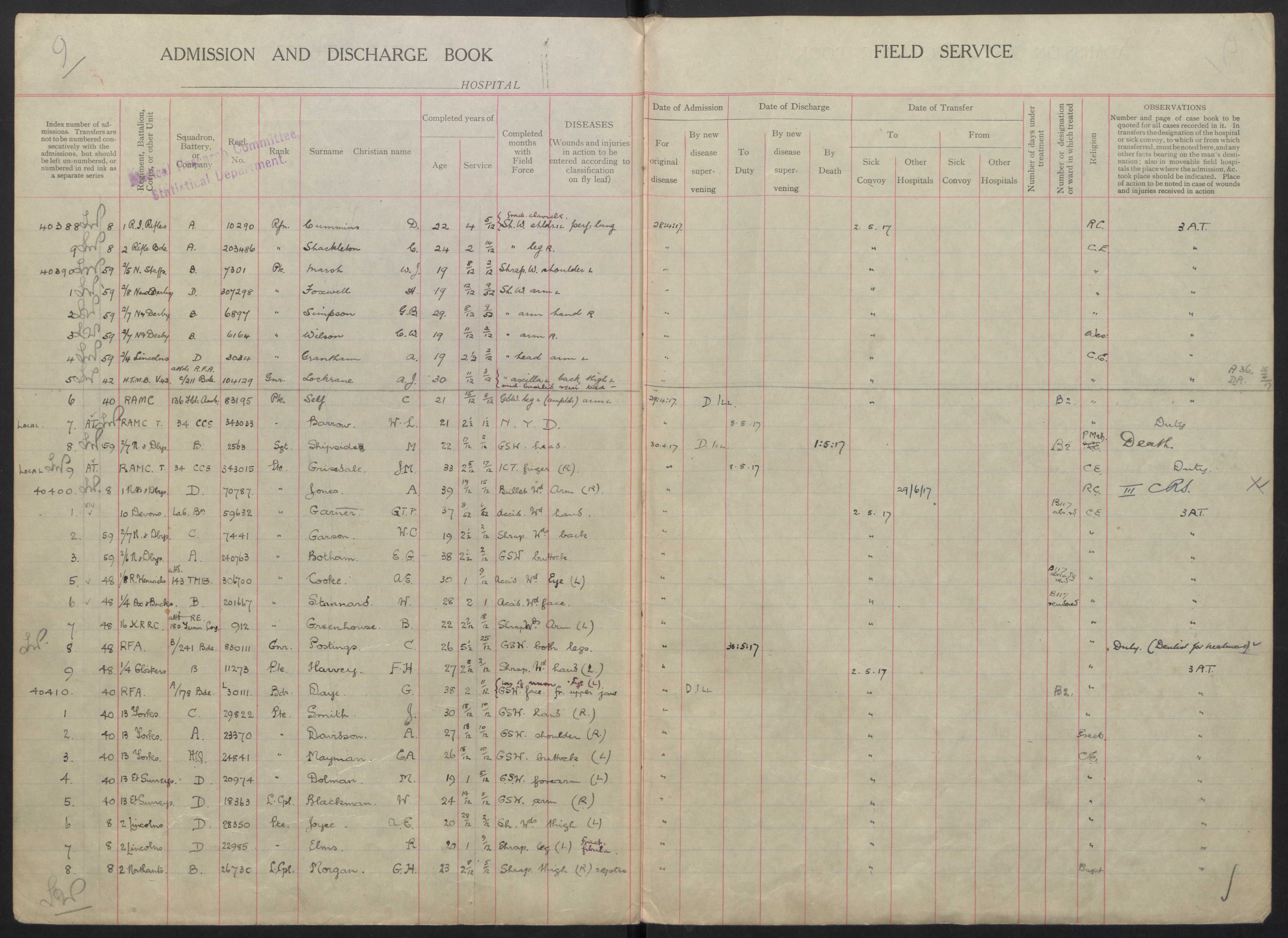
But what about the wounded men? By chance I was searching for details of 240892 Pte Thomas Frederick Tomlinson when I discovered a record for his admittance to the 34th Casualty Clearing Station on the 28th April 1917.
Thomas Frederick Tomlinson. Picture kindly sent by Derek JonesAdmission and Discharge Book for the 34th CCS between 23rd March and 11th May 1917
An in-depth analysis of this record identified the names of a further 16 men of the 2/6th Battalion who had been admitted to the 34th CCS on the same day – these are some of the 43 wounded ‘other ranks’ recorded in the War Diary of the 59th Division.
David Yeoman – a relative of Samuel Henry – has recently contacted me and kindly provided another picture of Samuel Henry Lomas.
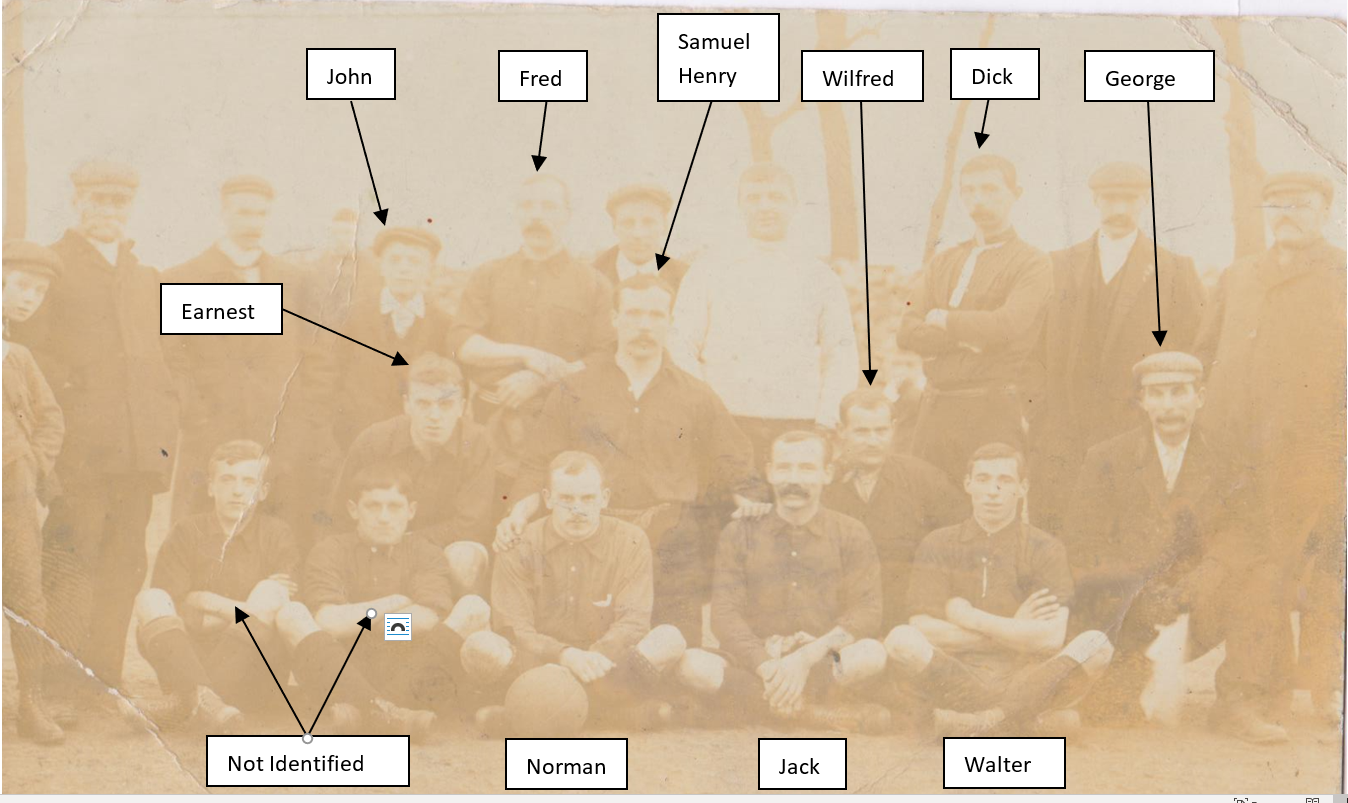
Tideswall Football Team
This is the Tideswall Football Team in which all the players had the surname of Lomas. Many thanks to David for sending this photograph and letting me share it.
Samuel’s cousin – Wilfred Lomas (sitting next to Samuel) – was killed in action near Polecappelle on the 16th December 1917 whilst serving with the 10th Battn Durham Light Infantry. Wilfred had formerly served with the Sherwood Foresters with the regimental number 69172, which would suggest that he enlisted/mobilised in Sept/Oct 1916.
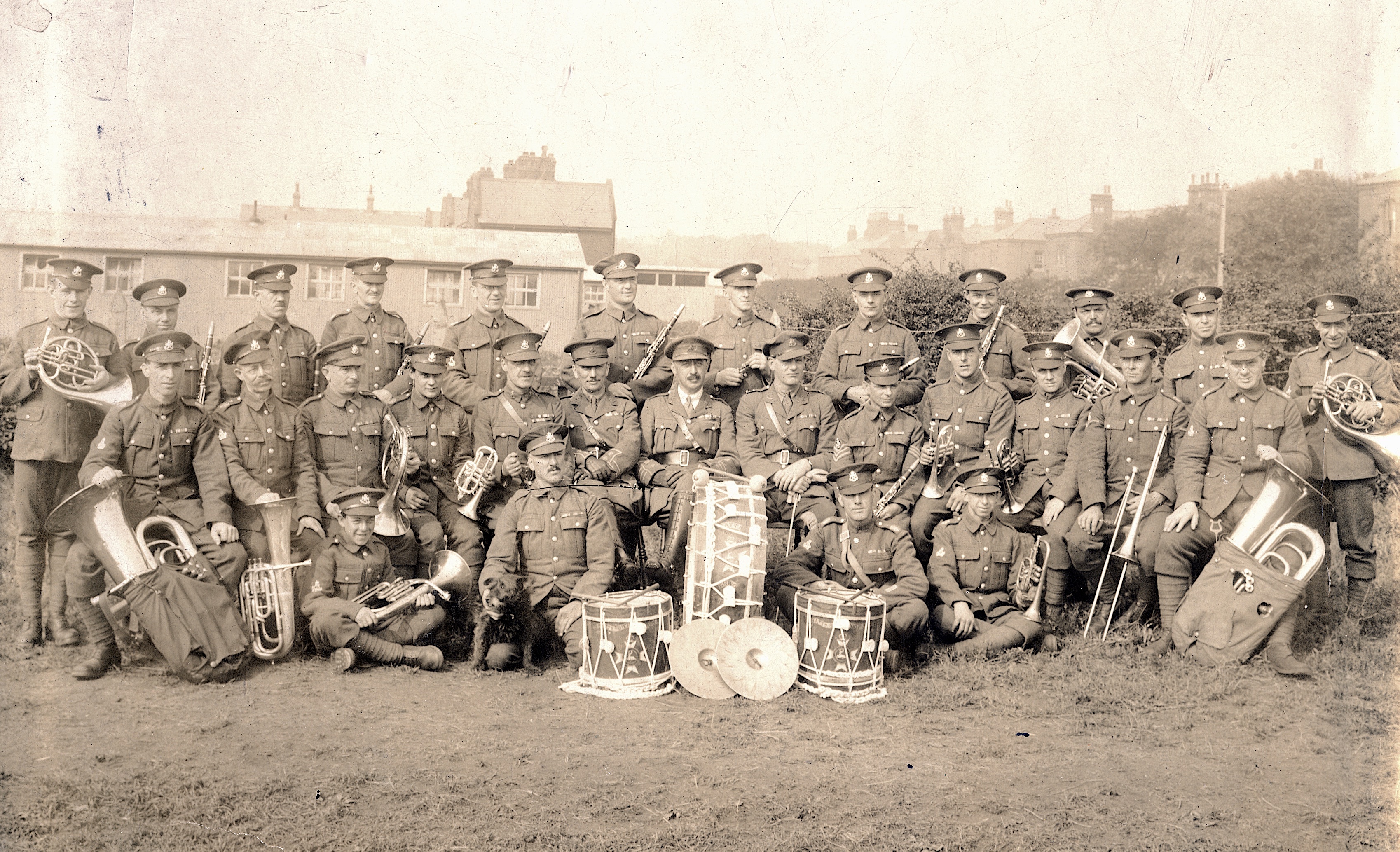
Several months ago I purchased a Carte Postale of the 1/6th Battalion Band – presumably in France. The 1/6th Battalion is confirmed by the presence in the picture of Bandmaster William Mcfarlane from Sheffield.
Band of the 1/6th Battalion1767/240255 a/CQMS William John Mcfarlane
Earlier this week I was contacted by Chris Preston who also has a postcard of the ‘6th Sherwood Foresters in France’. He was kind enough to let me post it on this web site. As you will see below William Mcfarlane is again present, as are many of the bandsmen. Unfortunately the names of the other men are currently not known.
6th Sherwood Foresters in France
Although the photographs were taken at different locations at different time – I get the impression they were not too far apart……..
William survived the War and continued to be Bandmaster into the 1920s.
4669/241625 James Scott Datson was posted to the 3/6th Battn in January 1916 and transferred to the 2/6th Battn in time to serve in the Easter Rising in April 1916. He arrived in France in February 1917 and later served in the 1st Battn and was captured by the Germans on 25th March 1918.
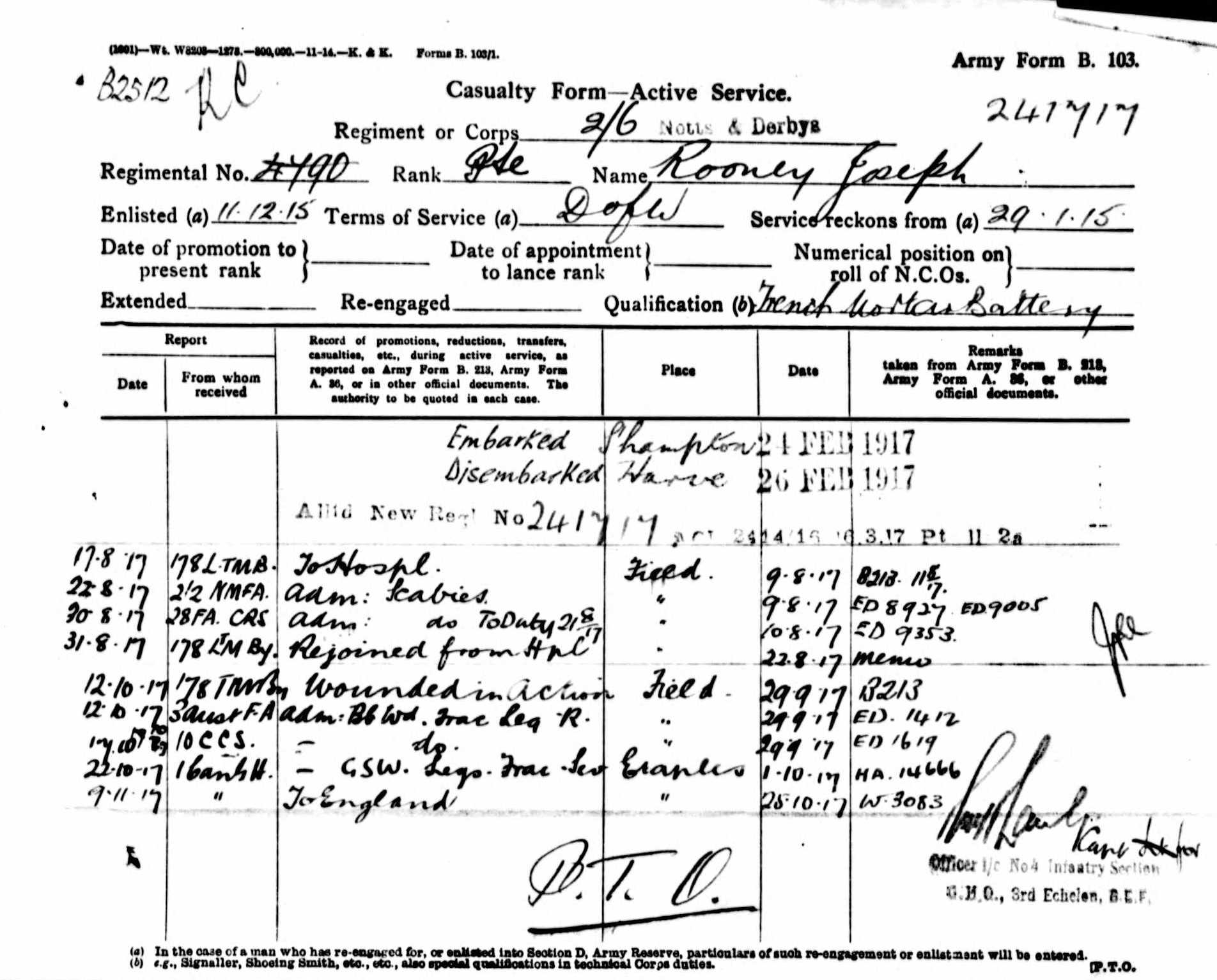
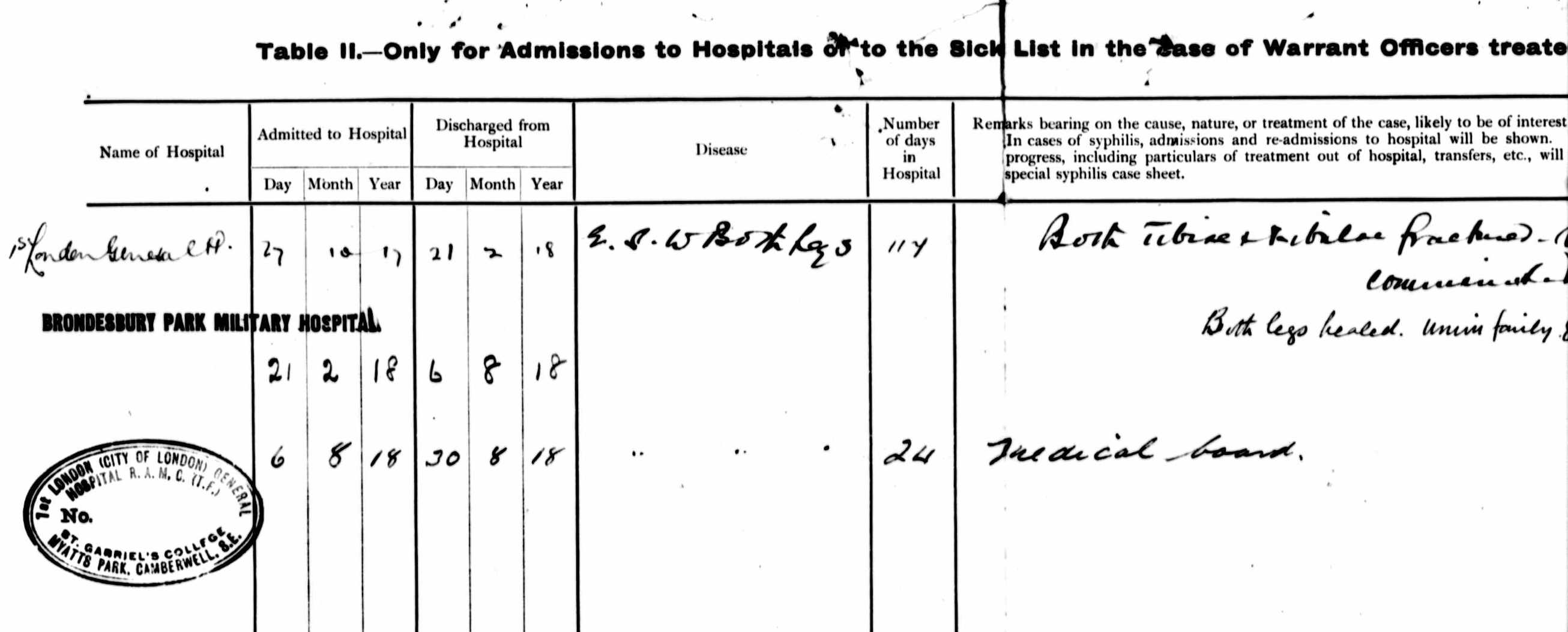
4790/241717 Joseph Michael Rooney was from Barrow Hill in Chesterfield. He attested on 11th December 1915 and was posted to the 3/6th Battn in February 1916. He later transferred to the 2/6th Battn and arrived in France on the 26th February 1917. Joseph was wounded in action at Ypres on the 29th September (GSW legs) and after treatment in the 1st Canadian General Hospital was transferred to England on the 27th October 1917.
Joseph suffered a fractured tibia and fibula and was discharged on the 17th September 1918. Unfortunately he died in November 1918. For more information of Joseph see here and here.
Joseph’s wounding therefore dates this casualty list to September/October 1917.
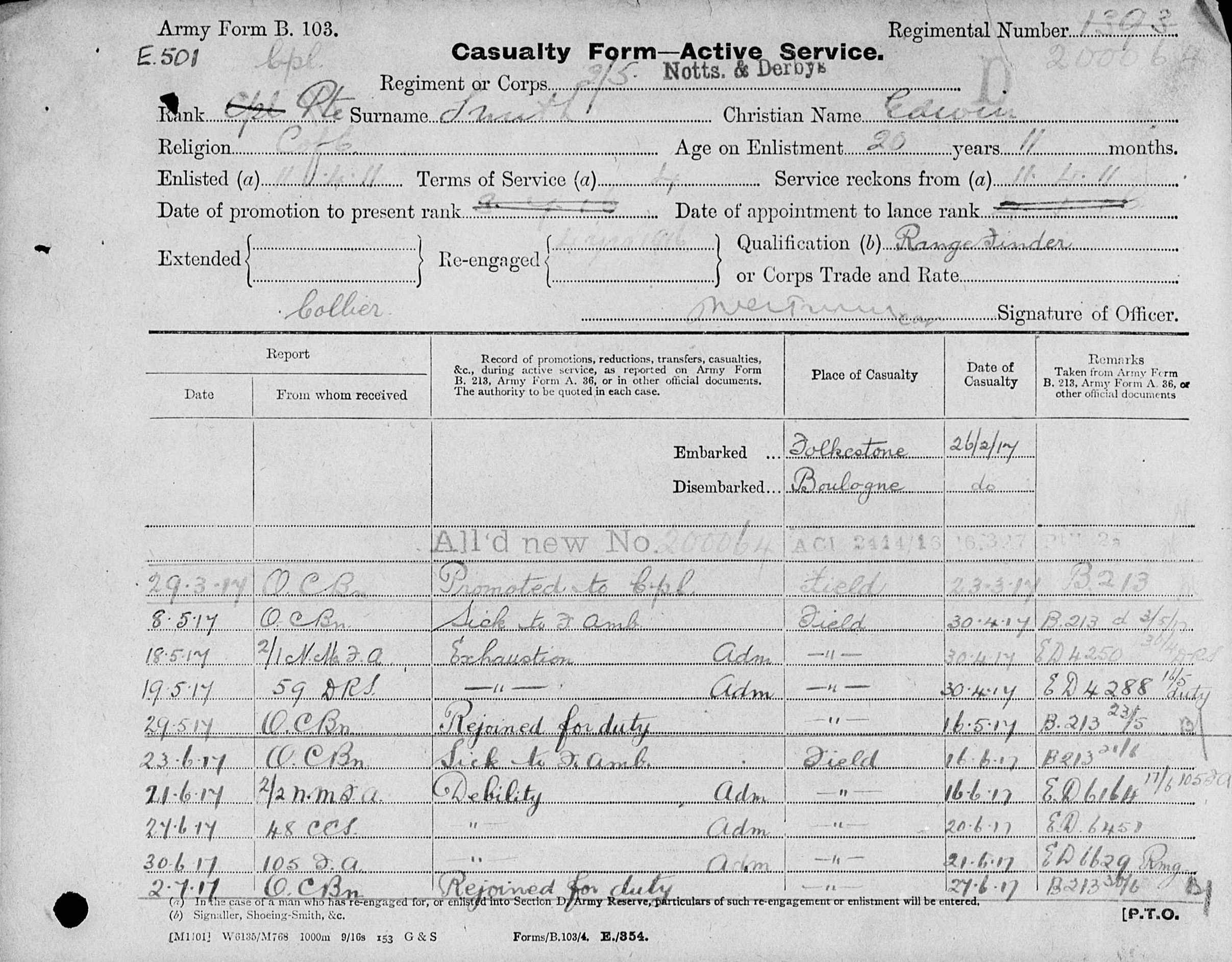
Edwin enlisted into the 5th Battalion on the 11th April 1911 and was allowed the Regimental number 1393. At the outbreak of War, or shortly after, he was transferred to the 2/5th Battn and was posted to France with the 178th Bde, 59th Division on the 26th February 1917 and re-allocated the number 200064.
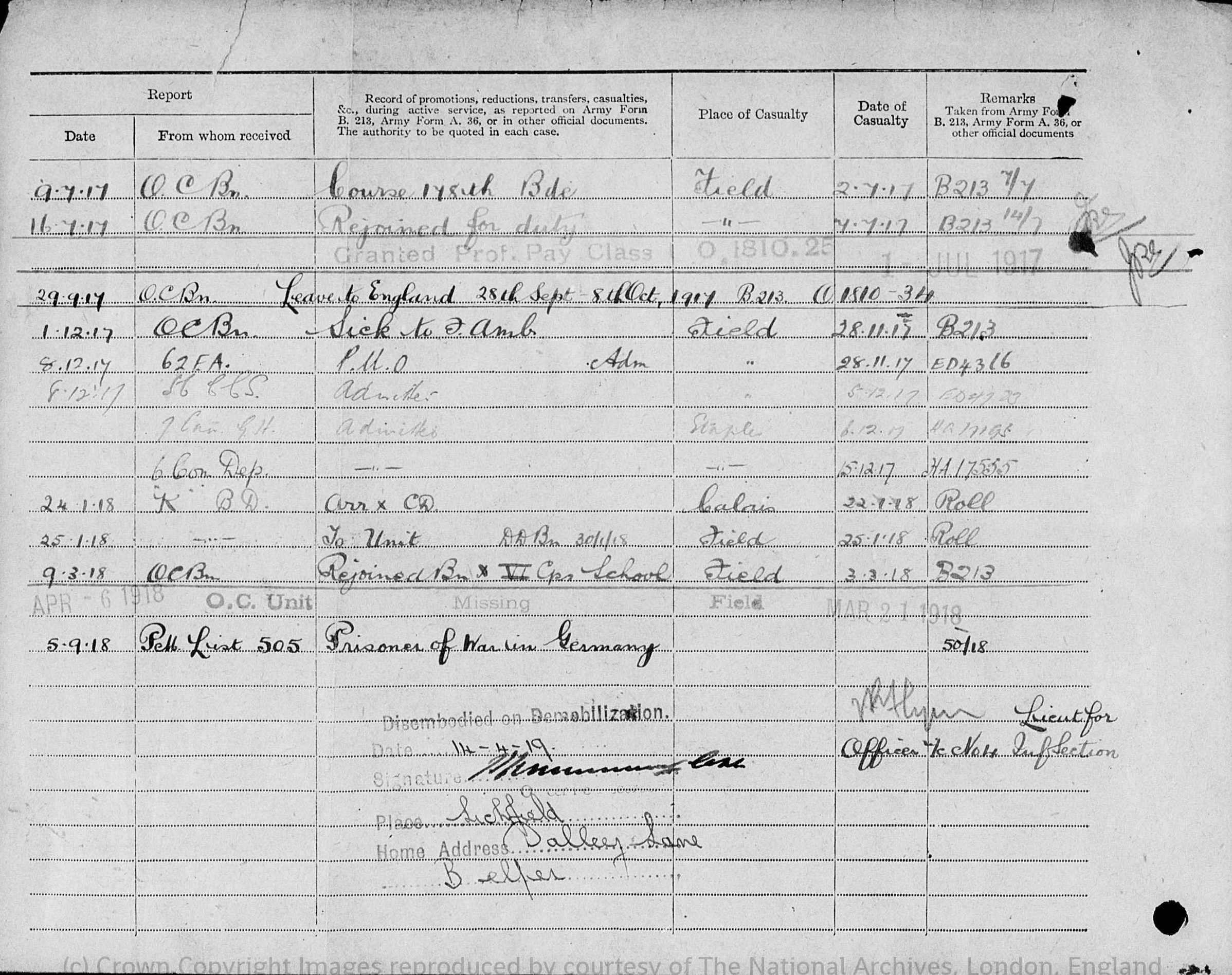
Edwin was sick a few times during the spring and summer of 1917, requiring treatment and rest at various Field Ambulances (2/1 NMFA), Casualty Clearing Stations (48th) and the 59th Divisional Rest Station.
Edwin was granted leave to England in October 1917, returning to the 2/5th Battalion.
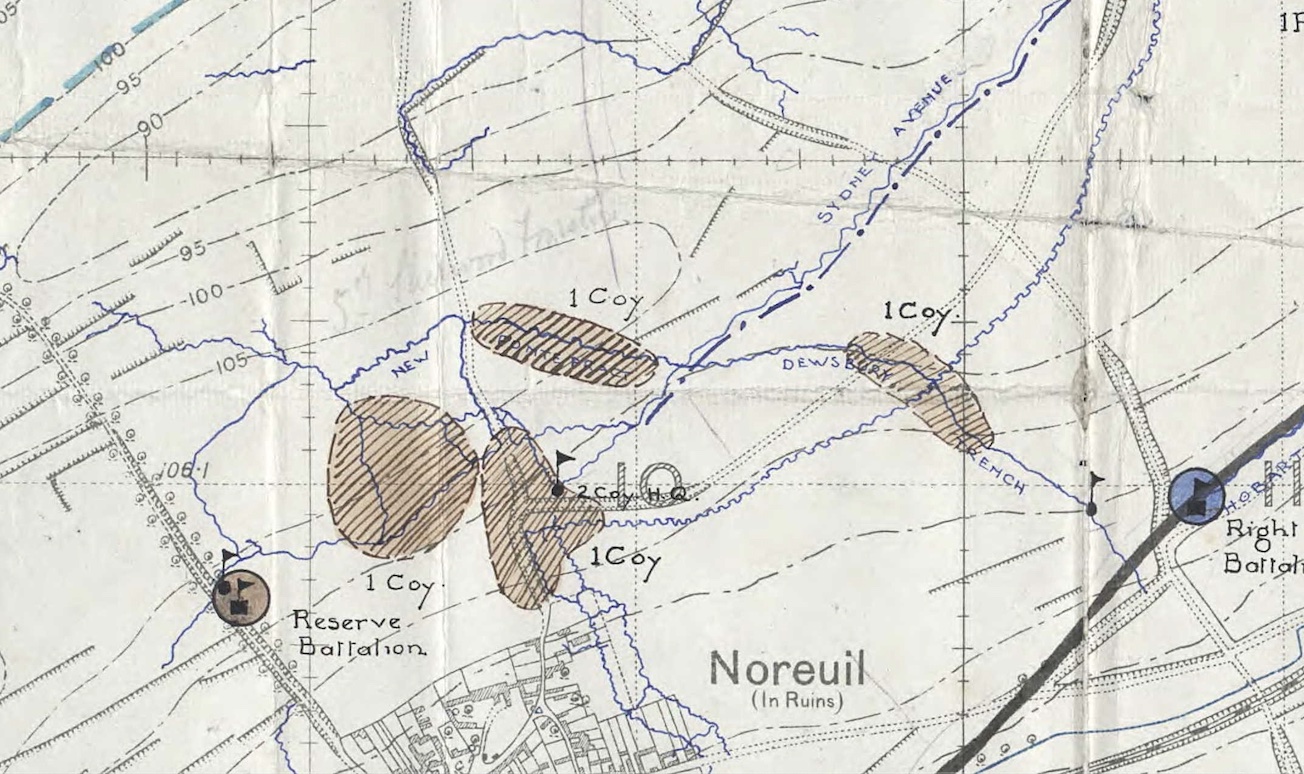
On the 21st March, Edwin with the rest of C Company of the 2/5th Battalion, were in Reserve at Noreuil on the extreme right of the 59th Division frontage. They were quickly over whelmed and outflanked by the German forces proceeding down the Noreuil Valley.
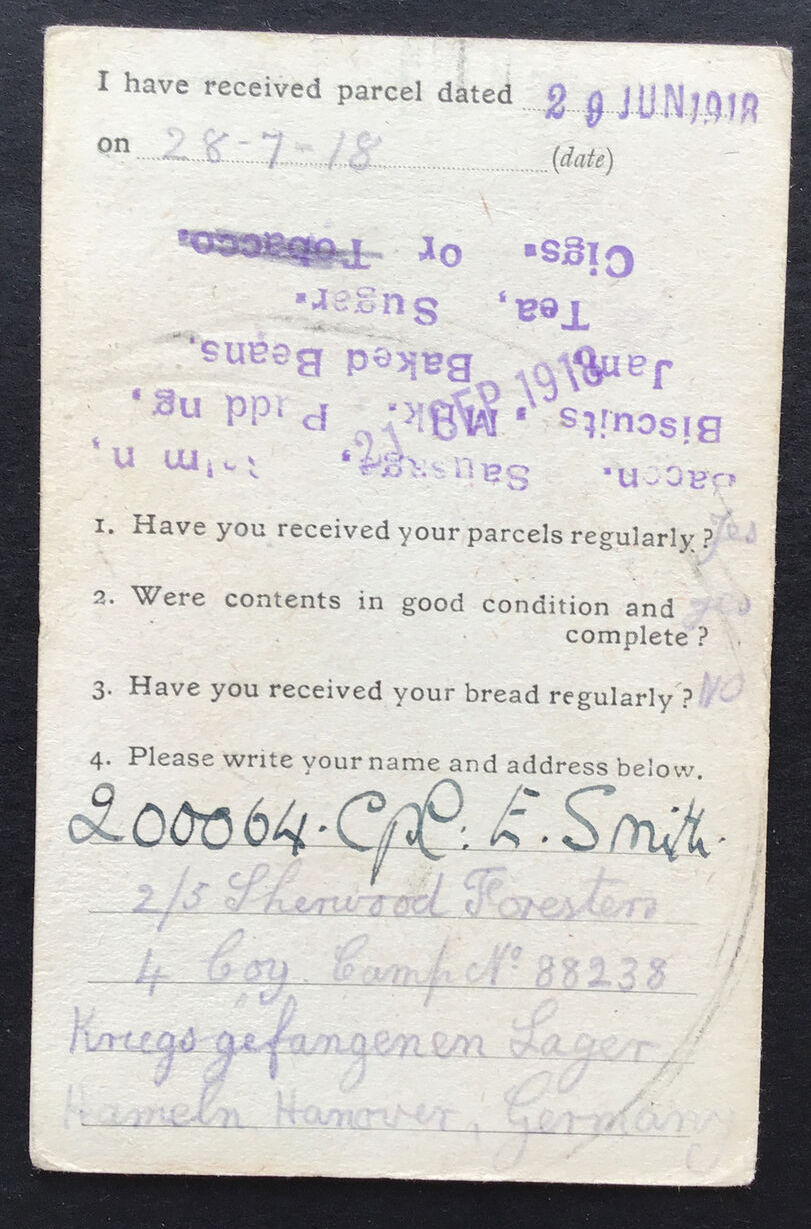
Edwin was severely wounded and spent 5 months in a German POW Camp Hospital at Hamelin.
During that time he received a parcel from the Sherwood Foresters Prisoners of War Regimental Care Committee, which provided him with a variety of items to make his life more comfortable as a POW.
Edwin was discharged on the 15th April 1919. He received a pension and was awarded a Silver War Badge in addition to the British War and Victory Medals.
























 Derbyshire Territorials in the Great War