I'm not a Historian by profession - merely an (over) enthusiastic amateur. By day I'm a Professor of Genetics at Newcastle University with a translation research interest in rare bone diseases. At weekends I can be classified as a Yorkshire Cricket & Psychedelic Rock fan, but mostly I'm just on the Fells (or in the pub - when they were open!).
Edmond was part of a draft of at least 140 men that were mobilised and posted to the 3rd (Reserve) Battalion, the Sherwood Foresters between 12th-13th June 1918. The 3rd Battalion was was part of the Tyne Garrison based in Sunderland and was responsible for training new recruits, along with the 4th (Extra Reserve), 5th (Reserve) and 7th (Reserve) Battalions.
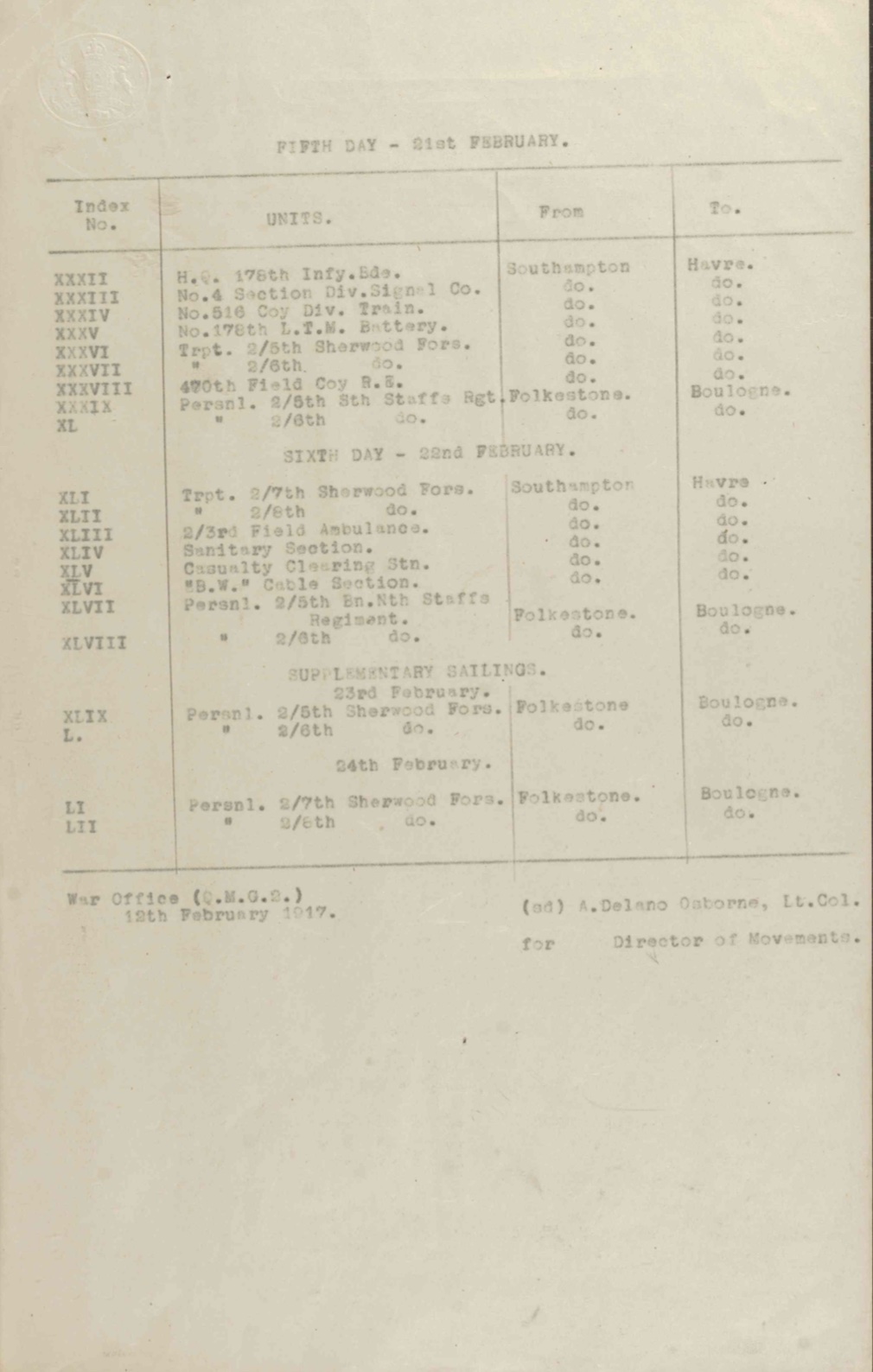
The men were issued regimental numbers between (at least) 118431 (Frank Hartwell from Hucknall) and 118571 (Walter Kirkham). The service records of at least six of these men still exist, and based on these records it is possible to piece together the movements of Edmond and his comrades.
Following training the men disembarked from Dover to the Base Depot in France on the 4th October 1918 and were initially posted to the 11th Battalion, Sherwood Foresters.
Army Service record for 118459 Pte Harry Hubbard, a boundary labourer from Sheepbridge in Chesterfield
However, before they could reach their unit they were transferred to the 1/6th (and 1/5th) Battalions, presumably to make up for losses during the storming of the Hindenburg Line between 29th September and 3rd October. This would be one of the last reinforcements that the 1/6th received – possible reinforcement number 57.
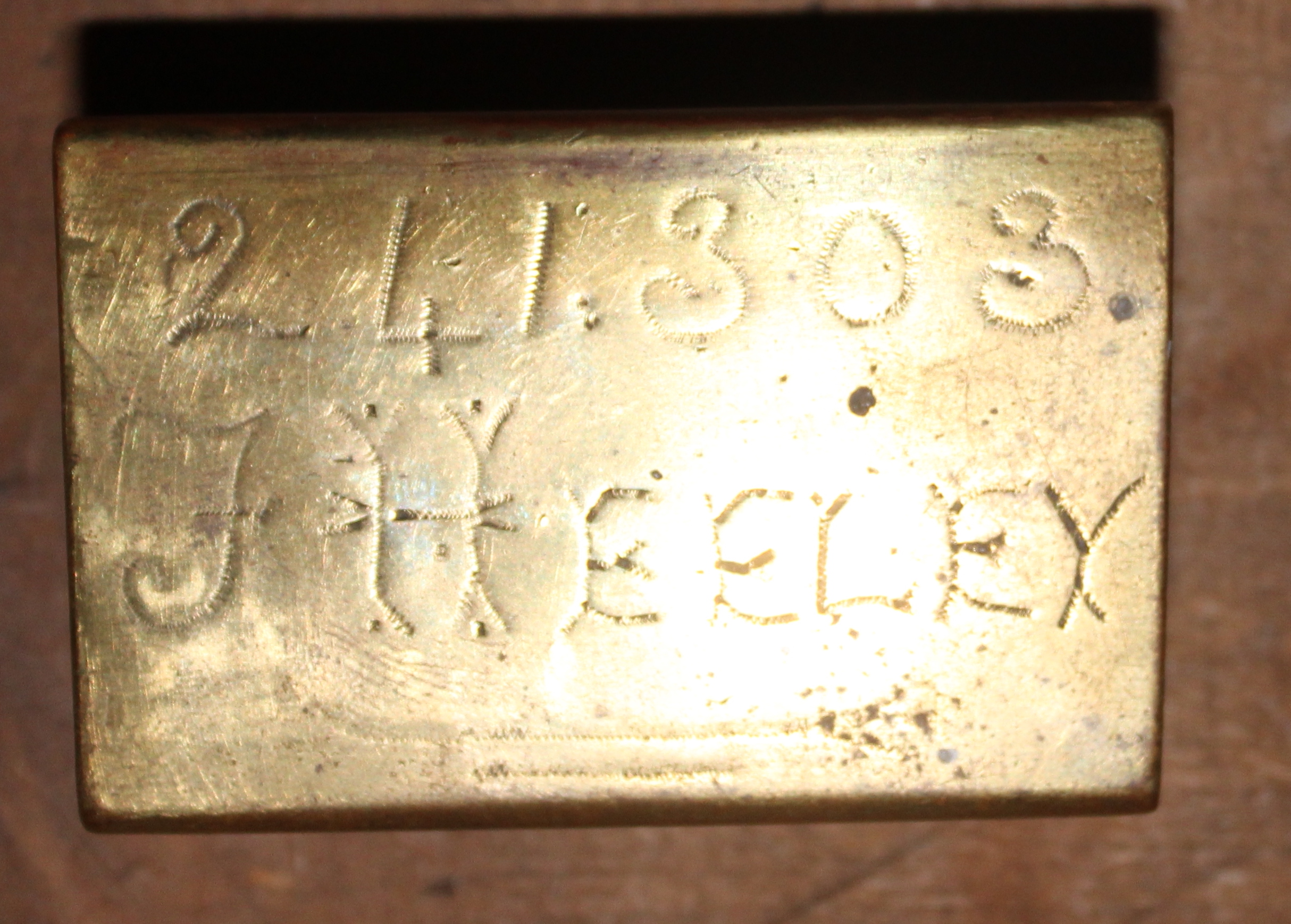
Frederick Heeley was born in 1880 and was a colliery labourer (surface). He was married to Eva as recorded on the 1911 census.
Notts and Derby (Feb 1915 – Oct 1917)
Frederick enlisted in February 1915 and may have served with the 2/6th Battalion during the Easter Rising, but he certainly arrived in France with the 2/6th Battalion, 178th Brigade, 59th Division in February 1917.
Labour Corps (Oct 1917 – Sept 1919)
Many thanks to Mike Orme we now know that Frederick transferred to the Labour Corps in October 1917. The Service record for 403699 William Huff narrows the date to close to the 8th October 1917. By that time Frederick would have been 37 years old and had served with the trenches for 6 months. It is highly likely that he was no longer medically fit for front line service.
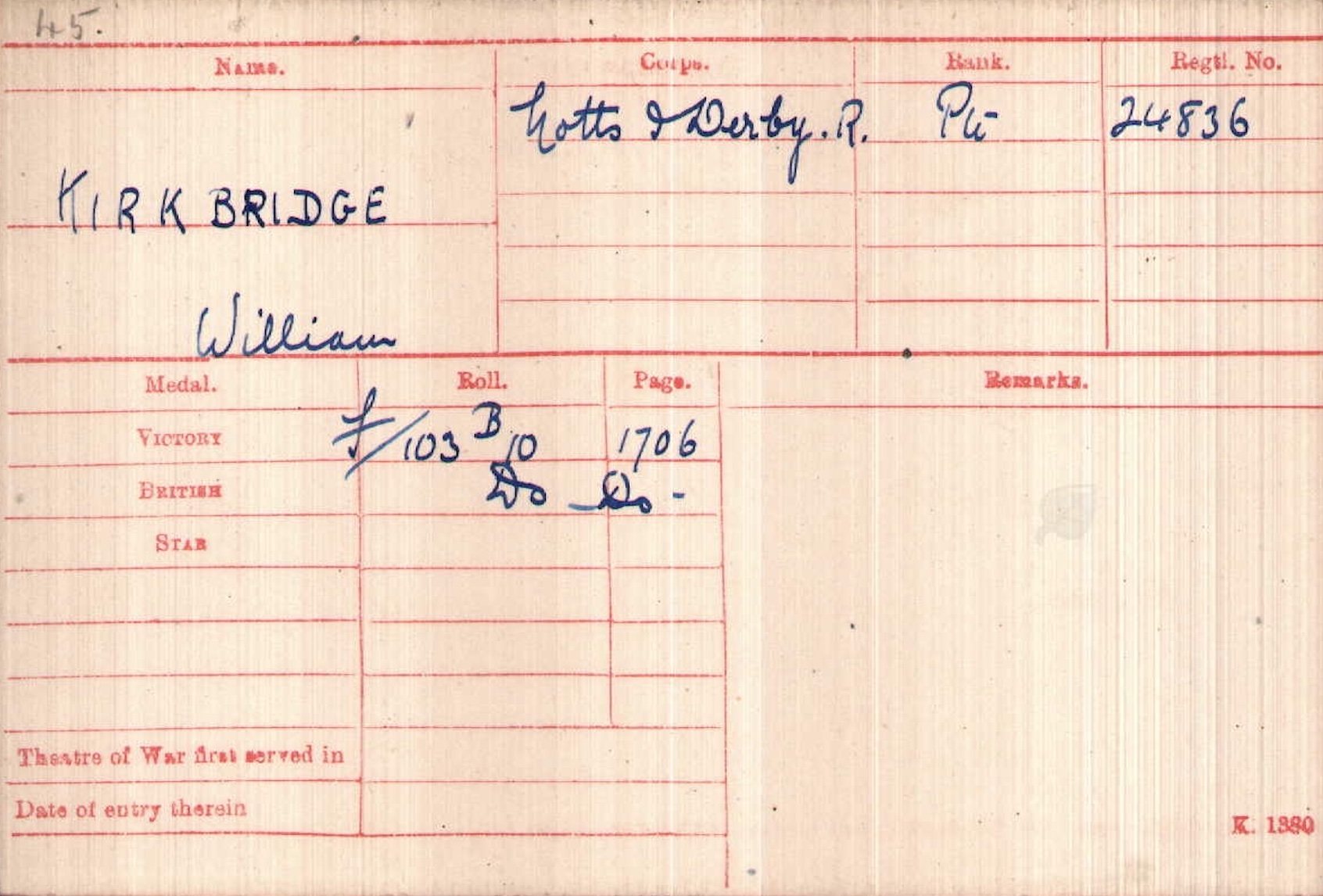
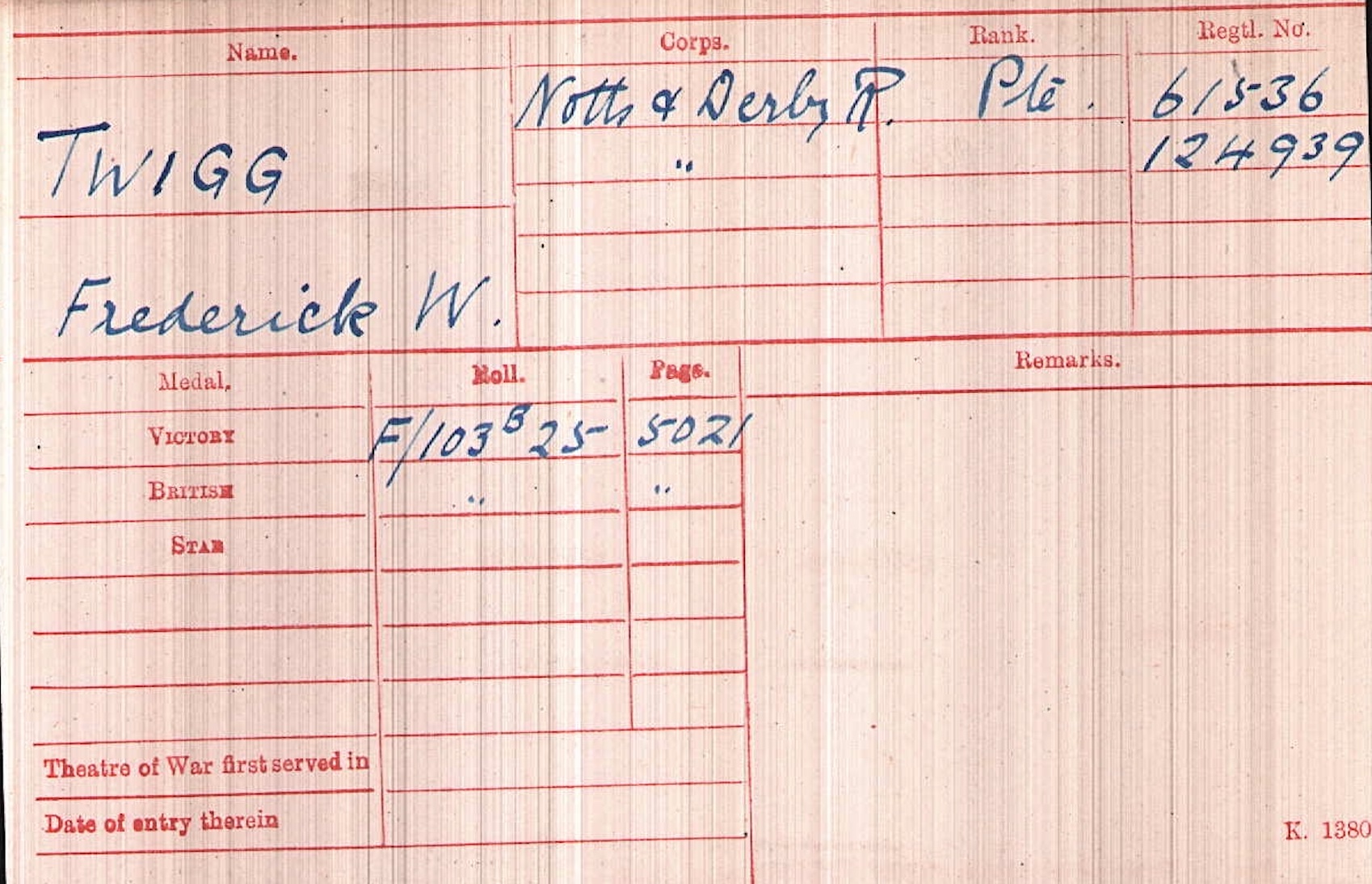
Medal Index Card
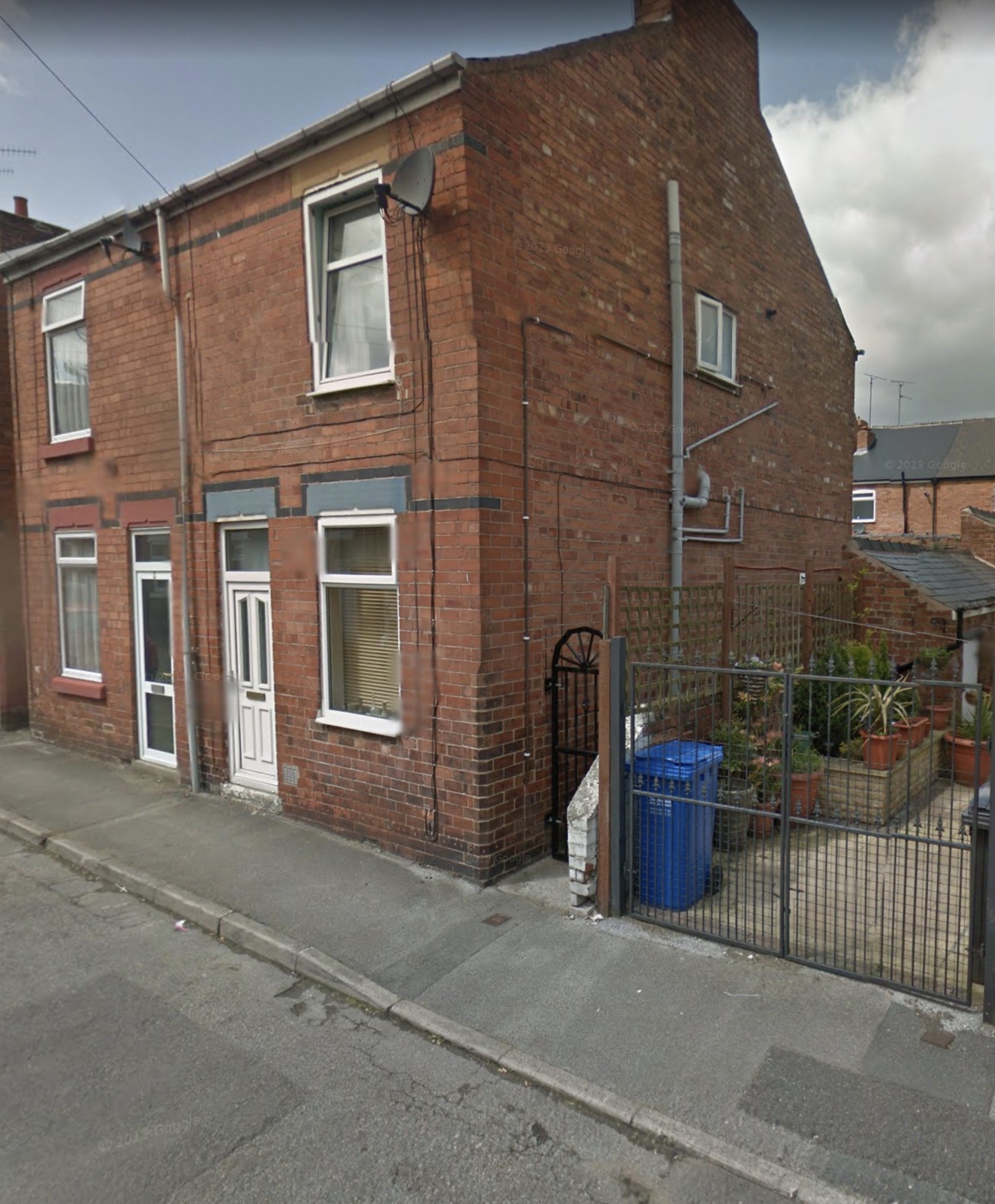
He was eventually discharged in September 1919 due to sickness. His pension record card states that he suffered from rheumatism that was attributable to his Army service. After the War he lived at 1 John Street in Brampton. Frederick died in 1960.
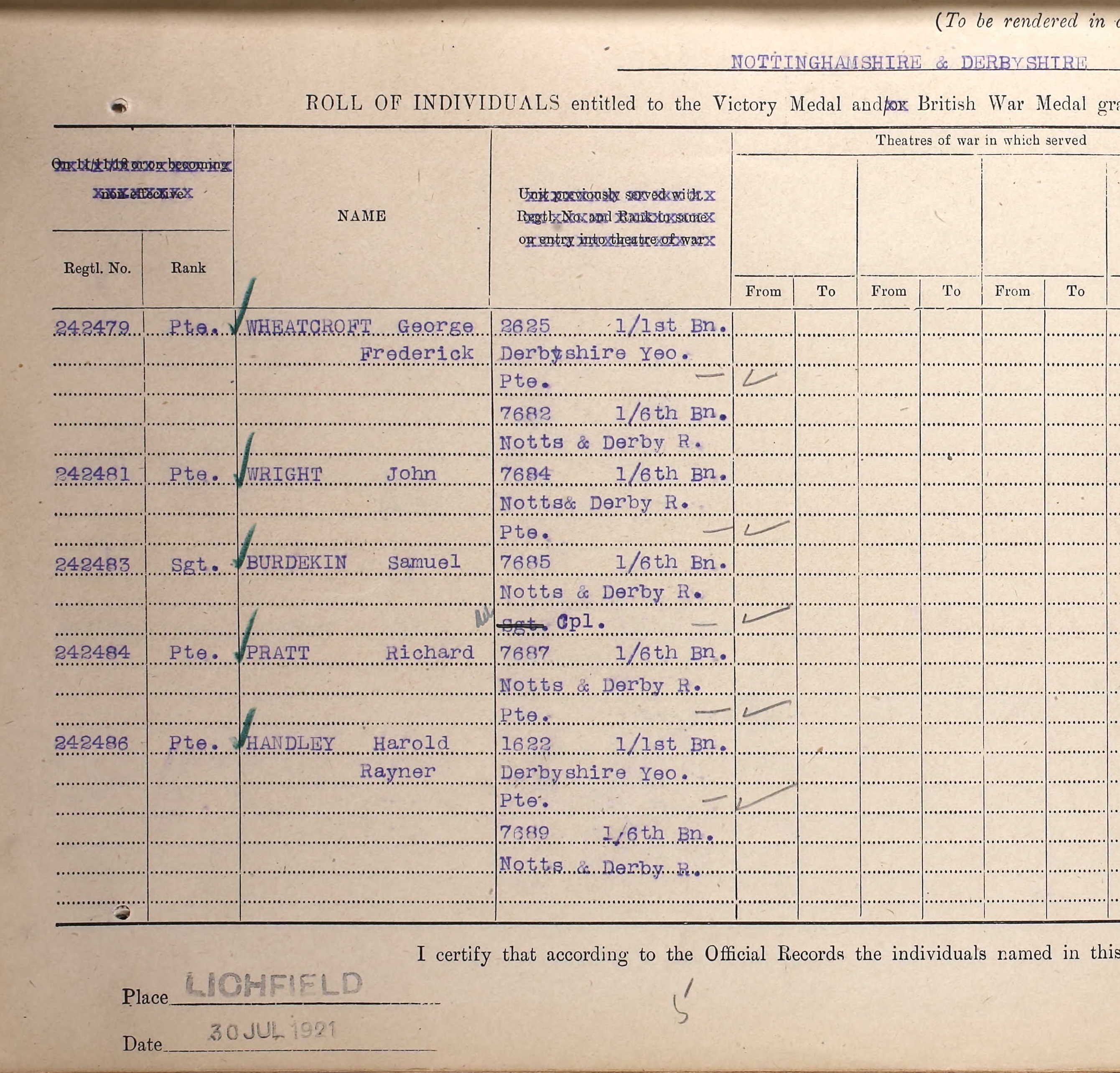
Leave extensionJohn Wright MICJohn Wright medal role
Amongst the other men granted leave extensions were:-
203731 L/Cpl William Davey – 11th Battalion – from Nottingham. William attested in December 1915 and was mobilised in April 1917. He was posted to the 5th Reserve Battalion for training. William arrived in France in October 1917 and was posted to the 11th Battalion. William was discharged in February 1919 and died in March 1923. His widow – Mabel Elizabeth – was awarded a pension,
Pension record
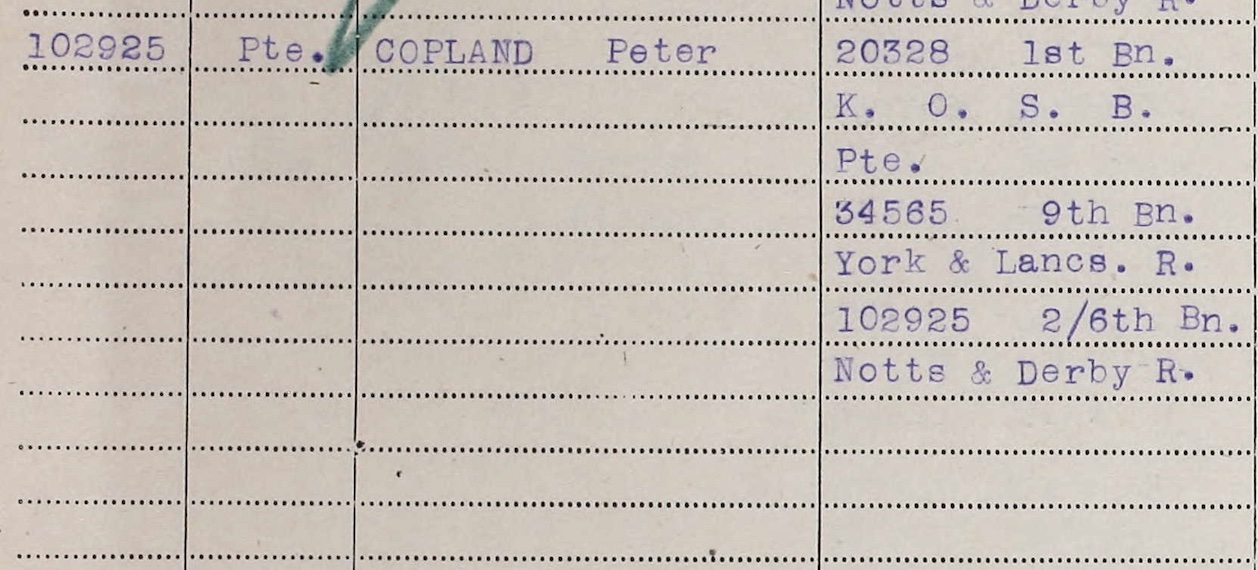
102925 L/Cpl Peter Copeland – 11th Battalion – actually served with the 2/6th Battalion after transferring from the KOSB in Spring 1918.
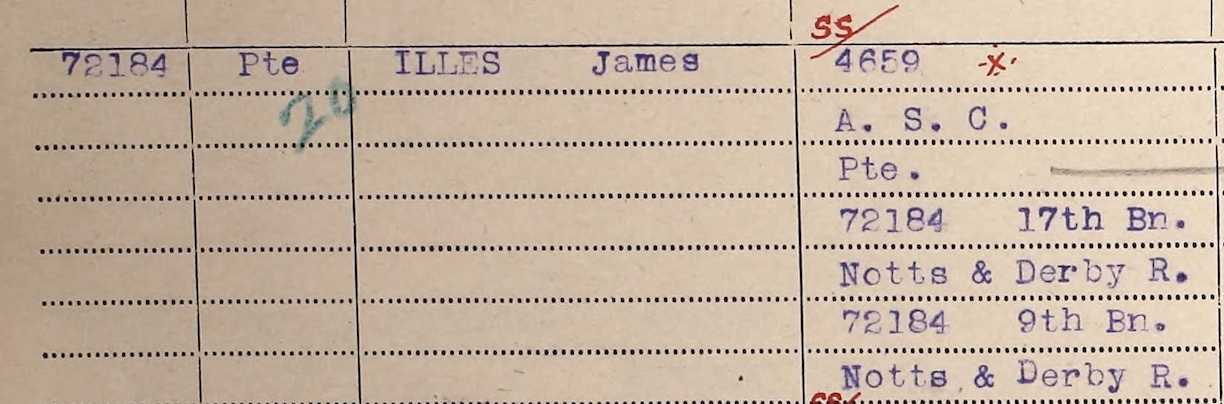
72184 Pte James Isles – 9th Battalion – James had previously served with the ASC and 17th Battalion (Welbeck Rangers).
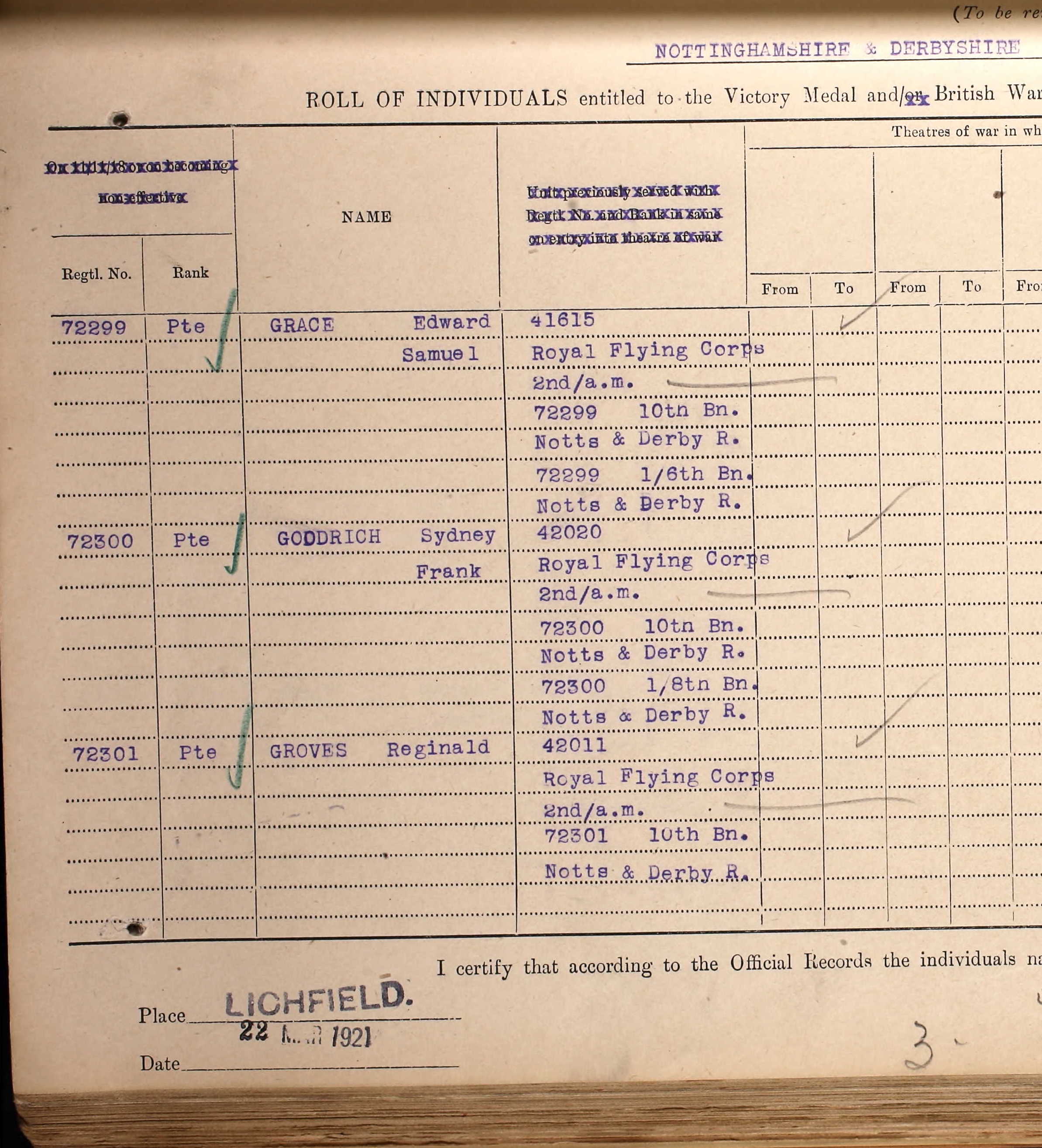
Samuel was one of approximately 93 men who were transferred to the 10th Battalion Sherwood Foresters from the Royal Flying Corps [date currently unknown]. He was subsequently posted to 1/6th Battalion.
His Medal Index Card records that he served overseas with the Royal Flying Corps before his transfer.
Medal Index Card
Medal Role
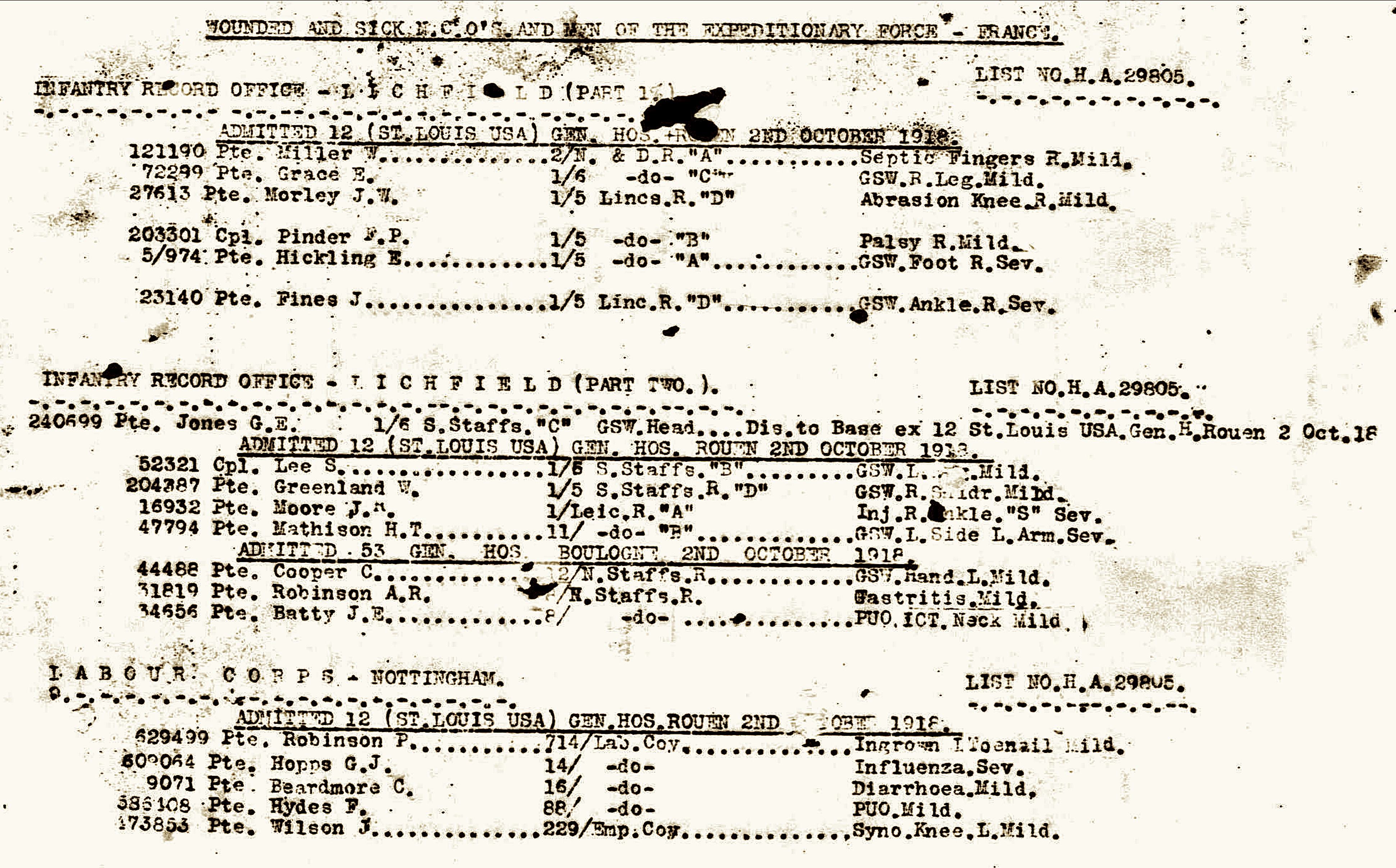
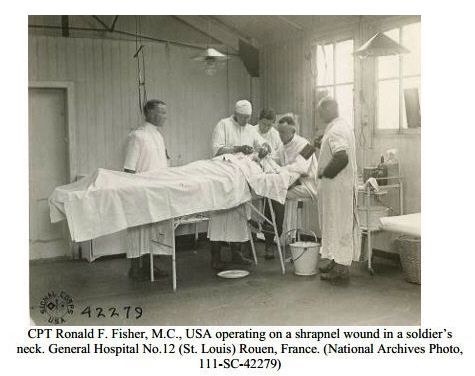
Edward appears on a wounded and sick list [H.A.29805], which records that he was admitted to the 12 (St Louis USA) General Hospital in Rouen on the 2nd October 1918. It is most likely that he was wounded during the 46th North Midland Division attack o the Hindenburg Line – see here.
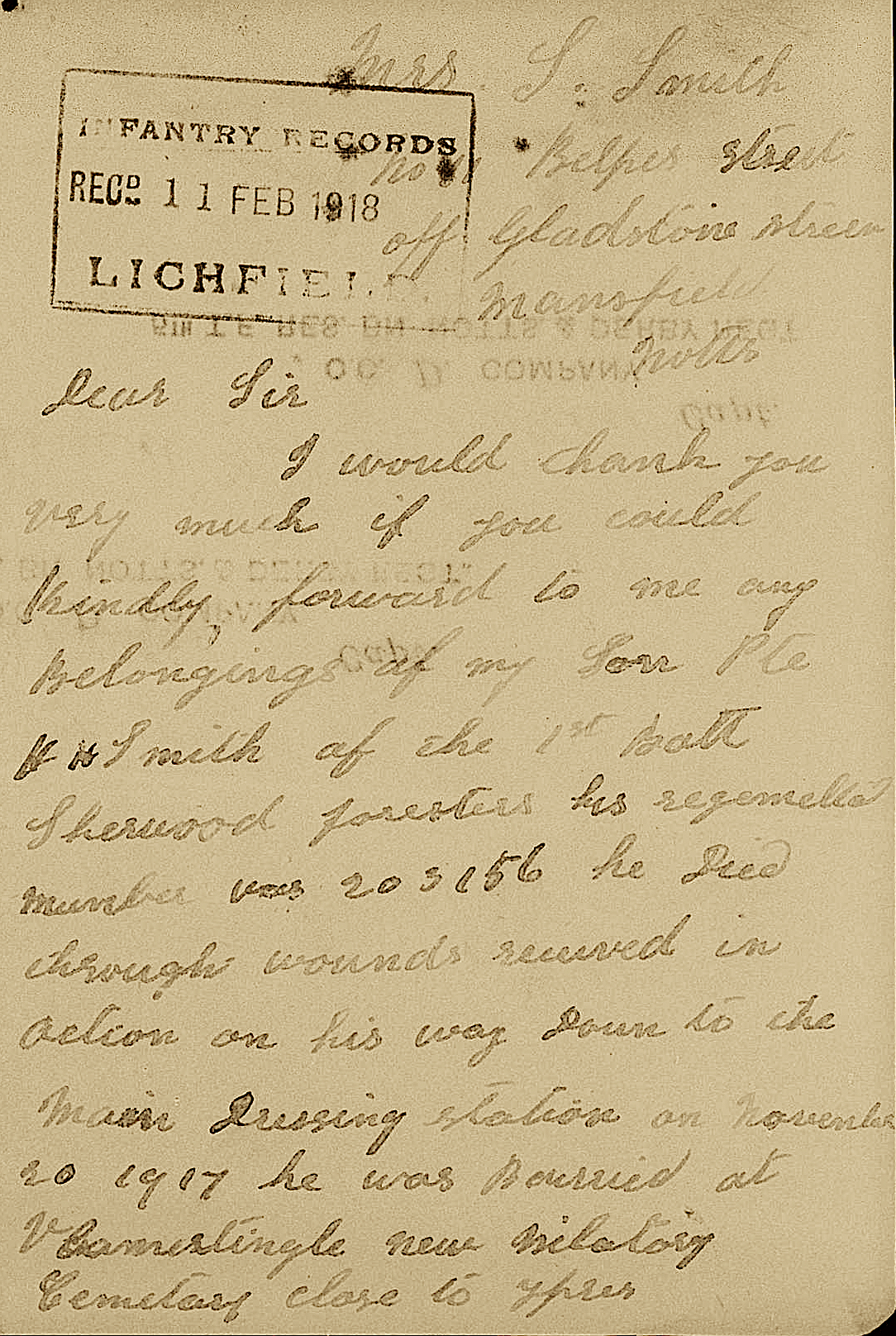
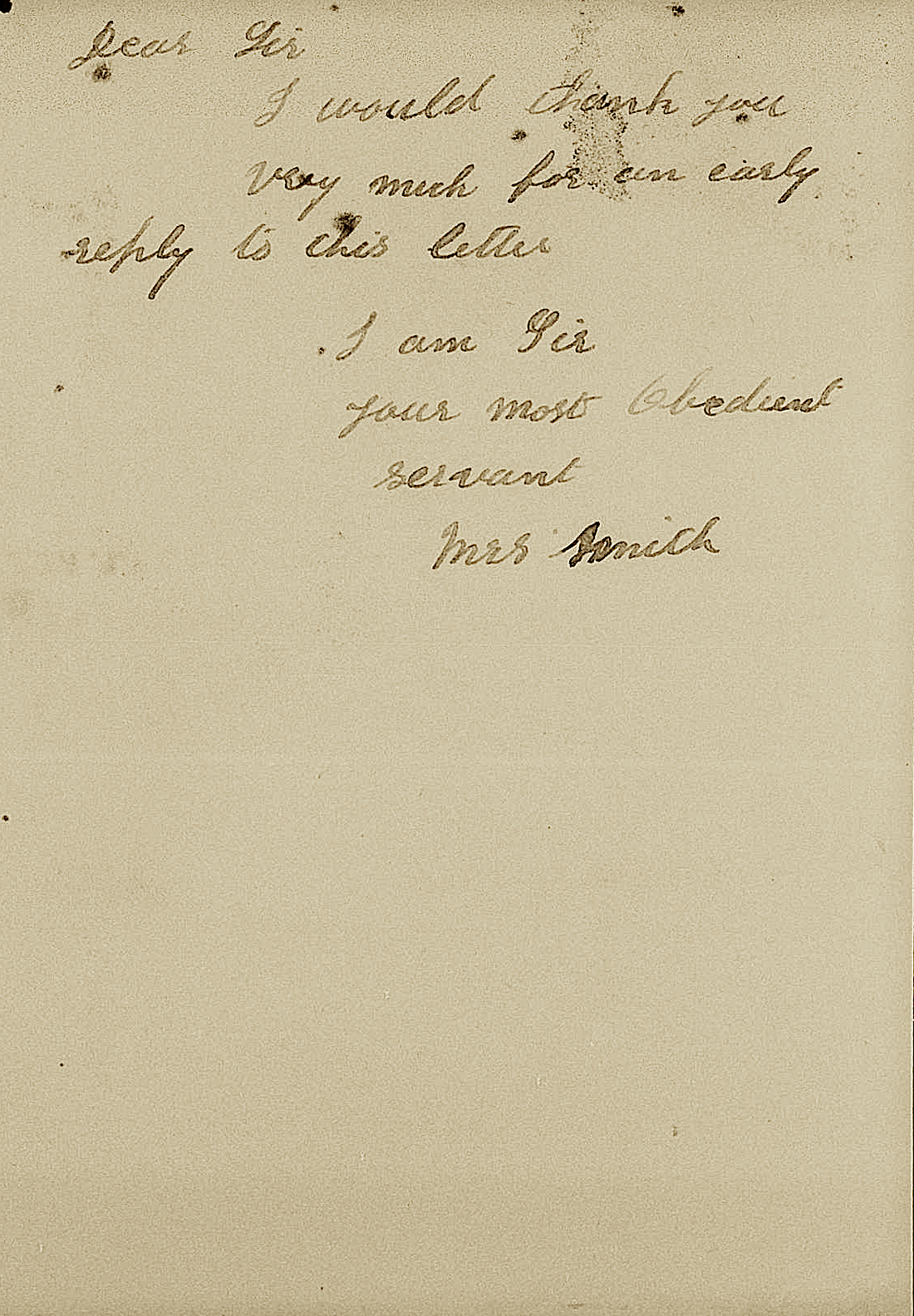
A very poignant letter from the mother of Herbert Henry Smith from Mansfield to the War Office and received on the 11 February 1918
“Dear Sir, I would thank you very much if you could kindly forward to me any belongings of my son, Pte HH Smith of the 1st Batt Sherwood Foresters……..he died through wounds received in action on his was way down to the main dressing station on November 20 1917”
Register of Soldiers effects
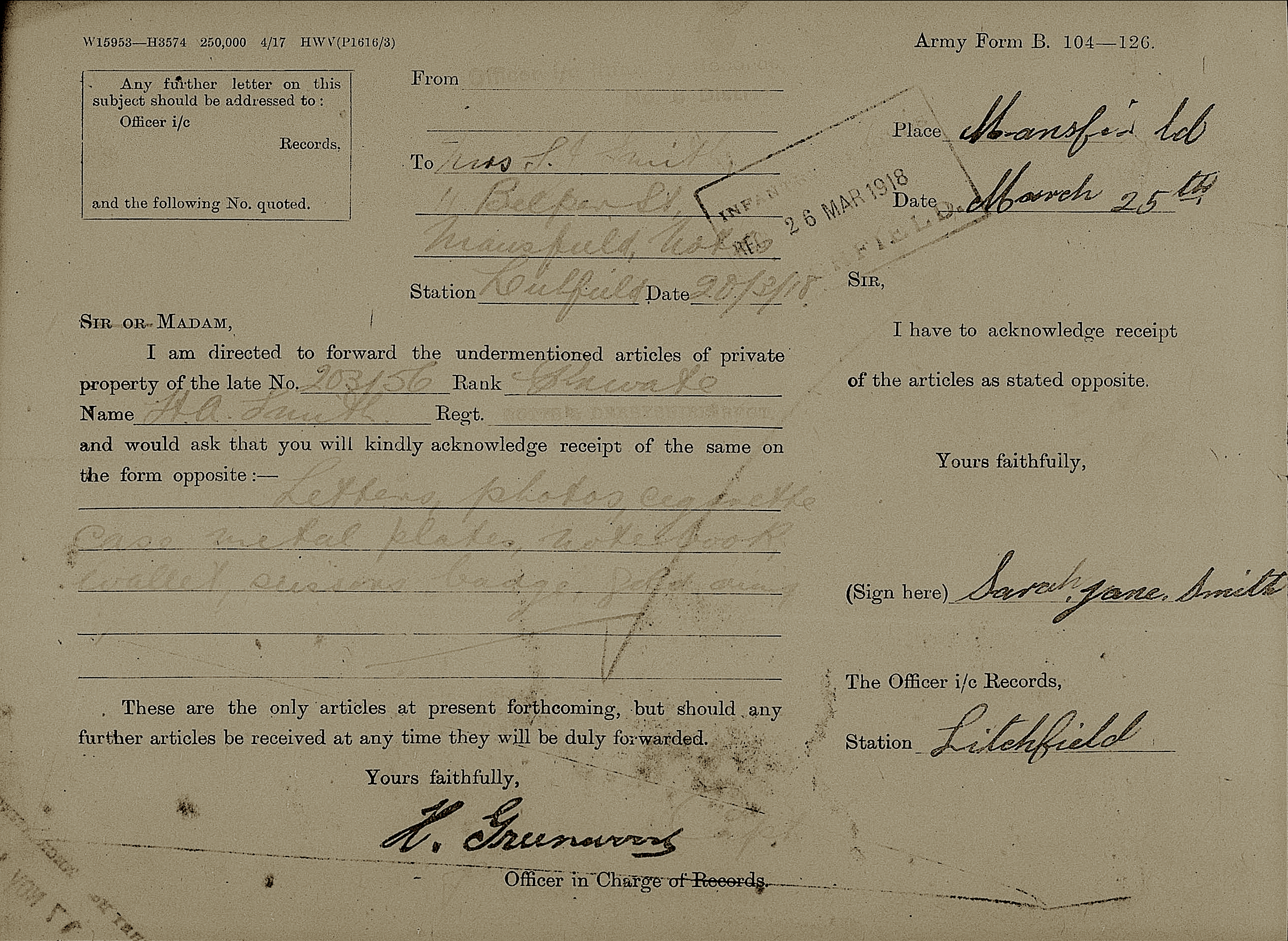
The Infantry Records Department of No. 6 District (Lichfield) were not instructed to dispatch Hebert’s belongings to Sarah (his mother) until 15th March 1918 and she finally received them around 25th March.
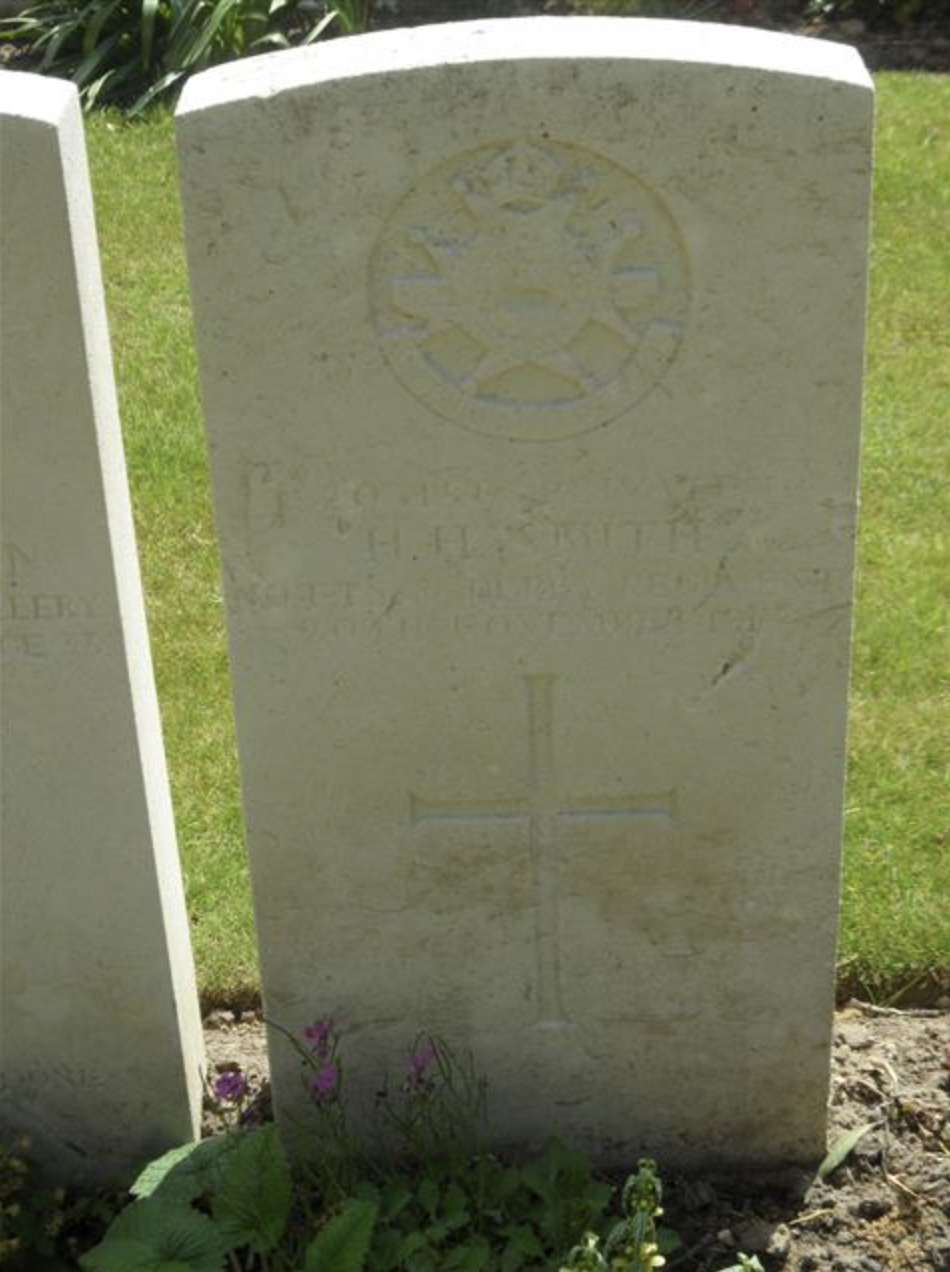
Army Effects Form – 118AArmy Form B. 104 – 126Herbert’s Grave
Herbert is buried in Vlamertinghe New Military Cemetery and Commemorated on St Lawrence the Martyr Roll of Honour.
Roll of HonourPension Record
Sarah Jane Smith received a pension for the loss of her son.
Herbert’s Service with the Sherwood Foresters
Herbert was called up for Service on the 16th November 1916 and posted to the 5th Reserve Battalion, The Sherwood Foresters two days later. Following training in Saltfleet he embarked for France on the 4th October 1917 and arrived at the 14th Infantry Base Depot. He was posted to the 1st Battalion and joined them ‘in the field’ on the 18th October.
At the time of his death the 1st Battalion were holding the front line trenches near to Bellevue and were being heavily shelled. During the month of November the 1st Battalion lost 2 Officers and 21 other ranks killed, 63 other ranks wounded.
War Diary for entry for November 19171st Battalion casualties for November 1917 and the commutative total to date
Samuel’s Army Service Record services and it is recored that he was transferred to England on the 26th June 1918 and discharged later that year. This would date the list to June 1918.
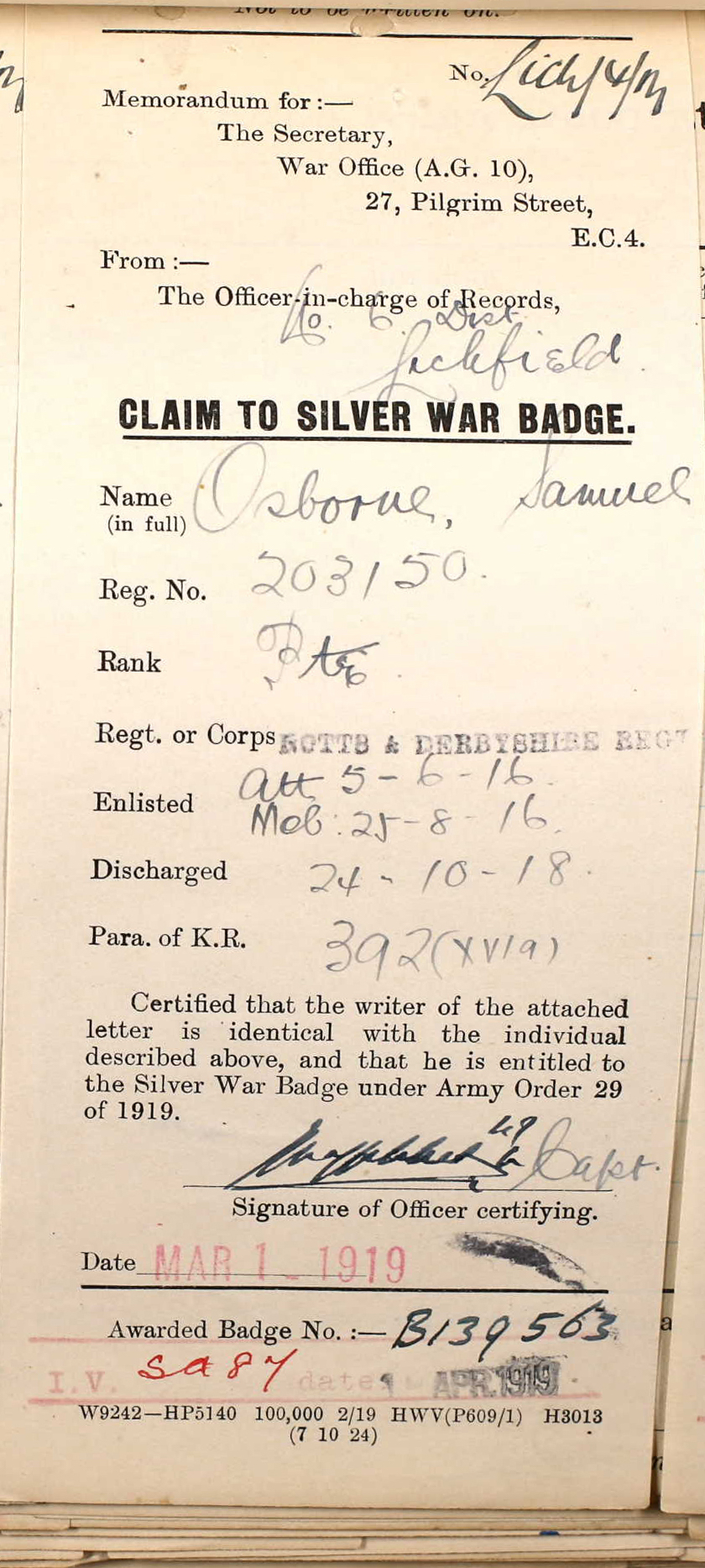
Army Service Record
Victory Medal, British War Medal and Silver War Badge
This is a first for me…..having looked through 1000s of service records for men of the 1/6th and 2/6th Battalions, the Sherwood Foresters, this is the first record of a numbered reinforcement to the 2/6th Battalion.
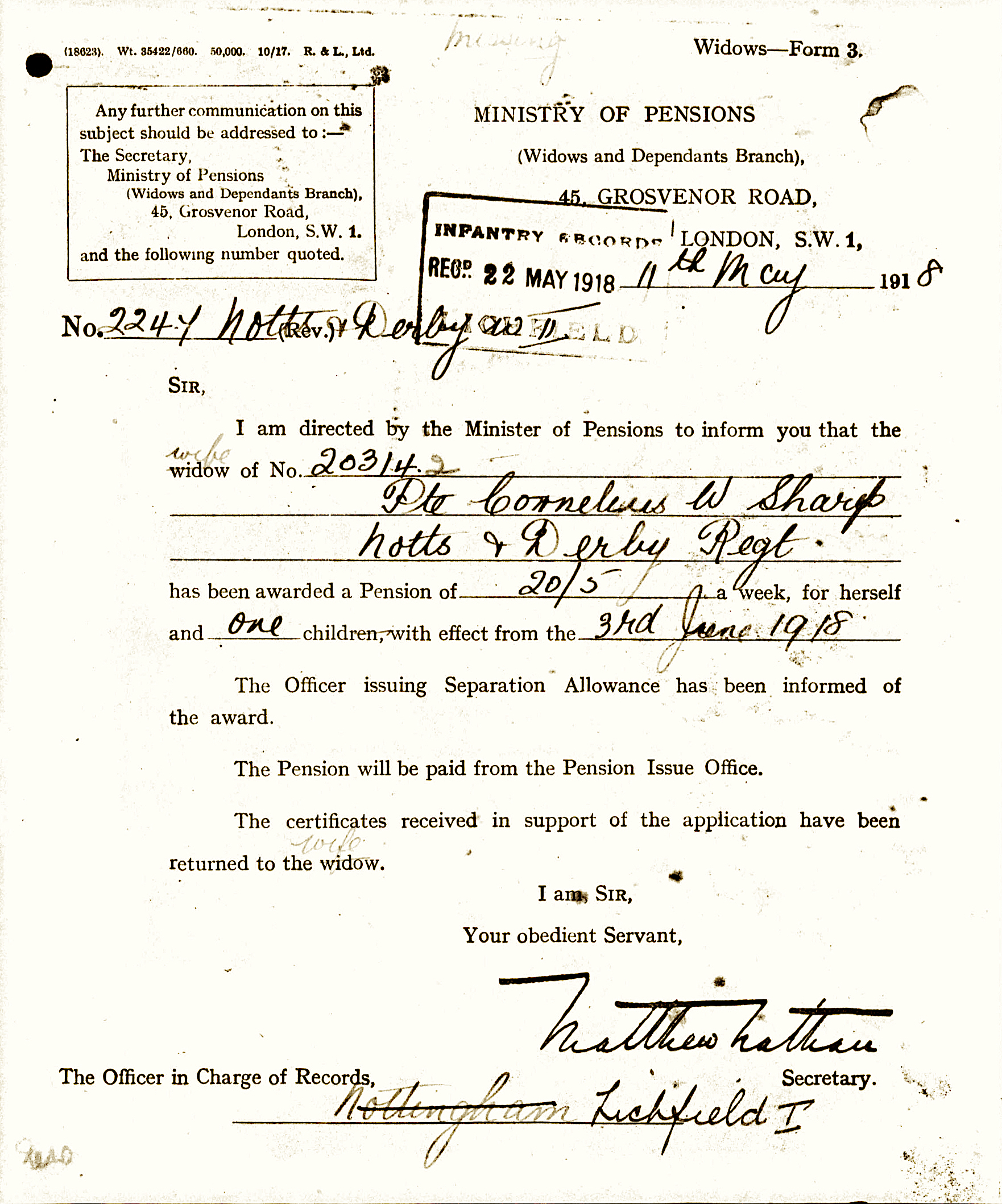
203142 Private Cornelius William Sharp, a 28 year old lace maker from Nottingham attested in December 1915. He was mobilised in November 1916 and posted to the 5th Reserve Battalion in Louth.
After basic training he embarked for France on 19 July 1917 as part of the 7 Reinfocemt [sic] for the 2/6th Battalion.
Cornelius was posted missing in action on the 27th September 1917 following an attack on Passchendale Ridge – see here – he was one of 26 men missing that day.
He was the son of William and Louisa Sharp and the husband of Edith (née Foster) Hardy (formerly Sharp). In 1911 they lived at 5 Furlong Terrace Middle Furlong Road Meadows Nottingham. He was the father of Ida May Sharp.
*By ‘original’ I mean before Conscription started and they were issued with Territorial Force Regimental numbers
Undated sick and wounded list
240627 Sergeant Joseph Hughes
Joseph Hughes was a print works labourer from Birch Vale, near New Mills in Derbyshire. Joseph married Sarah and they had three girls; Dorothy (b 1907), Annie (b 1908) and Gertrude (b 1910). He enlisted in October 1914 and most likely arrived in France with the 2/6th Battalion in February 1917. He only served overseas with the 2/6th Battalion. According to the sick list (above) he suffered from slight myalgia (muscle aches and pains).
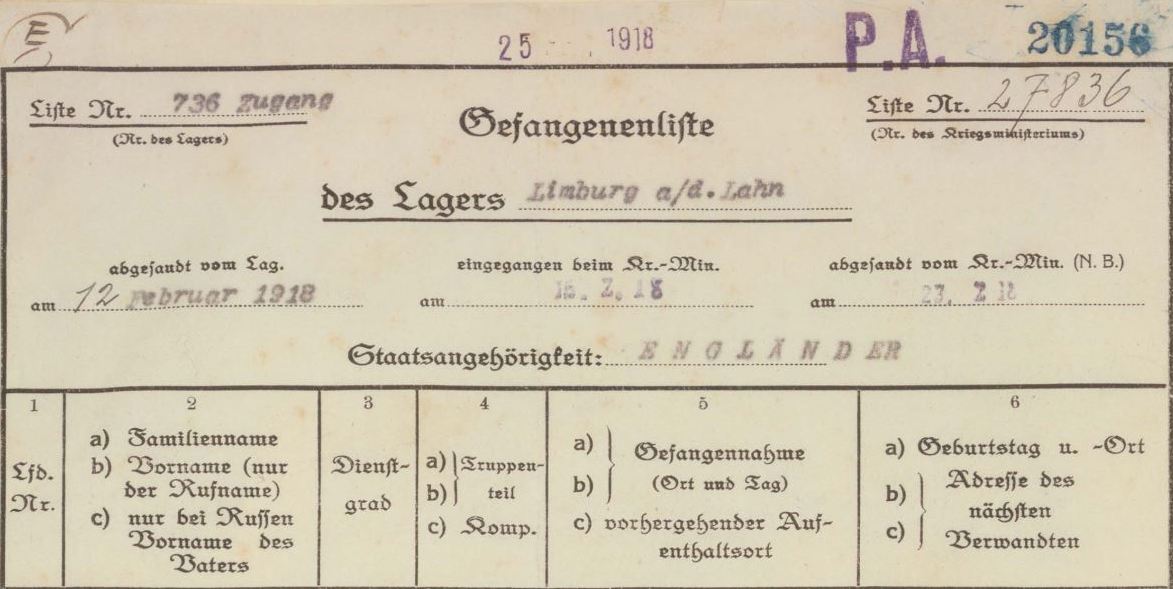
Limburg Camp RecordJoseph’s record recording his wounding
Joseph was later captured on the 4th December 1917 during the Battle of Cambrai and interned in Limburg POW Camp.
Silver War Badge Roll
Joseph was discharged in May 1915 aged 32 and received a pension.
2/6th Battalion Reunion held at Bakewell in 1935
It is possible that Joseph attended the reunions of the 2/6th Battalion held in Bakewell during the 1930s. Joseph died in July 1963.
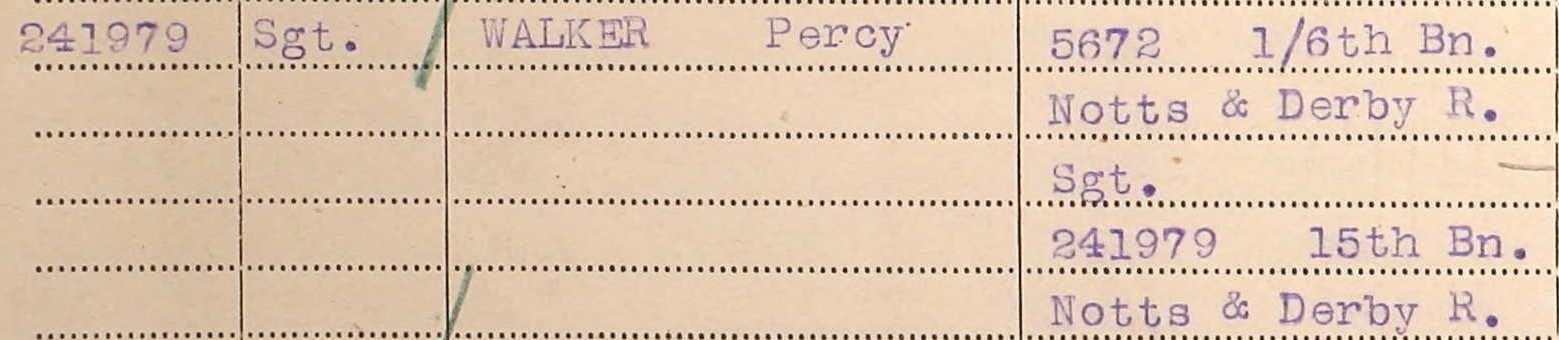
241979 Sergeant Percy Walker
Medal Index CardMedal Role
Percy Walker enlisted in July 1916 and was posted to the 1/6th Battalion in France in August 1916 according to his Medal Index Card. He would later serve with the 15th Battalion and was wounded (GW) with VI(I) [gunshot wound of back and spine (simple flesh contusions and wounds)] and IX(I) [gunshot wounds of lower extremities (simple flesh contusions and wounds)] – see ‘wounded and sick’ list above.
Record of the 31 Ambulance Train for May 1917
The undated ‘sick and wounded list’ ties in with the 7th-12th May 1917 record of the 31 Ambulance Train (above), which conveyed Percy Walker from Nesle to Rouen on the 12th-13th May 1917. Note: from April to June 1917 Nesle was the site of No. 21 Casualty Clearing Station.
15th Battalion War Diary – May 1917
At the time of his wounding the 15th Battalion were holding the front line and support trenches.
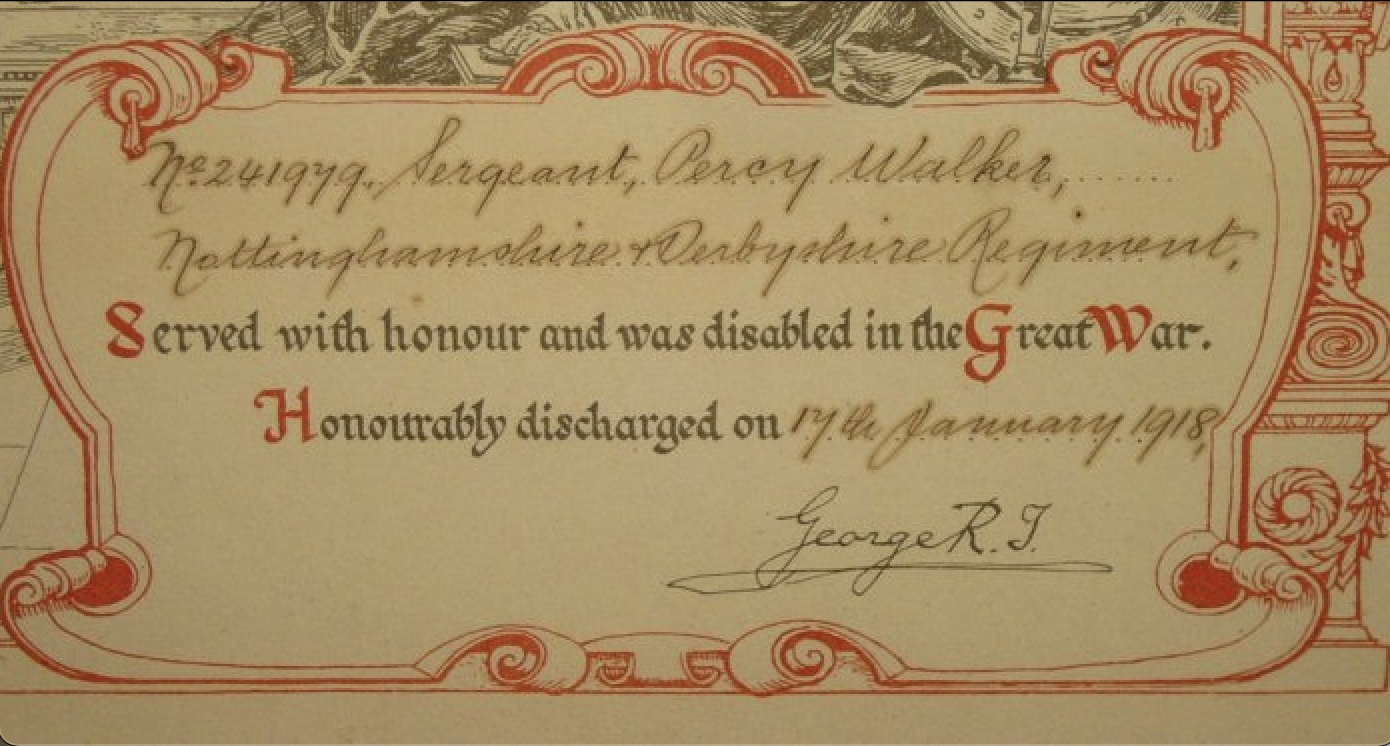
King’s Certificate of Discharge for Percy Walker (authors collection)
Percy was discharged in January 1918 aged 35 years and was awarded a Silver War Badge and a King’s Certificate of Discharge. He also received a pension.
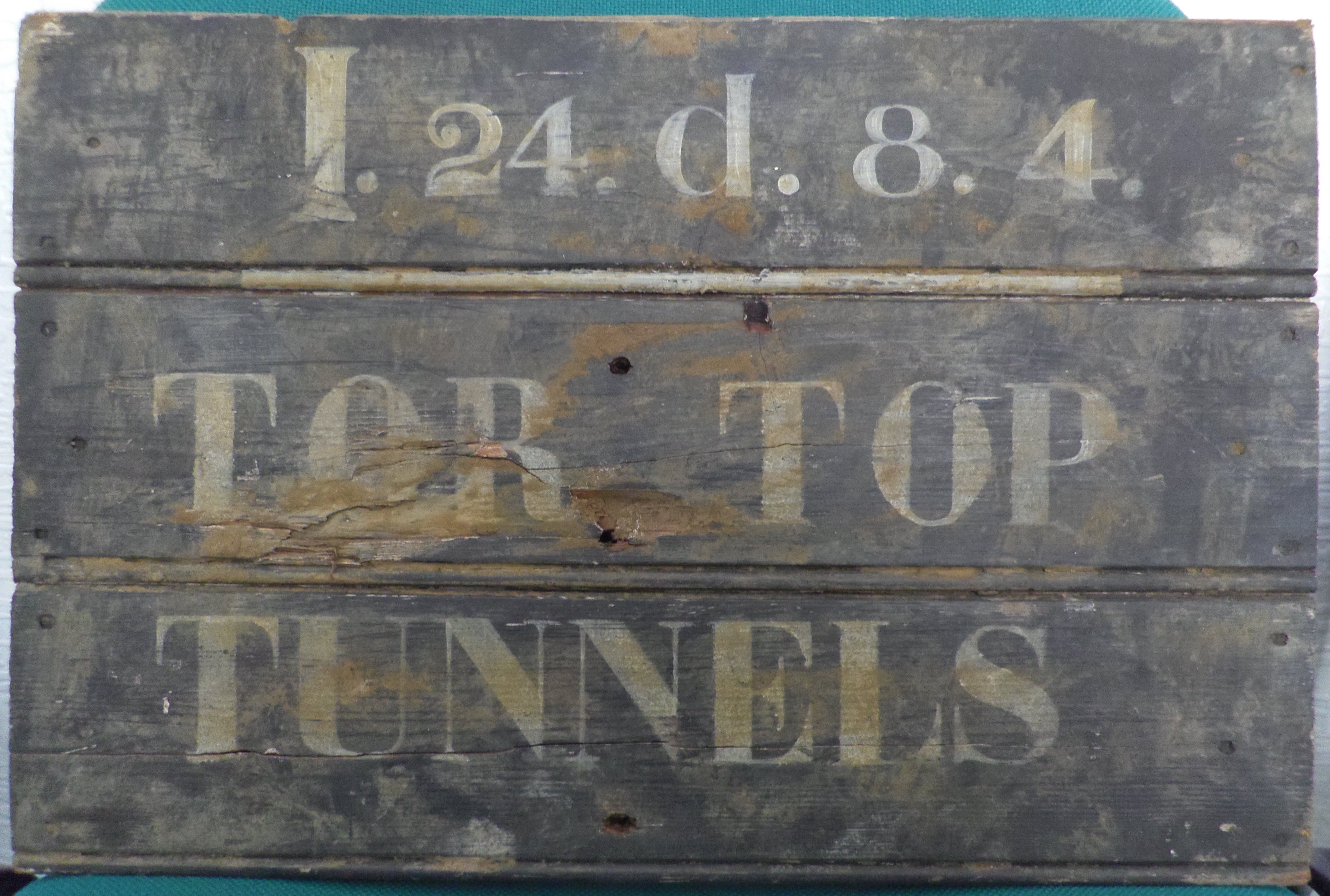
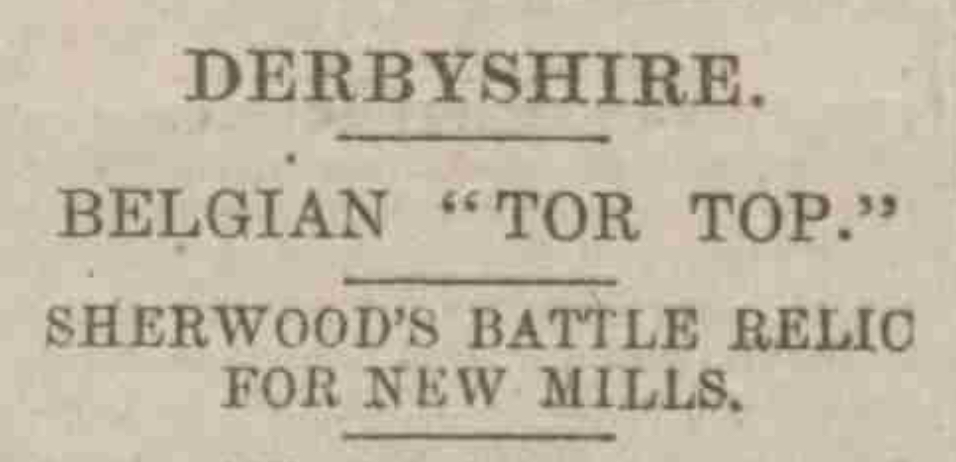
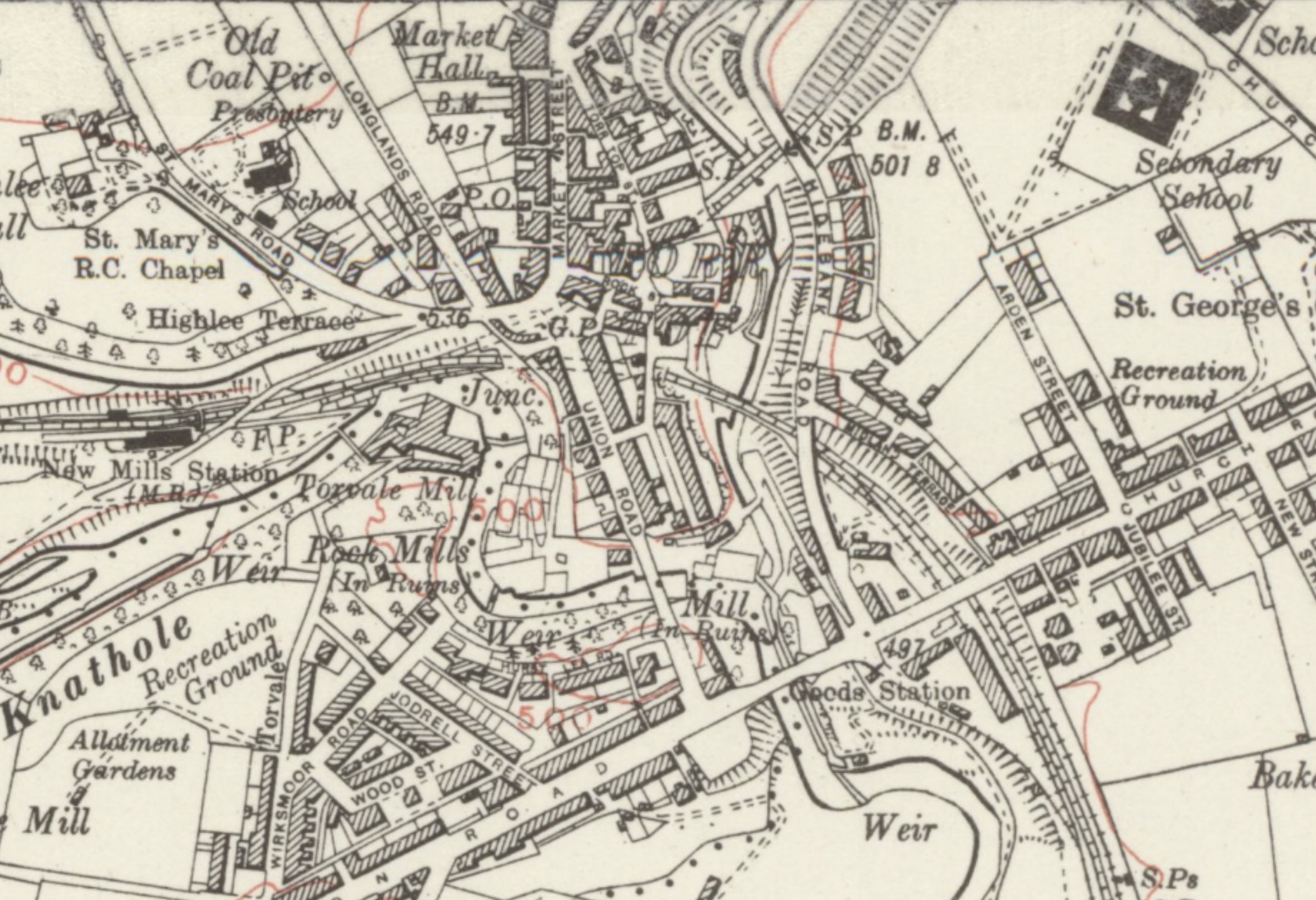
‘Tor Top’ notice boardSheffield Telegraph, December 6 1918Tor Top headlinesColonel Godfrey Goodman
In New Mills there is a spot known as ‘Tor Top’, and at yesterday’s meeting of the New Mills District Council a highly interesting letter was read from Brigadier-General Goodman, D.S.O., of the Sherwood Foresters, who wrote from France to the Chairman as follows:-
“I have obtained from the battlefield a notice-board of ‘Tor Top’, which I shall be glad to present to your Council if they care to have it.
‘Tor Top’ notice-board presented by Godfrey Goodman
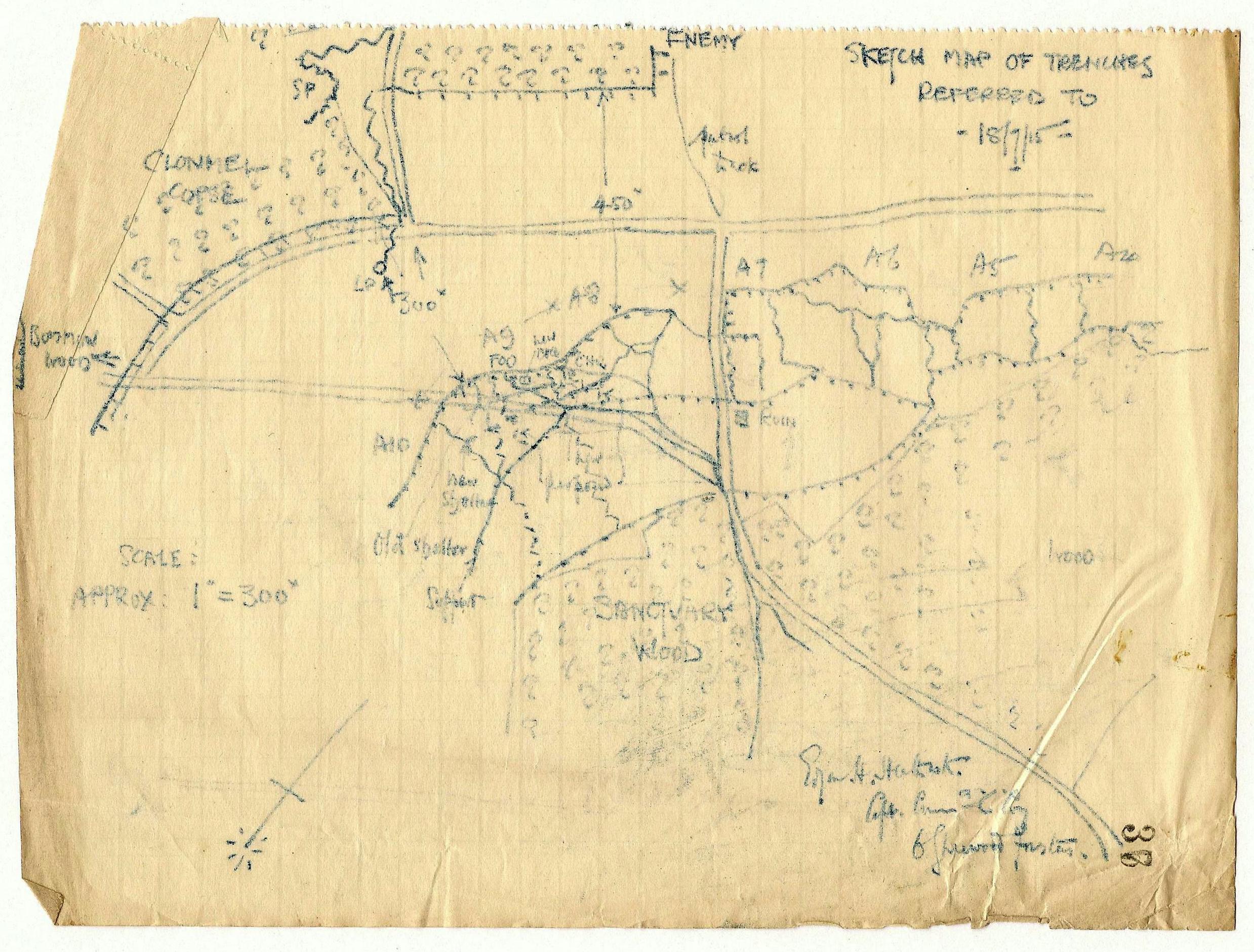
” ‘Tor Top’ is known to a large part of the British Army, and is the highest point of a low ridge, 5,000 yards south-east of Ypres, in Belgium, on the southern side of the well-known ‘Sanctuary Wood’. The front line British trenches ran just east of the ridge after the second battle of Ypres, and in the summer of 1915 were held by the 6th Battalion Sherwood Foresters under my command.
Hand drawn map of Santuary Wood by Captain EH Heathcote O/C ‘B’ (Chapel-en-Le- Frith) Company, 6th Battalion Sherwood Foresters; Torr Top is approximately at Trench position A8
The highest point was occupied by letter B Company and was named by the New Mills platoon ‘Tor Top’. Other names have vanished, but this has remained to the present time, and appears on the military maps.
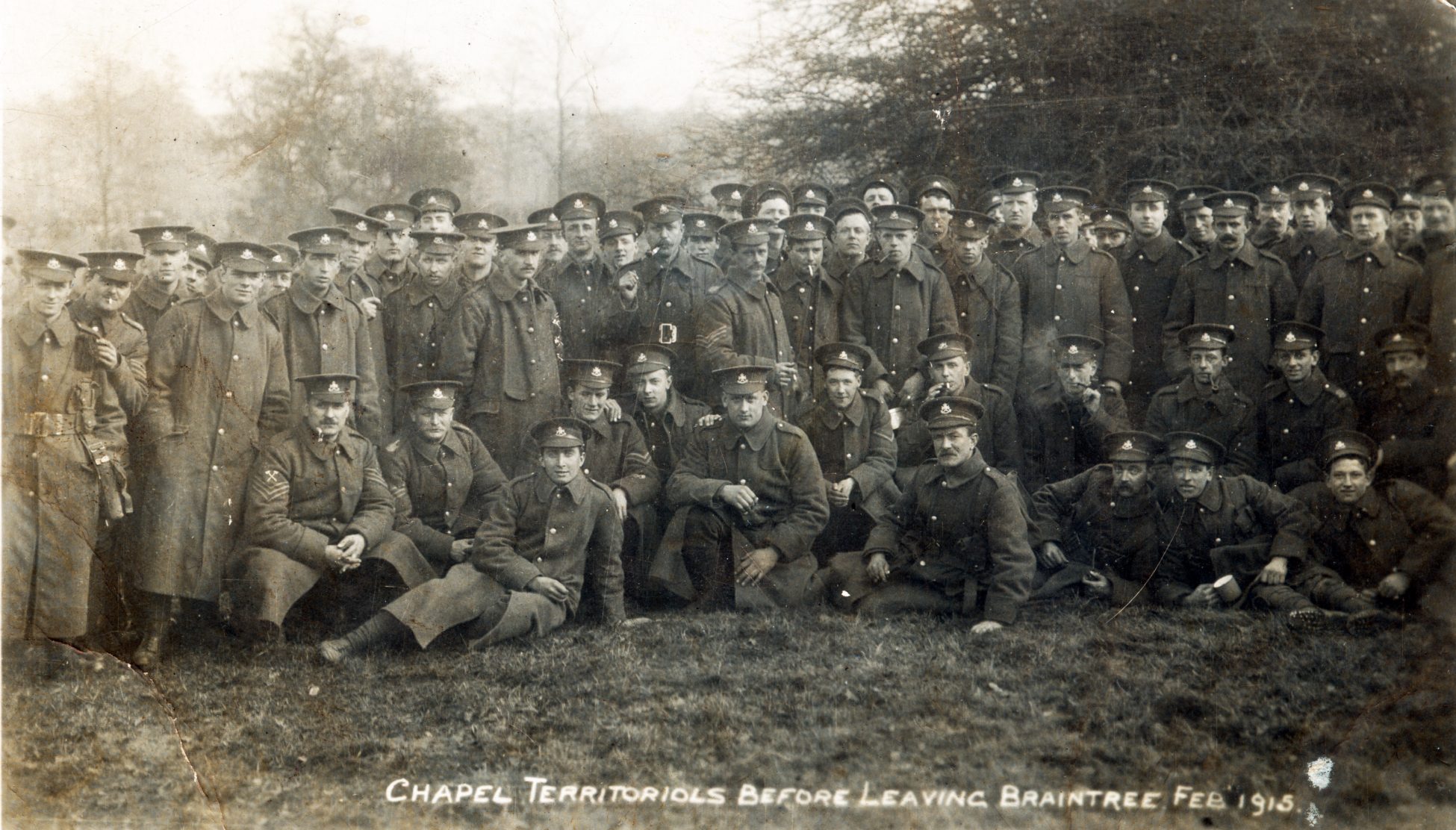
Men of Letter B Company before they left for France in February 1915‘Tor Top Tunnels’ are clearly marked on a Trench Map from May 1918
“This Belgian ‘Tor Top’ has experienced several changes of fortune. In 1916 the enemy captured it, after an intense bombardment, from the Canadians, who later regained it by a gallant attack.
Canadian trench map from June 1916
“By a coincidence on the 31st July 1917, in the third battle of Ypres, my Brigade attacked from the ‘Tor Top’ position, and captured the enemy’s trenches to a depth of 1,000 yards. In April of this year the ground had to be evacuated owing to the pressure of the enemy’s offensive farther south, and ‘Tor Top’ was not recovered until the 28th September last, when the second Army attacked with such success.
Maple Copse near to Sanctuary WoodSanctuary Wood in 1919
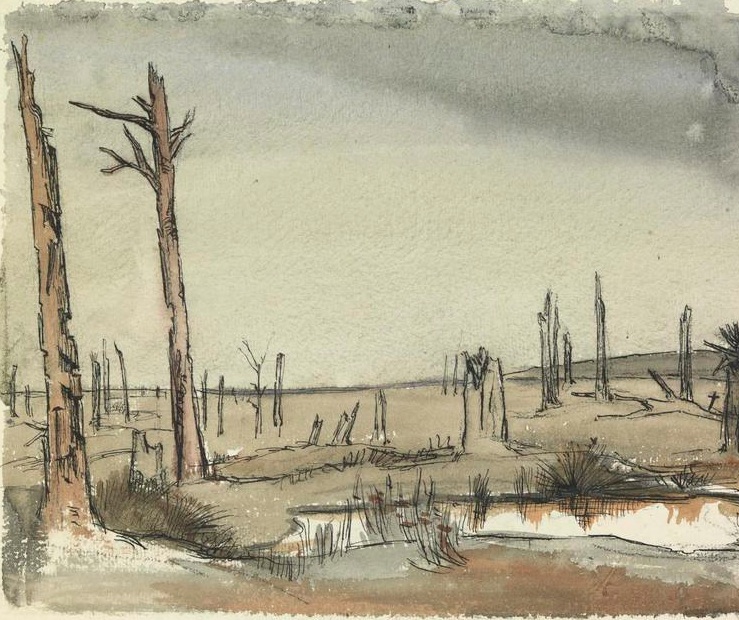
“The surrounding country presents a scene of desolation that defies description. The ground has been ploughed over many times by shells, and for miles, in a once wooded country, no sound tree is standing. Many isolated groves are scattered up and down, and many more have been obliterated. Along the ridge is what was once a fine series of tunnels constructed by Canadian engineers, and known as ‘Tor Top Tunnels’
“The notice board was used to mark the tunnels, and on it is the map reference of the position. It is a battle relic that would be interesting to the members of my old Battalion, and perhaps more particularly to New Mills.”
“The Chairman had written accepting the interesting battle relic, which with its history would be permanently preserved, and congratulating Brigadier-General Goodman on the part taken by him and the troops under his command in the attainment of the great victory.”
“The Council decided to convene a public meeting to consider a memorial to the two hundred soldiers who have fallen from this district.”