No record in the War Diary [WO/95/2694]
Oct 31st. Communion 8 a.m. church parade 10 a.m. Nothing else doing. Dull & rain at intervals.
[3289 Pte George William Beardsley]
No record in the War Diary [WO/95/2694]
Oct 31st. Communion 8 a.m. church parade 10 a.m. Nothing else doing. Dull & rain at intervals.
[3289 Pte George William Beardsley]
30.10.1915 Bethune: Temporary Lt. K. H. Bond joned for duty. Draft of 15 NCOs and men arrived from No. 2 Entrenching Battalion.
War Diary [WO/95/2694]
Oct 30th. Running 9 to 9-30, then instn in signalling till 12 & also from 2 till 3 p.m. Others had route march in morning & kit insp at 2-30 p.m. Paid 10 frs afterwards. Dull again.
[3289 Pte George William Beardsley]

Amongst the men who joined the Battalion on this day was 3035 Pte. John Warren a miner from Clay Cross. John had originally enlisted into the 6th Reserve Battalion in October 1914 aged 31. He transferred to the 1/6th Battalion on the 26th June 1915 and arrived in France 3 days later. He was initially posted to the Entrenching Battalion and promoted to Acting Corporal.
29.10.1915 Bethune: 2nd fatigue party relieved.
War Diary [WO/95/2694]
Oct 29th. Rose at 8 a.m. Bathing parade 10 a.m. went to margarine factory – warm water in tubs. Enjoyed it. 12 till 2 p.m. instruction in signalling – others bayonet fighting etc. Fatigue party retd 2-30 p.m. rather dirty & went for bath 3-30 p.m. Dull but fine.
[3289 Pte George William Beardsley]
28.10.1915 BETHUNE: HM King inspected 1st Army. Battalion provided 1 full Company & 1 full platoon towards 139th Brigade representative Battalion, which was Commanded by Lt/Col.- G. D. Goodman. His Majesty’s horse reared and fell at inspection of Royal Flying Corps.
War Diary [WO/95/2694]
Oct 28th. Paraded at 7 a.m. Set off at 8 a.m. to Hesdigneul 10-30 a.m. Reviewed by H.M. King George V, Sir J French etc. Gave three cheers. Many troops present – great sight but unfortunately rain at intervals again. King injured later.
[3289 Pte George William Beardsley]
No record in the War Diary [WO/95/2694]
Oct 27th. Inspn by Colonel 10-30 a.m. Set off at 1 p.m. to Hesdigneul for rehearsal of review. Rain at intervals, & dirty under foot. Passed aerodrome.
[3289 Pte George William Beardsley]
Returned to England on this day
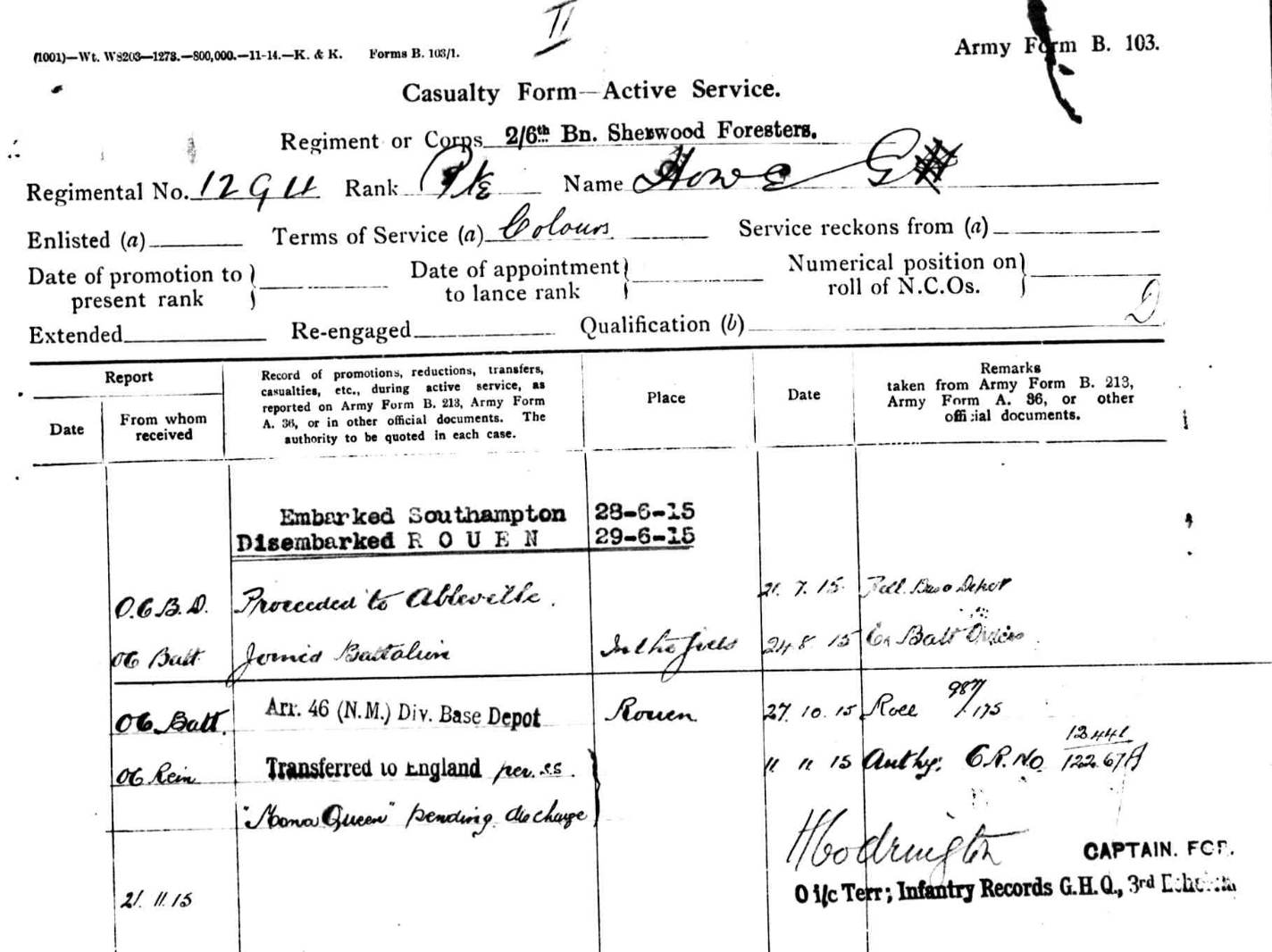
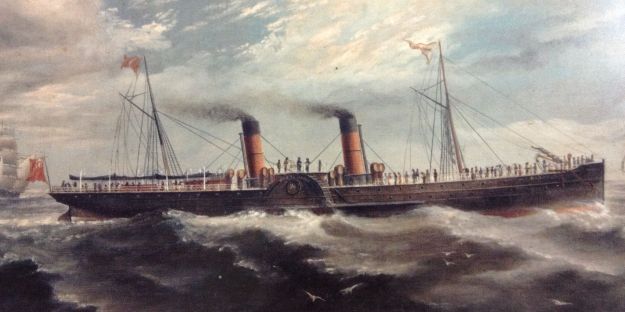
George Howe was an apprentice pattern maker from Clay Cross when he enlisted into the 6th Battalion in November 1910 and originally served with “G” Clay Cross Company. He arrived in France with the II Reinforcement in June 1915. He returned to England on the SS Mona Queen for discharge as ‘time expired’

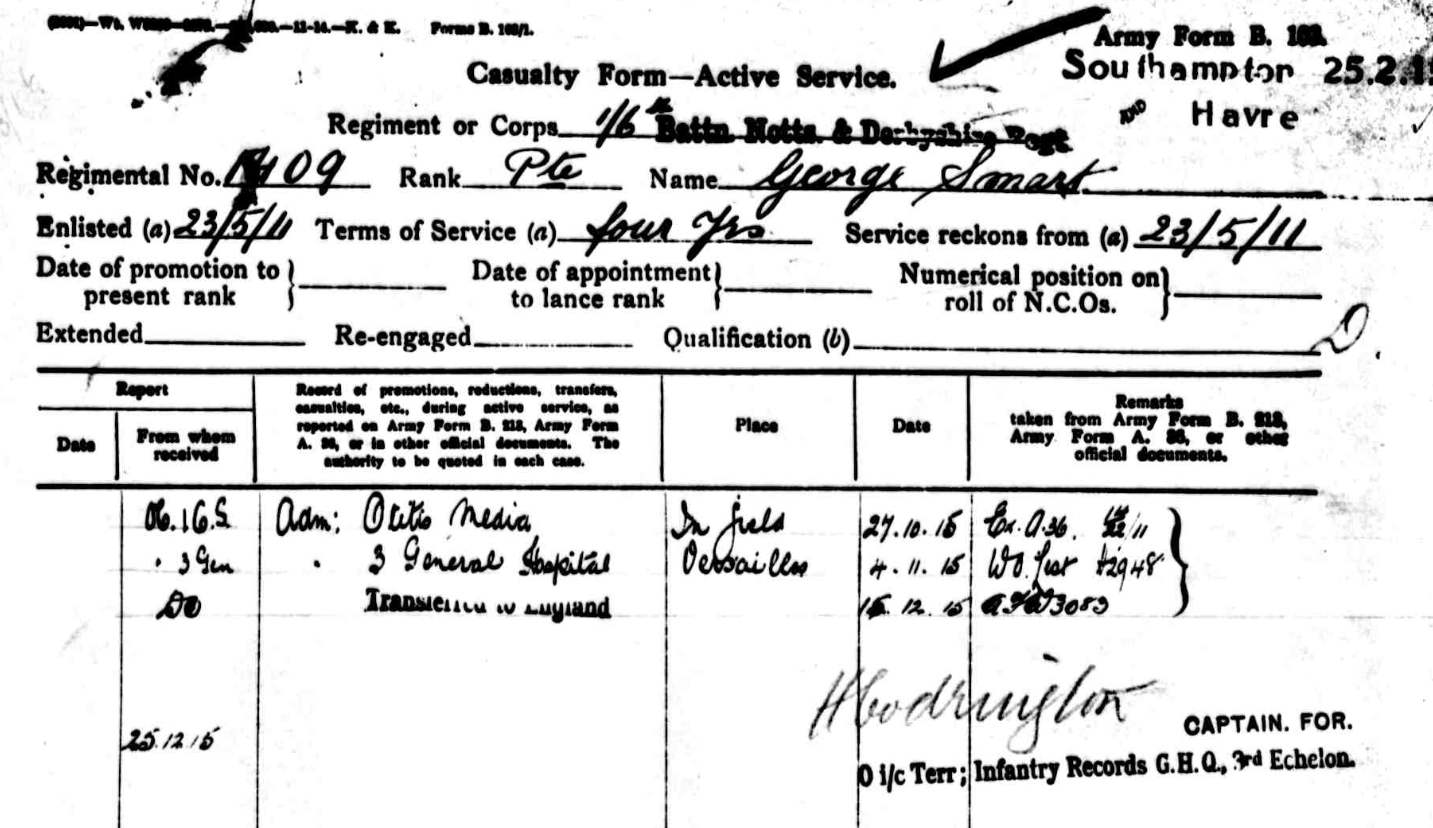
George Smart was an 18 year old miner from Clay Cross when he enlisted into the 6th Battalion in May 1911 and served with “G” Clay Cross Company. He arrived in France with the 46th Division in February 1915 and transferred to England with otitis media (inflammation of the middle ear). George later returned to France with the 6th Reinforcement in March 1916.
26.10.1915 LAPUGNOY: CAPT A. J. HOPKINS took Command of Battalion.
Battalion moved to new billets in BETHUNE.
Oct 26th. Rose about 8 a.m. Packed up in morning & set off at 1-30 to Bethune. Got there about 4 p.m. & were billeted in estaminets – fairly comfortable. Nice day
[3289 Pte George William Beardsley]

Benjamin Stubbins suffered from varicocele and was admitted to the 3rd Stationary Hospital in Rouen and then two months later to the 6th General Hospital. Hi was finally discharged to the 6th Depot on the 14th January 1915 and struck of the roll of Drummer. He rejoined the 1/6th Battalion ‘in the field’ on the 16th March 1916.
Benjamin had been wound previously on the 6th August 1915 and was to be wounded again on the 7th/8th October 1918, at which time he was transferred to England.
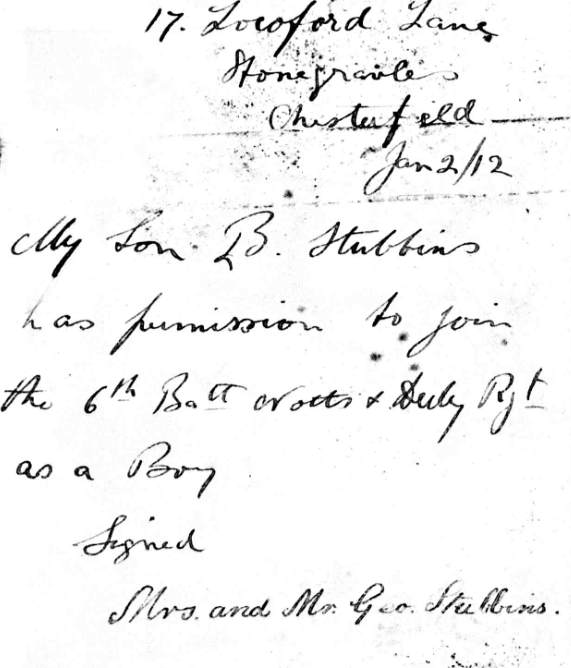
Benjamin was a labourer at the Hardwick Colliery Company and lived with his parents on Lockerford Lane in Stonegravels. He enlisted as a Drummer on the 3rd January 1912 aged 15 years and 9 months. As such he required a letter of authorisation from his parents.
25.10.1915 LAPUGNOY: Fatigue party relieved by a similar party.
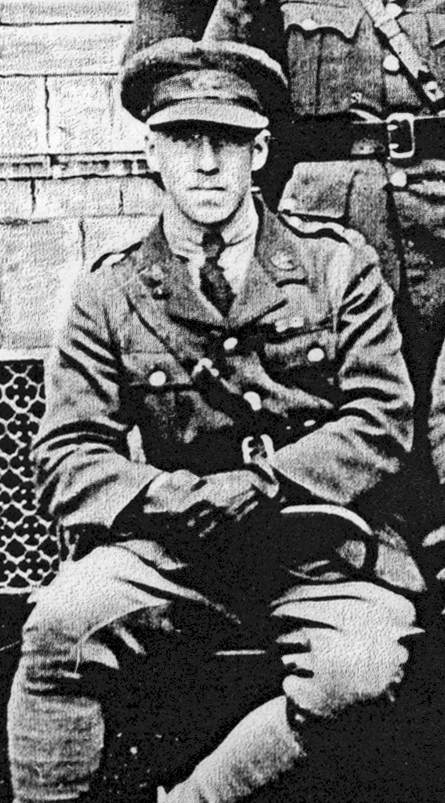
Captain A. J. Hopkins and Lt. J Tolson joined for duty.
War Diary [WO/95/2694]
Arthur John Hopkins
Arthur had returned to England on the 12th May 1915 and was transferred to hospital due to eczema.
Joseph Tolson
Oct 25th. Rain nearly all day. Fell in for a lecture at 10 a.m. but dismissed. Another fatigue party for trenches (gas cyls) left in afternoon but I was exempt (res. Sigr) very glad. First fatigue party returned about 8-45 p.m. very wet. Parcel from Pinxton.
[3289 Pte George William Beardsley]
24.10.1915 LAPUGNOY: Lt. Col.- G.D. Goodman to temporary Command of the 139th Brigade. Capt F.M. Dick to Command Battalion.
War Diary [WO/95/2694]
Oct 24th. Went to communion 8 a.m. & church parade with 8th battn at 10 a.m. & also voluntary service at 6 p.m. very nice. Rather cold again.
[3289 Pte George William Beardsley]

No record in the War Diary [WO/95/2694]
Oct 23rd. Instruction in signalling 9-30 till 12. Others same as yesterday. Football match and band concert in afternoon. Nice day except for cold winds. (Reg joined 19th).
[3289 Pte George William Beardsley]
2154 Pte Arthur Lennon, a boot riveter from Stoney Middleton, suffered from scabies and was admitted to the North Midland Field Ambulance; he later returned to duty.
No record in the War Diary [WO/95/2694]
Oct 22nd. Rose at 8 a.m. Told to report to signalling sergeant at 9– 30, then instructed in morse code etc, till 12 o’clock. Others had running, bayonet fighting, & bombing same as on 20th. At night went with McT & had a feed. Nice day, but cold wind.
[3289 Pte George William Beardsley]
Held over the accidental deaths of 1620 Pte Samuel Joseph James (Long Eaton) and 2128 Pte William Moult (Albert Village) and the accidental wounding of 2195 Pte Harry Leslie Seckington, 2386 L/Cpl John H Wall (discharged 1916), 1706 Pte Arthur Richardson (discharged 1916) and 2447 Pte James Caulton (transferred to 21st Battalion) at LAPUGNOY on the 21st and 22nd October 1915.

Three witnesses stated that Pte James was in the process of throwing a No. 1 bomb when it exploded in his hand as he turned the cap around to “fire”.
2470 Sergeant T P Leese stated that the Bethune bomb used by William Moult was faulty and suggested a number of reasons for this.
Typical example of a Bethune Bomb fitted with a Nobel lighter, No. 10 fuse and detonator.
[For more images of Bethune bombs]