Category Archives: Casualties

35748 Pte George Chambers Woolley, The Welbeck Rangers…….

Prior to Enlisting

George was born in New Mills to ?? and Mary Chambers and was one of 8 surviving children. In the 1911 Census the Wolley family were living at Ollersett, New Mills in Derbyshire. At this time George was cloth packer in the local bleach works.

George Attested into the British Army in December 1915 – possibly under the Derby Scheme – and was mobilised into the 3rd Battalion Sherwood Foresters on the 5th June 1916.

George married Maria Roughly in Hayfield Parish Church in October 1916 and four months later their first daughter Matha was born. A son George was born on 30th December 1918.


Arrival in France and wounded at the Battle of Passchendale

Following basic training George arrived in France (Calais) on the 2nd July 1917 and was posted to the 17th Battalion Sherwood Foresters, the Wellbeck Rangers at the 14th Infantry Base Depot.

George was present with the Wellbeck Rangers when they took part in the 3rd Battle of Ypres and attacked Steenbeek near St Julian.

1.15am. Assembly of Battalion was complete and carried out without casualties.

3.50am. The advance commenced across “No Man’s Land”.

4.16 am. The Blue Line was reached without opposition. Slight casualties were incurred due to the protective barrage.

5.13 am. The advance on Black Line commenced. Slight opposition was met with by two enemy machine guns in the vicinity of Oblong Farm. These were at once engaged. The advance continued until held up by machine guns and snipers from Canoe Trench.
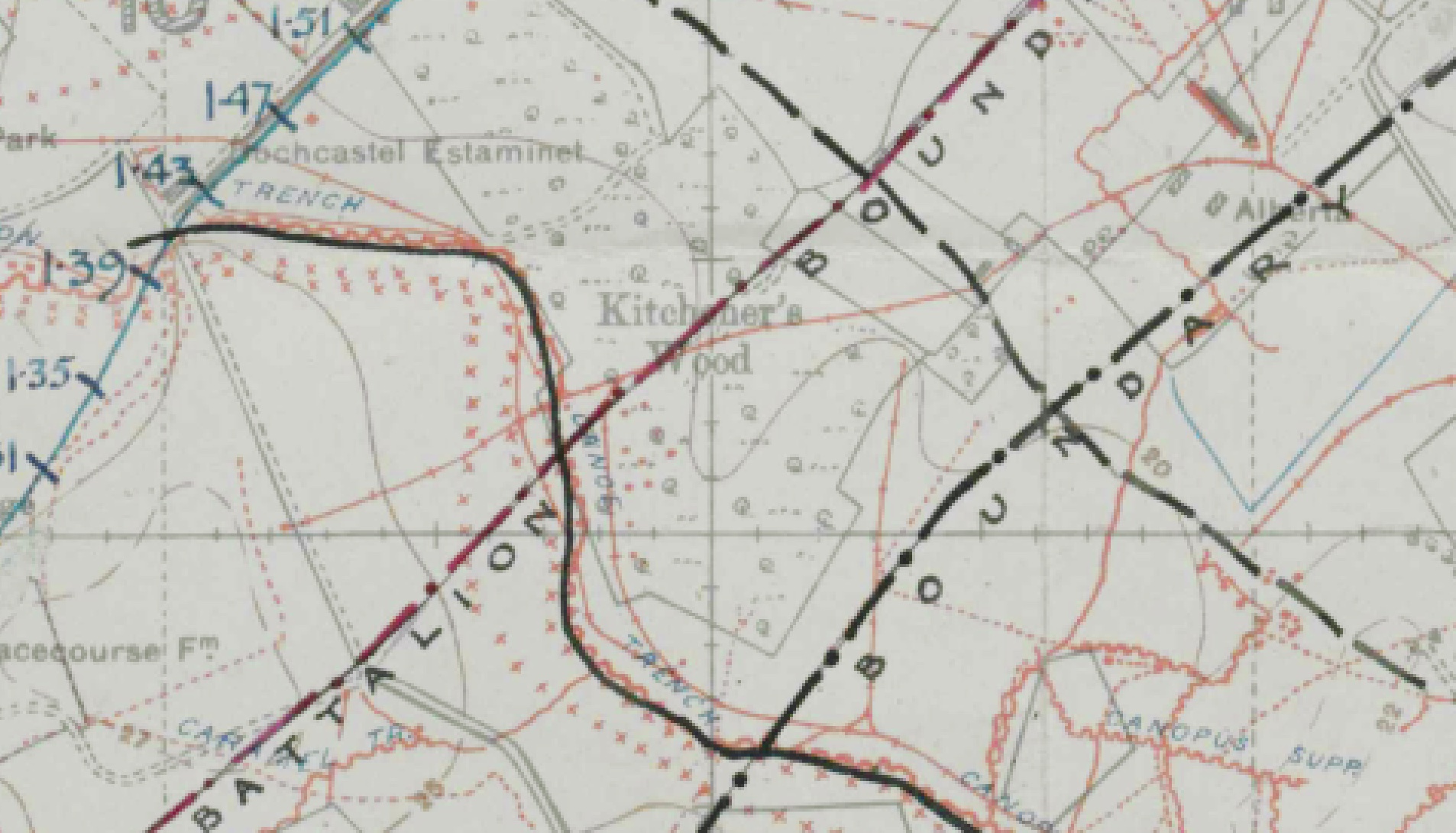
5.33am. Undercover of Lewis guns and barrage Canoe Trench was the captured. The advance was then continued by the second wave through Kitchener’s Wood to the dotted black line. On arrival on the eastern side of the Wood two enemy machine guns opened up on us from Alberta. These were engaged…….with the assistance of two tanks……and captured the farm.

6.50 am. The Dotted Green Line Companies and Hugel Hollow Platoon formed up behind protective barrage.

7.30 am. Advance behind protective barrage began. Very little resistance was met. Several prisoners taken from Hugel Hollow and concrete dug-outs to the North East of Alberta.

7.55 am. The Steenbeek was reached and advanced over and consolidation commenced on the Eastern side.

Total casualties were 331 Officers and men including George who was serving with “B” Company.


George was taken to the 134th Field Ambulance before being transferred to 2nd Australian General Hospital at Wimereux. He was returned to England on the 9th August 1917 and did not return to France.
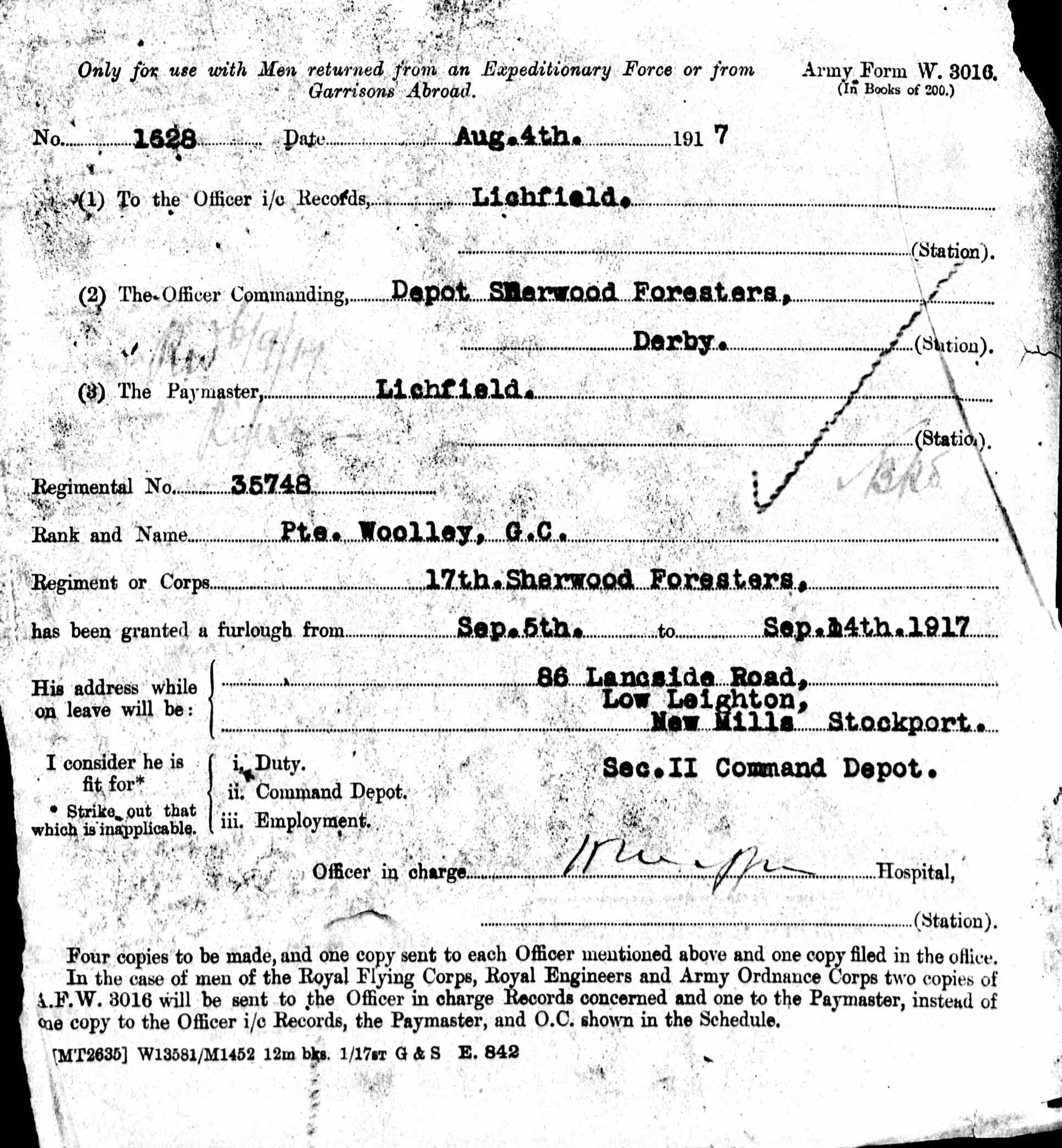
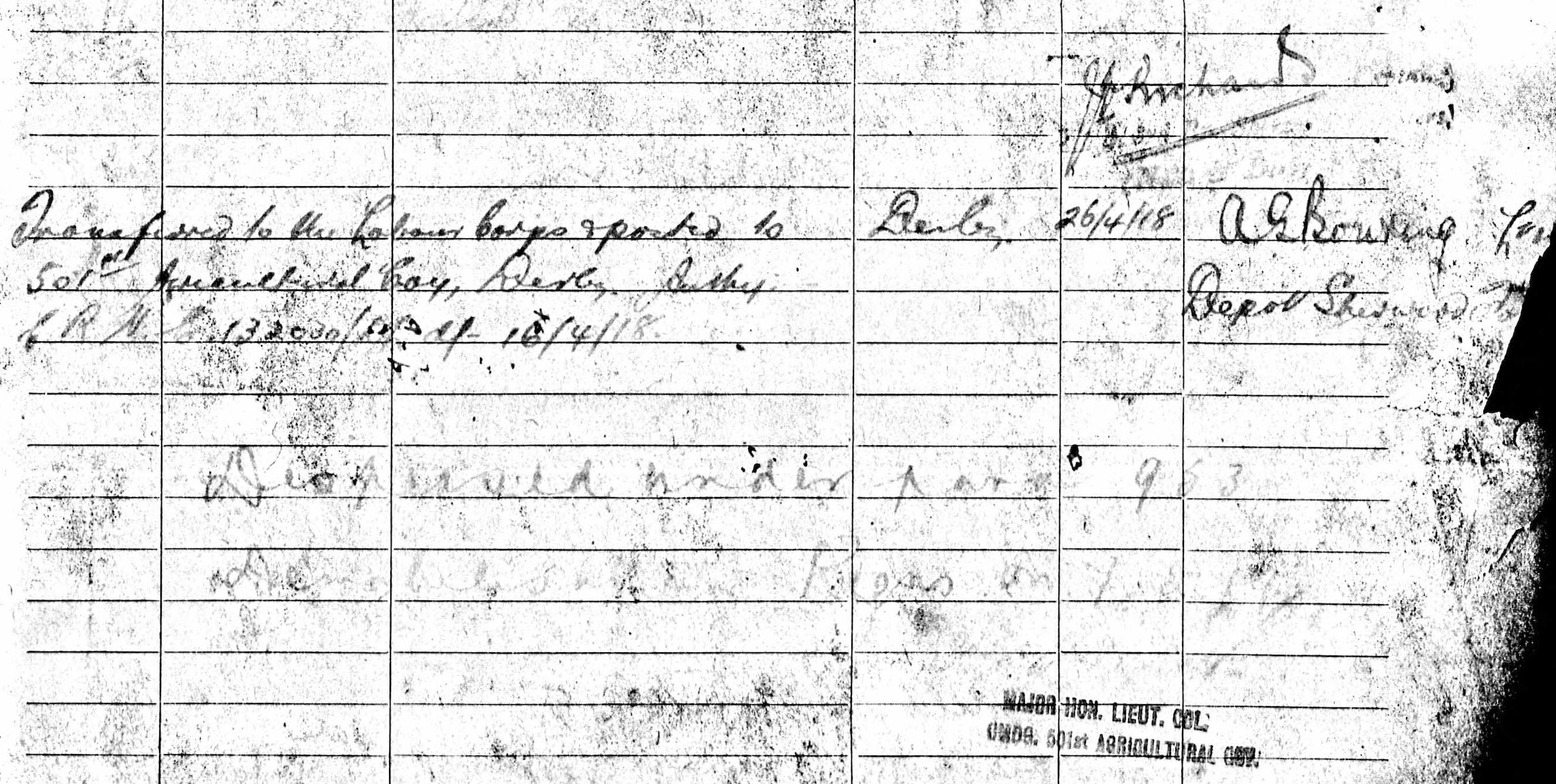
George was granted 9 days leave in mid-September 1917, before being transferred to the 501s5 Agricultural Company of the Labour Corps in April 1918 and was stationed at Derby with the Northern Command.

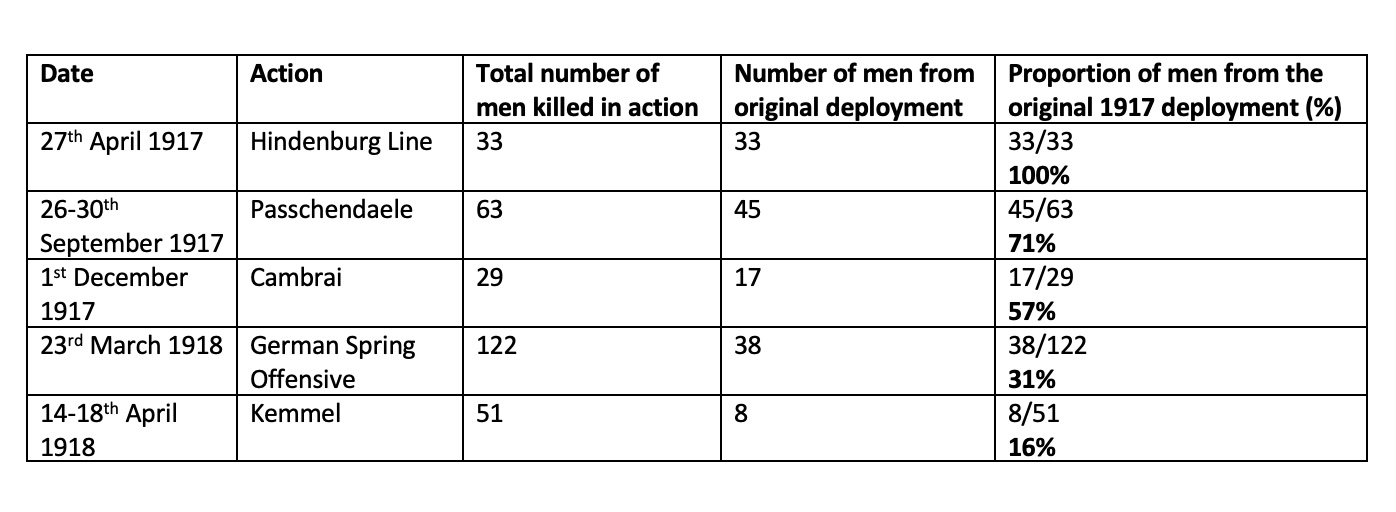
The dwindling men of the ‘Original Deployment’ of the 2/6th Battalion during 1917-18

The 178th Brigade of the 59th Division landed at Boulogne at the end of February 1917. This closely coincided with the Territorial Force renumbering that occurred in March 1917 and before the 2/6th Battn (59th Division) was engaged in any major operations on the Western Front.

By the time the 59th Division were engaged during the German retreat to the Hindenburg Line at the end of April 1917, all the men that were serving with the 2/6th Battn at that time had been renumbered with a 6-digit (24****) service number.


We can identify these men as the ‘Original 1917 Deployment’ of the 2/6th Battalion.


Therefore, by studying the service numbers of the 2/6th Battn men who were killed in action during the 11 months between April 1917 and April 1918 it is possible to see how the composition of the ‘Original 1917 Deployment’ was slowly diluted due to the ever increasing numbers of casualties (killed, wounded and missing) and subsequent reinforcements.


My first thoughts…….to be revised……

By mid-April 1918, and at the time of the last action of the 2/6th Battn (before being reduced to Cadre in May 1918), less that 1 in 5 men still serving were from the Original 1917 Deployment.

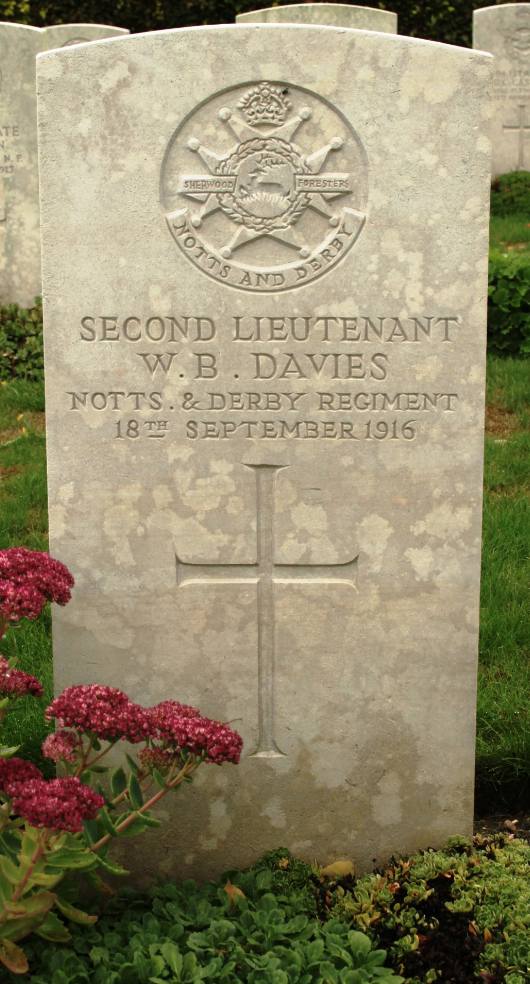
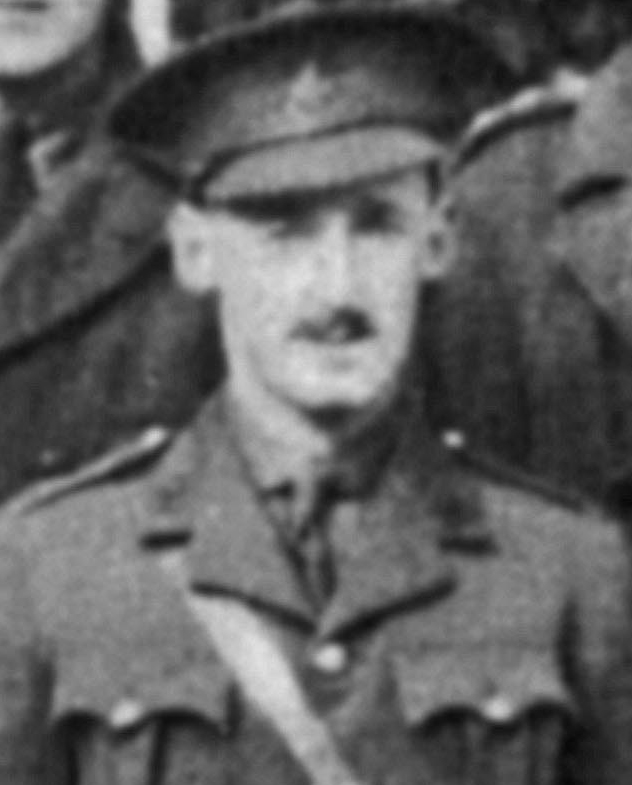
William Bryan Davies (1881-1916)

William Bryan was the eldest child of Thomas William and Mary Bryan Davies of Welshpool in Montgomeryshire.


William was Commissioned into the Sherwood Foresters in January 1916 and joined the 1/6th Battalion in France on the 18th July of that same year. He was posted to the 139th Trench Mortar Battery on the 1st August along with 4 Officers and 12 other ranks of the 1/6th Battalion.


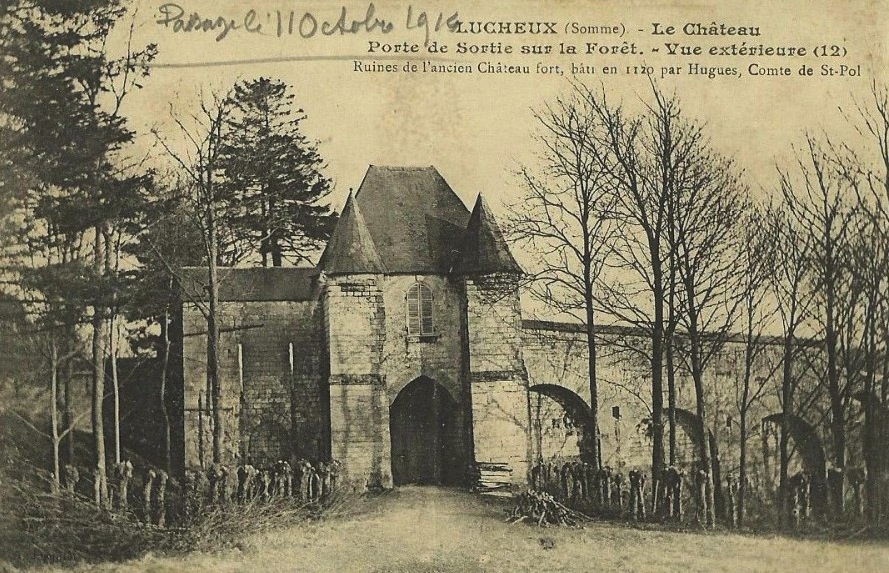
Sometime in early September William was referred to the ‘Officers Hospital’ at Lucheux. This facility was provided by the 37th Casualty Clearing Station and catered for ‘Sick Officers’.

During the afternoon of the 17th September William died “the result of a revolver bullet wound of the head, self inflicted, in our opinion during a state of temporary insanity”.

The proceeding investigation the Court of Enquiry heard witness statements from two Officers.

“I last saw the deceased at 12 noon today, he was then apparently in the best of spirits. he was absent from lunch and as he had not appeared by 3 o’clock and was due to return to duty I instituted a search party”

[Lt AF Grattan Guiness RAMC]

“For the last seven days I shared a bedroom with Lt Davies at the Officers Hospital Lucheux; he appeared quite normal all the time but rather quiet. We were both to return to duty today. His kit was packed up on his bed but he did not come to lunch and when the car arrived for us he was not to be found”

[Lt Frank E Rowe, 1/5th South Staffs R]


William was buried in Avesnes-le-Comte Communal Cemetery Extension in France.


His younger brother Idwal also served in France with the 1/6th Battalion Sherwood Foresters from February 1915 until he was wounded and returned to England in June 1915.

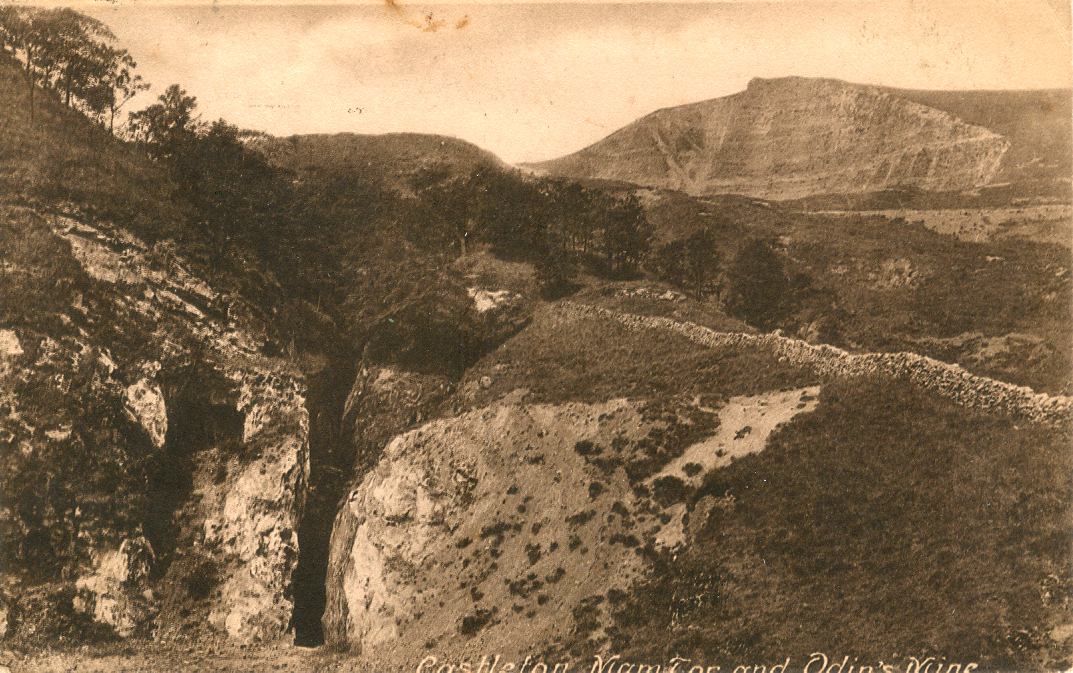
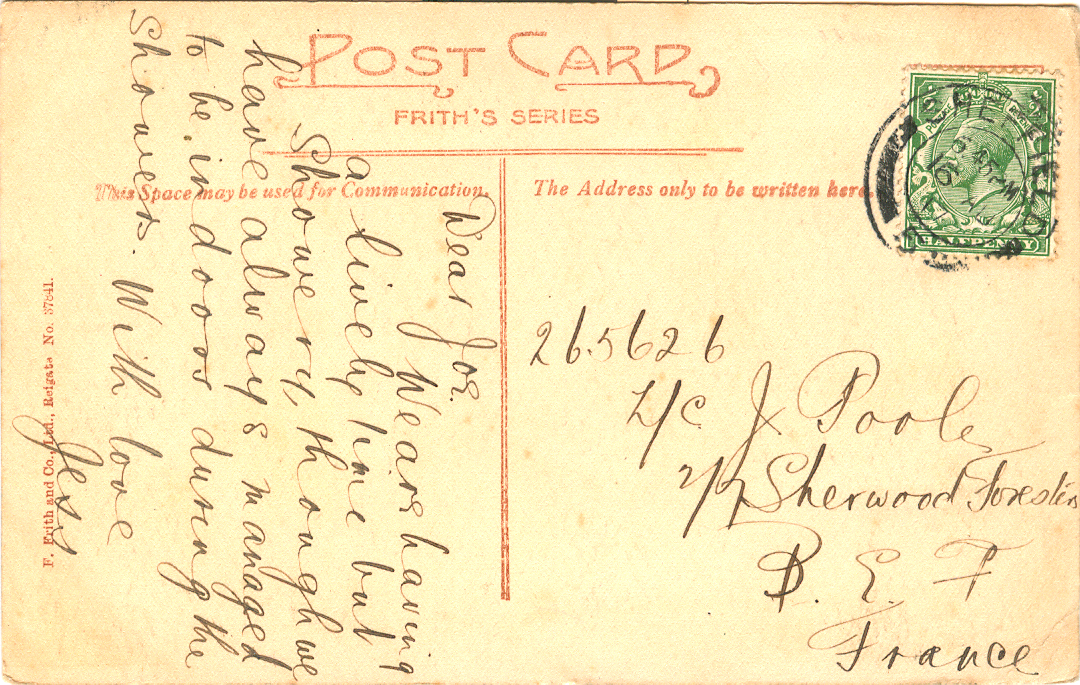
265626 L/Cpl Joseph Poole and his sister Jess

Dear Joe

Wears [sic] having a lively time but showery. though we had always managed to be in doors during the showers.

With Love

Jess

[Posted from Sheffield 16 Aug 1917]


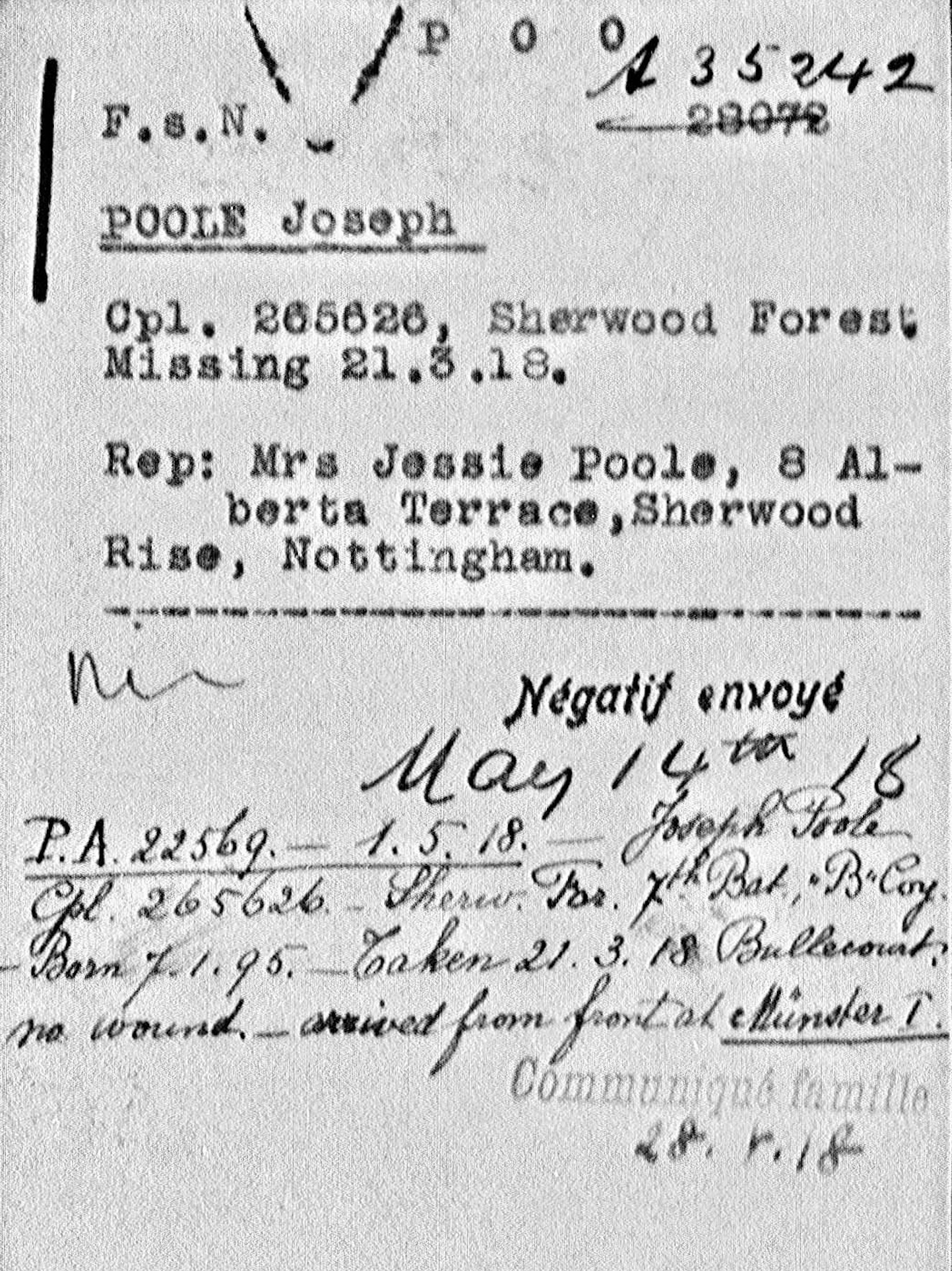
265626 Pte Joseph Cole served with “B” Company the 2/7th Battalion Sherwood Foresters during WW1and was in the front line trenches on 21st March 1918 at the start of the German Spring Offensive.


Like many of the men of the 178th Brigade George was reported as missing.

Joseph was made a Prisoner of War and would be later repatriated.

42144 Sergeant George Richard Carter……a thread

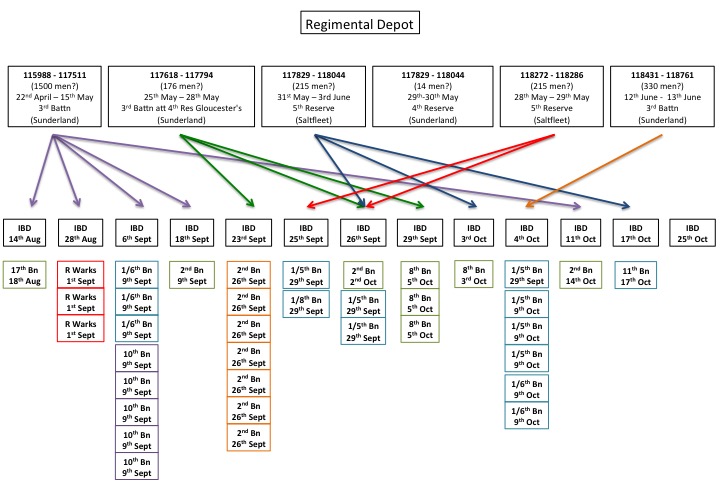
George enlisted into the Sherwood Foresters in 1916 and was posted to the Depot of the 4th (Reserve) Battalion. Following training he was posted to the 9th Battalion on the 14th August 1917 and proceeded to France. On arrival at the 14th Infantry Base Depot he was transferred to the 2/7th and joined the Battalion in the field on 14th September 1917 and posted to A Company.

By November 1917 George had been promoted to Sergeant, but had also contracted ‘trench foot’ and was returned to the 16 General Hospital in England. On his return to France on 8th March 1918 he returned to the 2/7th Battalion.
George and his comrades were in the front line trenches at dawn on 21st March when the Germans commenced their Spring Offensive.

Like many of the men of the 178th Brigade George was reported as missing.

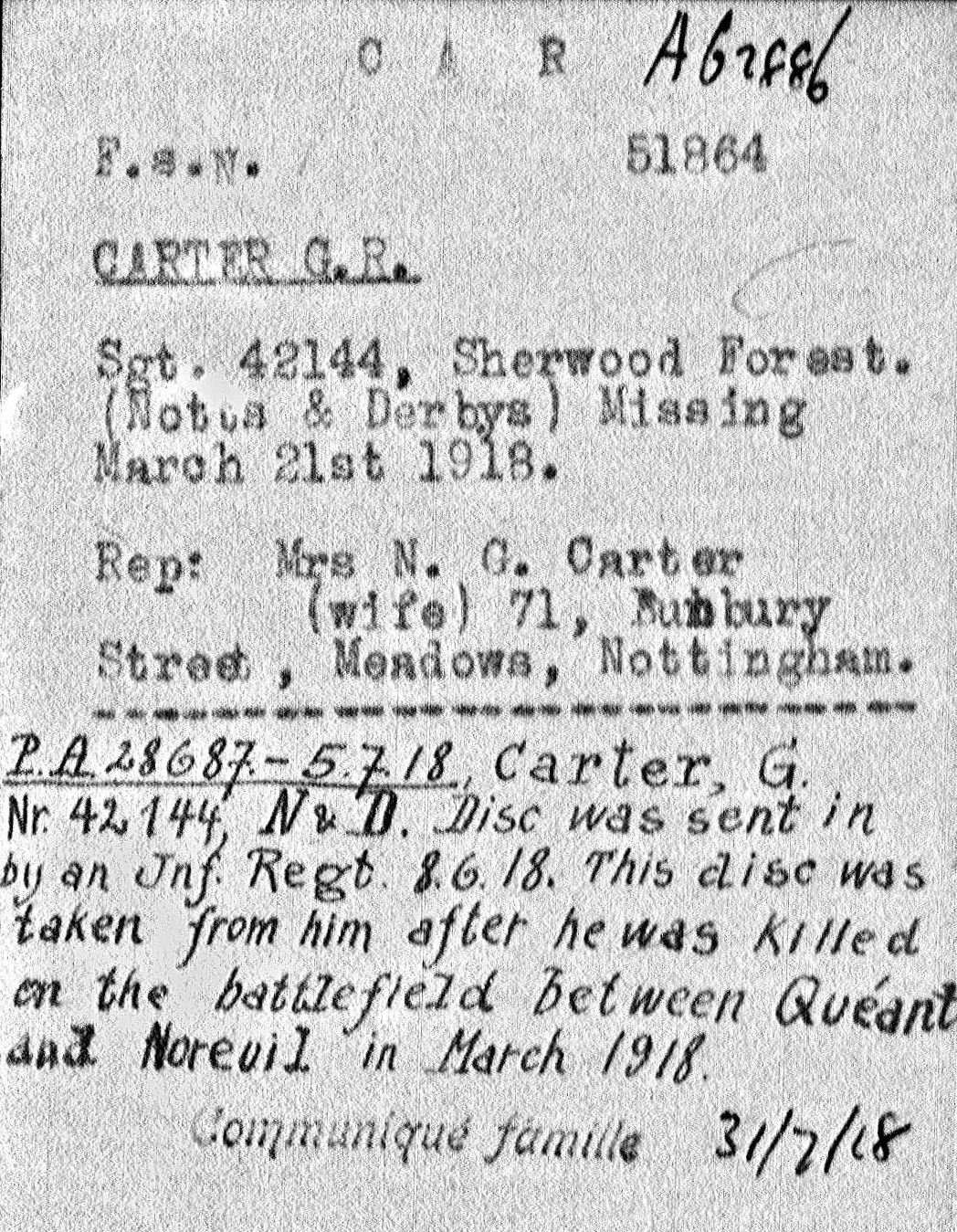
In the Summer of 1918 Nellie Carter submitted a request to the Red Cross (presumably via the War Office) if there was any information on her missing husband. She was later to hear the terrible news that George had been killed on the 21st March 1918.

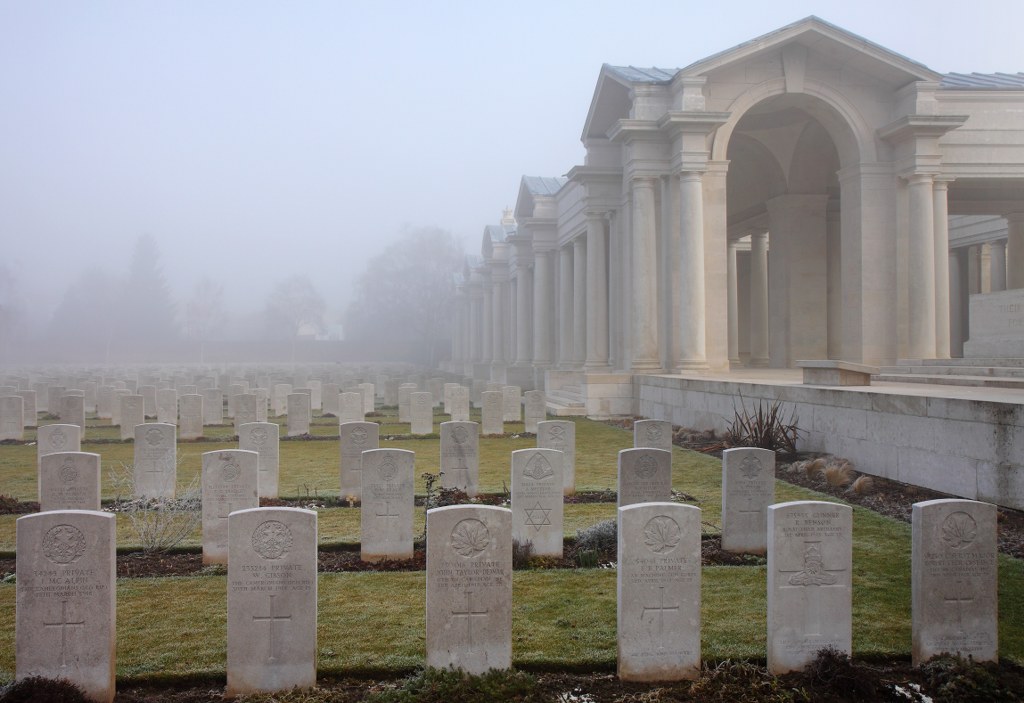
His body was never recovered and he is now Commemorated on the Arras Memorial.

On this day 23rd November 1914

2900 Colour Serjeant Frederick Bull dies aged 42.

Son of Thomas and Elizabeth Bull, of Kirk Langley, Derby; husband of Elizabeth Bull, of The Hall Flats, Ashbourne.

Frederick was a postman and enlisted into the 6th (Reserve) Battalion on the 15th October 1914. Promoted to Colour Sergeant on the 4th November, but discharged on the 10th November 1914.

Frederick had initially enlisted in the Sherwood Foresters (Derbyshire Regt) on the 15th May 1891 aged 19 and had served:-

  • At home 5/91 – 12/92
  • India 12/92 – 2/99 (Tirah Expedition and wounded in 12/97)
  • Home 2/99 – 11/99
  • Malta 11/99 – 5/02
  • Home 5/02 – 5/12
  • Discharged on termination of 2nd period of engagement 14th May 1912

Spanish Flu and the 5th Reserve Battalion during November 1918

Background

On the 1st September 1916 the 5th Reserve Battalion Notts & Derby Regiment was formed through the amalgamation of the 3/5th and 3/6th.

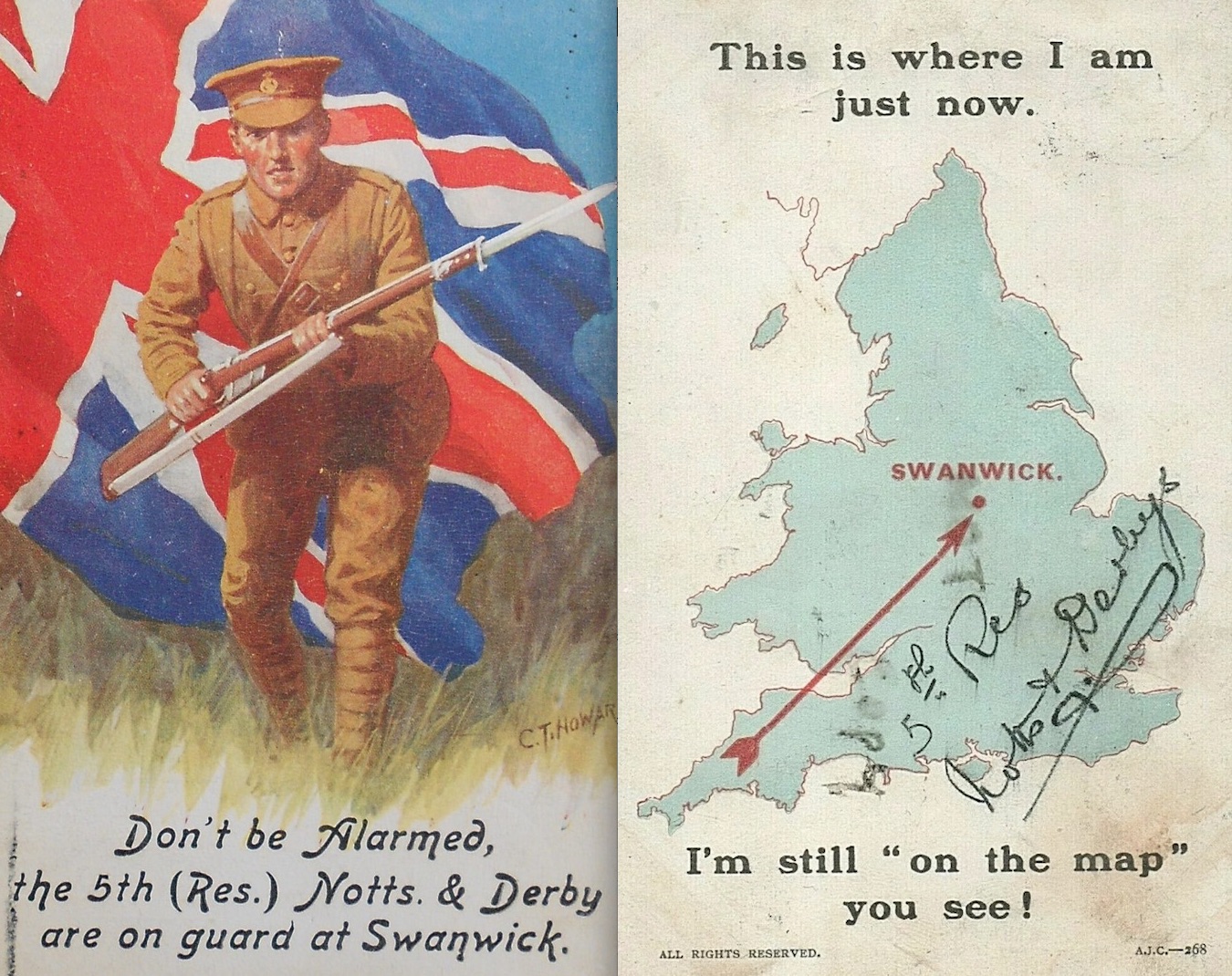
The Reserve Battalions were first station at Swanick before moving to Lincolnshire in mid-1916. At this time they were house in huts around Saltfleet, Louth and Somercotes.


The training of conscripted soldiers during 1918

From examining the Army Service Records of men that were mobilised during 1918 it would appear that the 3rd, 4th and 5th Reserve Battalions provided significant training of the new recruits.


Casualties suffered by the 5th Reserve Battalion (1915-1918)

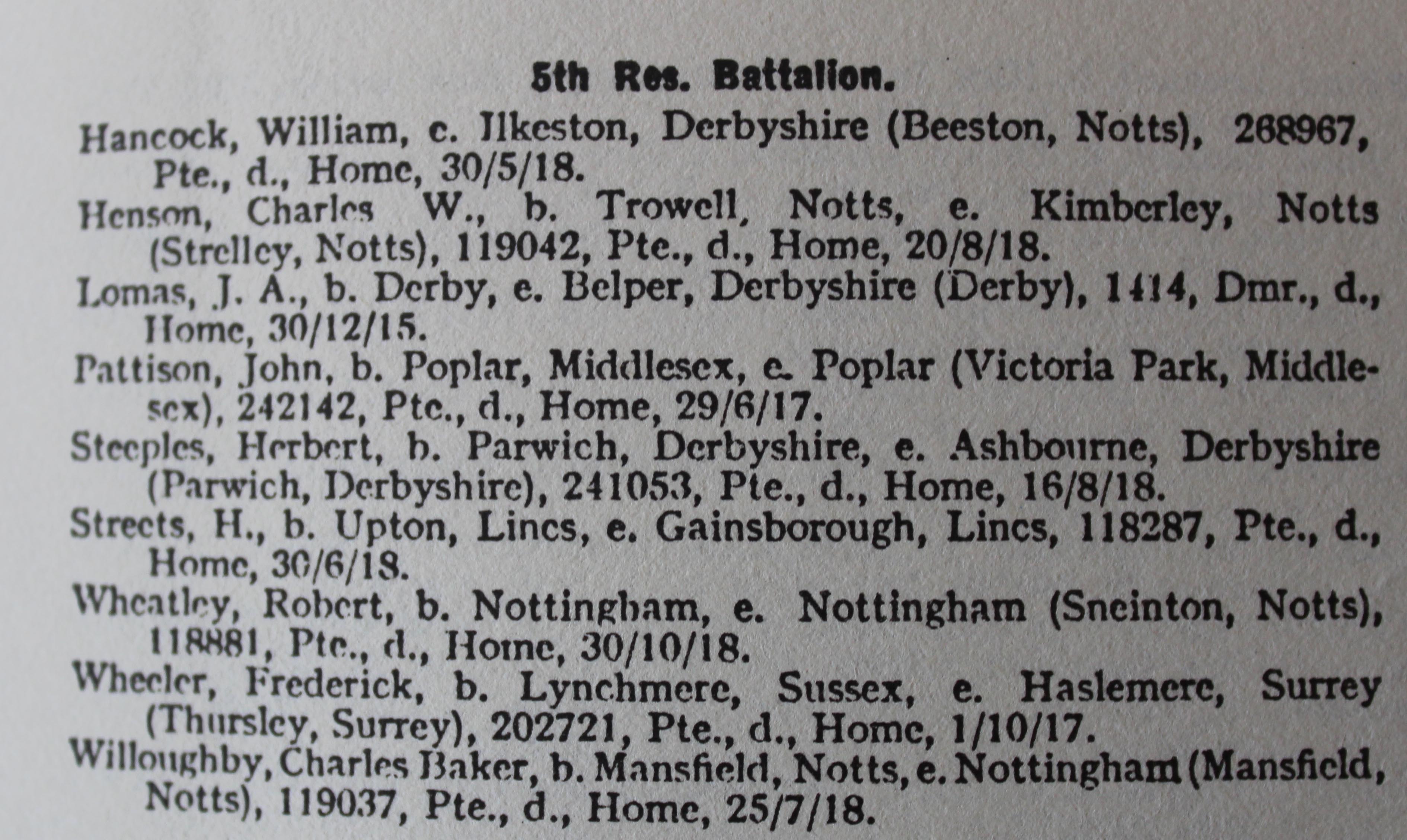
According to Soldiers Died in the Great War (1914-19) only nine men died whilst serving with the 5th Reserve Battalion and for most of these their service records are available.

  • 1414 Dmr Joseph Albert Lomas 30th December 1915 of general tuberculosis
  • 242142 Pte John Pattison 29th June 1916
  • 202721 Pte Frederick Wheeler 1st October 1917
  • 268967 Pte William Hancock 30th May 1918
  • 118287 Pte H Street 30th June 1918
  • 119037 Pte Charles Baker Whilloughby 25th July 1917 of pneumonia
  • 241053 Pte Herbert Steeples 16th August 1918 of cerebro-spinal meningitis
  • 119042 Pte Charles Henson 20th August 1918 of ‘spinal fever’
  • 118881 Pte Robert Wheatley 30th October 1918 of influenza

It would appear that the first cases of ‘influenza’ were contracted during the summer of 1918.


Spanish flu strikes during November

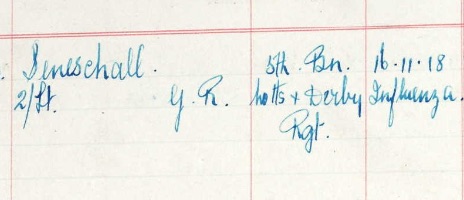
In contrast to SDGW the Common War Graves Commission lists a further 7 men that died between the 14th-19th November 1918.

  • 2/Lieutenant George Rodney Seneschall aged 24. Son of Mr. R. and Mrs. A. Seneschall, of 43, Salisbury St., Long Eaton.
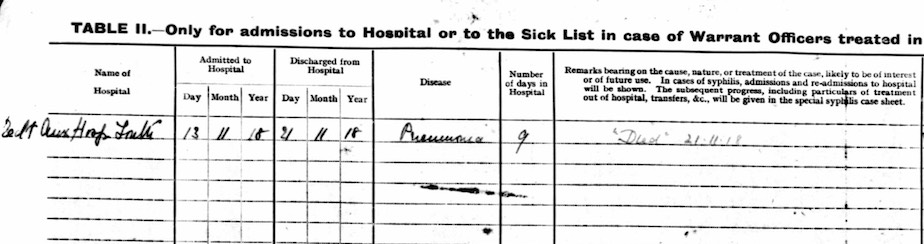
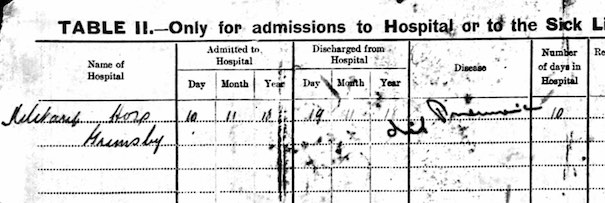
  • 120935 Pte Joseph Holt aged 31. A coal miner from Kirkby who was mobilised and posted to the 5th Res Battn on the 1st August 1918. He was admitted to Hospital on the 13th November and died at Louth in the VAD Hospital 9 days later. Son of Mary Ann Laban (formerly Holt), of Mount Pleasant Rd., Castle Gresley, Burton-on-Trent, and the late James Alfred Holt. Born at Linton Heath.

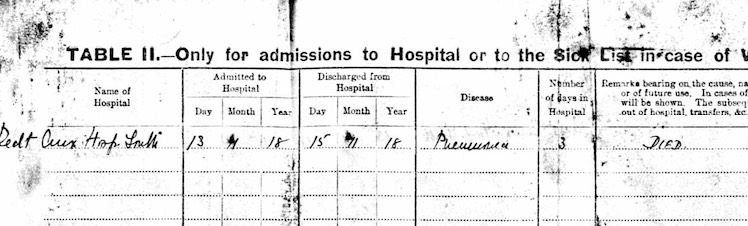
    120963 Pte John Lowbridge aged 29. A miner from Chesterfield who was mobilised and posted to the 5th Res Battn on the 1st August 1918. He was admitted to Hospital  on the 13th November and died at Louth in the VAD Hospital 3 days later. Son of John and Emma Lowbridge, of Pear Tree Cottage, Bridge St., Pilsley.


    121031 Pte Frank Edward Bennett a coal miner from Pleasley Hill. who was mobilised and posted to the 5th Res Battn on the 8th August 1918. He was admitted to Hospital on the 11th November and died at Grimsby Military Hospital 5 days later. 


    121038 Pte John Jackson aged 33. A shunter from Kilburn in Derby who was mobilised and posted to the 5th Res Battn on the 8th August 1918. He was admitted to Hospital on the 9th November and died at Grimsby Military Hospital 6 days later. Son of Peter and Mary Jackson, of Repton, Derby, husband of Annie Jackson of Rueson Green, Kilburn, Derby.


    121043 Pte William Woolins aged 19. A miner from Codnor who was who was mobilised and posted to the 5th Res Battn on the 9th August 1918. He was admitted to Hospital on the 10th November and died at Grimsby Military Hospital 10 days later. Son of Joseph and Elizabeth Woollins, of Church St., Waingroves, Codnor, Derby.


    121238 Pte Stephen Parish aged 32. A miner who was mobilised and posted to the 5th Res Battn on the 2nd September 1918. He was admitted to Hospital on the 8th November and died at Louth in the VAD Hospital 7 days later. Husband of Florie Parish, of 17, Hugley Rd., Halesowen, Birmingham.

VAD Hospital in Louth where many of the men died of Spanish Flu

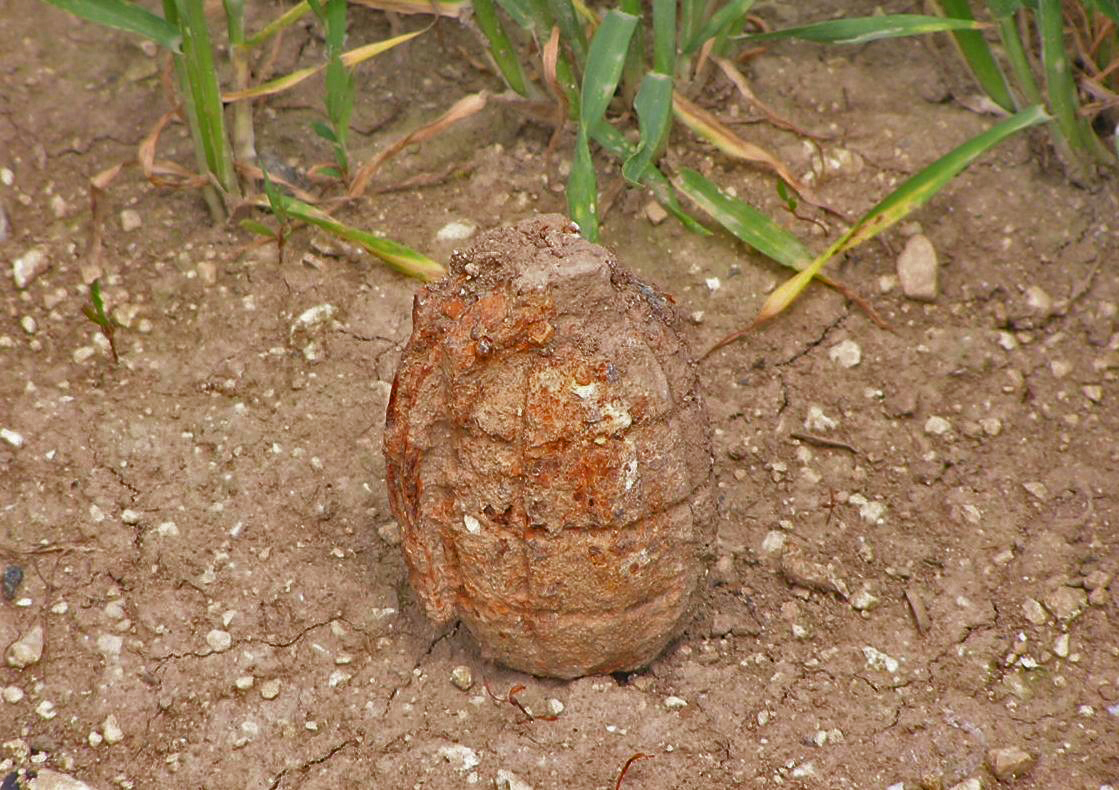
Iron harvest near Authuille Wood

Found in no-mans-land where the 11th Sherwood Foresters attacked on the morning of 1st July 1916.

The attack failed and they suffered 518 casualties, amongst whom was Sergt John Connaughton from Chesterfield.

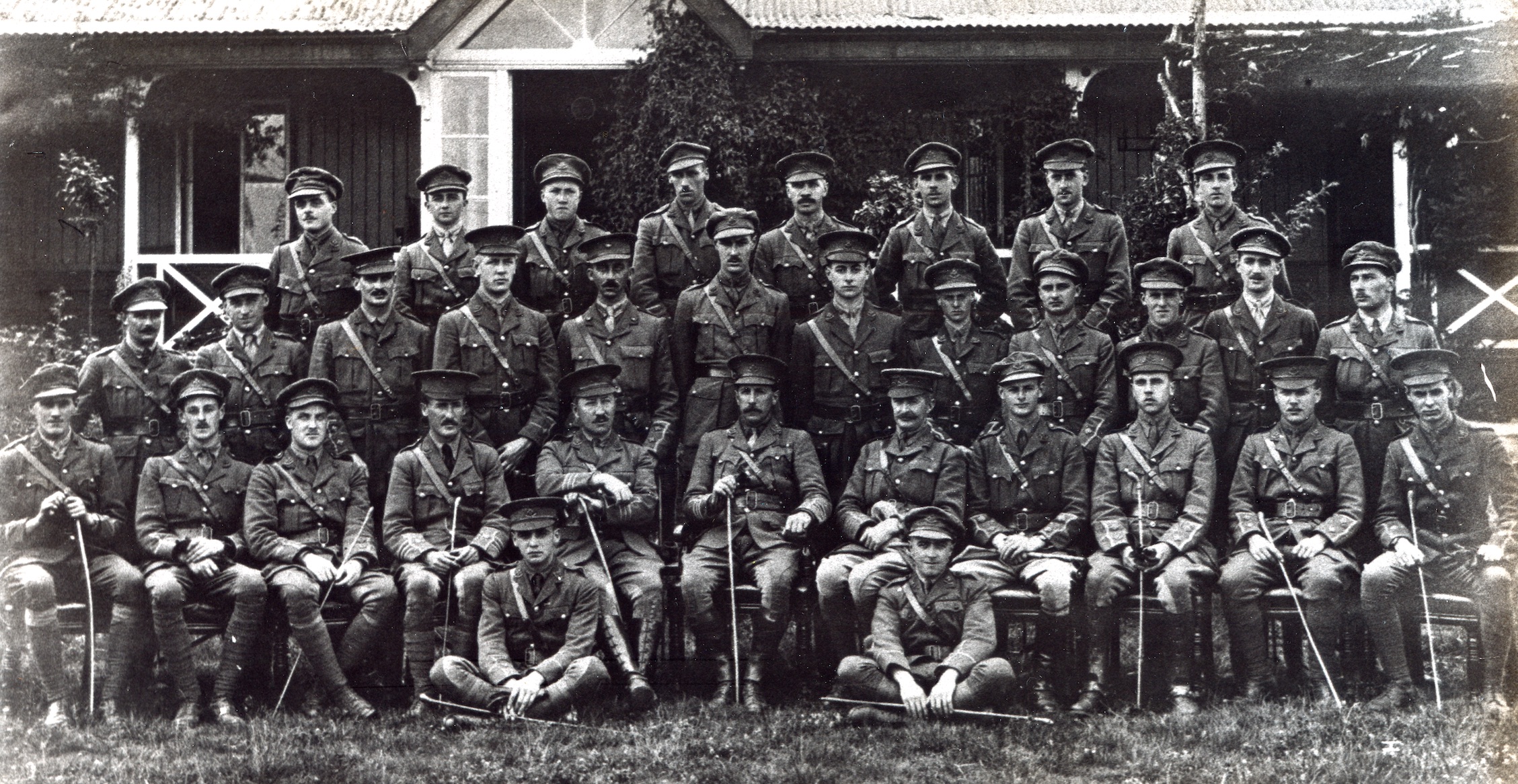
Officers taken in 1915

Time to complete the story of the 2/6th Battalion attack on Passchendale Ridge in September 1917

Realised that I have two Victory Medals from men that were casualties during that attack so it is time to tell their story……the best that I can.

2505/240611 Pte Thomas Henry Mainwaring from Ashbourne

240611 Mainwaring

2893/240787 Sergeant Oscar Hubbuck from Brampton

2893 Hubbuck medal2893-hubbock-wounding-1917