Author Archives: mikebriggs1910

Unknown's avatar

About mikebriggs1910

I'm not a Historian by profession - merely an (over) enthusiastic amateur. By day I'm a Professor of Genetics at Newcastle University with a translation research interest in rare bone diseases. At weekends I can be classified as a Yorkshire Cricket & Psychedelic Rock fan, but mostly I'm just on the Fells (or in the pub - when they were open!).

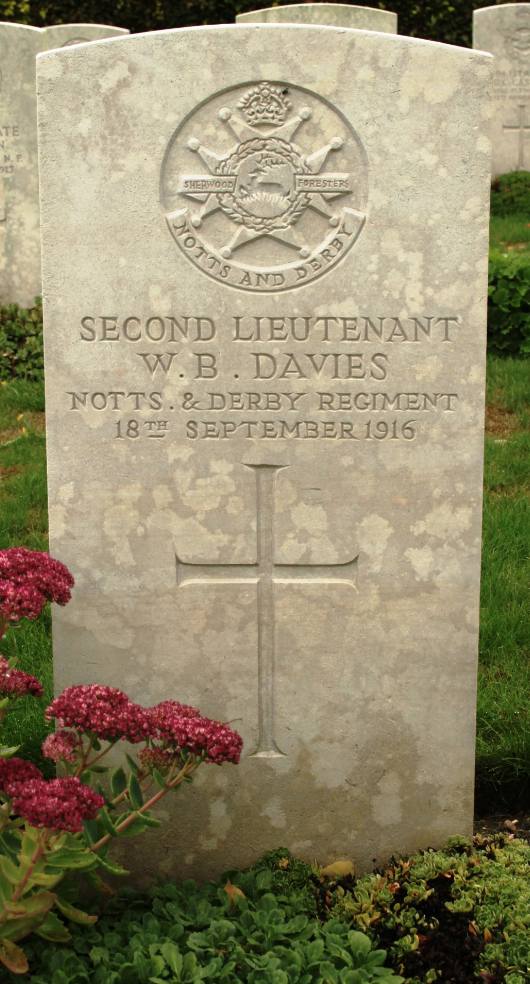
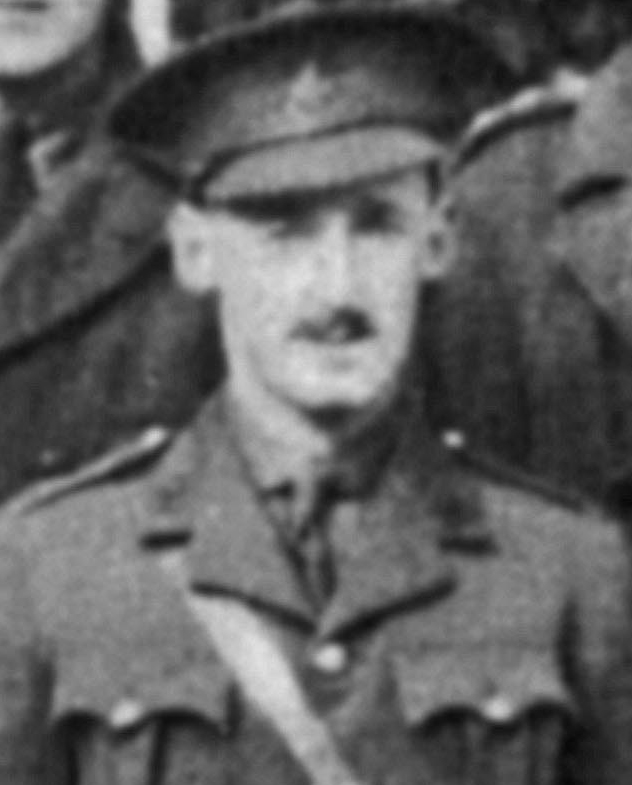
William Bryan Davies (1881-1916)

William Bryan was the eldest child of Thomas William and Mary Bryan Davies of Welshpool in Montgomeryshire.


William was Commissioned into the Sherwood Foresters in January 1916 and joined the 1/6th Battalion in France on the 18th July of that same year. He was posted to the 139th Trench Mortar Battery on the 1st August along with 4 Officers and 12 other ranks of the 1/6th Battalion.


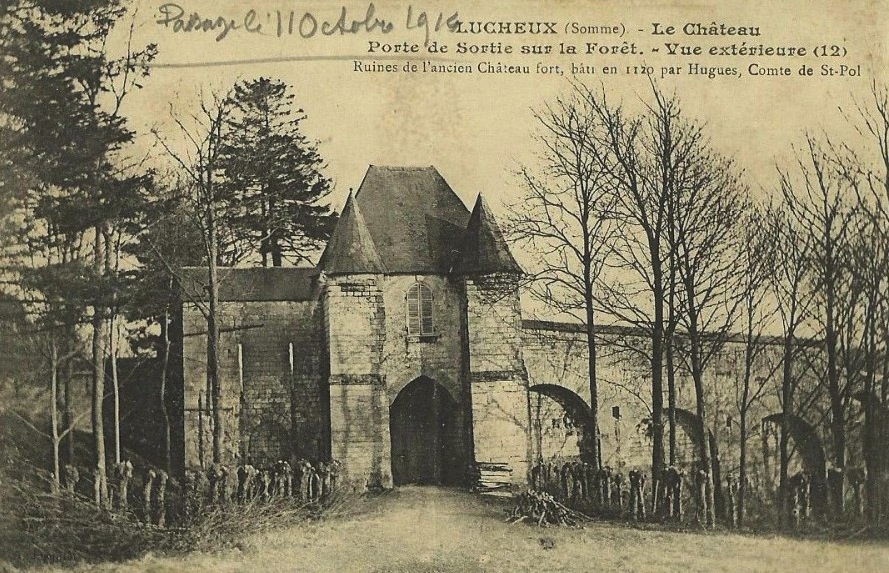
Sometime in early September William was referred to the ‘Officers Hospital’ at Lucheux. This facility was provided by the 37th Casualty Clearing Station and catered for ‘Sick Officers’.

During the afternoon of the 17th September William died “the result of a revolver bullet wound of the head, self inflicted, in our opinion during a state of temporary insanity”.

The proceeding investigation the Court of Enquiry heard witness statements from two Officers.

“I last saw the deceased at 12 noon today, he was then apparently in the best of spirits. he was absent from lunch and as he had not appeared by 3 o’clock and was due to return to duty I instituted a search party”

[Lt AF Grattan Guiness RAMC]

“For the last seven days I shared a bedroom with Lt Davies at the Officers Hospital Lucheux; he appeared quite normal all the time but rather quiet. We were both to return to duty today. His kit was packed up on his bed but he did not come to lunch and when the car arrived for us he was not to be found”

[Lt Frank E Rowe, 1/5th South Staffs R]


William was buried in Avesnes-le-Comte Communal Cemetery Extension in France.


His younger brother Idwal also served in France with the 1/6th Battalion Sherwood Foresters from February 1915 until he was wounded and returned to England in June 1915.

George Henry Raynor and the 19th (Reserve) Battalion, Sherwood Foresters

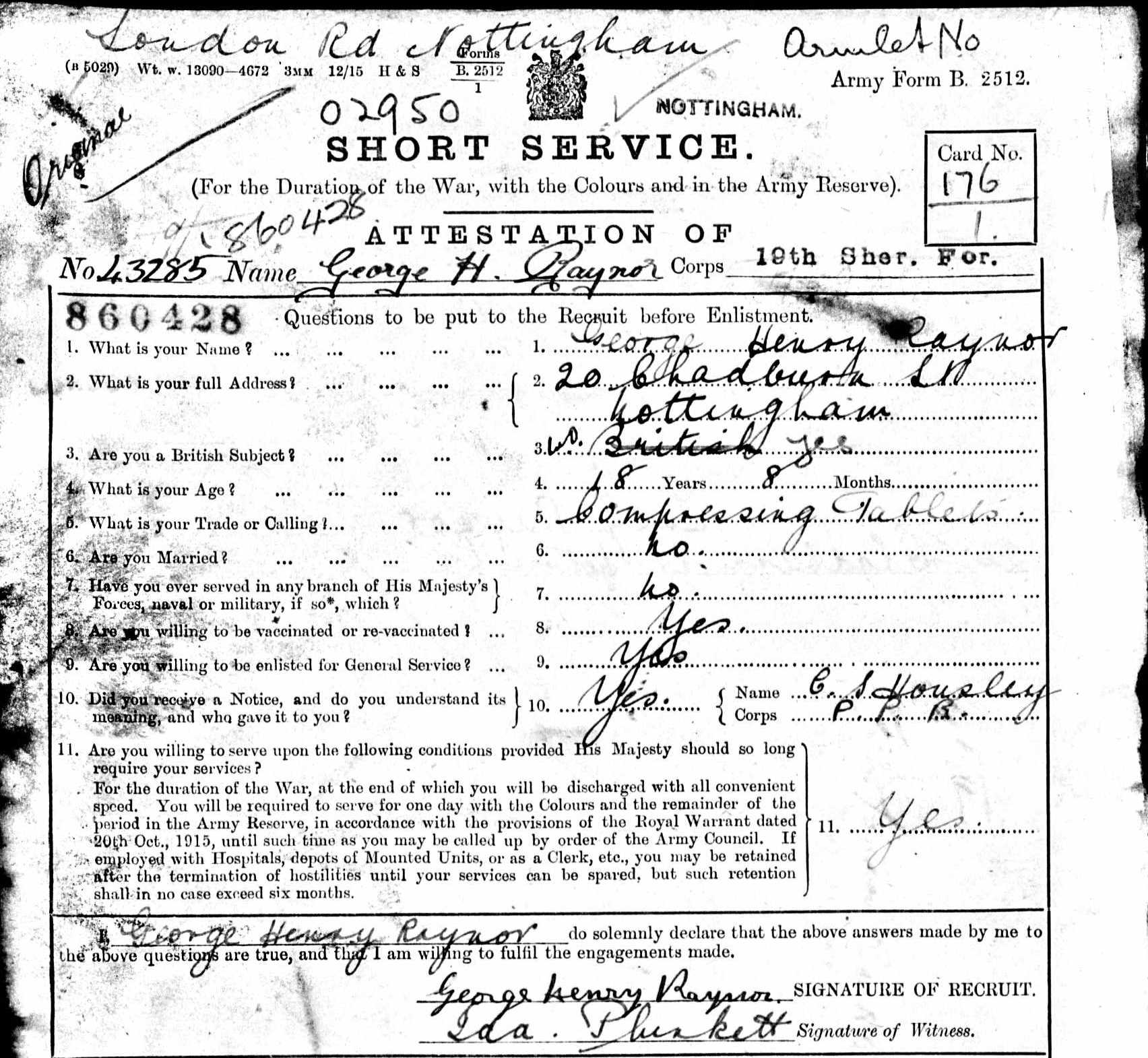
An interesting (and rare) find on Ancestry yesterday; the Attestation of George Henry Raynor from Nottingham into the 19th Battalion Sherwood Foresters.

This short-lived Battalion was formed at Brocklesby in August 1915 from depot companies of the 15th, 16th and 17th Bns. Moved to Ripon in November 1915 and on to Harrogate in July 1916; then to Durham in July 1916. It was finally absorbed in the Training Reserve Battalions of 19th Reserve Brigade at Newcastle on 1 September 1916.

See Long Long Trail.

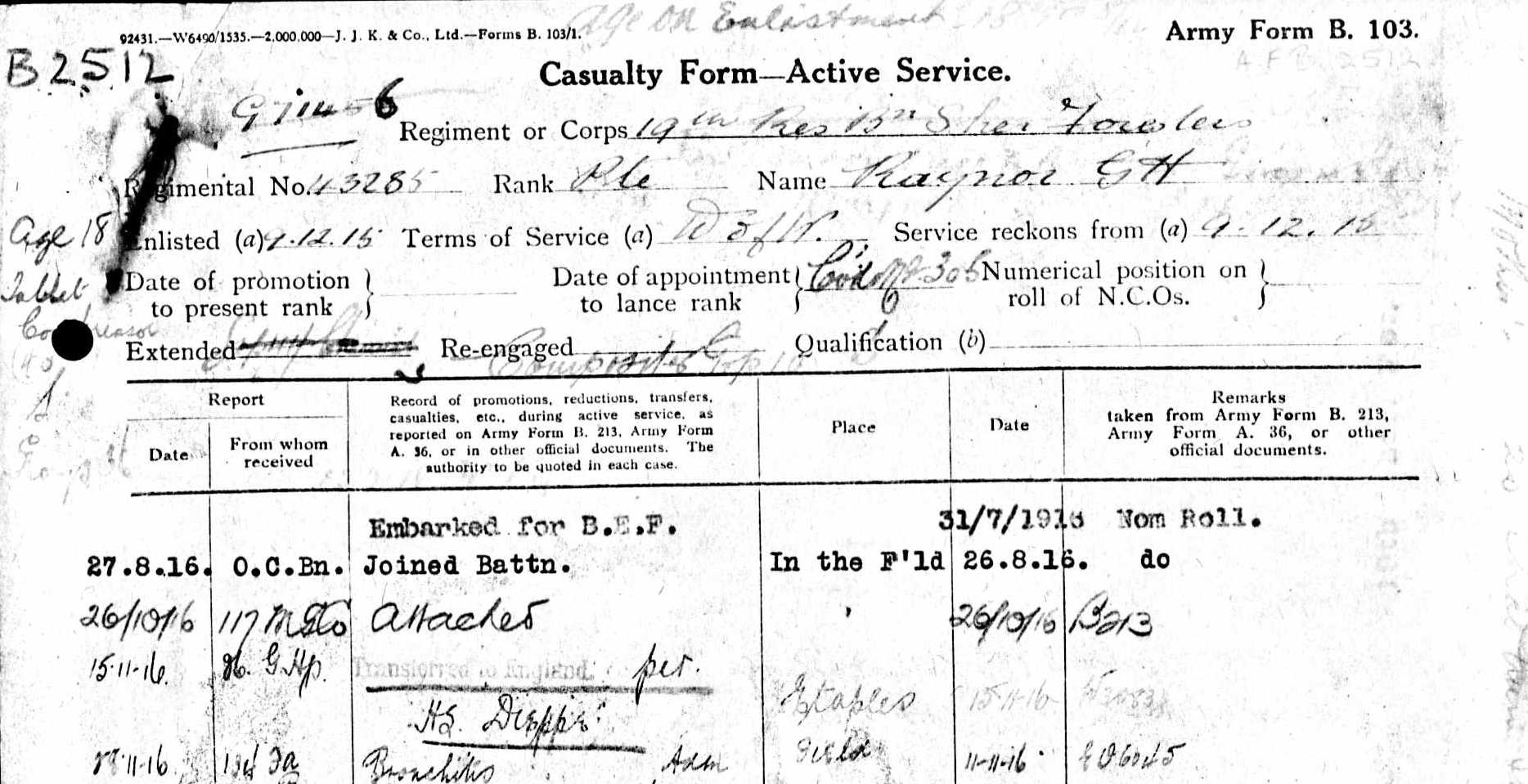
George originally attested in December 1915, most likely as part of the ‘Derby Scheme’. He was mobilised on the 15th April 1916 and on the following day was posted to the 19th Sherwood Foresters at that time stationed at Ripon. Following basic Infantry train George was transferred to the 17th Battalion and embarked for France on the 31st July 1916.

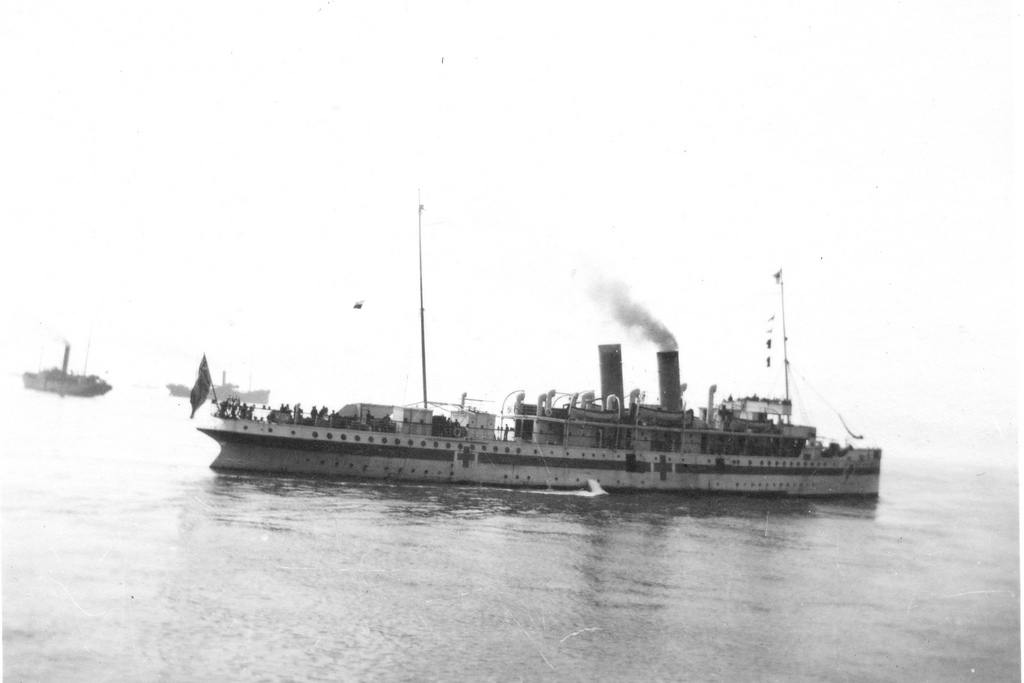
He was later attached to the 117th Machine Gun Company (39th Division) where he contracted bronchitis and returned to England on the Hospital Ship “Dieppe”.

After his convalescence George returned to France and served with the 2/7th Battalion Durham Light Infantry and 33rd Battalion London Regiment (Rifle Brigade) before being demobilised in February 1919.

1199 Acting Sergeant John William Burton, Signal Section, 1/5th Battalion

Many thanks to Martha Gratton who very kindly sent me pictures of her Great Grandfather John William Burton.

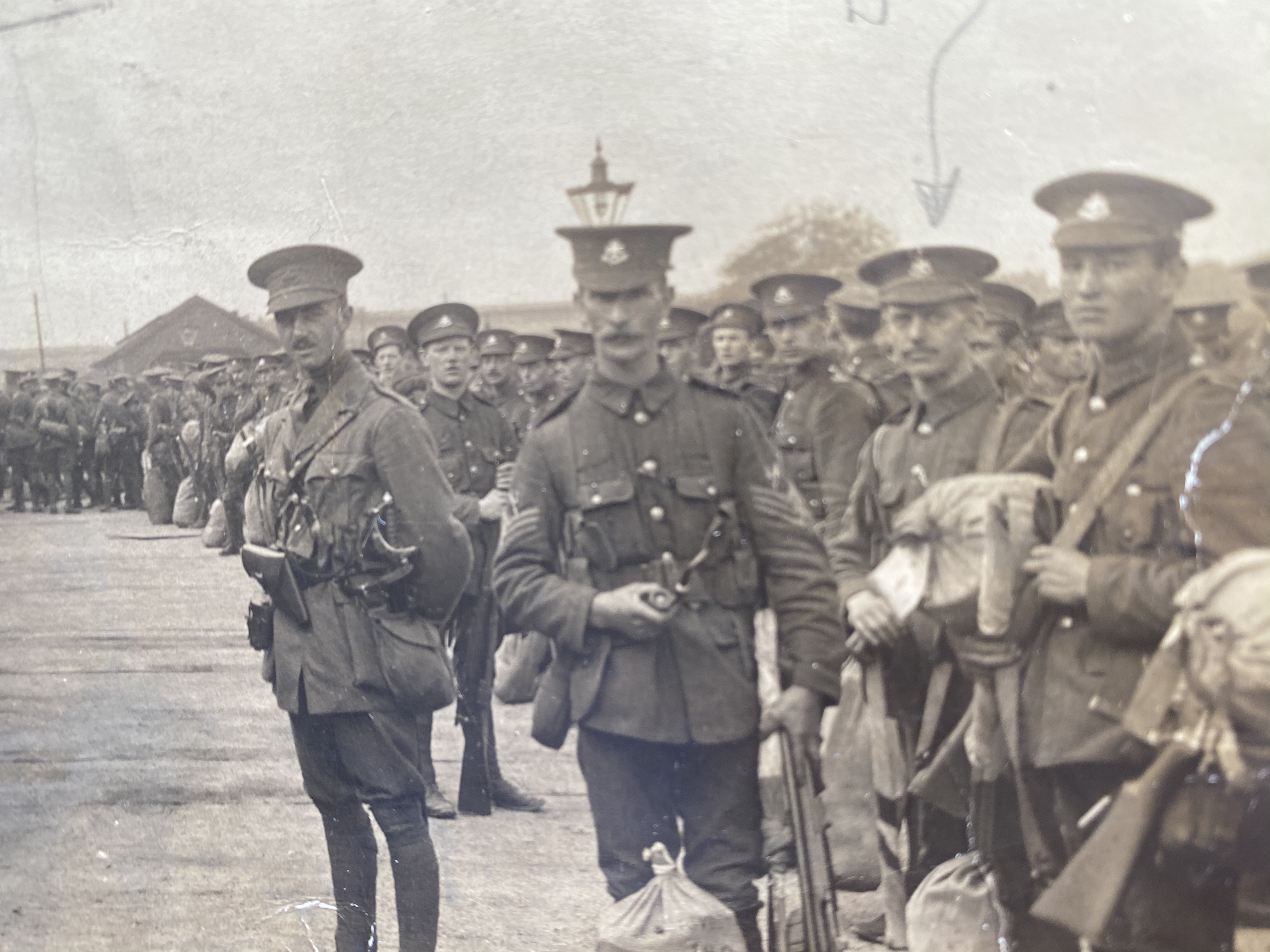
Men of the 1/5th Battalion entraining for Luton from Friar Gair Station in Derby on the 16th August 1914. The arrow indicates John Burton and on the back is written “Signallers 1/5th Sherwood Foresters”. Also identified on the back are Signalling Officer Captain Reginald J Case and Signalling Sergeant H Bonnell. 

To be continued………

The 2/6th Battalion Sherwood Foresters (Nottinghamshire & Derbyshire Regiment)…..my new project

Over the last few years I have concentrated on telling the story (the best that I can) of the men that served with the 1/6th Battalion.

In the process I have somewhat neglected the men that served with the 2/6th Battalion, and of course their story is just as important.

Fortunately, over the years I have collected post cards and other ephemera that are related to the 2/6th – the ‘Green Triangle’ – so I have now decided that the time is right to tell their story; either on-line or by print.

Interestingly, the 2/6th Battalion were engaged in a limited number of historically important actions; these being:-

  • The 1916 Easter Rising in Dublin
  • The German retreat to the Hindenburg Line on 27th April 1917
  • The Battle of Passchendale on 26th-29th September 1917
  • The Battle of Cambria on the 1st-2nd December 1917
  • The ‘Kaiserchlacht’ Spring offensive on 21st March 1918
  • The defence of Kemmel on 14th-18th April 1918

In those later five engagements the 2/6th suffered horrendous casualties and the Battalion was reinforced on many occasions; however, in the end the ‘2/6th’ were reduced to Cadre on the 7th May 1918.

The 2/6th Sherwood Foresters at Buxton in 1914

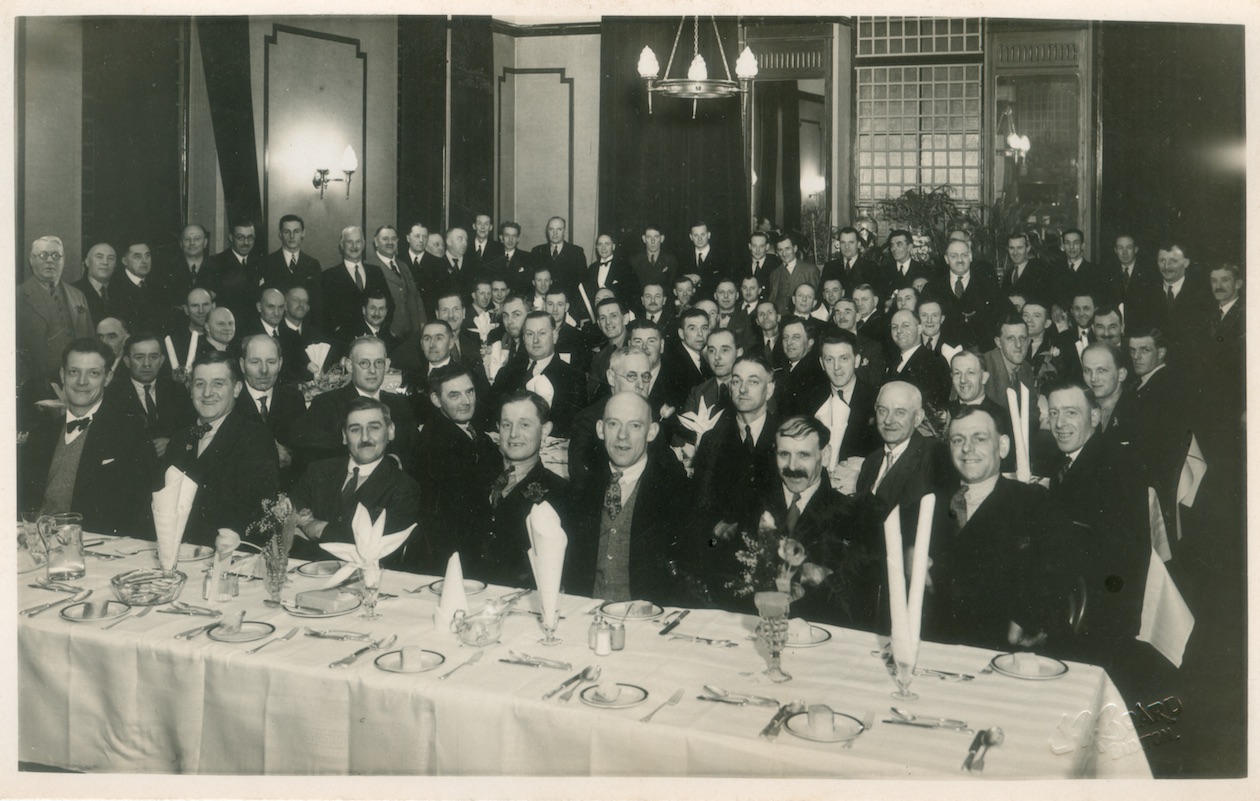
The reunion of the 2/6th Sherwood Foresters at Bakewell in 1935

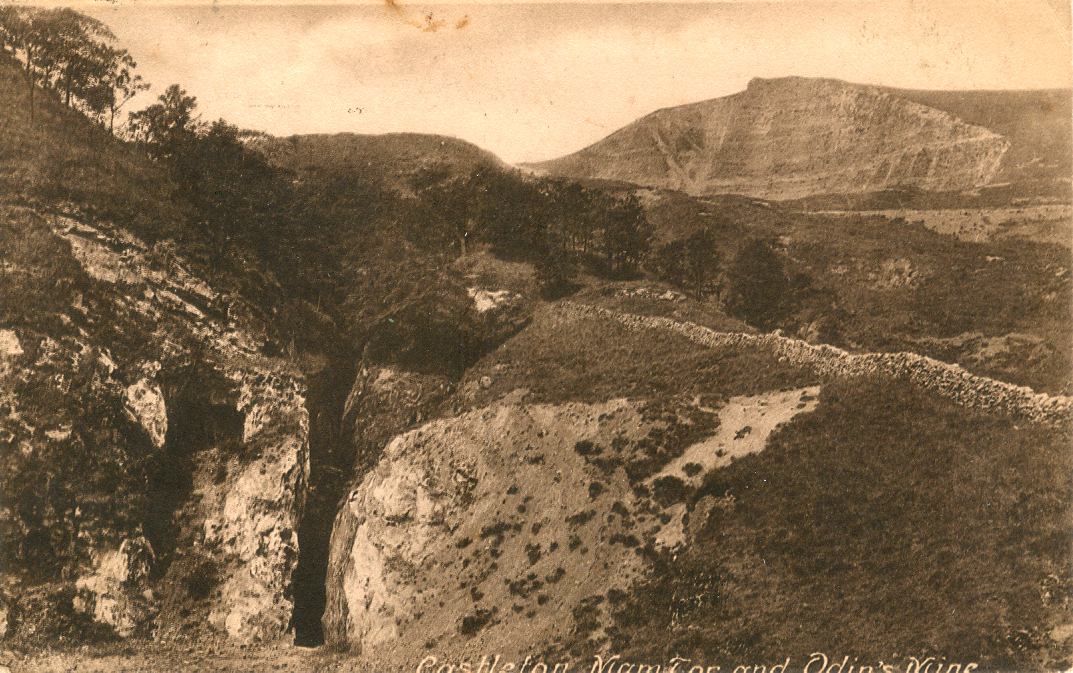
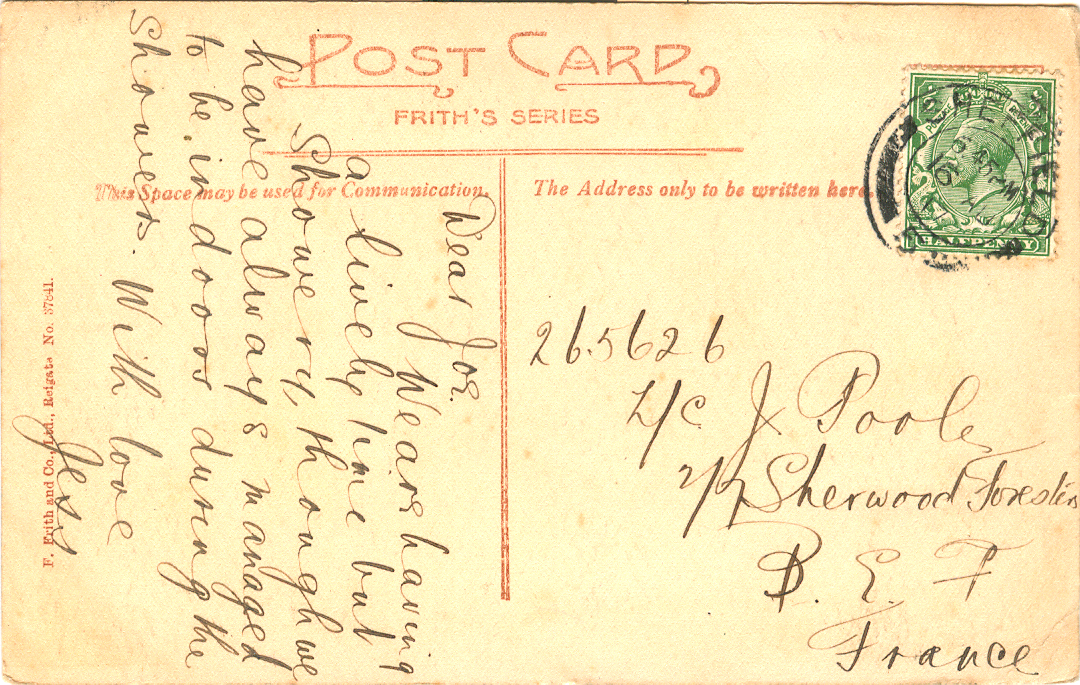
265626 L/Cpl Joseph Poole and his sister Jess

Dear Joe

Wears [sic] having a lively time but showery. though we had always managed to be in doors during the showers.

With Love

Jess

[Posted from Sheffield 16 Aug 1917]


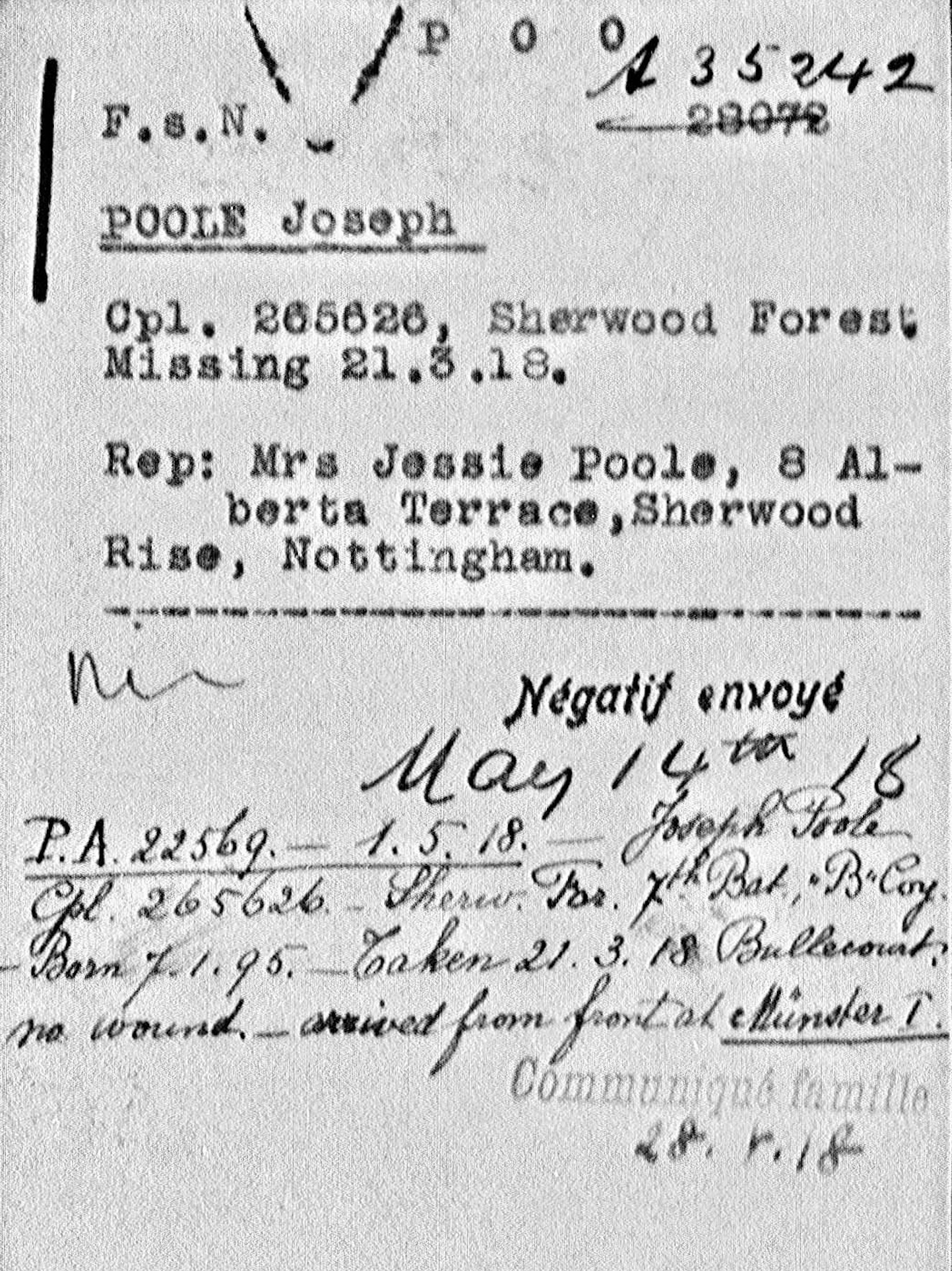
265626 Pte Joseph Cole served with “B” Company the 2/7th Battalion Sherwood Foresters during WW1and was in the front line trenches on 21st March 1918 at the start of the German Spring Offensive.


Like many of the men of the 178th Brigade George was reported as missing.

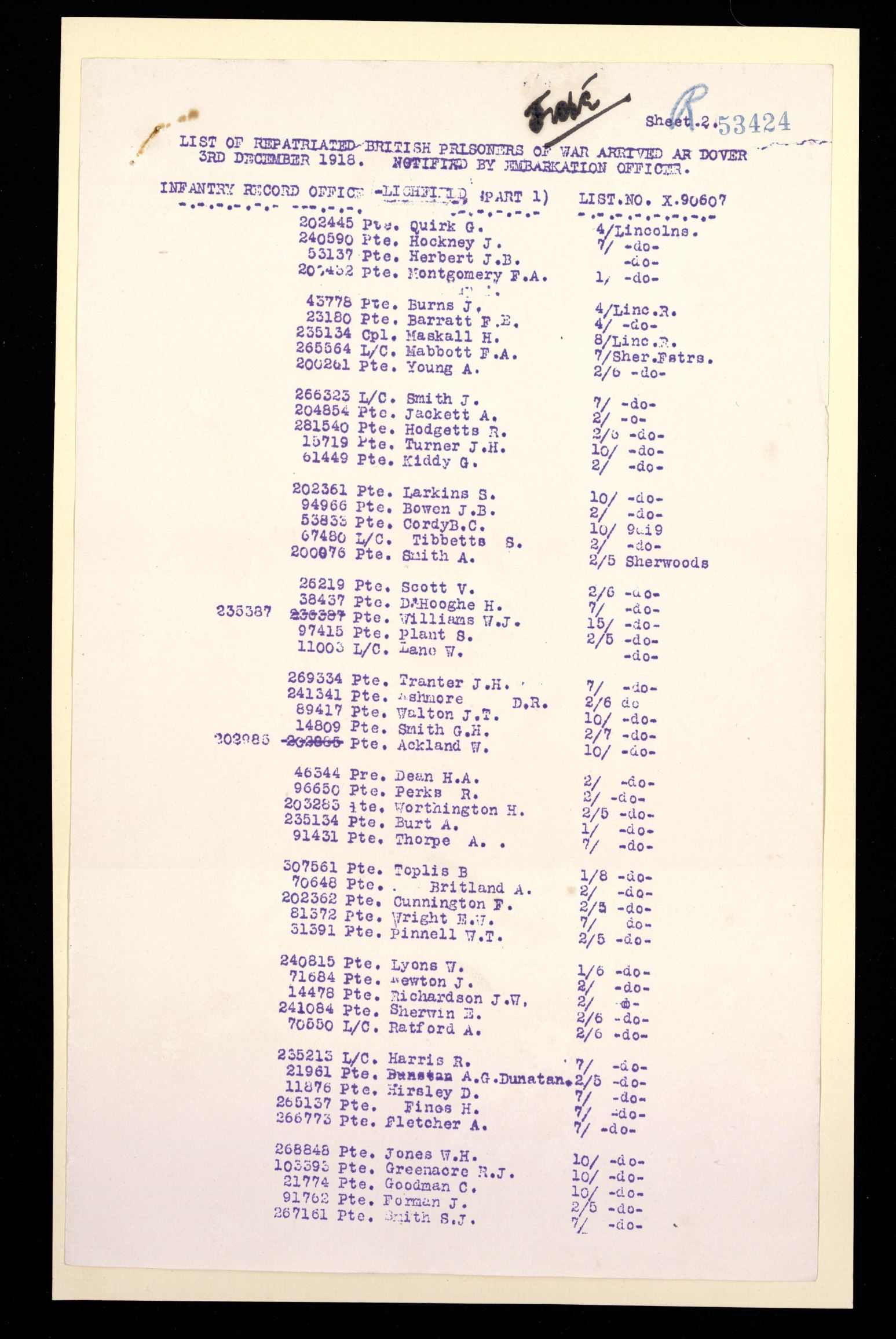
Joseph was made a Prisoner of War and would be later repatriated.

42144 Sergeant George Richard Carter……a thread

George enlisted into the Sherwood Foresters in 1916 and was posted to the Depot of the 4th (Reserve) Battalion. Following training he was posted to the 9th Battalion on the 14th August 1917 and proceeded to France. On arrival at the 14th Infantry Base Depot he was transferred to the 2/7th and joined the Battalion in the field on 14th September 1917 and posted to A Company.

By November 1917 George had been promoted to Sergeant, but had also contracted ‘trench foot’ and was returned to the 16 General Hospital in England. On his return to France on 8th March 1918 he returned to the 2/7th Battalion.

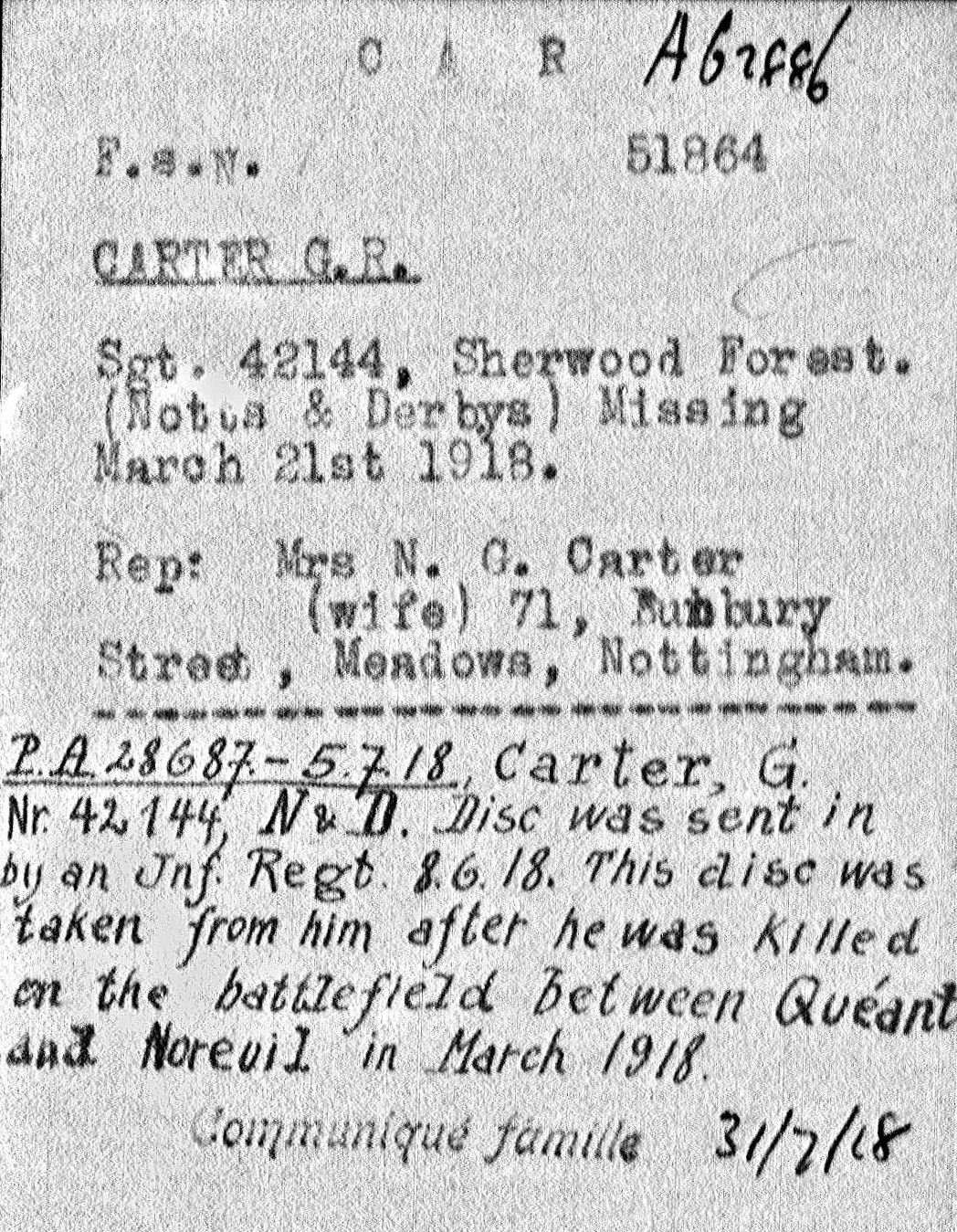
George and his comrades were in the front line trenches at dawn on 21st March when the Germans commenced their Spring Offensive.

Like many of the men of the 178th Brigade George was reported as missing.

In the Summer of 1918 Nellie Carter submitted a request to the Red Cross (presumably via the War Office) if there was any information on her missing husband. She was later to hear the terrible news that George had been killed on the 21st March 1918.

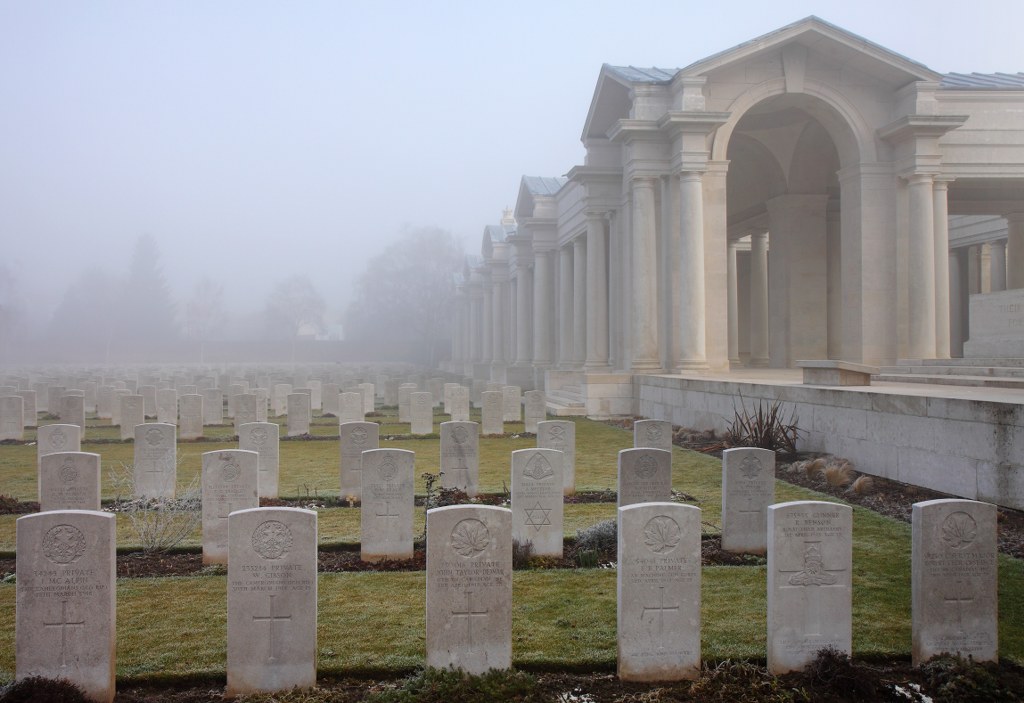
His body was never recovered and he is now Commemorated on the Arras Memorial.

On this day 23rd November 1914

2900 Colour Serjeant Frederick Bull dies aged 42.

Son of Thomas and Elizabeth Bull, of Kirk Langley, Derby; husband of Elizabeth Bull, of The Hall Flats, Ashbourne.

Frederick was a postman and enlisted into the 6th (Reserve) Battalion on the 15th October 1914. Promoted to Colour Sergeant on the 4th November, but discharged on the 10th November 1914.

Frederick had initially enlisted in the Sherwood Foresters (Derbyshire Regt) on the 15th May 1891 aged 19 and had served:-

  • At home 5/91 – 12/92
  • India 12/92 – 2/99 (Tirah Expedition and wounded in 12/97)
  • Home 2/99 – 11/99
  • Malta 11/99 – 5/02
  • Home 5/02 – 5/12
  • Discharged on termination of 2nd period of engagement 14th May 1912

On this day 10th November 1914

Colour Sergeant Keery reported his arrival from the 6th Bn Sherwood Foresters, Harpenden. and becomes Regimental Sergeant Major.

William James Keery

1 NCO and 119 men departed for the 1st Reinforcement to 6th Bn, Harpenden.

[2/6th Battalion War Diary, WO-96-3025-3]

The cooks of the 2/6th Battalion Sherwood Foresters (Notts & Derby Regiment)

The cooks of the 2/6th Battalion (Notts and Derby Regiment) initially encountered difficulties due to a lack of cooking utensils. However Sgt-Quartermaster Roberts was quickly able to secure the necessary items. Cook-Sergeant Samuel Garside was later to be a member of the Tug of War Team that won a famous ‘victory’ on June 16th during a Divisional Gymkhana held at Luton.