Monthly Archives: February 2014

On this day 27th February 1915

27.2.15 (Havre): The Battalion (less 15 & 16 Platoons under Captain Hills) entrained at GARE MARITIME in early morning.

———————————————
Hills

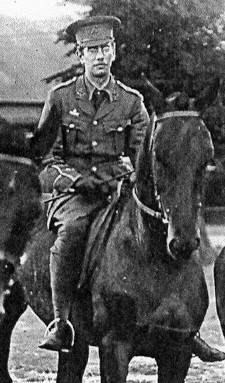
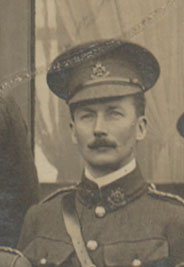
Hills LG 1914Captain Raleigh Hills, 2nd in Command of “D” Company. Born in 1880 at Leamington in Warwickshire he died at Bakewell in 1937.

————————————-

Left Havre at 5 p.m. for a place unknown 24 hours train ride and there billeted in an old barn, 16 miles from firing line, at this place we have to walk about with rifles loaded. On the retreat from Mons the Germans landed as far as here. Steenvorde is the name of the place.

[L/Cpl 1415 Alfred Afford]

We were up at 2-30 and marched on to the dock station. B Company were the fatigue party for the loading. There was only cattle trucks for the men. The whole battalion and transport were on one train. We left Havre at 6-00 a.m. The railway went through the streets at Havre. There was forty three men in the truck that I was in. The train was rather slow, in same places men could jump off the train, run after it and jump in again. At night when we tried to sleep we were in a very cramped condition. On our way we passed Rouen and I saw Gartsides by the side of the line, it made me wish that I was going there instead of where I was.

[2381 Pte. George Potter Bagshaw]
On this day 26th February 1915

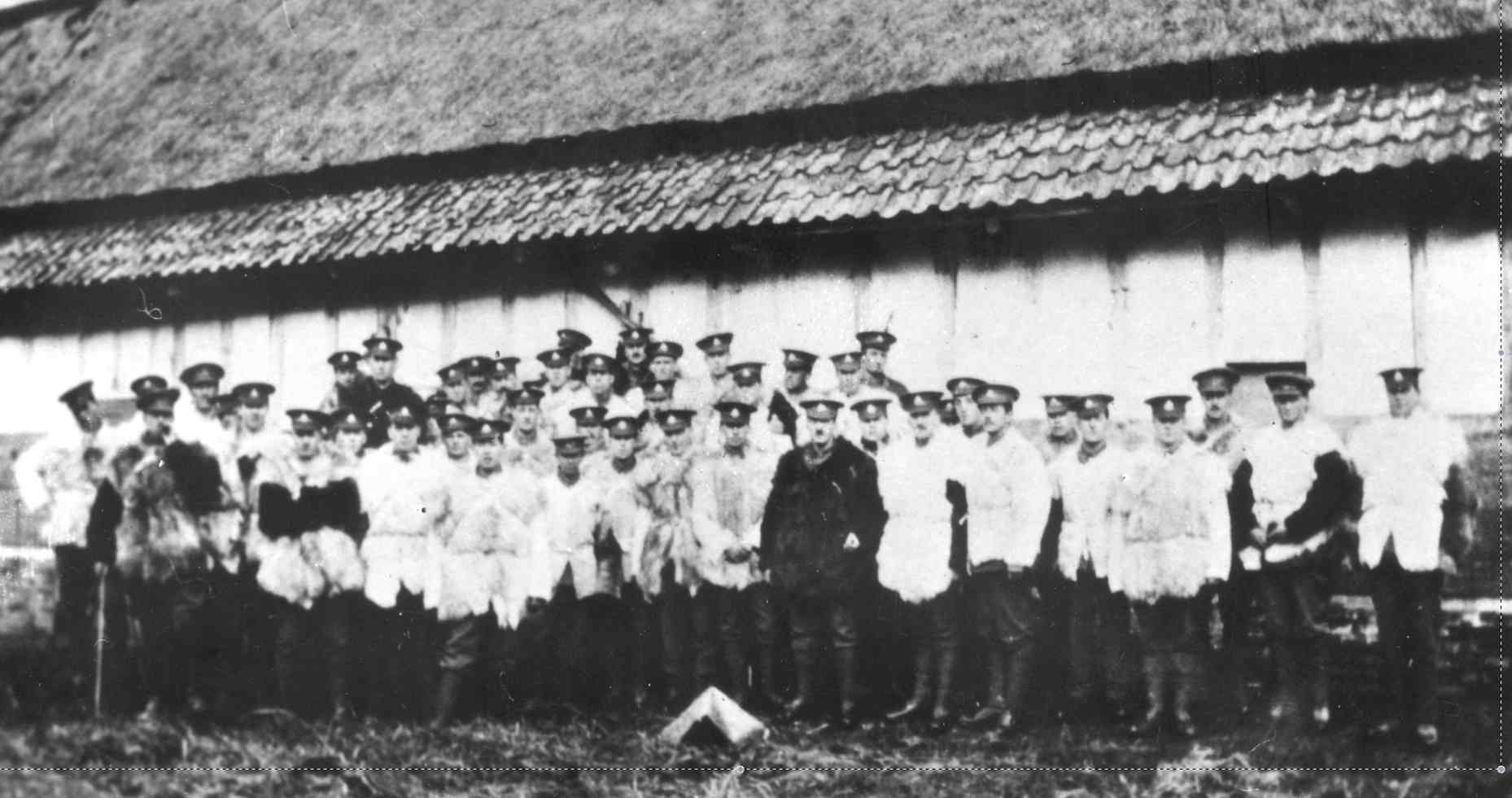
26.2.15 (Le Havre): The men were fitted out with skin waistcoats and extra stores were drawn.1915 C Company

Believed to show Captain Edgar Heathcote and men of Buxton half of “C” Company with their newly issued wool coats. Picture published by R & R Bull of Ashbourne.

Picture courtesy of David Wilkins


We arrived at Havre about 3-00 a.m. after an uneventful night. At Havre they had a revolving searchlight, which lit the bay up for miles. We disembarked at 9-00 a.m. We went into a shed on the side of the docks, staying there until next morning. We were not allowed to go out. We had nothing else only biscuit, bully beef and cheese. There was a good Y.M.C.A. there. While we were there the 4th Black Watch marched into camp just outside Havre. In the afternoon we had our fur coats issued out to us, which came in very handy at night as we slept on the floor.

[2381 Pte. George Potter Bagshaw]
On this day 99 years ago

Embarkation

The North Midland Division starts on the “The Great Adventure”

More more details see here.

25.2.15 (Braintree): The Battalion left by 2 trains at 5 a.m. and 6.40 a.m. First Reinforcements made up by 71 from Reserve Battalion left at Braintree under JE Symonds.

25.2.15 (Southampton): The Battalion embarked Headg, A & B Companies and Transport on “MAIDAN” C & D Companies under Major Hall on “KING EDWARD”.

———————————————–

Symonds

John Symonds

On this day 23rd February 1917

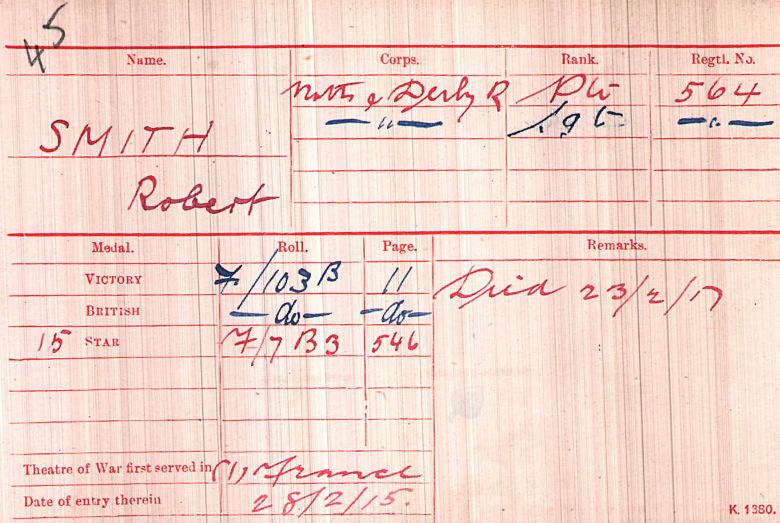
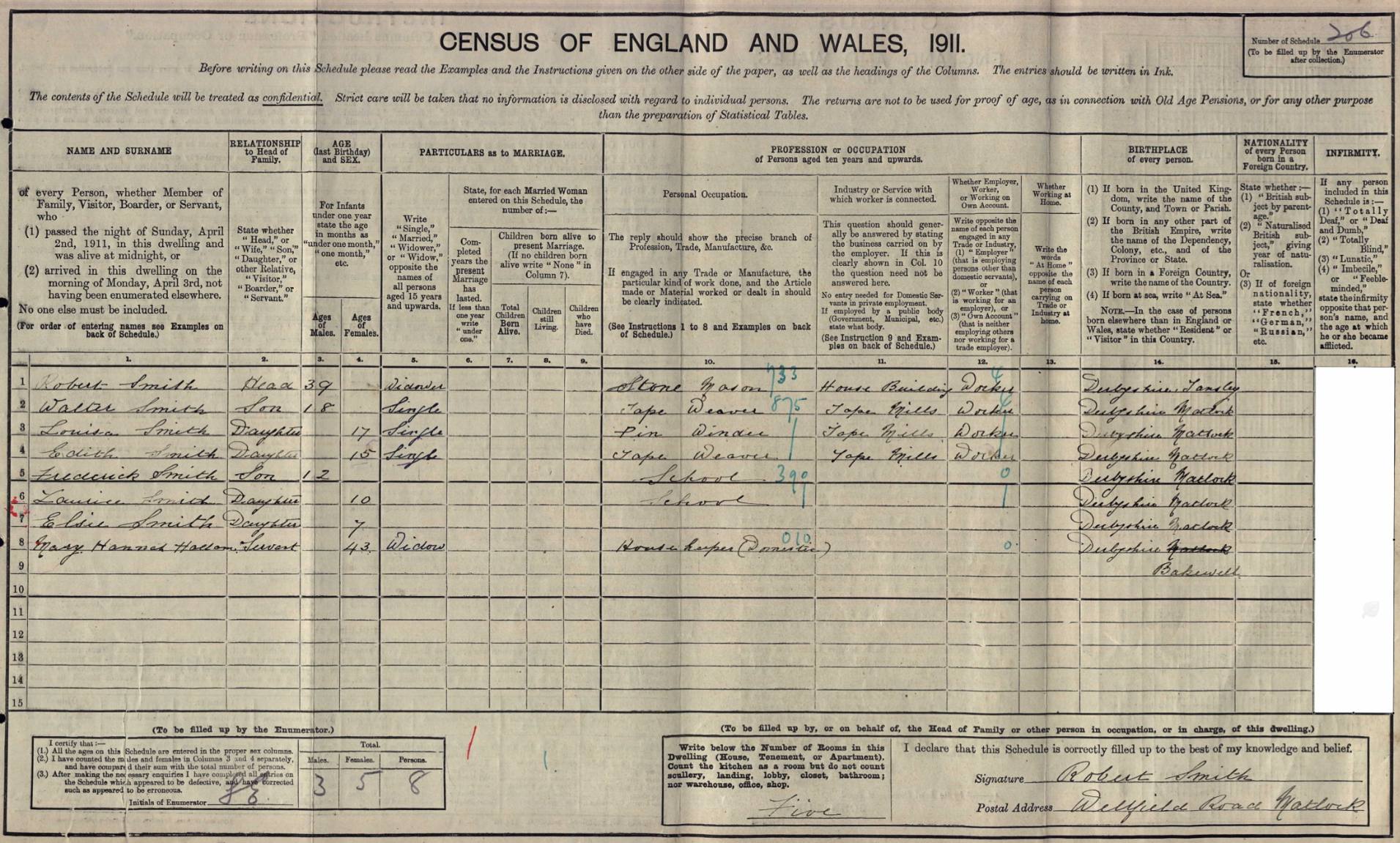
564 Sergeant Robert Smith died aged 46, but there are no details.

564 SmithRobert was a Pre-War Territorial and is buried in Warlincourt Halte British Cemetery in Saulty, which was the site of the 20th and 43rd Casualty Clearing stations.

Smith CensusIn the 1911 Census Robert was living in Wellfield Road in Matlock and was a stone mason by trade. He was a widower with 6 children.

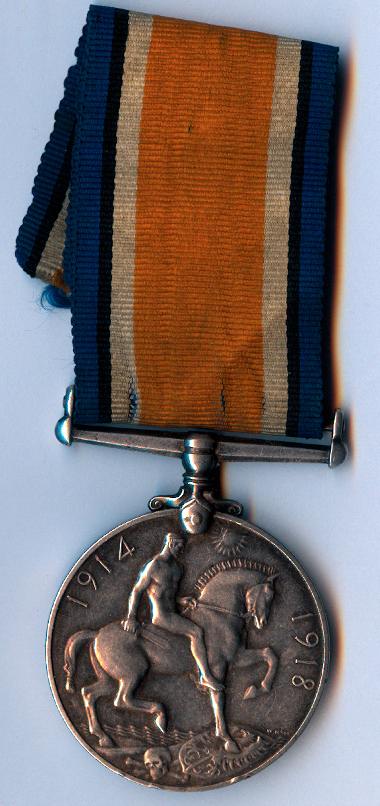
564 SmithRobert arrived in France with the 46th Division in February 1915 and is entitled to the 14-15 Star, British War and Victory Medals.

On this day 17th February 1917

2590 chadwick

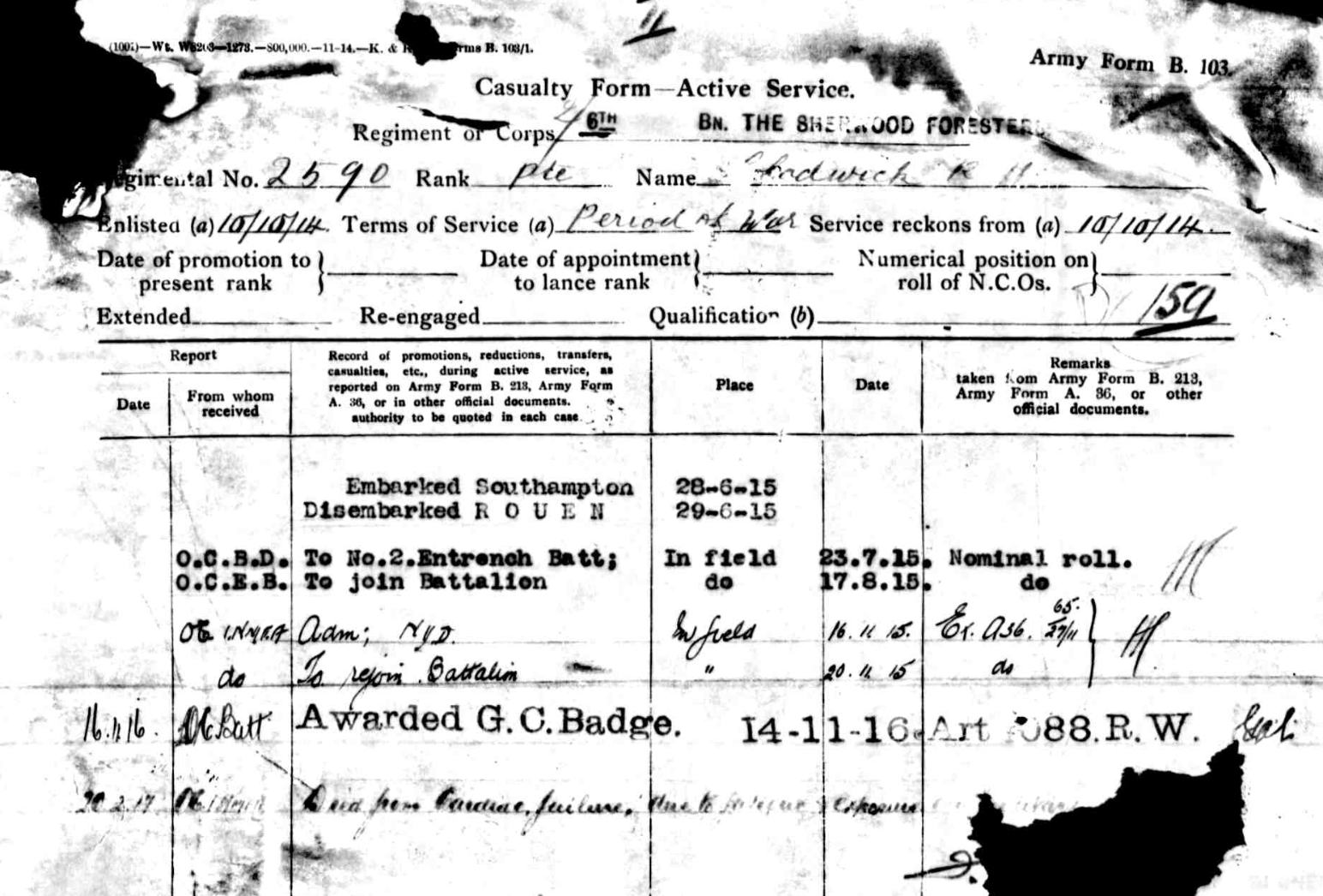
2590/240653 Robert Henry Chadwick aged 42 died of ‘cardiac failure due to fatigue’ in the 1st North Midland Field Ambulance and is buried in COUIN NEW BRITISH CEMETERY.

Coulin

Robert was a quarryman by trade and the son of Mr and Mrs George Chadwick of Bakewell. He had enlisted into the 6th Reserve Battalion in October 1914 and arrived in France with the II Reinforcement in June 1915.

——————————————————–

Also wounded that day by gas poisoning were:-

  • 3850 Pte. J W Ball (“B Company).
  • 3221 Pte. Leonard Arthur Barnard (“A” Company) a pony driver from Staveley. Enlisted in October 1914 and arrived in France with the 46th Division in February 1915.
  • 3714 Pte. Joseph Cox (“C” Company). Enlisted in January 1915 and arrived in France with the IV Reinforcement in October 1915.241311 Crawley
  • 3997 Pte. Arthur Crawley (“C” Company). Enlisted in February 1915 and arrived in France in 1916. Discharged in June 1918 due to shell shock.
  • 2927 Cpl. Charles Greatorex (“B” Company). Enlisted in October 1914 and arrived in France in 1916. A tape weaver from Wirksworth.
  • 4218 Pte. Albert Kirk (“A” Company) Enlisted in March 1915 and arrived in France in 1916.3734 Lynam
  • 3734 Tom Lynam (B” Company). Enlisted in January 1915 and arrived in France in 1916.4281 Redman
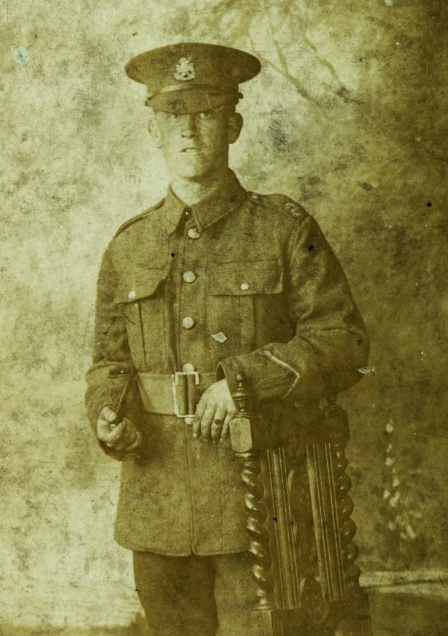
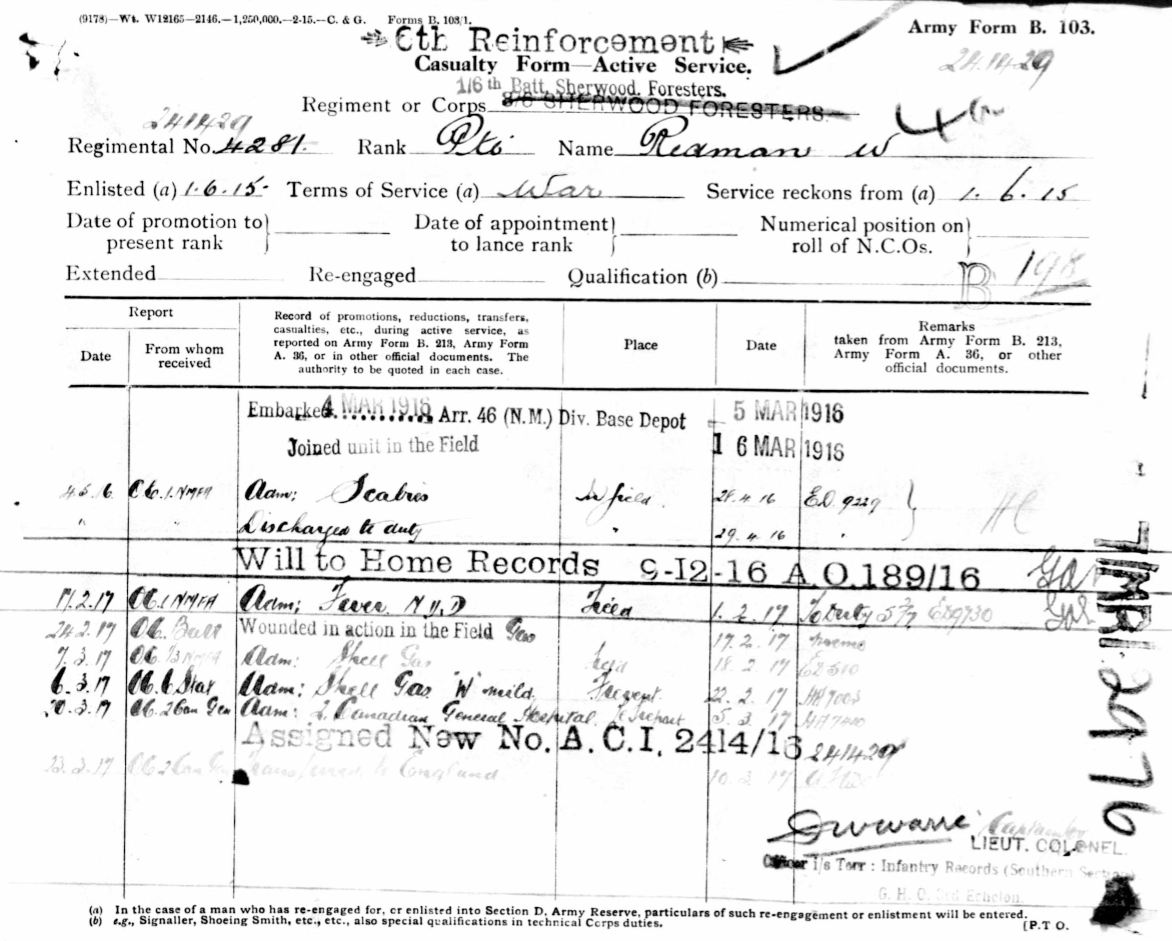
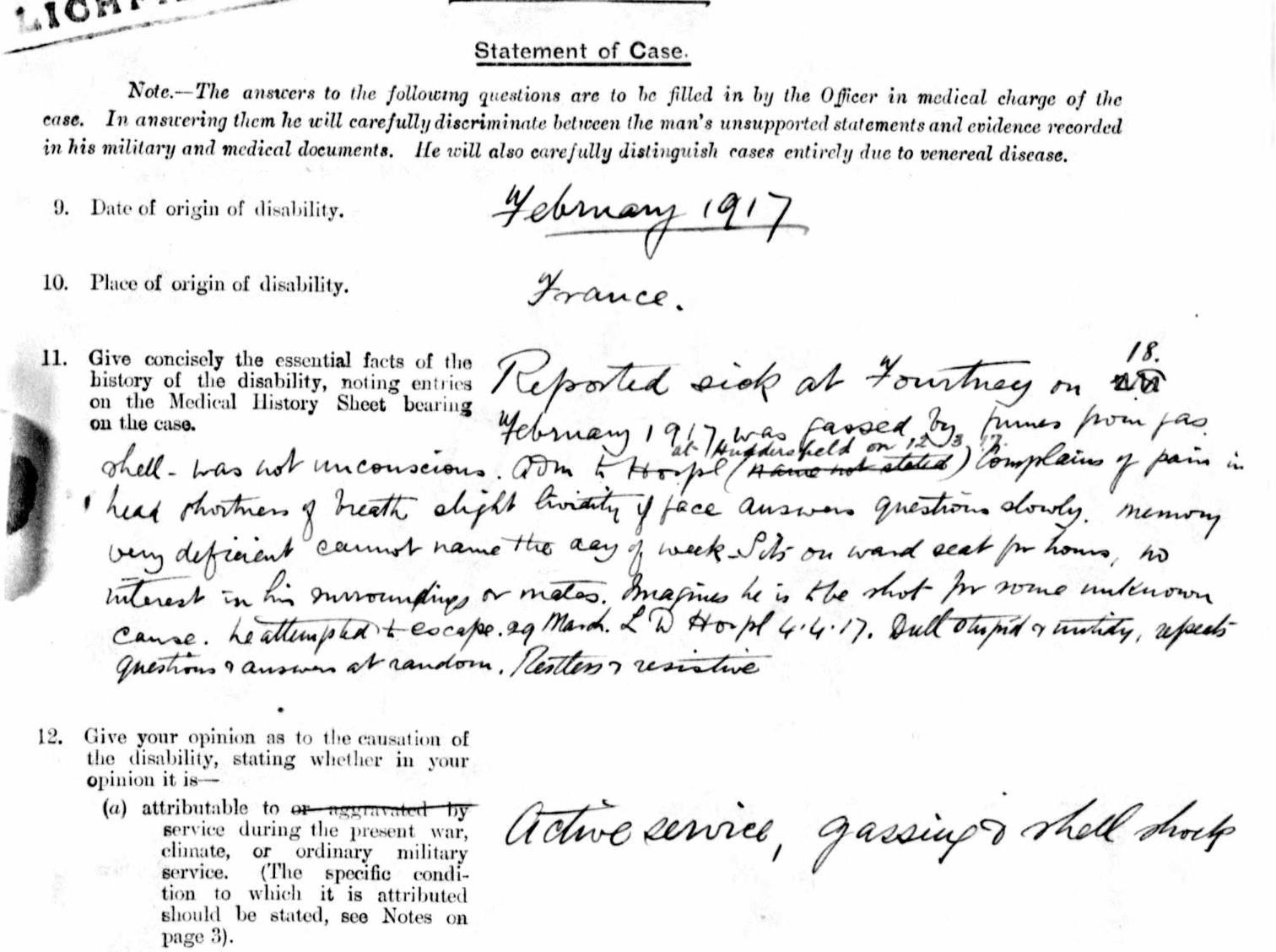
  • 4281 Pte. William Redman (“B” Company). Enlisted in January 1915 and arrived in France   with the 6th Reinforcement in March 1916. Suffered severe gas poisoning and shell shock and was discharged in April 1918.4281 Redman 2
  • 4204 Pte. Ernest Smith (“D” Company”). Enlisted in March 1915 and arrived in France with the  IV Reinforcement in October 1915.
  • 4124 Pte. Arthur Warren (D” Company). Enlisted in March 1915 and arrived in France with the  IV Reinforcement in October 1915.
  • 2928 John Else Gratton (“B” Company). Enlisted October 1914 and arrived in France in 1916.

On this day 10th February 1916

The Battalion marched into Billets in Beaumetz.

War Diary 10th February 1916

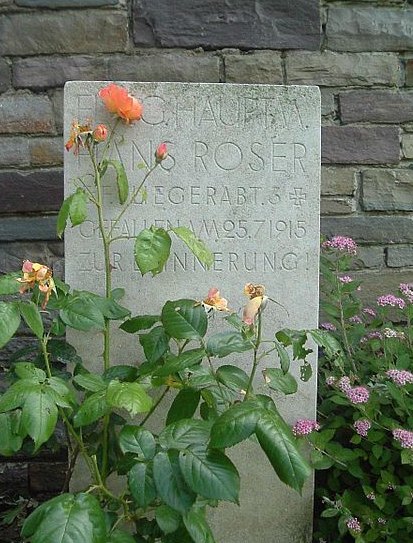
Also on that day they received a letter of thanks from FRAU ROSSER, wife of CAPTAIN ROSER who fell from a German Aeroplane by SANCTUARY WOOD on the 25th July 1915 and was buried by the BATTALION, his flight badge having been sent to his widow.

War Diary 25 July 1915

RoserHans Roser (Marburg, 29 March 1893 – Ieper, 25 July 1915)

“We spent a further six days in Strong Posts in Sanctuary Wood and Maple Copse, during which an enemy areoplane was brought down in flames. This was claimed by the Archies as a victim, but as the petrol tank was perforated in nine places by bullets their claim was disallowed.

It was an interesting sight for those who saw the event-the first burst of smoke, the observer throwing himself out, falling the greater part of the way like a partly deflated balloon (his trench coat held the air), the bump when he struck the ground, the sweep of the machine as it turned to land in the open by Maple Copse, and the perfect landing, from which it was obvious that the pilot was concious when the ground was reached. Within a few seconds of landing, three enemy shells burst directly over the plane, evidently intended for an anticipated rush of the curious.

The charred remains of the pilot were removed, when the fire had burned out, and buried, together with the remains of the observer, in the cemetery at the east of the wood. The light machine gun with which the plane was equipped was recovered and is now at Derby.”

[1/5th Sherwood Foresters]

—————————–

Albatross

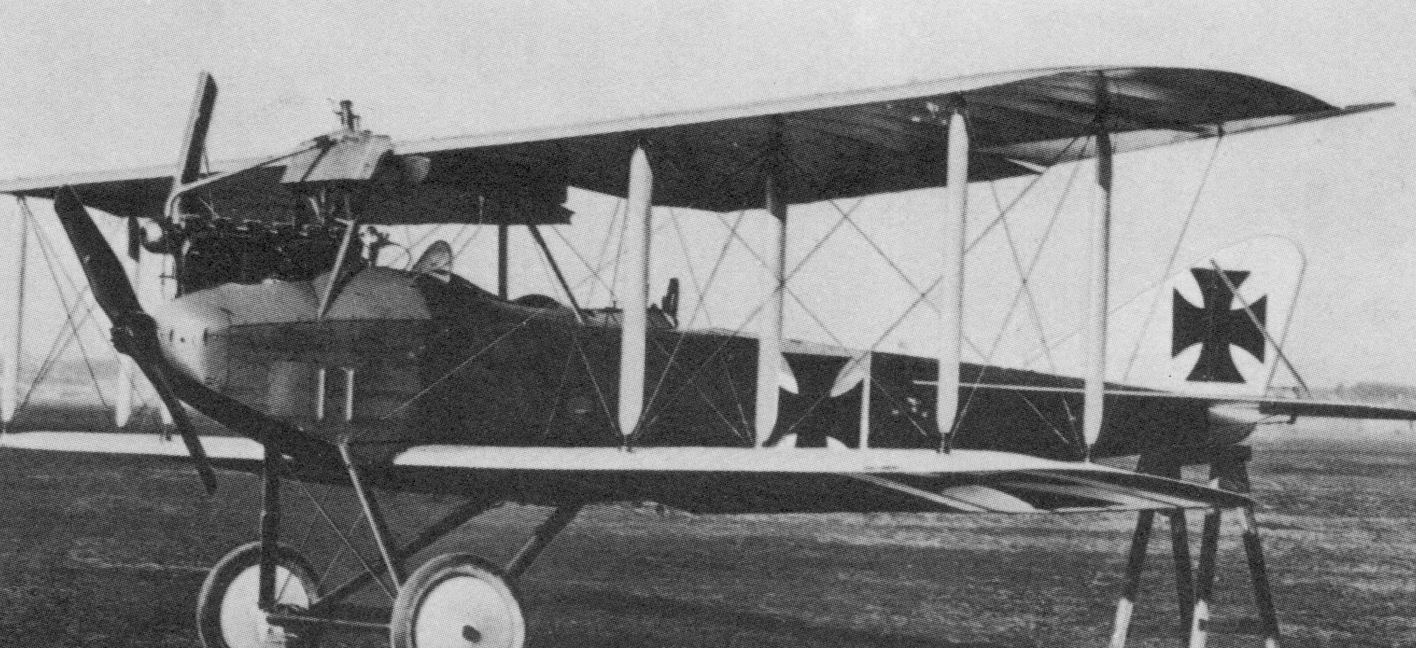
The German aeroplane was an Albatros C-type (armed two-seater reconnaissance aeroplane) from Flieger-Abteilung 3 and crewed by Oberleutnant Alfred Übelacker (Pilot) and Hauptmann Hans Roser (Observer).

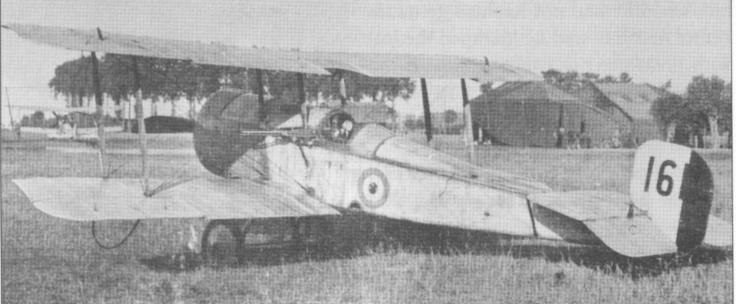
1611 PlaneThe victory was credited to Captain Lanoe Hawker of No. 6 Sqn RFC who was flying in Bristol Scout 1611 (seen above). He’d had an inconclusive fight with another German aeoplane and had also shot down an Albatros C-type earlier that same evening; these were the second and third victories of his eventual tally of seven. He was awarded the Victoria Cross for his exploits on 25 July.

Hawker

Major L G Hawker VC was later killed in action in a fight with Manfred von Richthofen on 23 November 1916.

Hawker fight