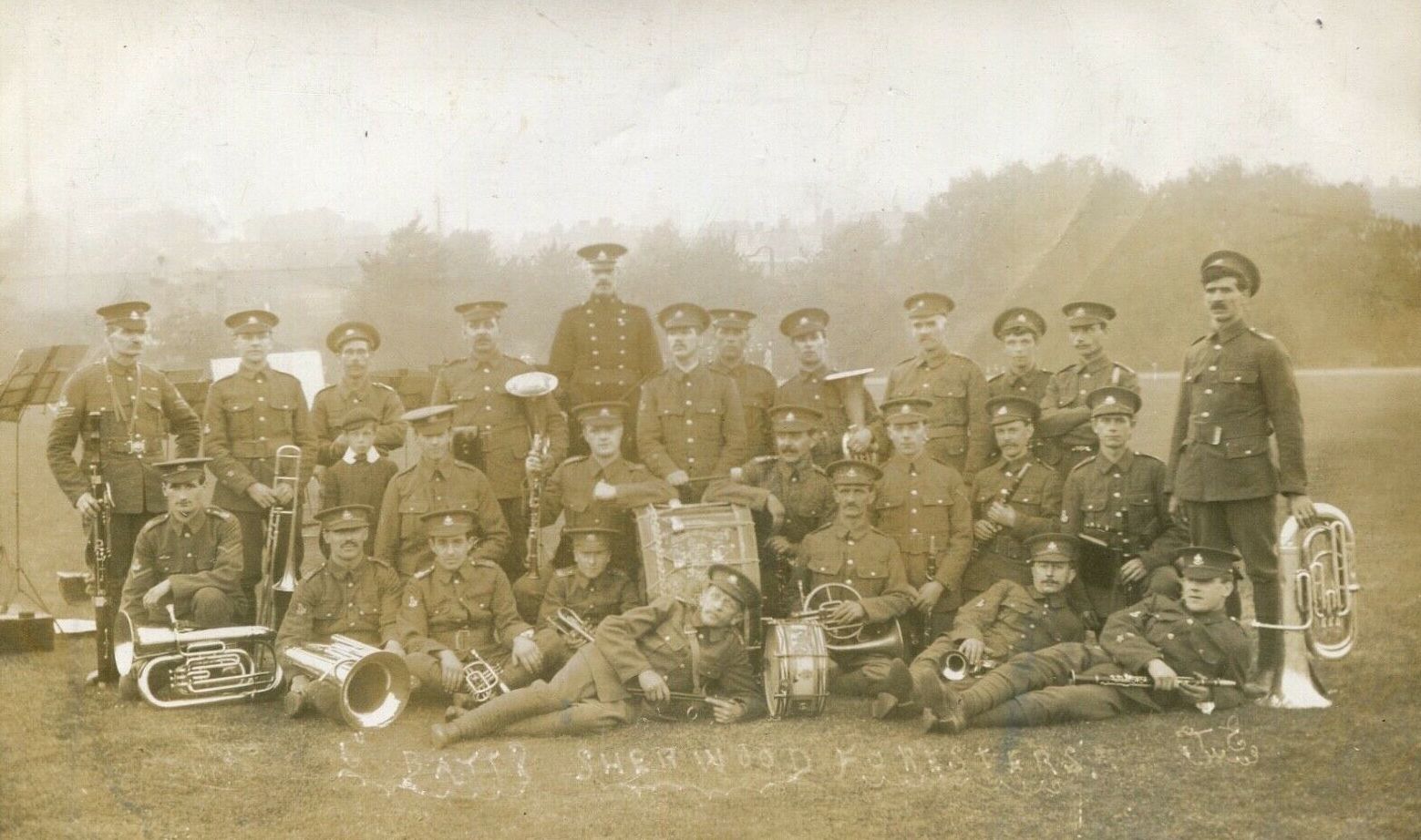
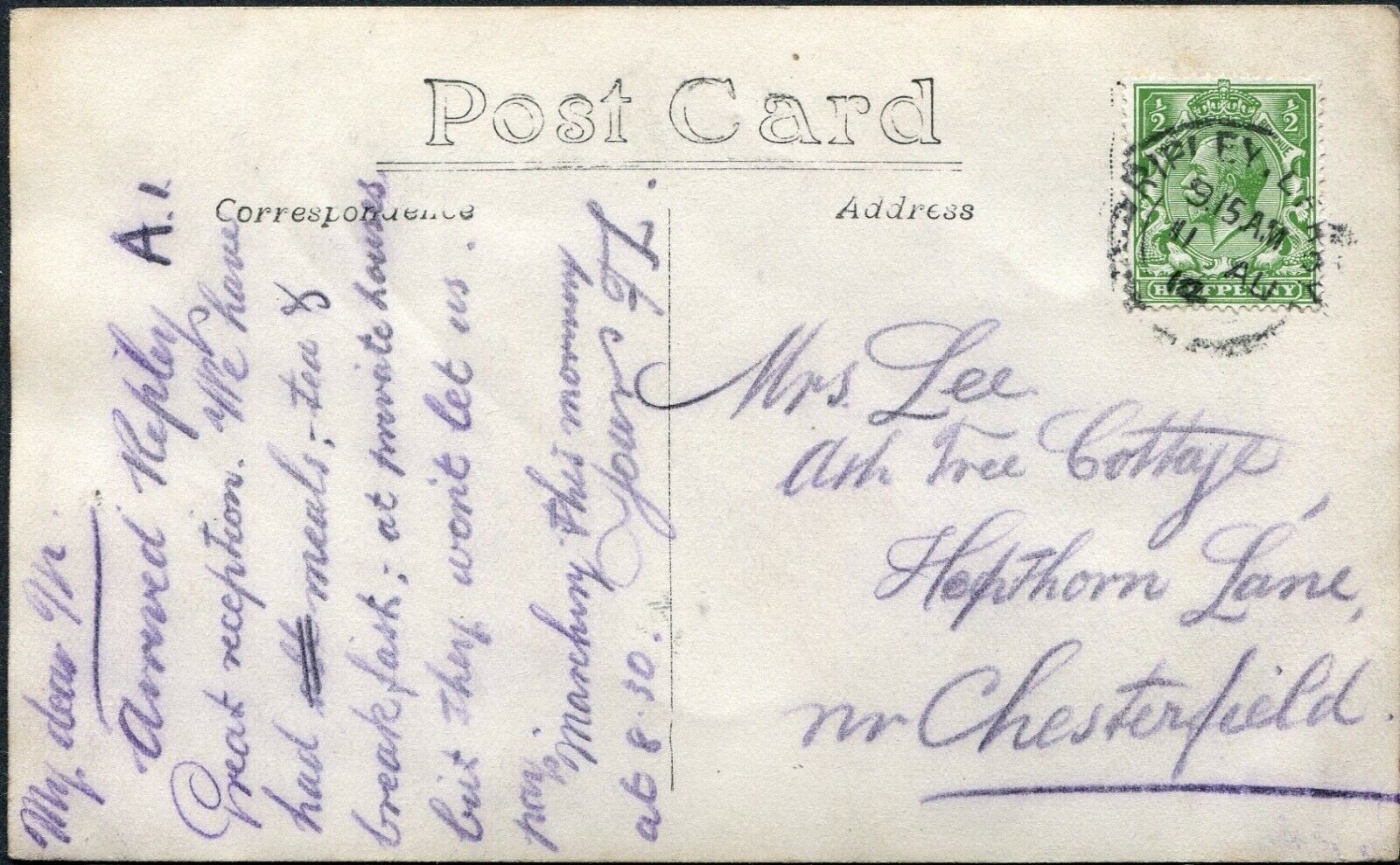
“My dear Ma. Arrived Ripley. Great reception. We have had meals, teas and breakfast at private houses, but they won’t let us pay. Marching this morning at 8.30. Yours FL”
Dated 11 August 1914

“My dear Ma. Arrived Ripley. Great reception. We have had meals, teas and breakfast at private houses, but they won’t let us pay. Marching this morning at 8.30. Yours FL”
Dated 11 August 1914
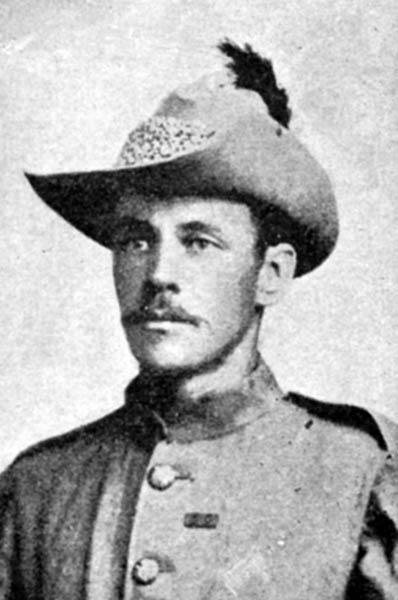
I thought I’d share this little story with you, which I found in looking through the WW1 pension records – two sets that is!
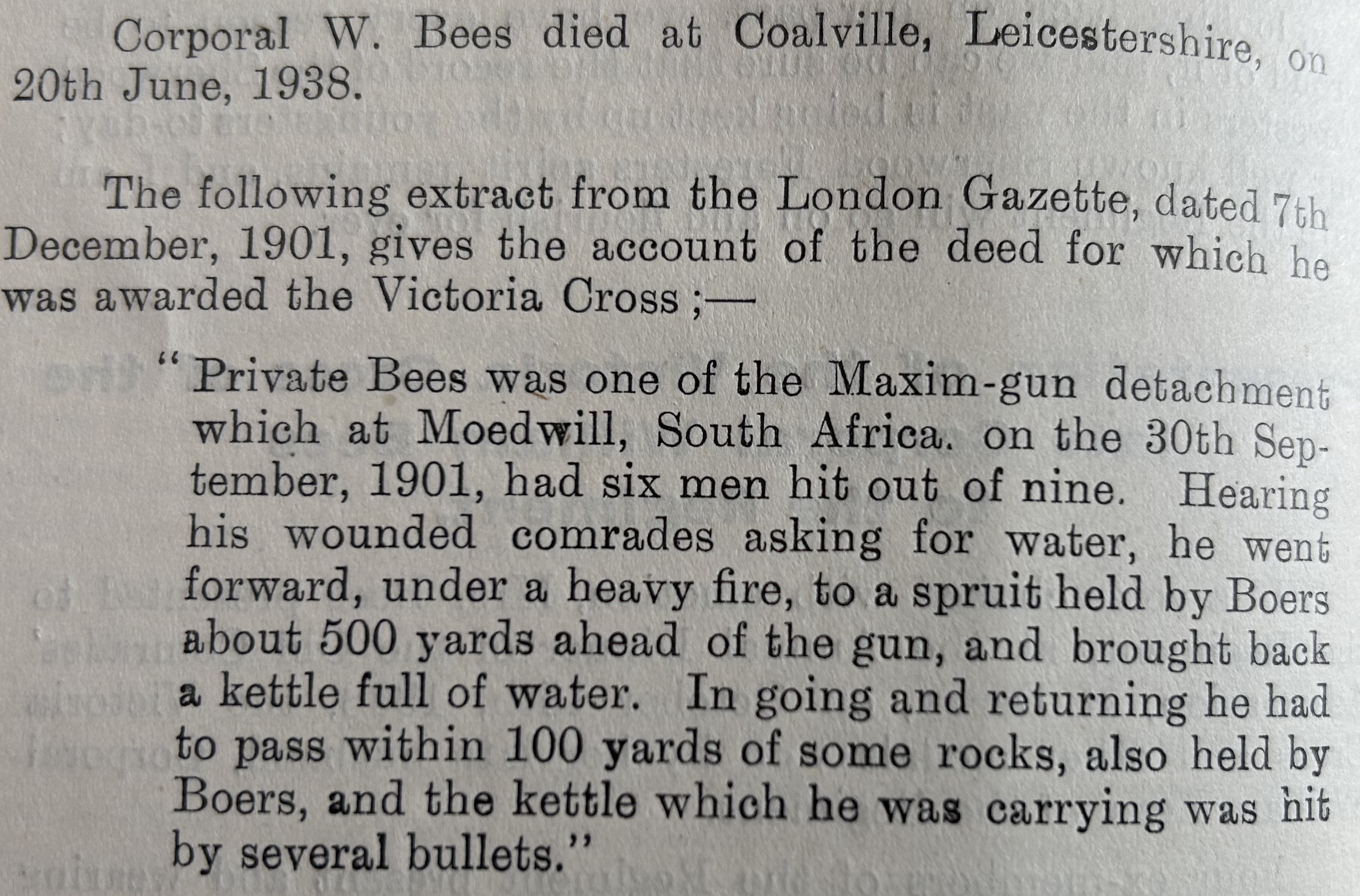
2753 Private William Bees was serving with the 1st Battalion Derbyshire Regiment (Sherwood Foresters) when he won the Victoria Cross in 1901.
The citation reads:-
“For most conspicuous bravery and devotion to duty. On 30th September 1901, at Moedwil, South Africa, Private Bees was one of the a Maxim-Gun detachment which suffered heavy casualties, six out of nine men being hit. Hearing his wounded comrades asking for water, Private Bees went forward under heavy fire to a spriot held by the Boars about 500 years ahead of the Gun, and brought back a kettle filled with water. In going and returning he had to pass within 100 yards of some rocks also held by the boars and the kettle he was carrying was hit by several bullets”
A truly brave man……..but what a rogue.
On 2nd October 1914 he enlisted in the Sherwood Foresters aged 42 years and was posted to the 12th Battalion. He was formerly discharged on 27th October as medically unfit.
On the 19th October 1914 (8 days before he was discharged) he enlisted in the Royal West Surry Regiment in London aged 31 years and was posted to the 7th Battalion. He was found to be “totally inefficient and unreliable” and on the 11th November he was issued a weeks leave to secure civil employment before discharge.
He remained absent and had left a false address with the battalion. Finally the police were able to trace him to Coalville and on 9th December the Leicestershire Constabulary paid him a visit. On being told he was going to be arrested he produced his discharge certificate from the 12th Sherwood Foresters and told the police he would be “found at this address if there were any orders for him”. They left.
And the Army did not know what to do with him………
On the 17th December the OC 7(S) Battn The Queens requested that Sergeant Bees should be discharged because “he is a very undesirable type”.
On the 21st December the OC 55th Division submitted the matter for the decision of the GOC 18th Division.
On the 19th January he was discharged under para 392 (XI) KR – For Misconduct.
And the best bit!
On his Attestation to the Royal Surrey Regiment, when it asks he has ever been rejected as unfit – he put YES, then crossed it out and put NO!
I had a little chuckle.
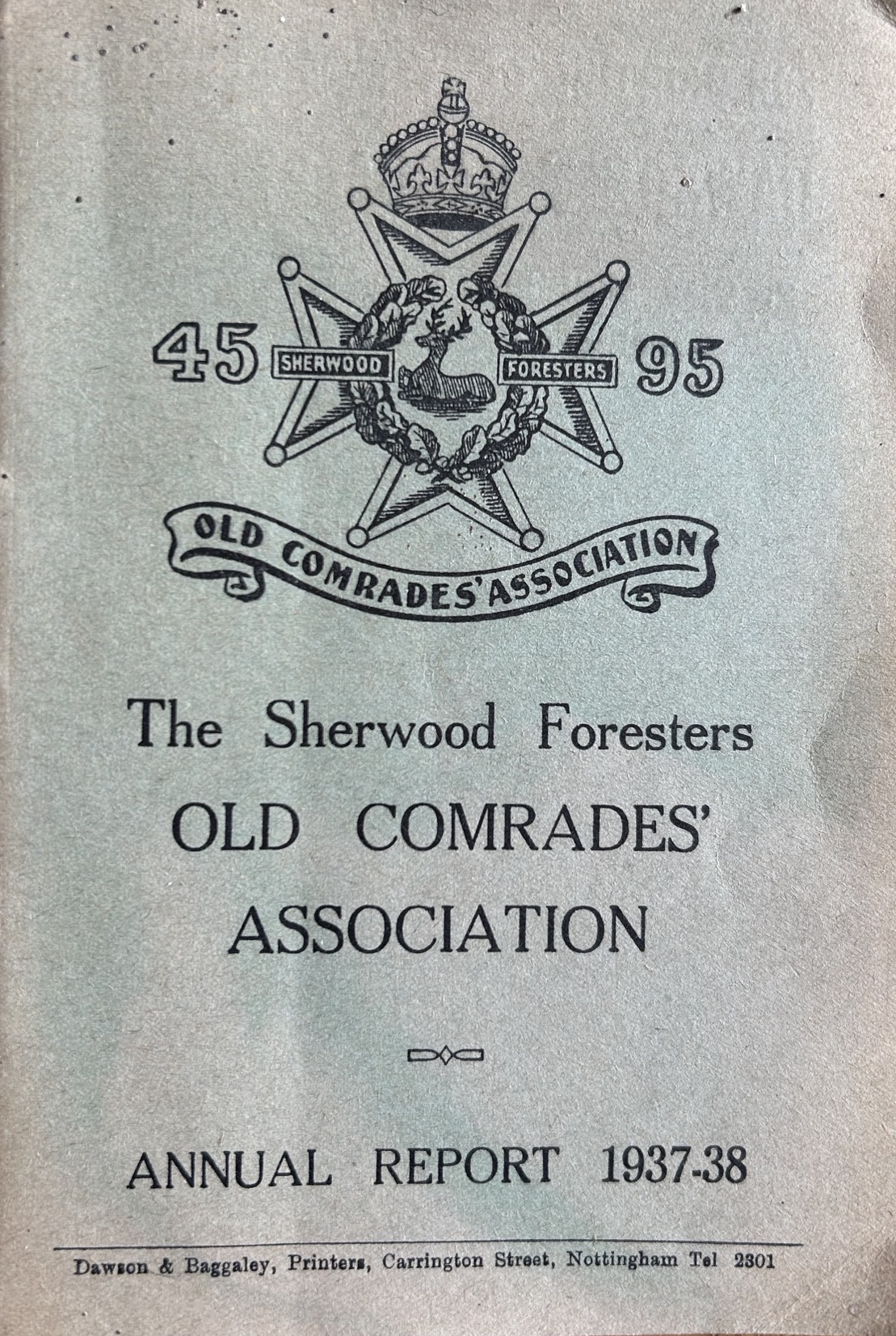
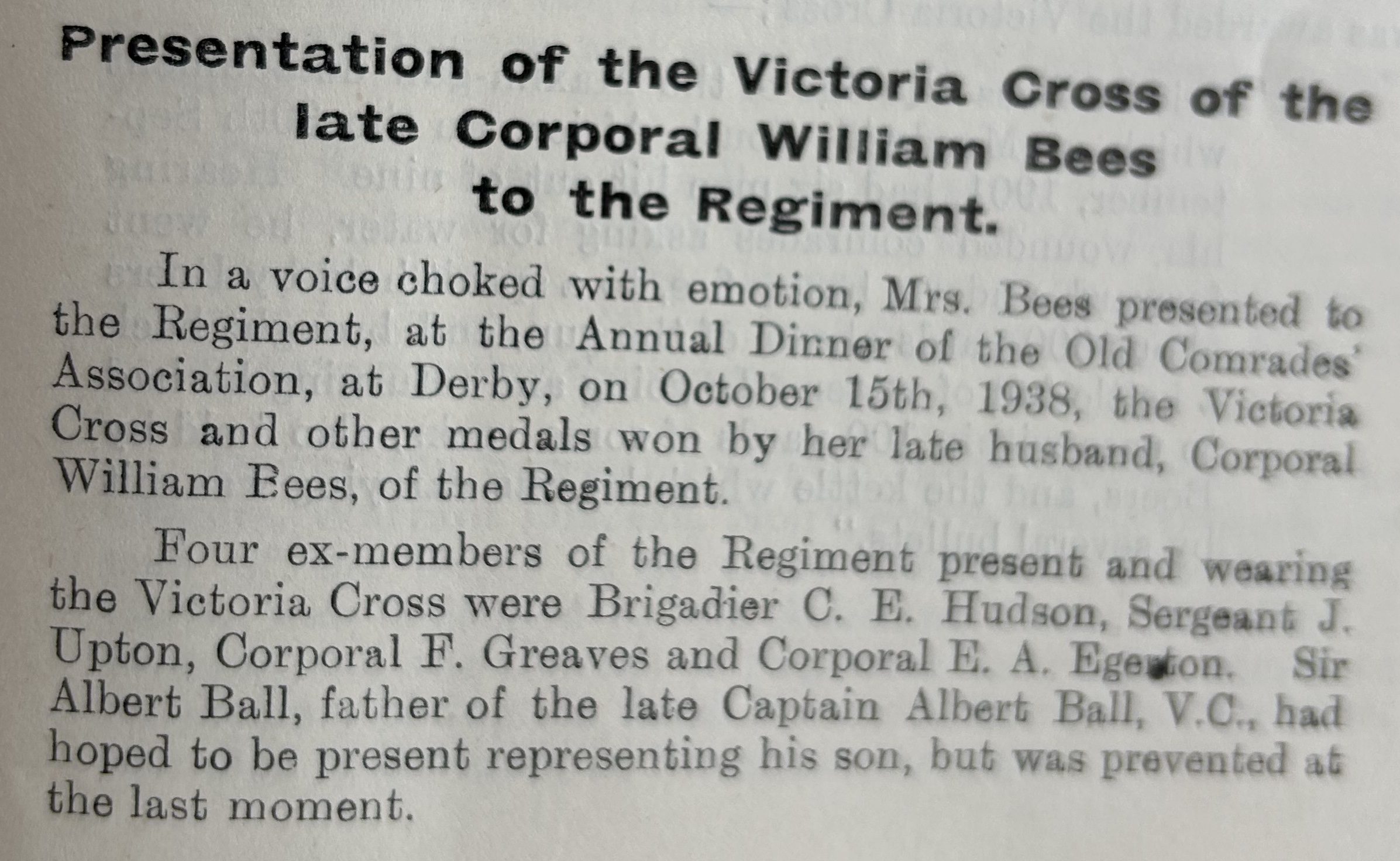
His Medals were later gifted to theRegiment at the Annual Dinner of the Old Comrades Association in October 1938.
Served in the 2/6th and 10th Battalions
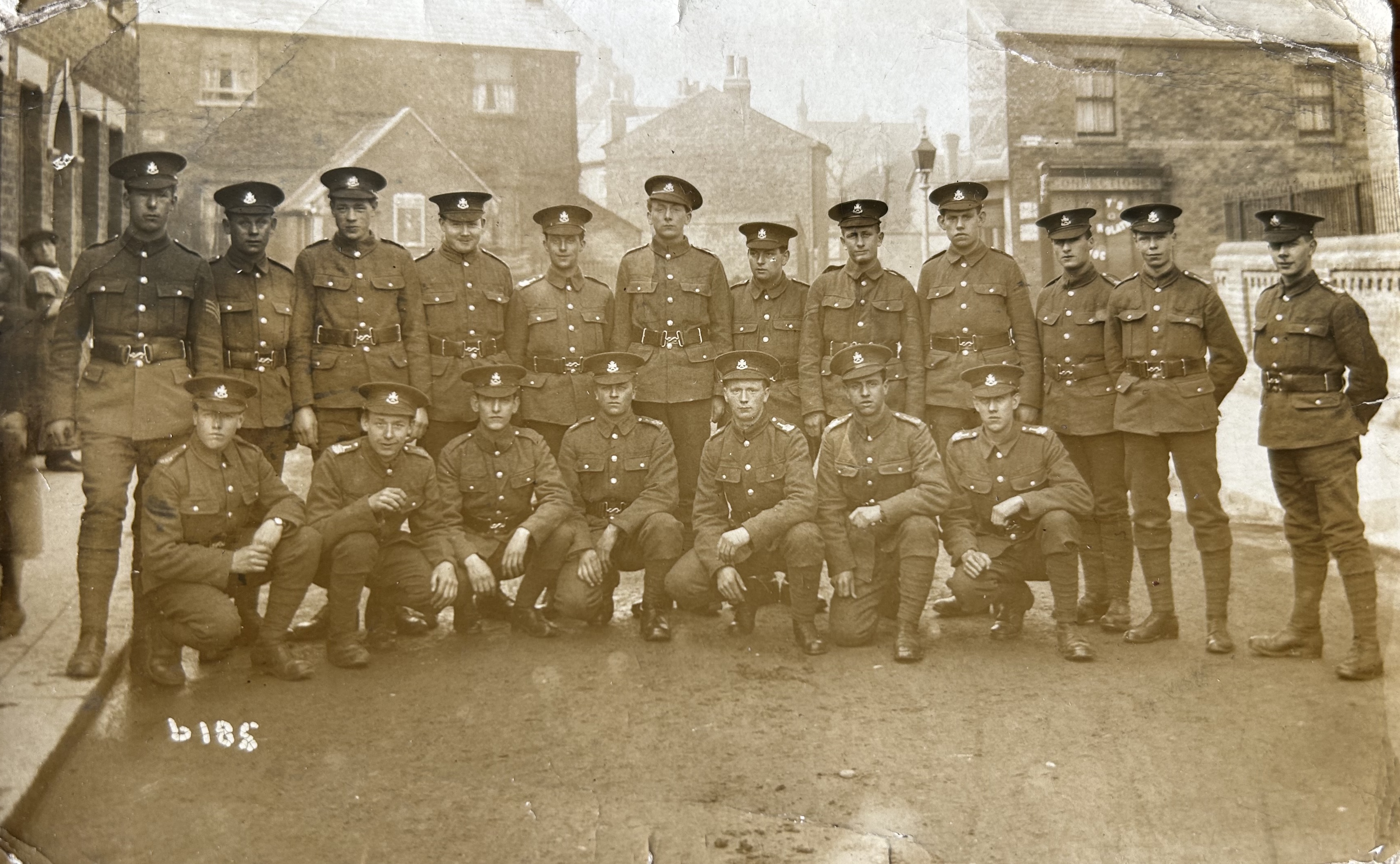
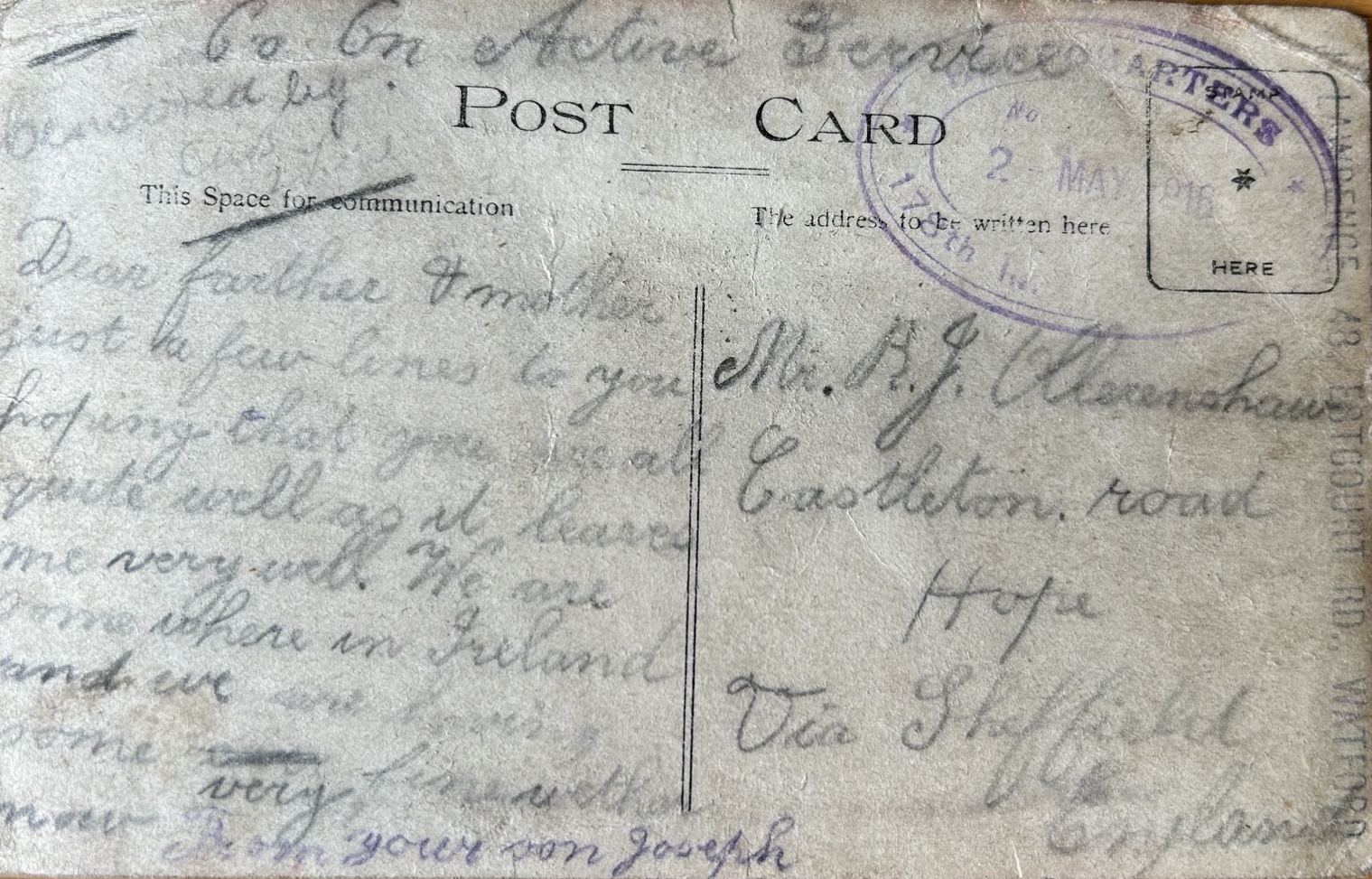
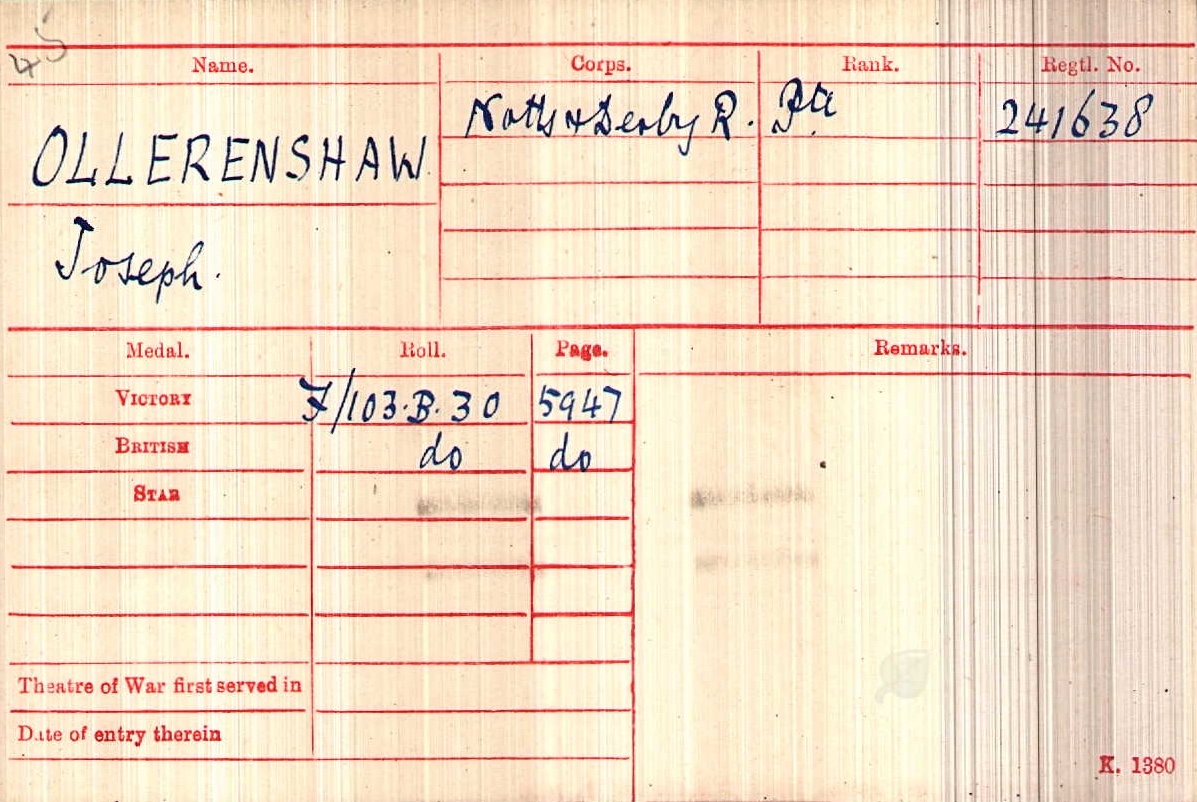
Joseph Ollerenshaw was born in 1895 in Bradwell in the High Peak. In the 1911 Census he is recored as living at Stumperlowe Grange Farm in Fulwood and was a farm worker.
Joseph enlisted into the 3/6th Battalion in December 1915 and was subsequently transferred to the 2/6th Battalion. His 4-digit Territorial number was 4685.
Joseph was serving with the 2/6th Battalion, 178th Brigade, 59th Division when it was sent to Ireland in response to the Easter Rising in 1916.
“Dear father & mother just a few lines to you hoping that you are all quite well as it leaves me very well. We are somewhere in Ireland and we are having some very fine weather now. From your son Joseph”
Joseph proceeded to France with 59th Division in early Spring 1917.

At some point Joseph transferred to the 10th Battalion, which could have been when the 2/6th Battalion was disbanded, in May 1918 or he may have been wounded and following recovery posted to the 10th Battalion ?
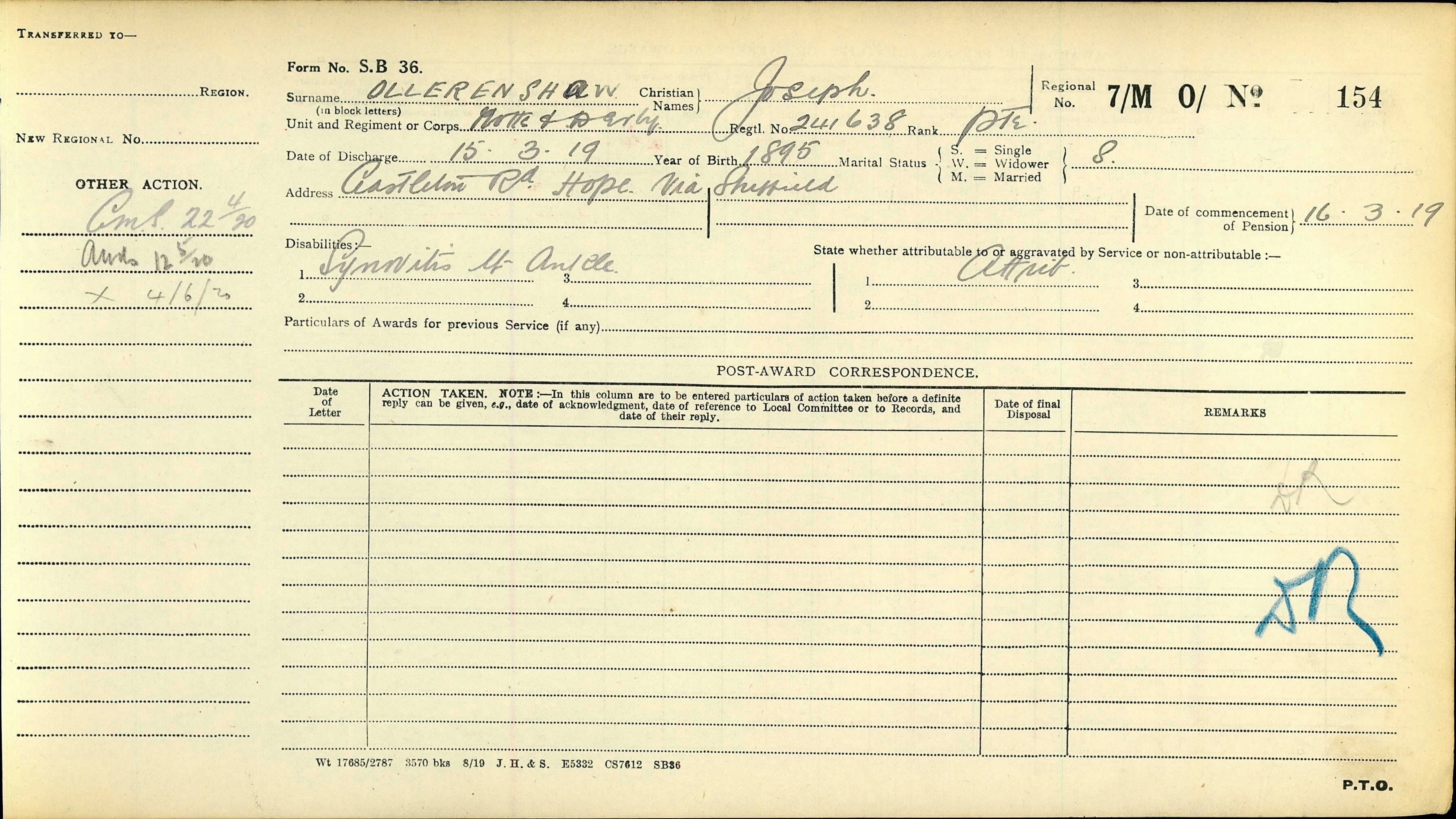
Joseph was discharged in March 1919 and received an Army pension due to ‘synovitis of the left angle’ that was attributed to active service.
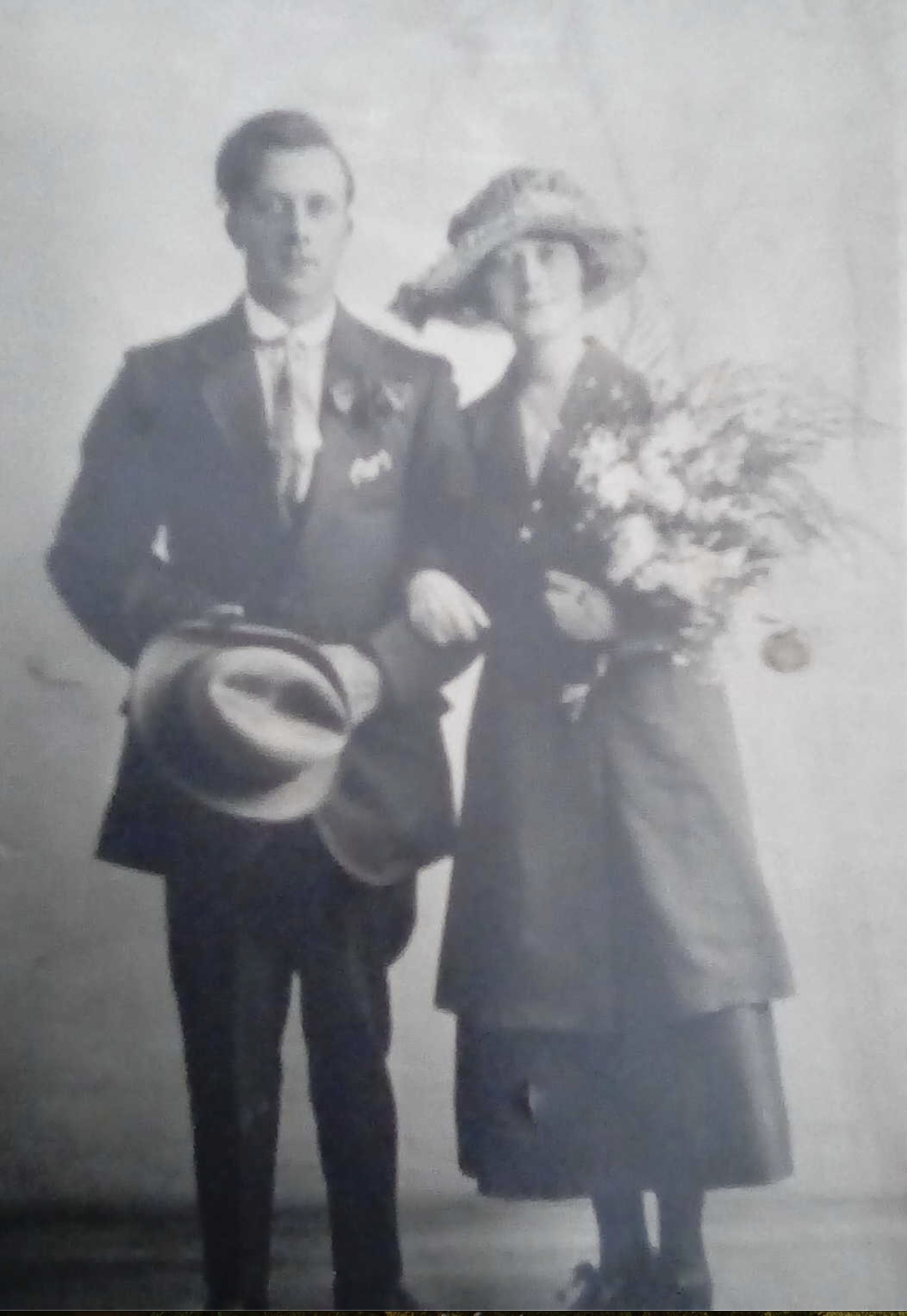
Joseph Ollerenshaw married Elsie Pye in Stockport, Cheshire in April 1922 when he was 26 years old – see here – they had one child during their marriage. He died in 1960 in Stockport, Cheshire at the age of 65.
Enlisted in October 1914; Served with “B” Company and later with the Trench Mortar Battery. An enquiry was later sent to the Red Cross regarding his capture.
The different spellings of his name make him a difficult man to track down.
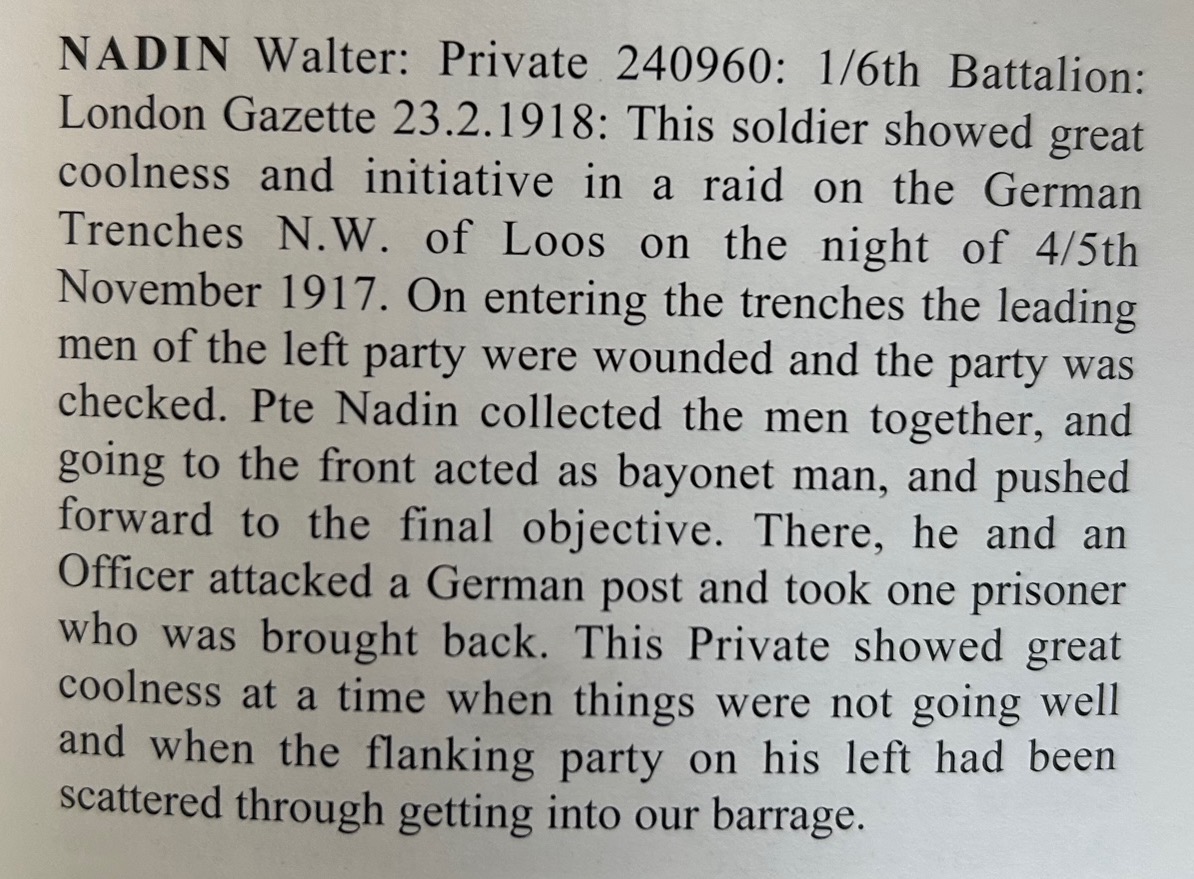
Walter won a Military Medal during a raid on the German trenches – see here

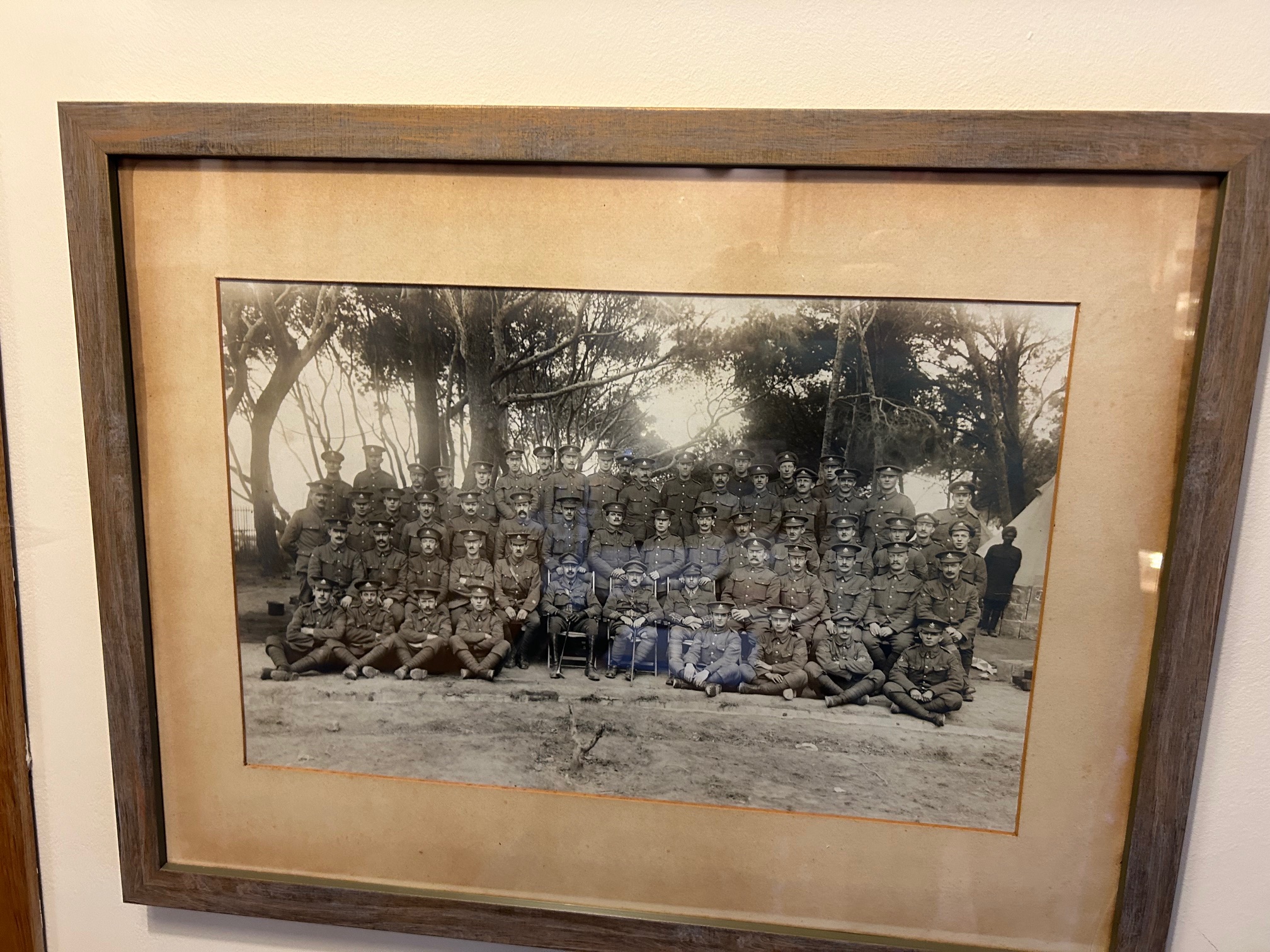
Warrant Officers and NCOs of the 1/6th Battalion taken in Marseilles in January 1916
Yes, they are all indifferent frames, but hey ho. This is the 6th Battalion corner!
Officers and WO/NCOs from 1916
“A” Company NCOs from Scarborough 1911
Officers from Scarborough 1909

Served from September 1914 until February 1919 with the 1/7th and 1/6th Battalions

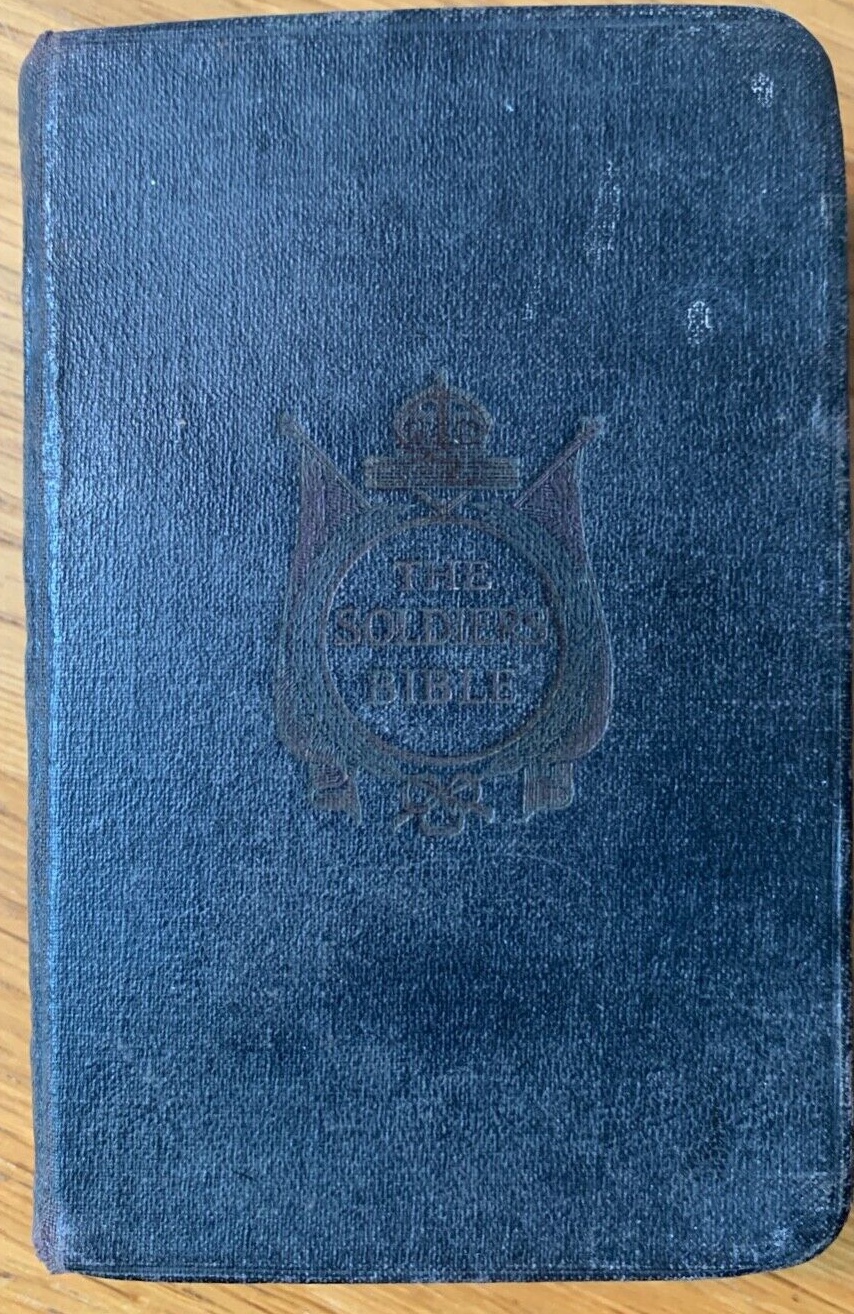
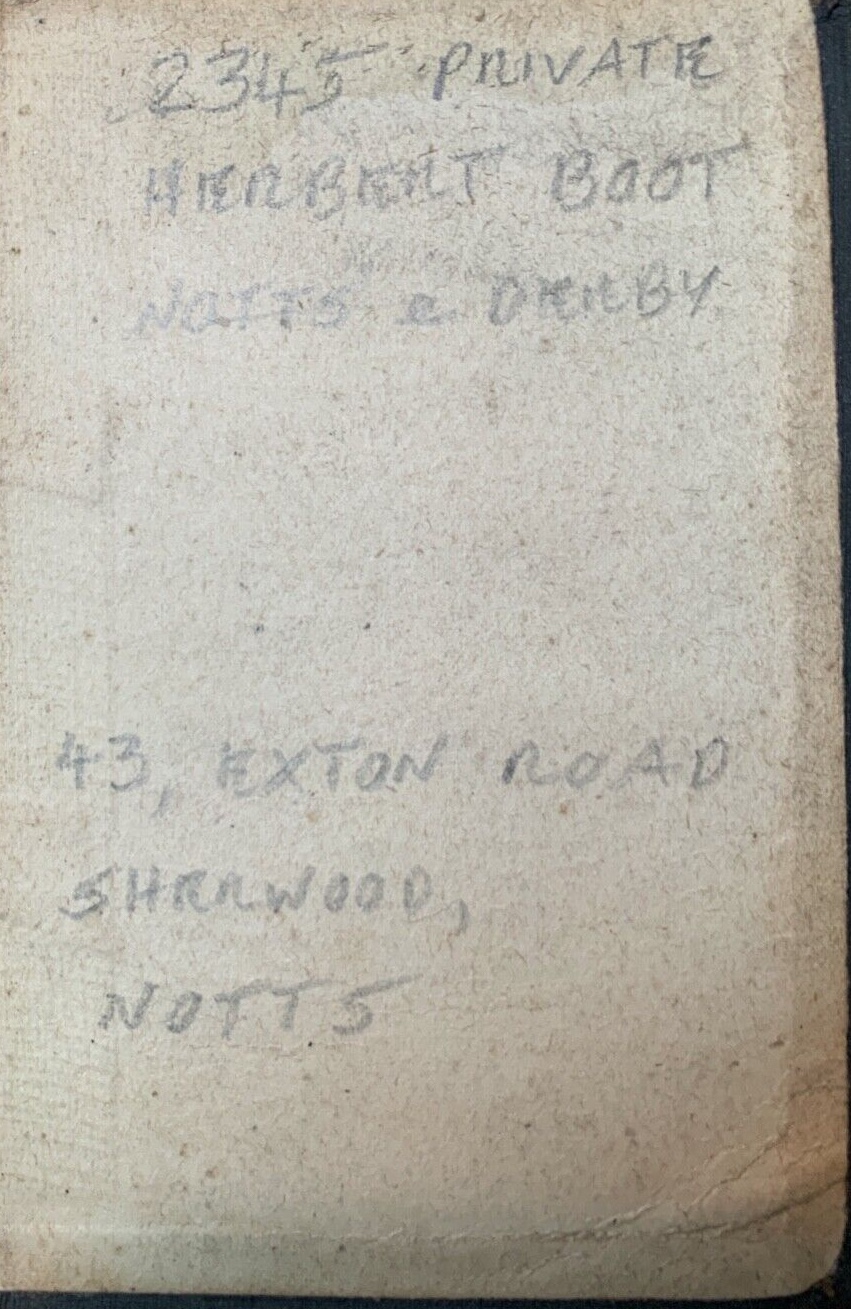
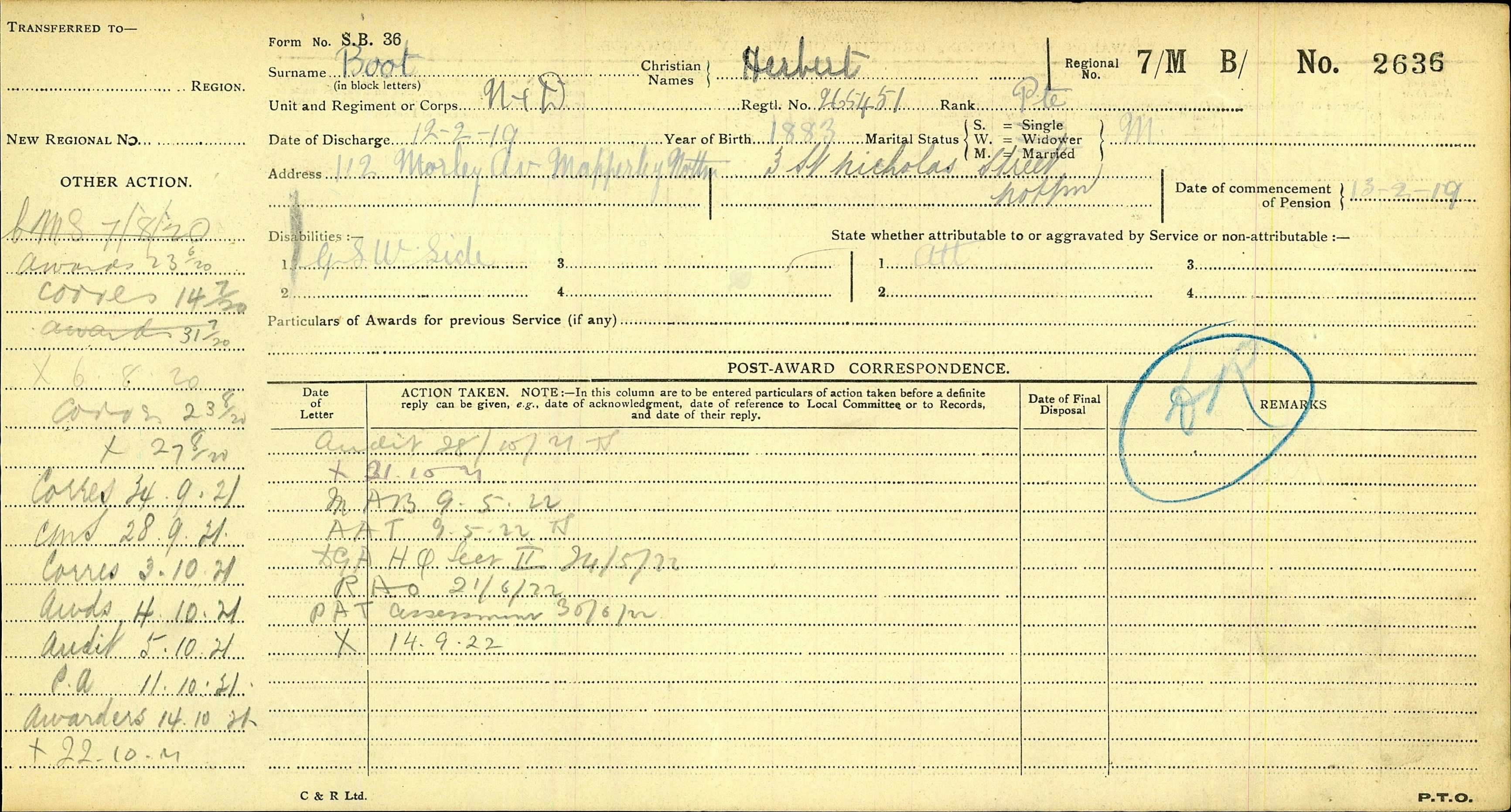
Herbert was born in East Markham in Nottinghamshire in 1883 and the 1911 census records him as an ironworks fitter.
He enlisted into the 7th Battalion on 6th September 1914 and arrived in France to join the 1/7th Battalion with the 1st Reserve Reinforcement in June 1915. Herbert was still serving with the 1/7th Battalion at the time of the Territorial Force renumbering in the Spring of 1917. He was later transferred to the 1/6th Battalion – possibly at the time the 1/7th Battalion was disbanded in January 1918. At some point Herbert suffered gun shot wound in the side.
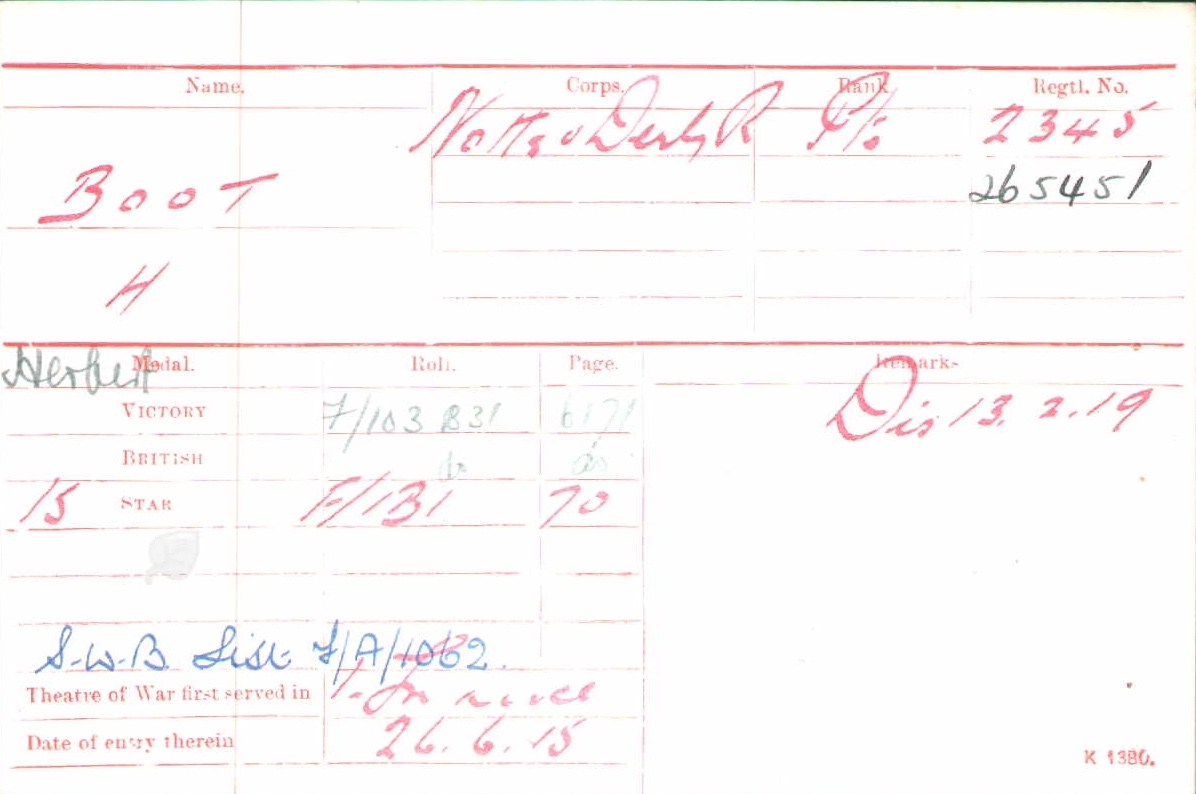
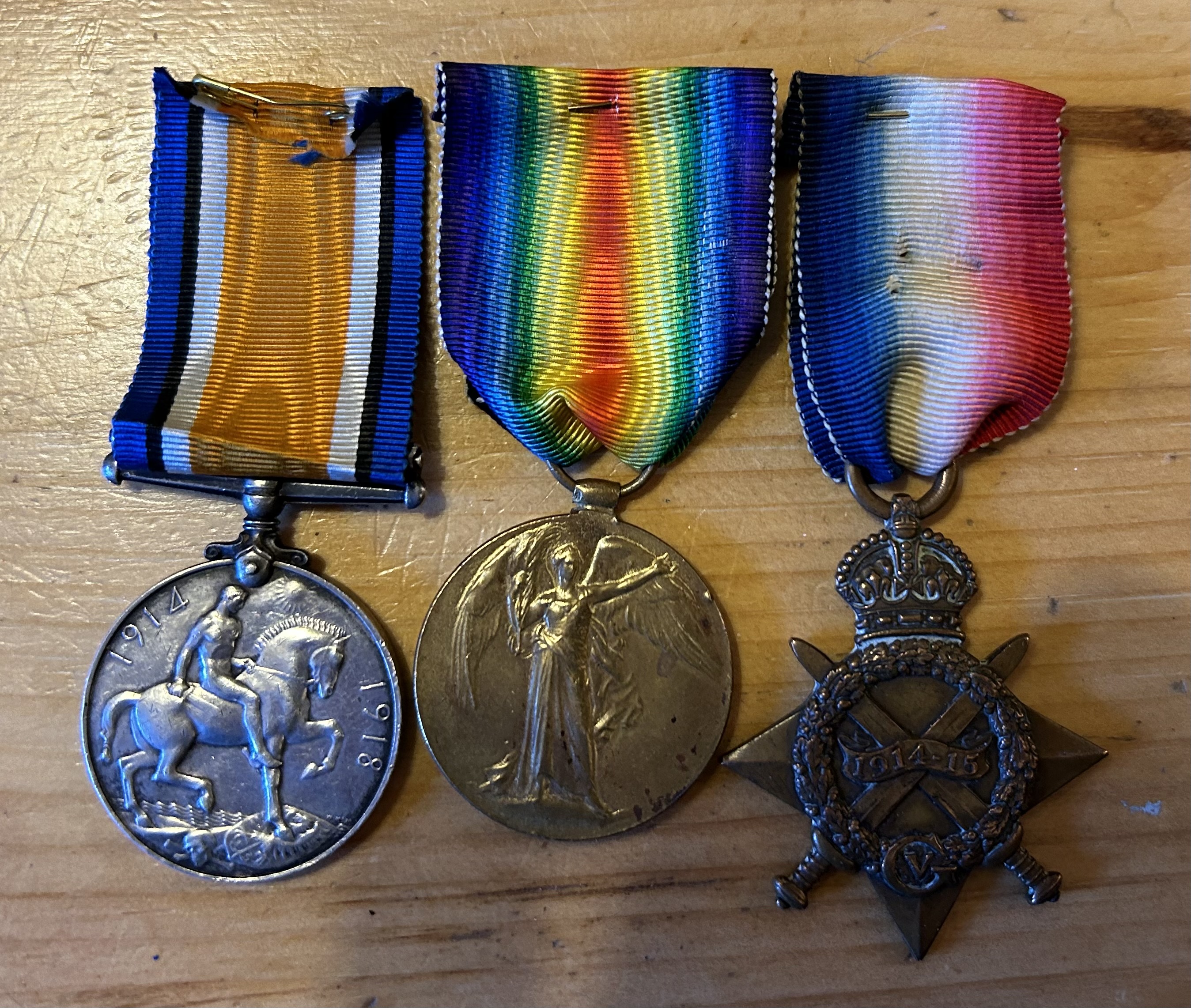
Herbert was discharged in February 1919 and was awarded the 1914-15 Trio and Silver War Badge. He was also granted a pension.
…….not cheap either

So when I saw this post card for sale on a well known internet auction sight I saw the Grimsby photographer and immediately thought that this was the 8th (Nottinghamshire) Battalion in camp at Hunmanby in August 1914.
But then I got thinking a bit more…..interestingly, of the 100s of Notts & Derby postcards that I have from 1905-1915…..I don’t have anything from a Grimsby-based photographer.
During 1908-1914 most of the camps were photographed by local photographers or those from the Notts & Derby area.
So….could this have been from a Scarborough Camp (1909 or 1911) ? but it doesn’t look right – not a racecourse setting?
So….how about Hunmanby?…….possible….but they weren’t there that long and photographs of the camp are very rare…..I have only ever seen half a dozen…..
Also the lack of Imperial Service Badges had me scratching my head……
Then I got thinking…..where is Grimsby near to?
“An advance party under Major WR Rock proceeded to South Somercotes, a small village about 1 1/2 miles from Saltfleet [and just South of Grimsby], and few days later the Battalion with others of the North Midland Group moved there and went under canvas”
[“The Robins Hoods”: 1/7th, 2/7th, 3/7th Battns. Sherwood Foresters]
So…..I’m calling this the 3/8th Battalion ‘under canvas’ at Somercotes in the summer of 1916…..
Enlisted in October 1914; Arrived in France with the II Reinforcement in June 1915; Disembodied in February 1919; Died in 1985 aged 88.


Albert is one of those men that served through most of the War, but there is very little information about him – so this post will give him a digital remembrance.
Served in France with the 1/7th and 1/6th Battalions……a most interesting item of ephemera….
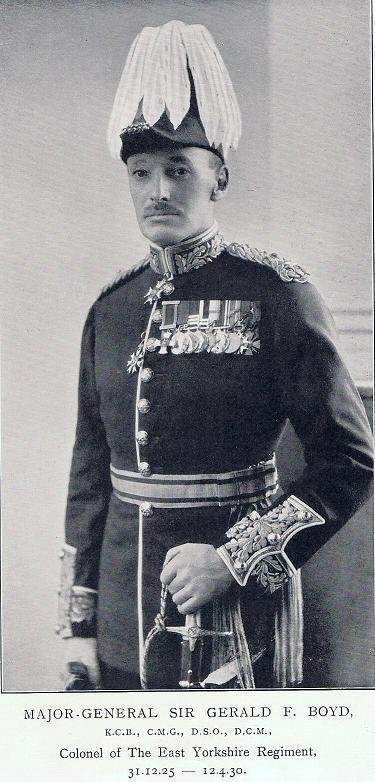
“Good-By; Good Luck and all success to you in Civil life, from your old Commander”
[GF Boyd Major General Commanding 46th North Midland Division]
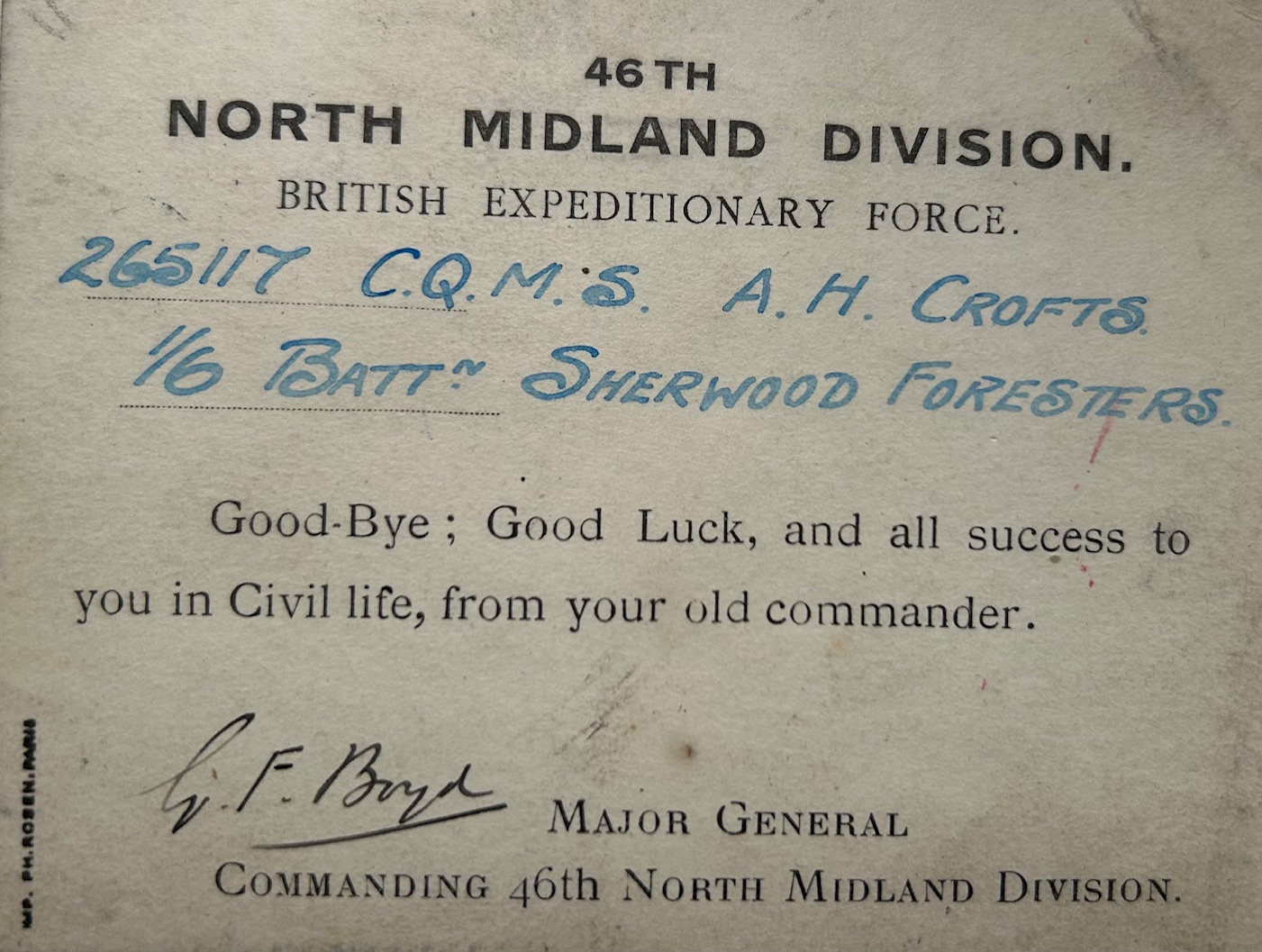

Albert Henry Crofts (Crafts) was born in 1881 and was a picture frame maker from Long Eaton. He enlisted into the 7th Battalion (Robin Hood Rifles) in February 1912 and arrived in France in June 1915 with the 1st reinforcement.
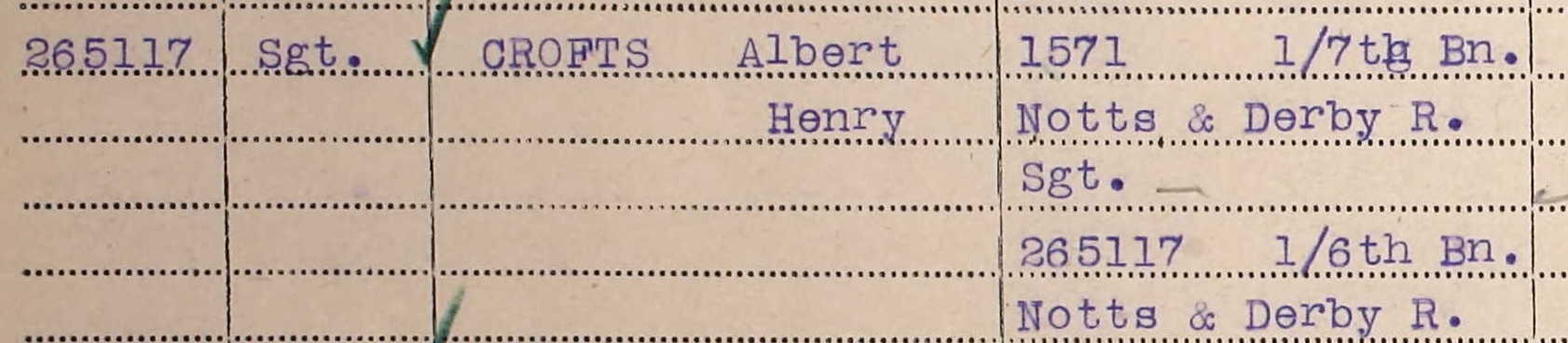
Alfred was still serving with the 1/7th Battalion in February 1917, but later transferred to the 1/6th Battalion. He was eventually disembodied in February 1919.

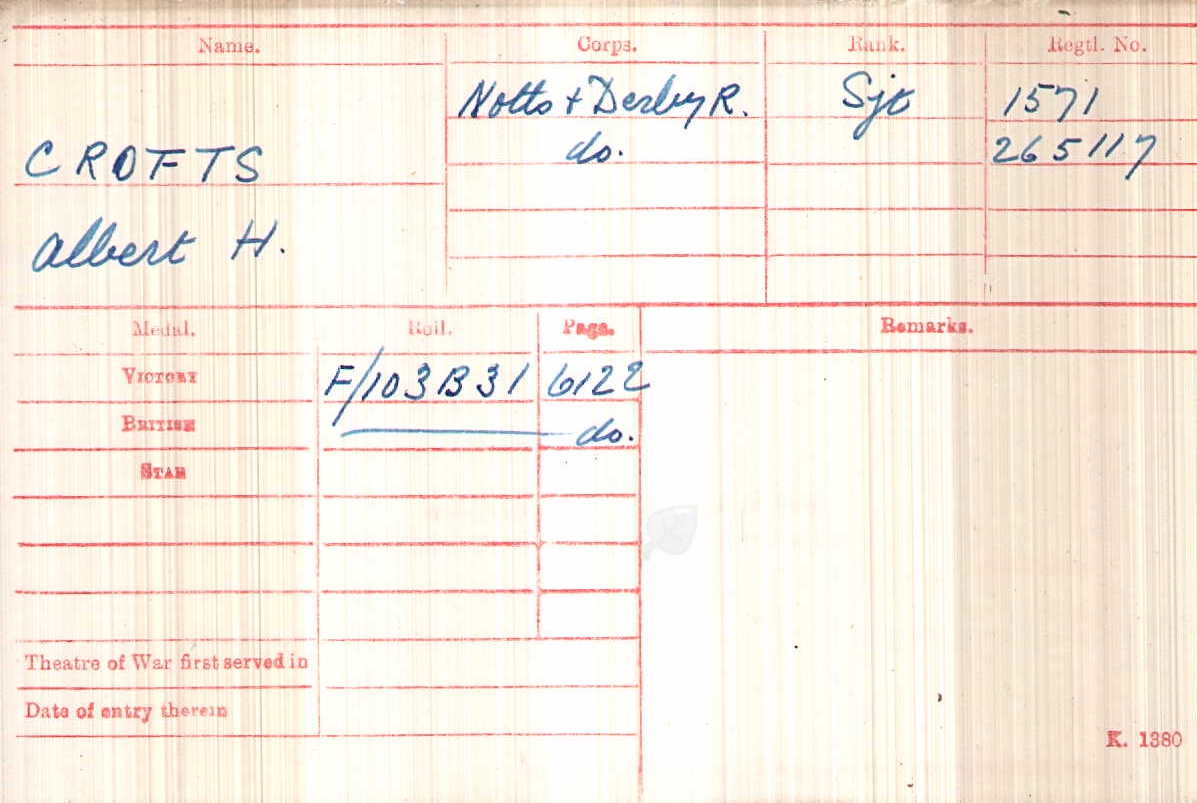
Interestingly Alfred has two Medal Index Cards recoding different surnames
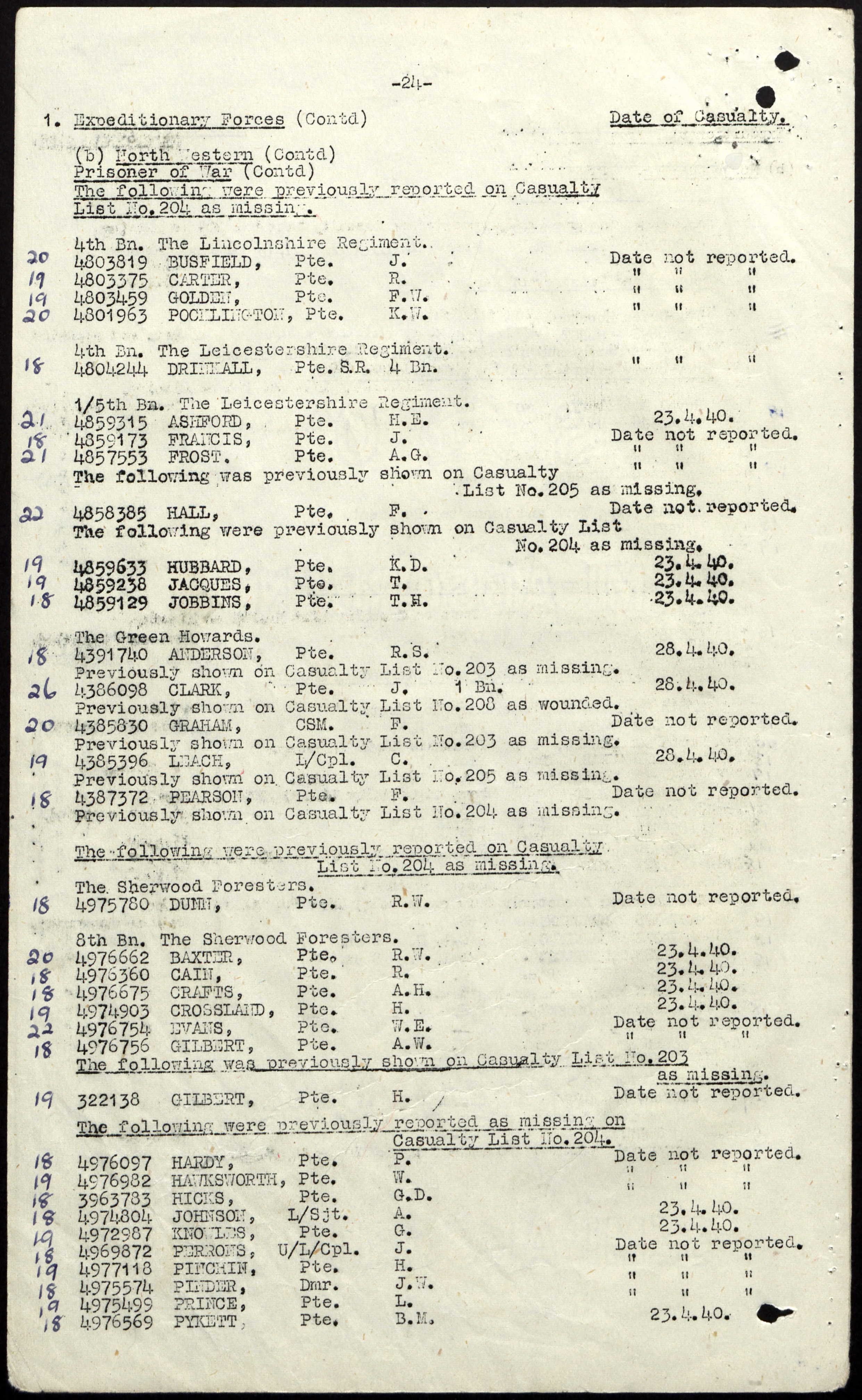
It would appear that Alfred was serving with the 8th Battalion, Sherwood Foresters at the outbreak of the Second World War and deployed with them to Norway where they suffered heavy casualties during the German invasion in April 1940.
See here
Enlisted in December 1915 into the 3/6th Battalion. Possibly served in Ireland with the 2/6th Battalion and likely to have arrived in France with the 59th Division in Spring 1917. One of the few survivors of the first day of the Kaiserschlacht (21st March 1918), but was severely wounded by a gas shell.