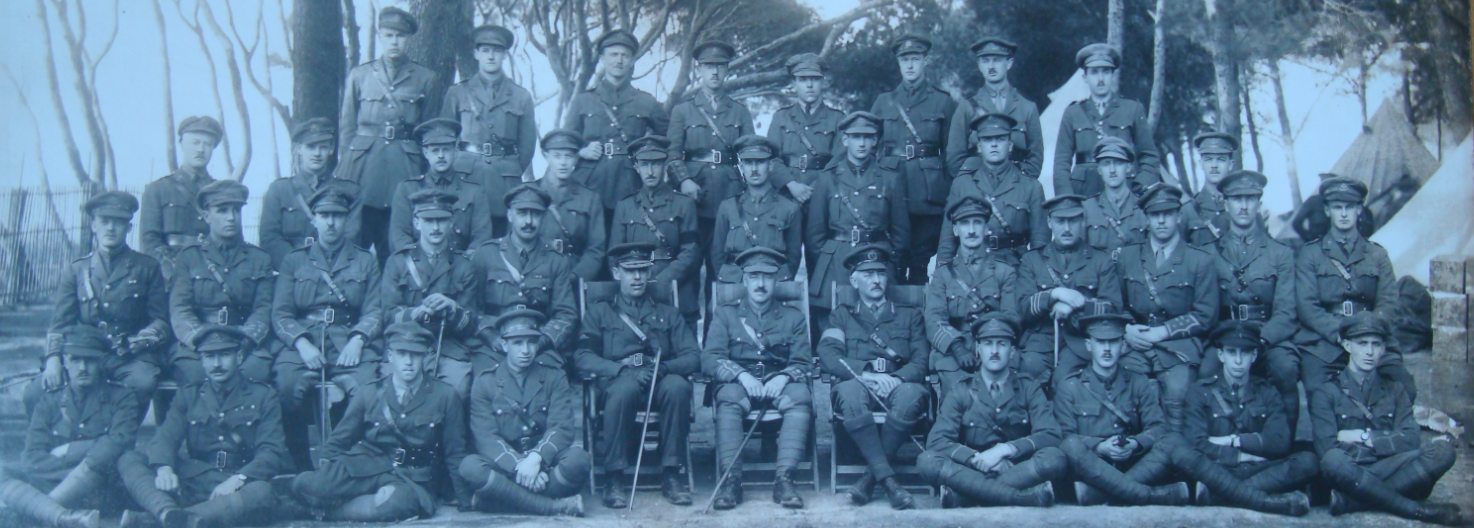
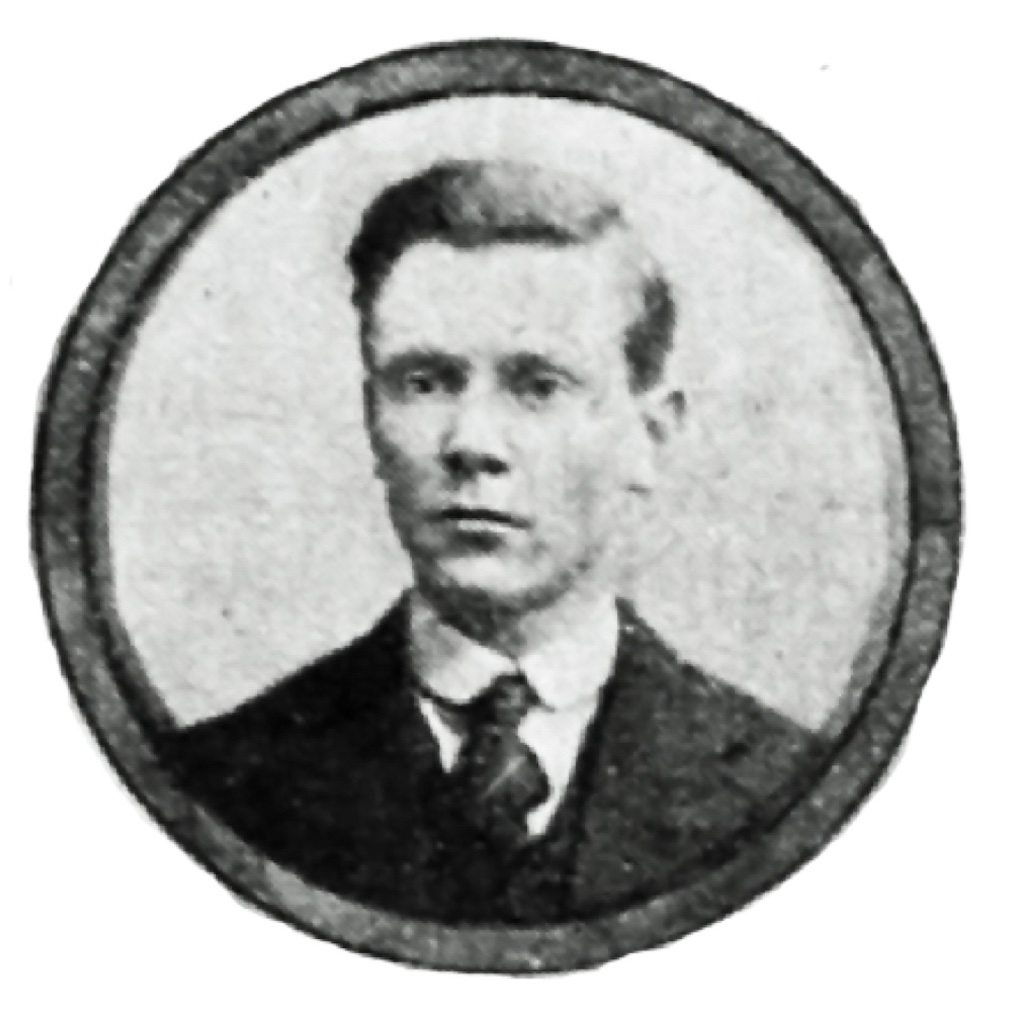
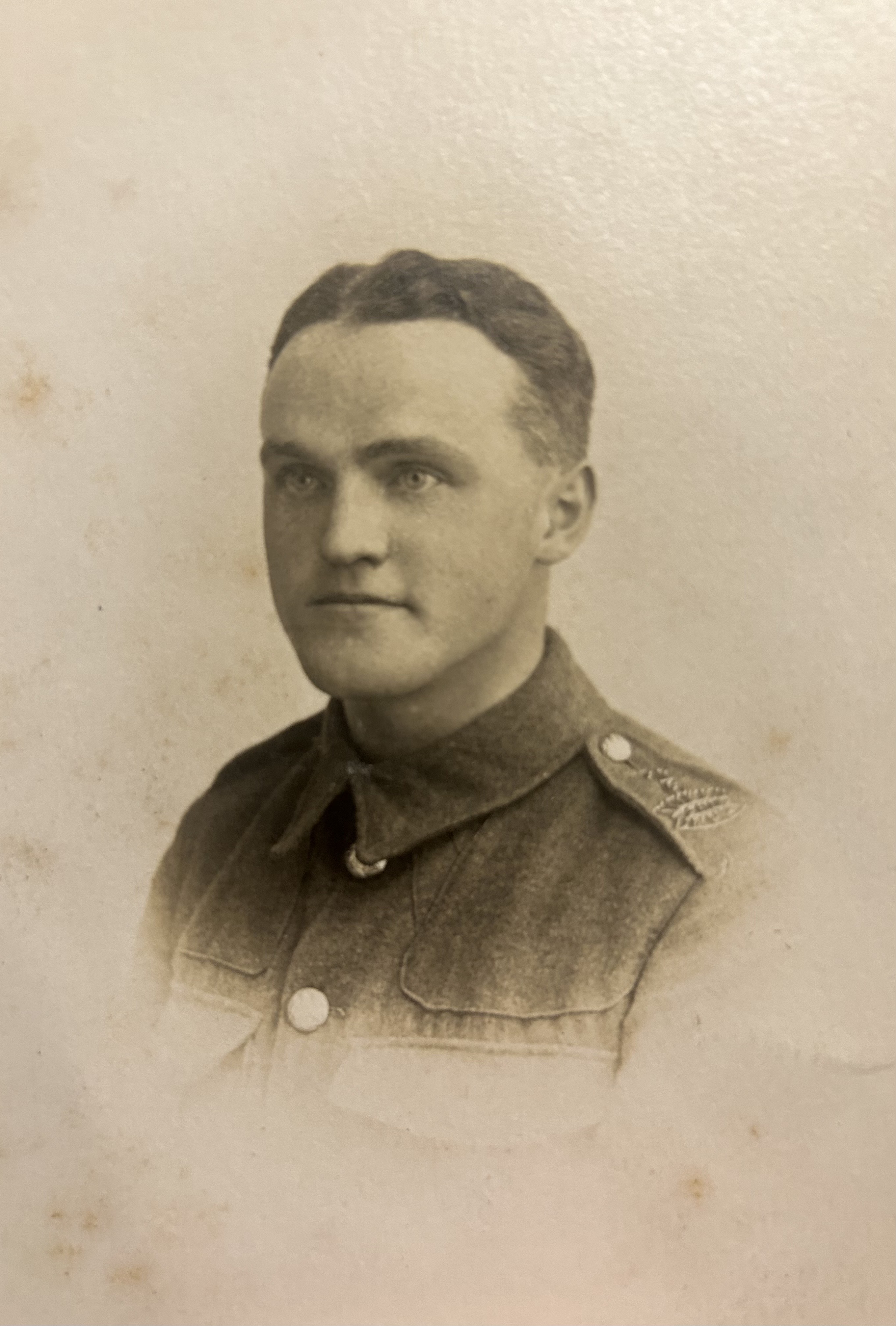
Killed in action on the 3rd September 1916 whilst serving with the 17th Battalion, the Welbeck Rangers

Enlisted in early June 1915 and arrived the Battalion in France in March 1916.
September 3rd 1916
The Welbeck Rangers moved into trenches south of Beaumont-Hamel on the 2nd September and attacked the following morning at 5am. 20 Officers and 650 other ranks went into action, capturing the German Front line before being held up at the second by heavy machine gun fire. They suffered over 450 casualties before being withdrawn that evening to Mailly-Maillet.
Their sister Battalion, the Chatsworth Rifles, provided carrying parties during the assault and also suffered their own share of casualties.
The move up to the front line trenches was complete by 10.12 p.m. on the 2nd and assembly of the Bn in No Mans Land was complete by zero hour. No casualties were reported for this phase of the operation.
The leading (“A” Coy) had taken the German front line by 6 a.m., but with heavy casualties and reinforcements were at once requested. One Officer and about 30 men succeeded in making it to the German second line but were forced to retire due to the lack of support.
The following day the O.C. 17 Bn Sherwood Foresters provided a rough estimate of the casualties suffered during the advance into the German front line:-
“A” Company, about 50%; “B” Company, about 75%; “C” Company, about 50%; “D”
Company was split between different waves to protect the flanks.
The following notes were collected from N.C.Os. and men who participated in the
attack:-
“The dug-outs and front line were all smashed in, and what appeared to have been dug-outs were made from railway line and wood work.”
“The handle brush bomb was used by them with timing mark 5 1/2 secs. it did not appear to outrange ours.”
“All or practically all carrying parties were knocked out.”
“They counter-attacked from both our right and left flanks with bombing parties of about 20-30 men and all in shirt sleeves and over the top.”
“Very little S.A.A. was used, but all the bombs were got rid of the two carrying parties sent up on different occasions with bombs and S.A.A. did not reach them.”
“The Machine Guns could not be accurately located but fired from both flanks and front.“
“All our casualties were nearly all from bombs and shell fire and a certain amount of machine gun. Bombs were thrown at our first wave from their front line. They barraged their own front line after we got in an NO MANS LAND with 5.9 and Trench Mortars””Their casualties appeared to be very heavy and the trenches in parts full of dead.”
“There were a good many men in their second line but the party did not stay long enough to see any dug-outs as they were outnumbered.”
“The wire opposite us was not very well cut in places and several men got hung up.”
“He amused himself in the afternoon by sniping our wounded in NO MANS LAND, this I believe also occurred on my right”
At 2pm orders were dispatched for all assaulting troops to withdraw to the British trenches and the battalion spent the night at Mailley-Maillet Wood.
Casualties for the 3rd September
Total casualties for the attack on the 3rd were:-
Officers
Killed:-
Major G Stollard (OC “A” Company); Captains R.G. Hopewell, S.F. Brookfield, F.C.
Singleton, G.P. Littlewood.
Wounded:-
Captains F.R. Turner, R.S. Wright; Lieuts B.J. Ross; 2nd Lieuts W.N. Birkin, E.P. Acrill-
Jones, T.C. Nugent, J.W. Salisbury.
Wounded and Missing:-
Captain H.V. Walters; Lieut B.F. Buck; 2/Lt M.A. Ellissen
Other Ranks
Killed – 59
Wounded – 155
Missing – 221
Wounded at duty – 1
Total – 436
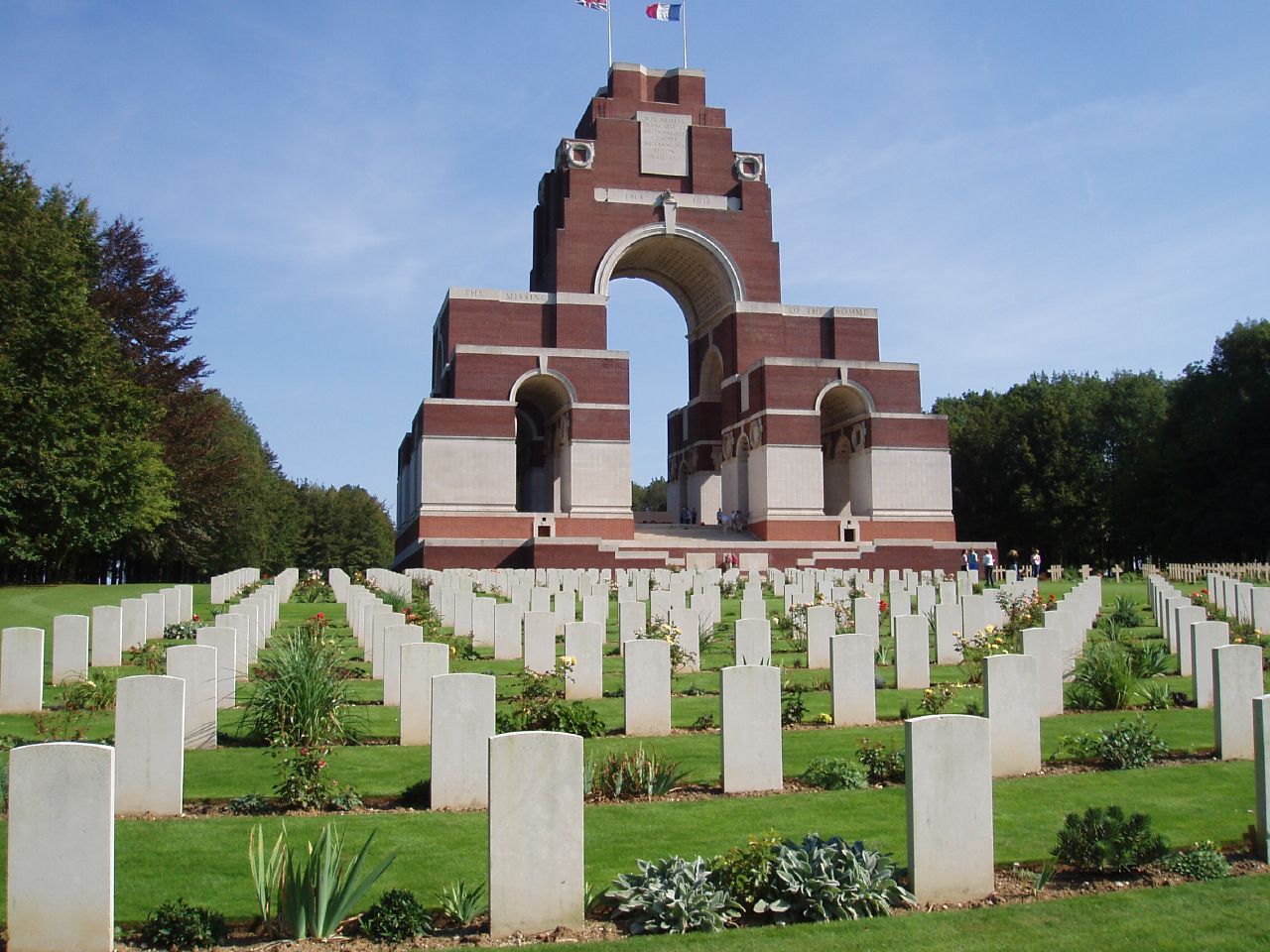
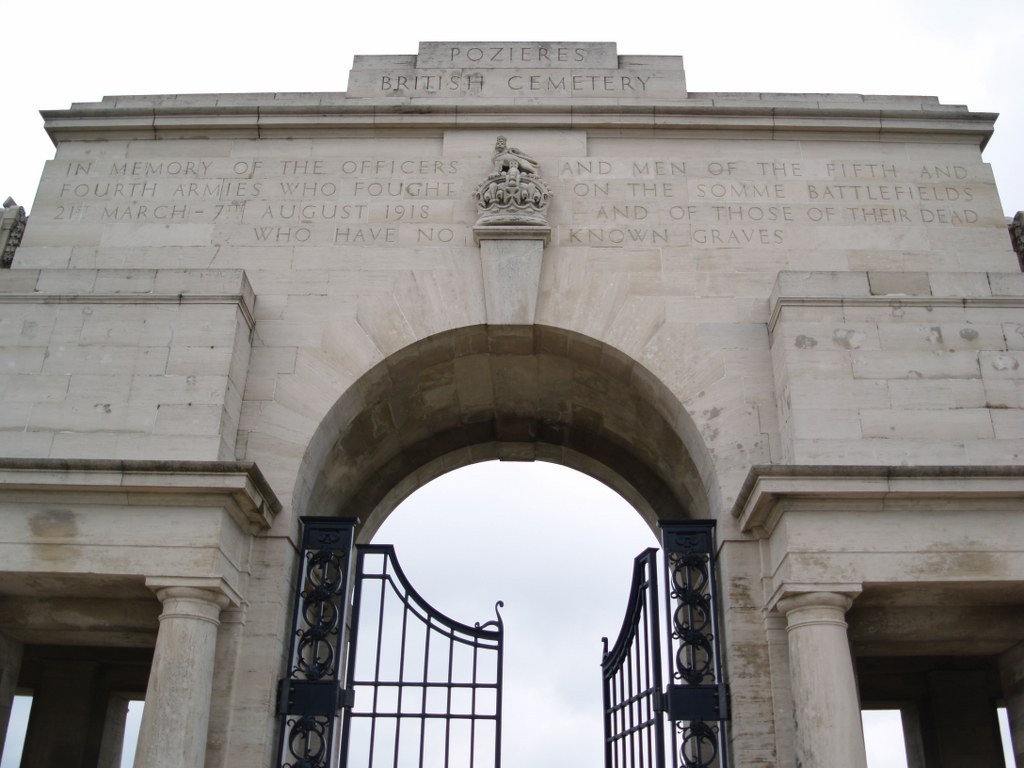
George’s body was not found and he is commemorated on Thiepval Memorial.
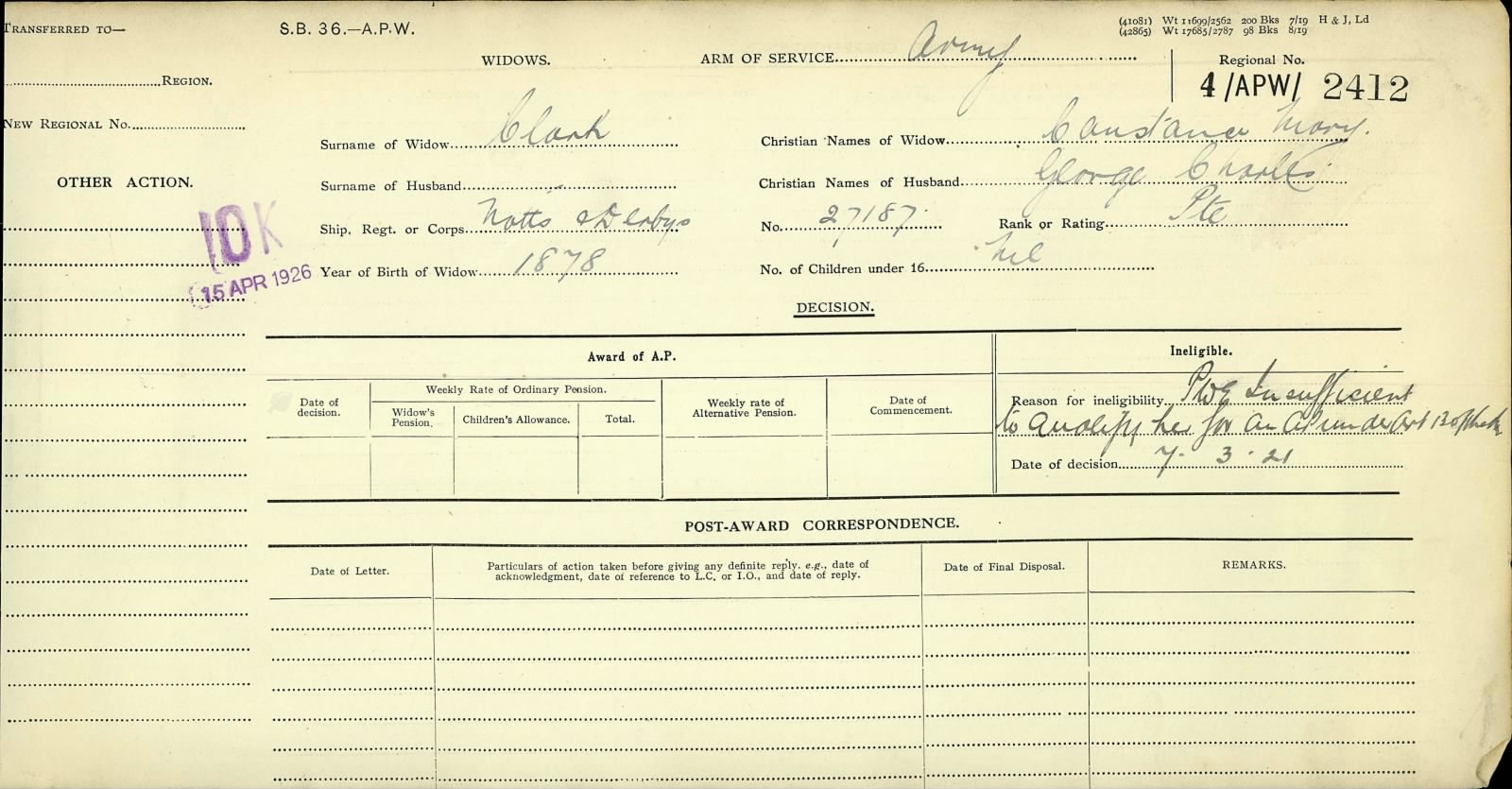
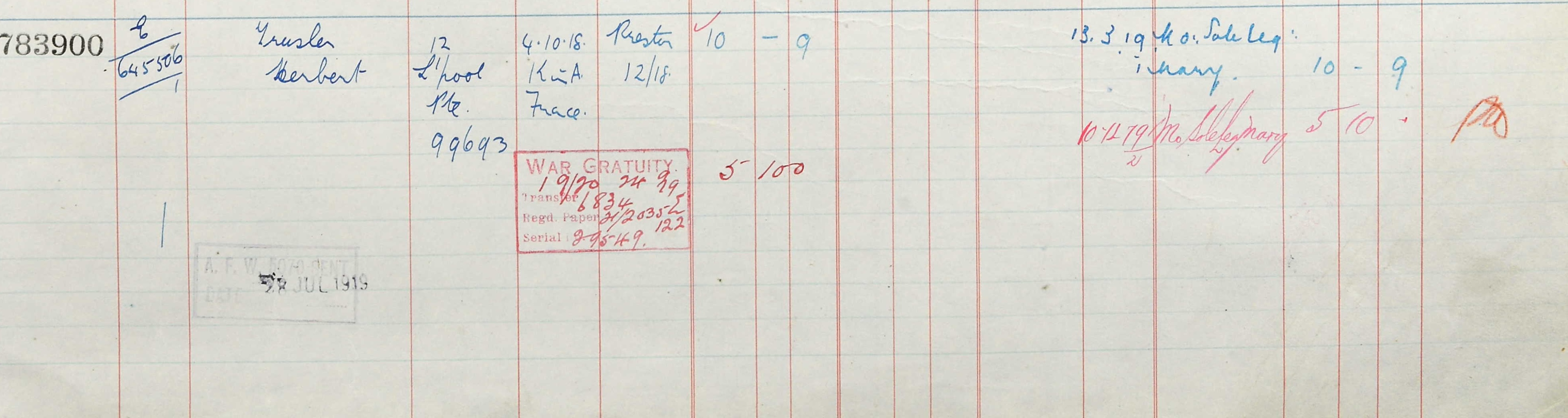
It would appear that George’s widow, Constance Mary, did not receive a pension.
















 Derbyshire Territorials in the Great War