22.2.1917 BEAUDRICOURT: Surg.-Major AW Shea returned from special leave.
1/6th Battalion War Diary [WO/95/2694]
22nd: Trench digging and training continued.
139 Infantry Brigade: Headquarters War Diary [WO95/2692]


22.2.1917 BEAUDRICOURT: Surg.-Major AW Shea returned from special leave.
1/6th Battalion War Diary [WO/95/2694]
22nd: Trench digging and training continued.
139 Infantry Brigade: Headquarters War Diary [WO95/2692]
No record in the 1/6th Battalion War Diary [WO/95/2694]
21st: Brigade billeted as follows:-
Training programme issued – digging of practice trenches commenced
139 Infantry Brigade: Headquarters War Diary [WO95/2692]
20.2.1917 BEAUDRICOURT: Major AL ASHWELL DSO 8th Battalion Sherwood Foresters assumed Command of the Battalion.

Arthur Lindley Ashwell
1/6th Battalion War Diary [WO/95/2694]
19/20th: 138 Brigade take over the Sector.
20th: Brigade (less Machine Gun Company) marches to the Sus-St-Leger area.
139 Infantry Brigade: Headquarters War Diary [WO95/2692]
19.2.1917 BEAUDRICOURT: Lt Col E HALL DSO appointed VII Corps area Commandant and vacated Command of the Battalion.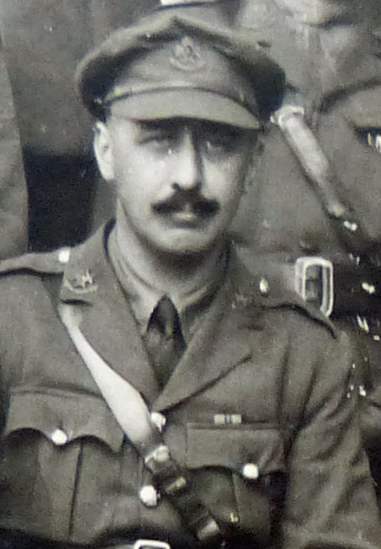
Edward Hall
1/6th Battalion War Diary [WO/95/2694]
19th: Soon after midnight abut thirty 5.9’s were field around Thorpe Street. The day passed quietly.
139 Infantry Brigade: Headquarters War Diary [WO95/2692]
203466 Pte F Wedge (1/5th Battalion) died of wounds as the Casualty Clearing Station
18.2.1917 HALLOY: Battalion moved to BEAUDRICOURT.
1/6th Battalion War Diary [WO/95/2694]
18th: Small bombardment of enemy front line carried out by one stokes and 2″ Trench Mortars. Enemy retaliated on Lincoln Lane and the right sub-sector. An enemy message picked up on the I.T. enabled us to withdraw the detachment from a heavy trench mortar emplacement before the hostile artillery commenced firing.
About fifty 4.2s fell near Roberts Avenue and Snipers Square about midday and a similar number of 77mm and 4.2s around Roberts Avenue between 2 & 3pm.
A patrol again entered the SNOUT during the night and another visited the POPLAR and the LITTLE Z without finding any of the enemy.
139 Infantry Brigade: Headquarters War Diary [WO95/2692]
265382 Pte Thomas Edward Morley of the 1/7th Robin Hoods died of wounds at the Casualty Clearing Station possible as the result of gas shell poisoning.
No record in the 1/6th Battalion War Diary [WO/95/2694]
16th/17th: On three occasions the enemy bombarded the village of Foncquevillers and the left sub sector, particularly Lincoln Lane, the Calvaire Road, Green Street and Snipers Square. In the later area a considerable quantity of gas shell was used, mostly from 75mm trench mortars.
Several deaths occurred in cases where men were unable to put on their respirators in time, while several more men who without knowing it had been affected died in billets next morning.
Total casualties (including about 40 or 50 men who were evacuated on suspicion) were nearly 100. 
1/8th Battalion War Diary
17th: A quite day. Fonquevillers shelled between 10 and 11pm, a few gas shells being used and causing one or two casualties.
139 Infantry Brigade: Headquarters War Diary [WO95/2692]
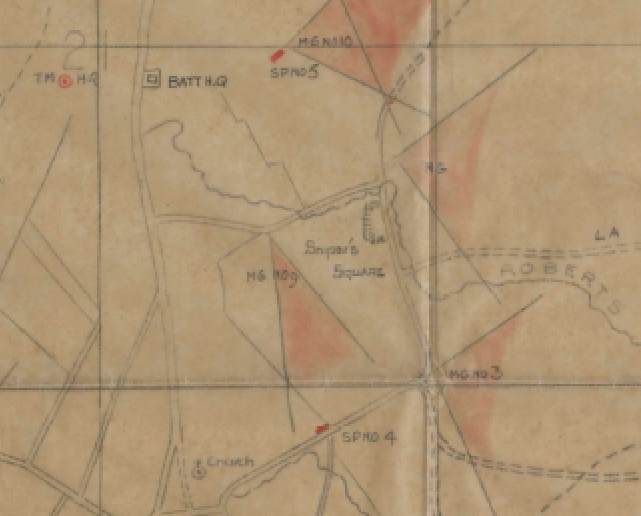 About 1am working parties of Sherwoods and 2/11th London Regiment were shelled with gas shells in FONQUEVILLERS near SNIPERS SQUARE on their way back from the front line trenches. Five cases of shell gas poisoning were treated at ADS FONQUEVILLERS about 2am.
At 8.30am more cases began to arrive until twenty in all had been brought in.
At 9.30am a message was received at ADS FONQUEVILLERS asking for a Medical Officer to go to CHATEAU LA HAIE to see a sergeant who was not feeling well. On arriving there at 10.20am Capt FOSTER RAMC (TF) found three men dying from the effects of the gas and fifty nine others more or less seriously gassed.
The chief symptoms noted were cyanosis in some patients in some patients, but not in all, there being marked pallor in the worth cases. Pulse feeble and rapid cough present in most cases. The patients after a time began to cough up small amounts of frothy tenacious mucus. Many of the patients complained of pain in the stomach.
Treatment. Oxygen administered for ten minutes at a time through a nitrous oxide inhaler gave distinct relief. Ammonium Carbonate ampules proved useless. Hypodermic injections of strychnine g 1/30th and administration of hot drinks containing brandy caused considerable improvement in the pulse. Blankets, hot bottles and hot bricks were applied and all cases evacuated as speedily as possible to 20 CCS. The evacuation was accomplished without difficulties as the day was foggy and motor ambulances were able to proceed right up to FONQUEVILLERS and CHATEAU LA HAIE.
In all, nine men died for the effects of the gas and eighty one were evacuated to 20 CCS. The nine bodies were also sent to 20 CCS for post mortem examination.
The delayed effect of the gas was well shown by the cases which occurred at CHATEAU LA HAIE; many of these men had attended the ordinary parade in the morning and did not complain of feeling ill till afterwards. All these men had a march of about two miles after being gassed.
Both Captains MANFIELD and FOSTER describe the or dour of the gas as resembling this of hydrochloric acid.
1/2 North Midland Field Ambulance [WO2680/2]
“The two NCOs in command felt too sick to eat supper, but some of the men had a good supper – all went to sleep and at 5.25 am Sergeant F HUNT, 5th Sherwood Foresters woke up Corporal HIGGINS [possibly 2709/200662 Alfred James Higgins], who informed me the Sergeant looked very pale, was breathing hard, and complained of pain in the chest and stomach. Corporal HIGGINS stayed with him until 7.30am when he become so bad, the Corporal woke up his Officer, and got him to send a message to FONQUEVILLERS for a Medical Officer. Sergeant HUNT died shortly after 9.0am [however his death is recored as the 16th February].
[Colonel W Beevor, ADMS 46th North Midland Division]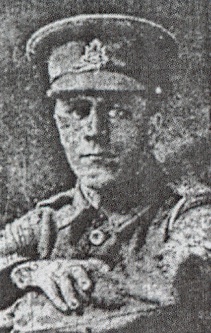
200351 L/Sergeant Frederick Hunt
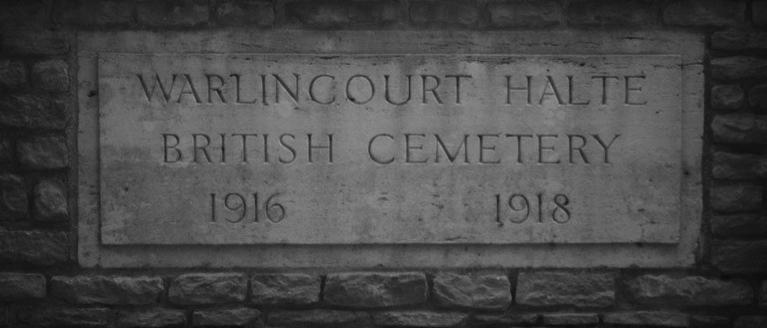
 “C’ Company 1/8th Battalion
A 36 year old quarryman from Bakewell died in the 1st North Midland Field Ambulance of cardiac failure due to fatigue and exposure.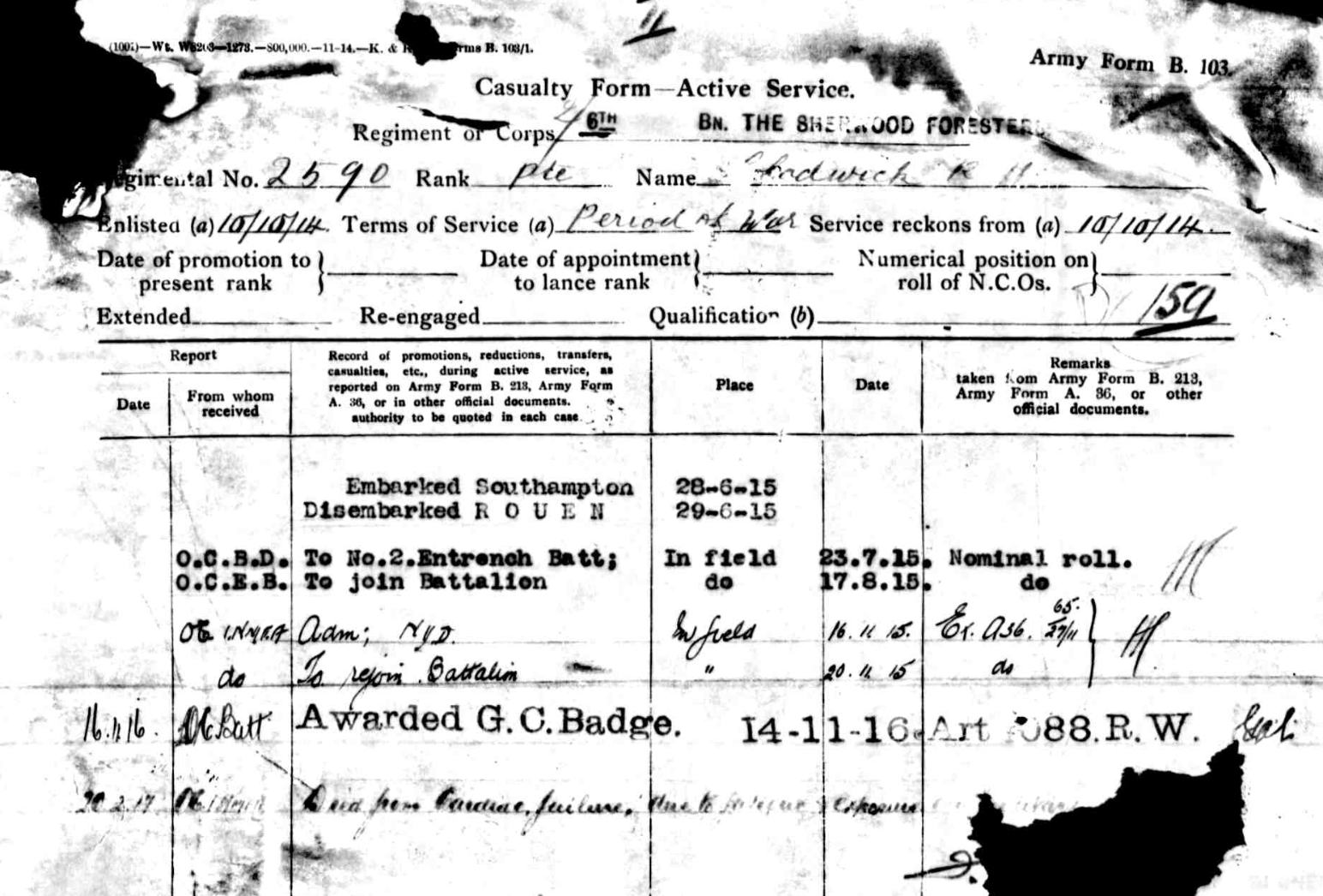
No record in the 1/6th Battalion War Diary [WO/95/2694]
 16th: Our 2″ trench mortars carried out a bombardment of enemy trenches during the morning. Our stokes battery cooperating. 6th raid cancelled.
139 Infantry Brigade: Headquarters War Diary [WO95/2692]
The following men of the 139th Brigade died from their wounds on this day:-
No record in the 1/6th Battalion War Diary [WO/95/2694]
15th: Left sub sector shelled throughout the afternoon. The SNOUT again entered without incident by a patrol of 5th Sherwoods.
139 Infantry Brigade: Headquarters War Diary [WO95/2692]
No record in the 1/6th Battalion War Diary [WO/95/2694]
13/14th: 2/Lt FH Warwick and a party of the 1/5th Sherwood Foresters entered the German trenches at the SNOUT and penetrated to the 2nd German line. No enemy encountered.
14th: Enemy shelled more actively especially with the trench mortars.

 14th/15th: Lieut Coulby 7th Sherwoods thoroughly searched the ground around the “Poplar” without finding any of the enemy.
139 Infantry Brigade: Headquarters War Diary [WO95/2692]
13.2.1917 C in C’s list No 121: Lieut GKK MAUGHAN appointed Adjutant d/- 28.11.917
1/6th Battalion War Diary [WO/95/2694]
13th: About 20 light trench mortar bombs fired into the Gommecourt Road during the night. A quite day. 2 Companies 2/8 leave the trenches – HQ and 2 Companies 2/11 London Regiment arrive for instruction.
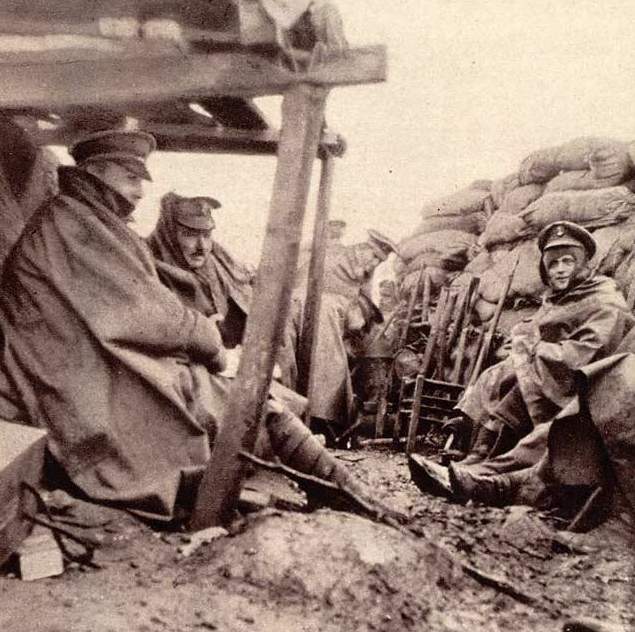 Thaw set in after a month of continued frost.
A good deal of movement had been noticed in the enemy’s line both by day and night lately; heavy mechanical transport heard in Gommecourt during several nights and persistent registering by enemy batteries especially on right Battalion front noticed during the past week. Enemy trench mortars have also shown renewed activity.
139 Infantry Brigade: Headquarters War Diary [WO95/2692]
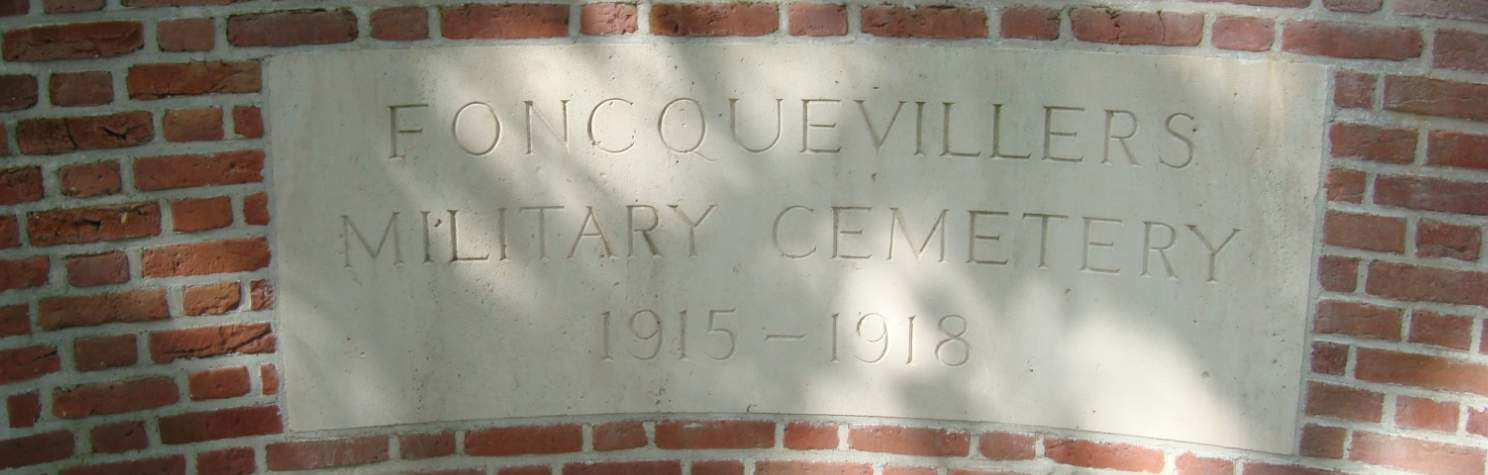 200957 L/Cpl Albert Edward Dean and 201361 Pte John Evans were killed in action and are buried next to each other
 Derbyshire Territorials in the Great War