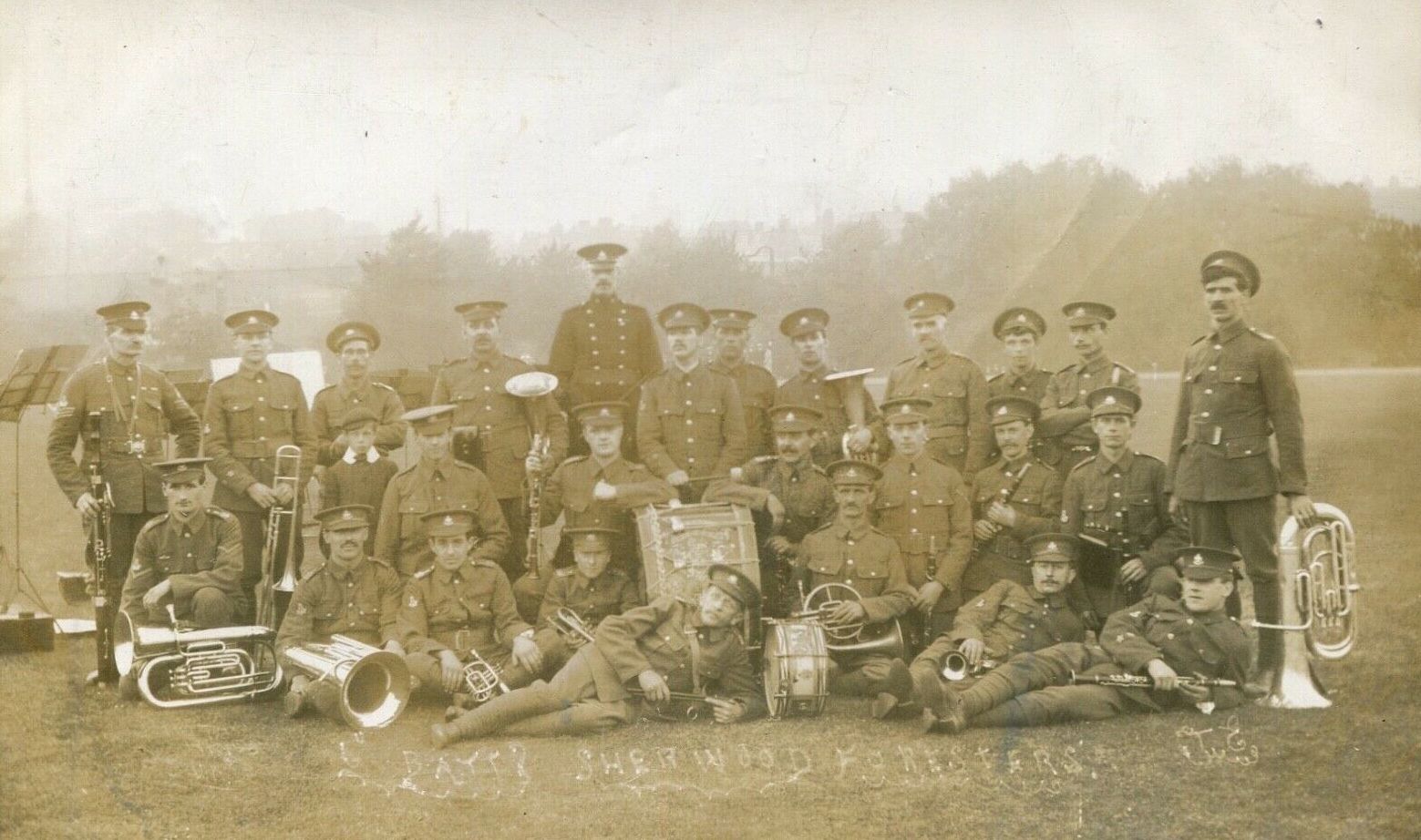
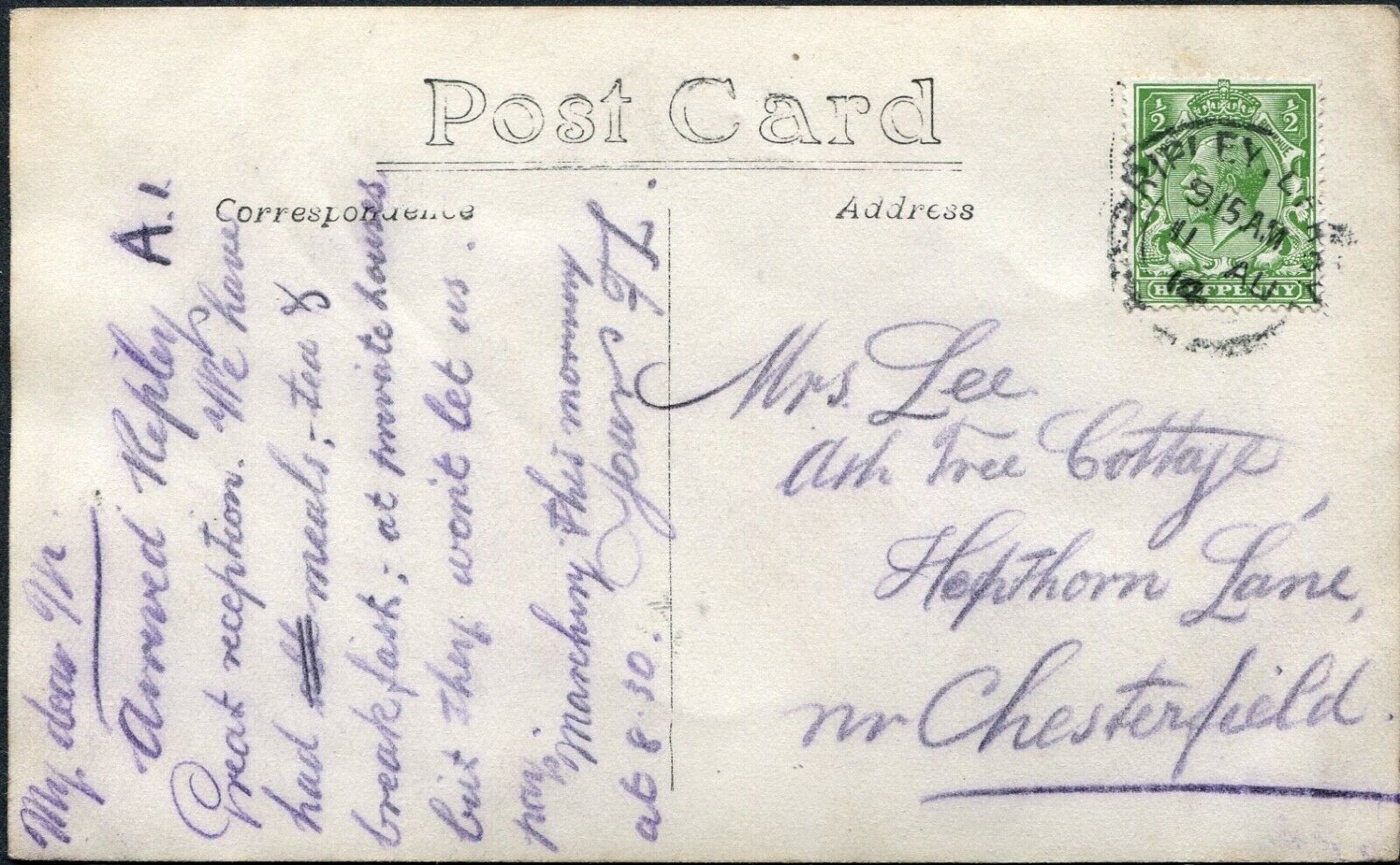
“My dear Ma. Arrived Ripley. Great reception. We have had meals, teas and breakfast at private houses, but they won’t let us pay. Marching this morning at 8.30. Yours FL”
Dated 11 August 1914
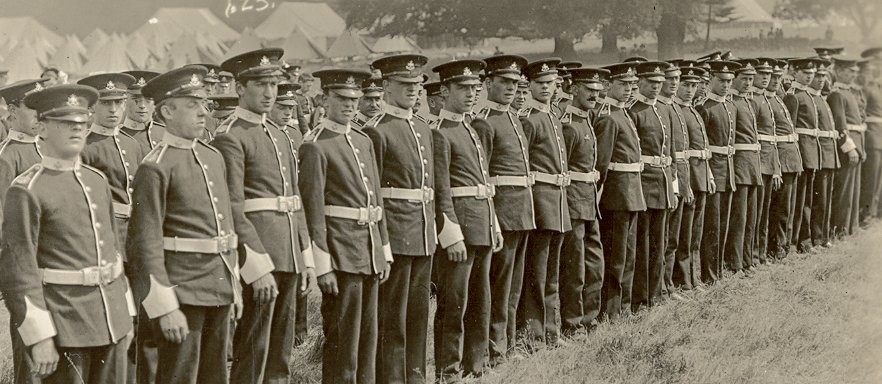

“My dear Ma. Arrived Ripley. Great reception. We have had meals, teas and breakfast at private houses, but they won’t let us pay. Marching this morning at 8.30. Yours FL”
Dated 11 August 1914
But can they be identified?
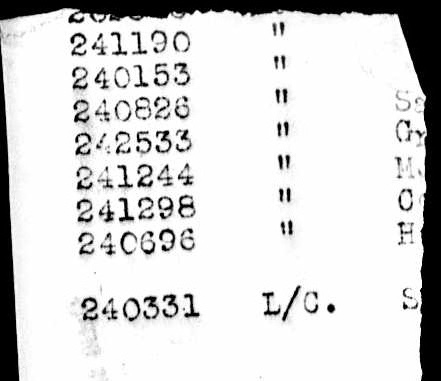
During a recent search through some Army Service Records for 6th Battalion men I came across this partial list, which I believe is a casualty list?
Does it refer to 6th Battalion men…….? I’ll let you decided…..
241190
240153
240826 Satterfit, John. Enlisted in October 1914 and arrived in France in February 1915. Wounded at Kemmel in June 1915.
242533 Gray, Alfred. Enlisted in early 1916 and arrived in France with the 28th Reinforcement in January 1917.
241244 Moore, Richard. Enlisted in February 1915 and arrived in France in 1916. Wounded at Gommecourt on 1st July 1916.
241298 Cooper, Frederick. Enlisted in February 1915.
240696 Hampson, Frank. Enlisted in October 1914 and arrived in France in 1916.
240331 Smith, Vernon L/C. Enlisted in May 1913 and arrived in France in February 1915. Wounded by shrapnel on the 1st July 1916 at Gommecourt “I came through the bombardment all right till about 4.30 in the afternoon, then the shell came which did for me. I shall never forget it as long as I live; only God knows how I came through it”.
Alfred Gray was the last man of the group to arrive in France so this list must be from after January 1917. Interestingly Vernon Smith’s Army Service Record survives.
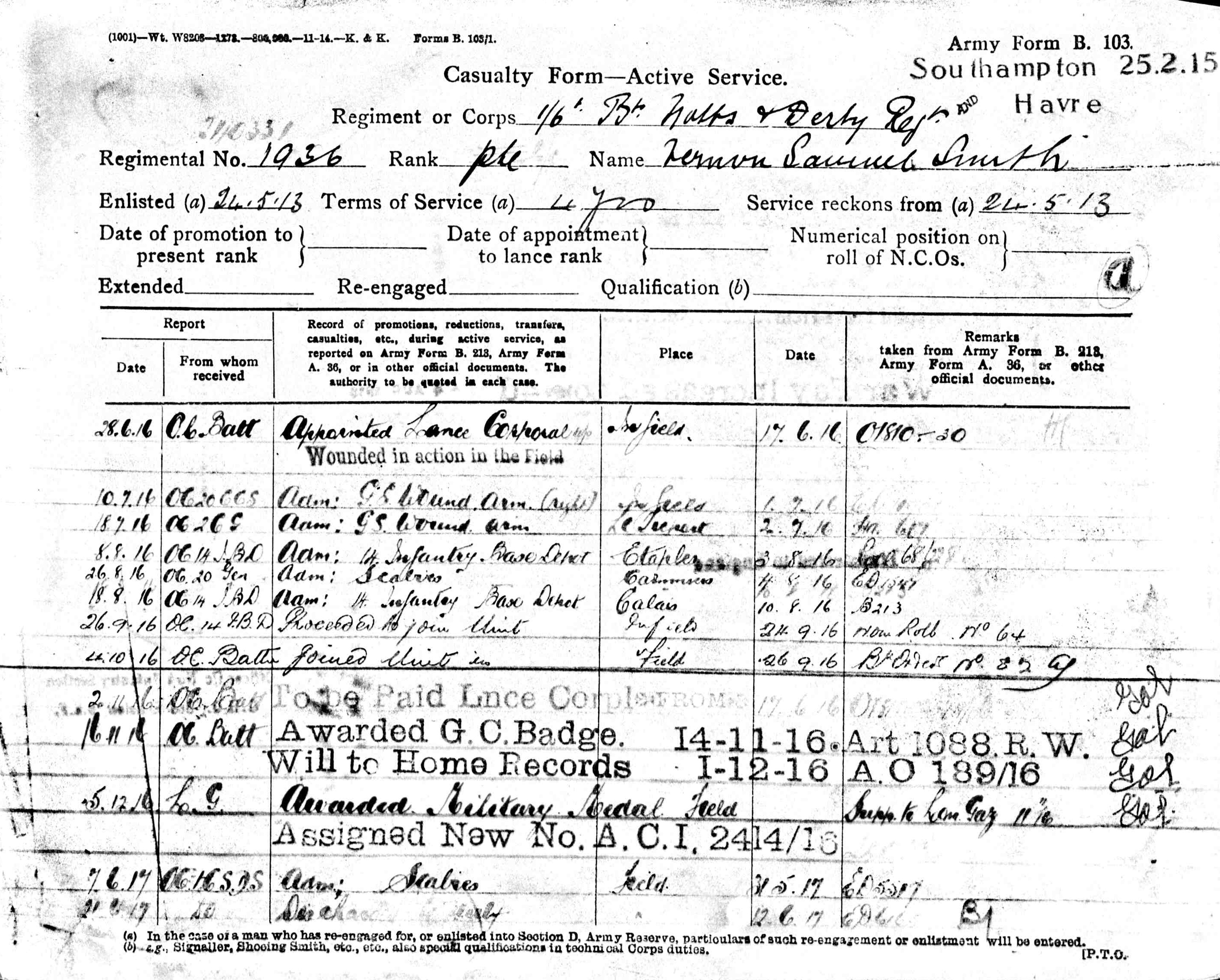
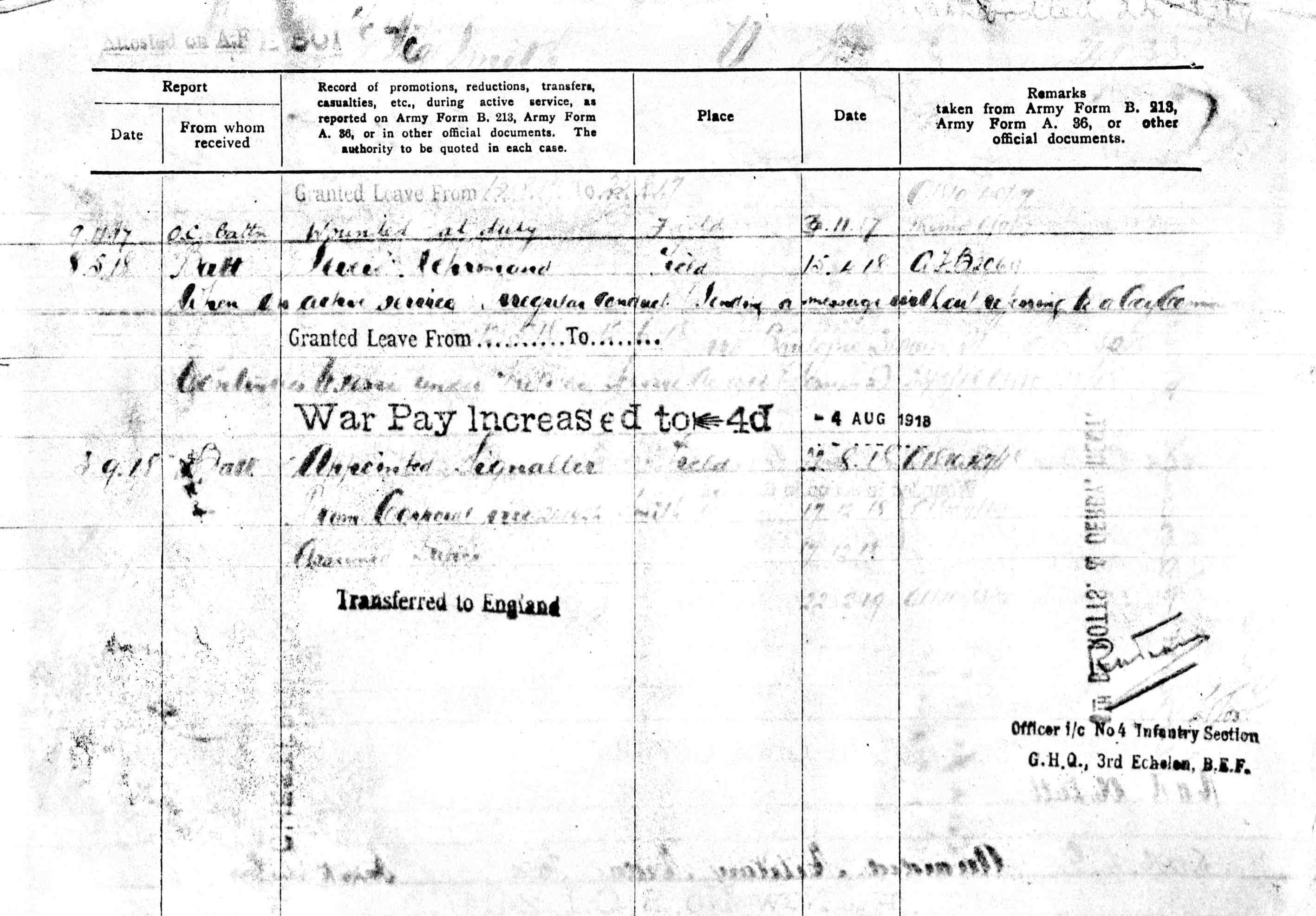
Vernon’s service record shows that he was wounded three times: 17th June 1916, 1st July 1917 and 3rd or 4th (?) November 1917. Interesting the 1/6th Battalion raided the German trenches that night – see here
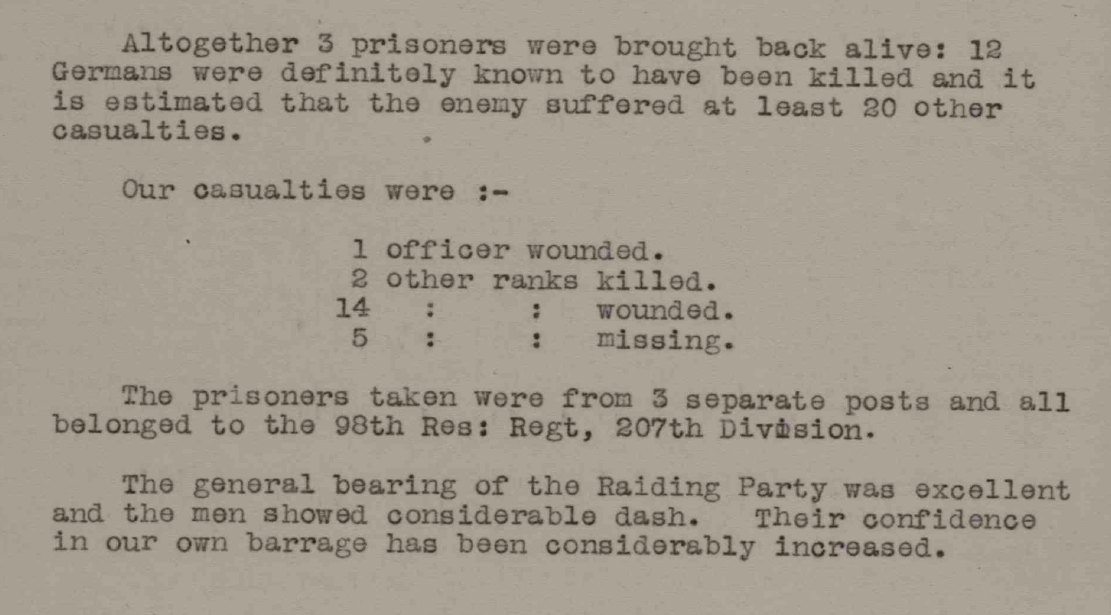
The 1/6th suffered 22 casualties, including 14 other ranks wounded. I believe that this casualty record refers to these men.
I thought I’d share this little story with you, which I found in looking through the WW1 pension records – two sets that is!
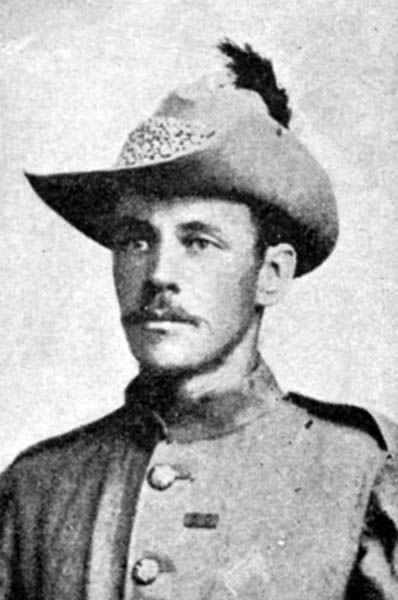
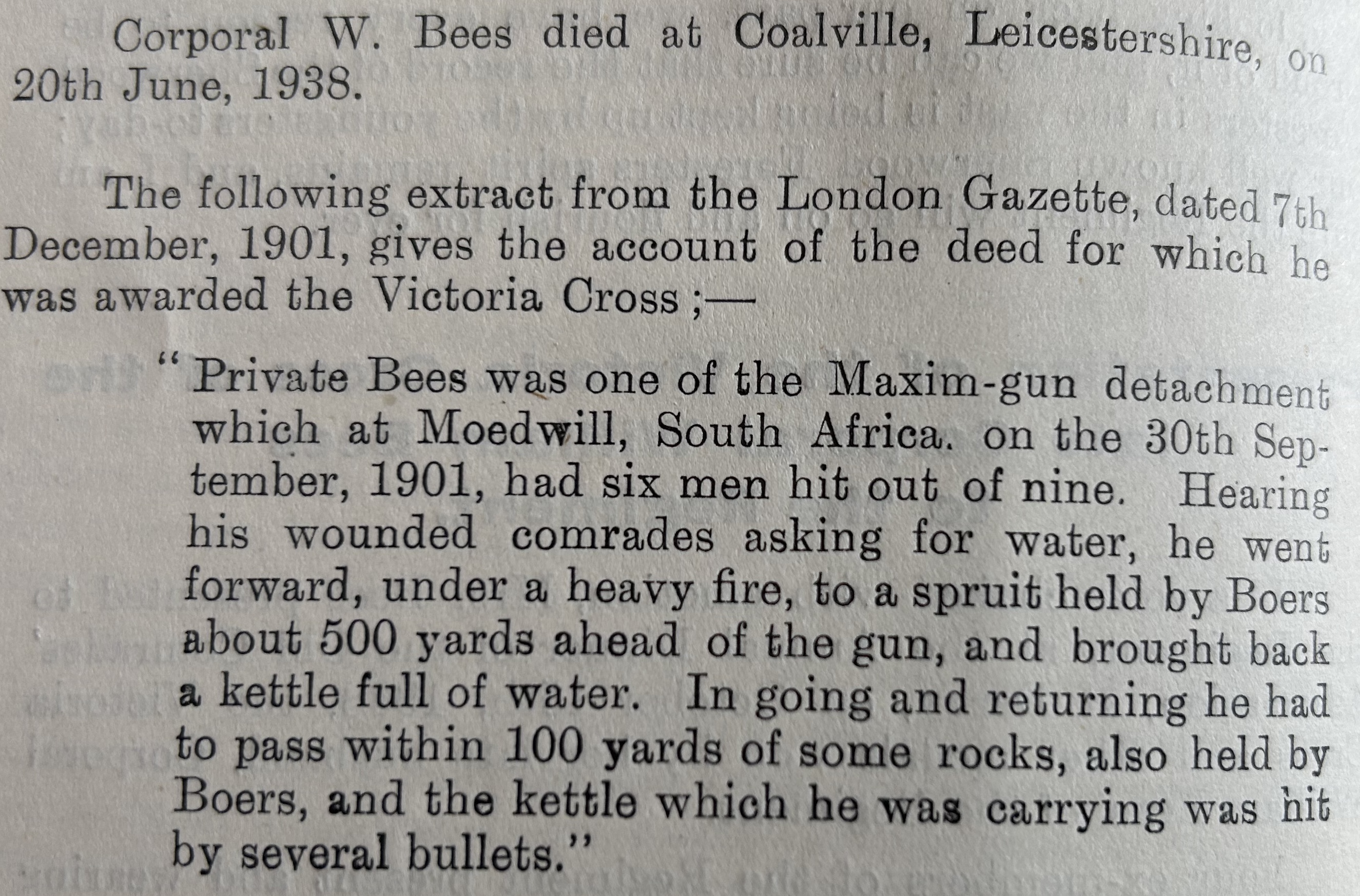
2753 Private William Bees was serving with the 1st Battalion Derbyshire Regiment (Sherwood Foresters) when he won the Victoria Cross in 1901.
The citation reads:-
“For most conspicuous bravery and devotion to duty. On 30th September 1901, at Moedwil, South Africa, Private Bees was one of the a Maxim-Gun detachment which suffered heavy casualties, six out of nine men being hit. Hearing his wounded comrades asking for water, Private Bees went forward under heavy fire to a spriot held by the Boars about 500 years ahead of the Gun, and brought back a kettle filled with water. In going and returning he had to pass within 100 yards of some rocks also held by the boars and the kettle he was carrying was hit by several bullets”
A truly brave man……..but what a rogue.
On 2nd October 1914 he enlisted in the Sherwood Foresters aged 42 years and was posted to the 12th Battalion. He was formerly discharged on 27th October as medically unfit.
On the 19th October 1914 (8 days before he was discharged) he enlisted in the Royal West Surry Regiment in London aged 31 years and was posted to the 7th Battalion. He was found to be “totally inefficient and unreliable” and on the 11th November he was issued a weeks leave to secure civil employment before discharge.
He remained absent and had left a false address with the battalion. Finally the police were able to trace him to Coalville and on 9th December the Leicestershire Constabulary paid him a visit. On being told he was going to be arrested he produced his discharge certificate from the 12th Sherwood Foresters and told the police he would be “found at this address if there were any orders for him”. They left.
And the Army did not know what to do with him………
On the 17th December the OC 7(S) Battn The Queens requested that Sergeant Bees should be discharged because “he is a very undesirable type”.
On the 21st December the OC 55th Division submitted the matter for the decision of the GOC 18th Division.
On the 19th January he was discharged under para 392 (XI) KR – For Misconduct.
And the best bit!
On his Attestation to the Royal Surrey Regiment, when it asks he has ever been rejected as unfit – he put YES, then crossed it out and put NO!
I had a little chuckle.
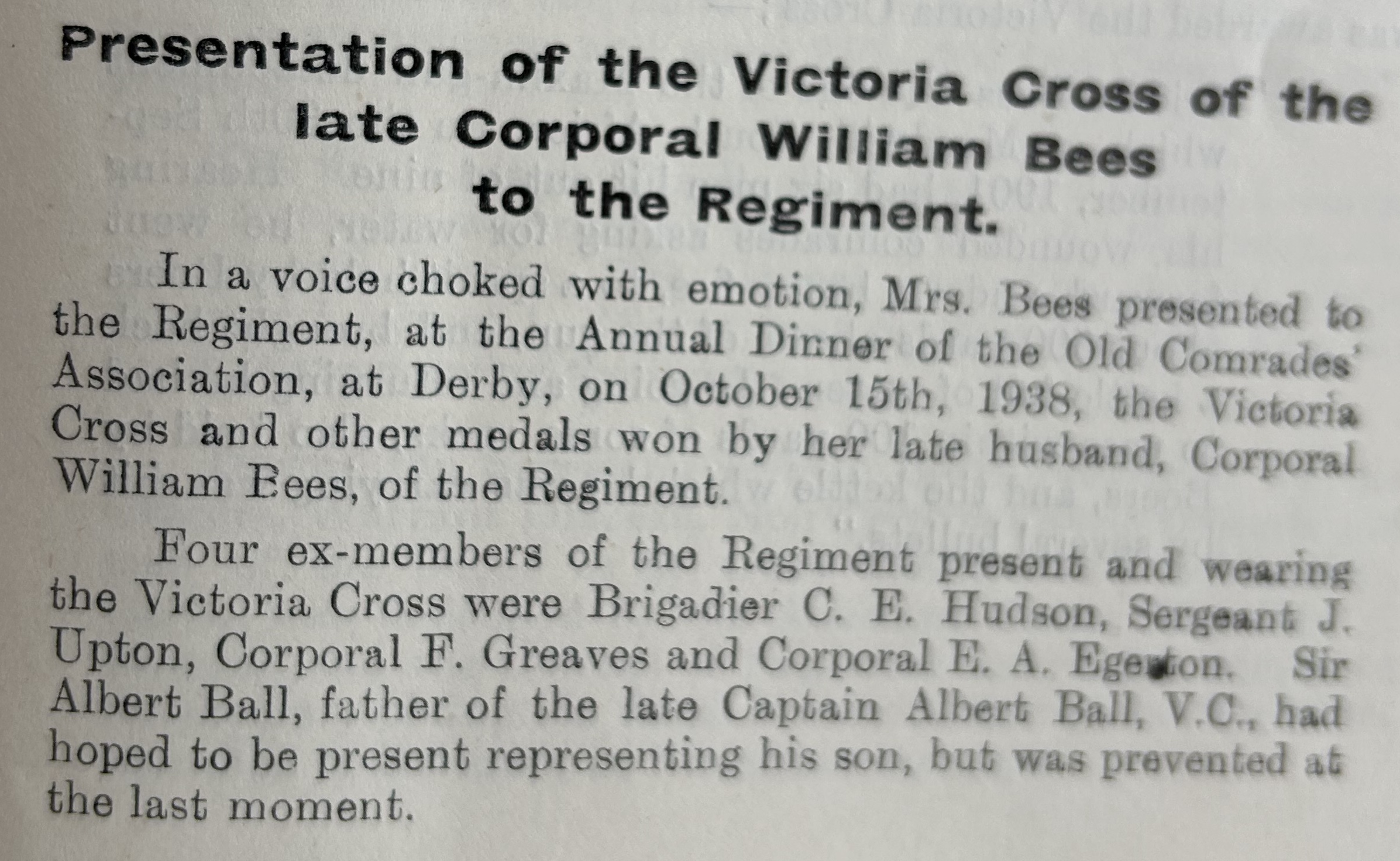
His Medals were later gifted to theRegiment at the Annual Dinner of the Old Comrades Association in October 1938.
Served in the 2/6th and 10th Battalions
Joseph Ollerenshaw was born in 1895 in Bradwell in the High Peak. In the 1911 Census he is recored as living at Stumperlowe Grange Farm in Fulwood and was a farm worker.
Joseph enlisted into the 3/6th Battalion in December 1915 and was subsequently transferred to the 2/6th Battalion. His 4-digit Territorial number was 4685.
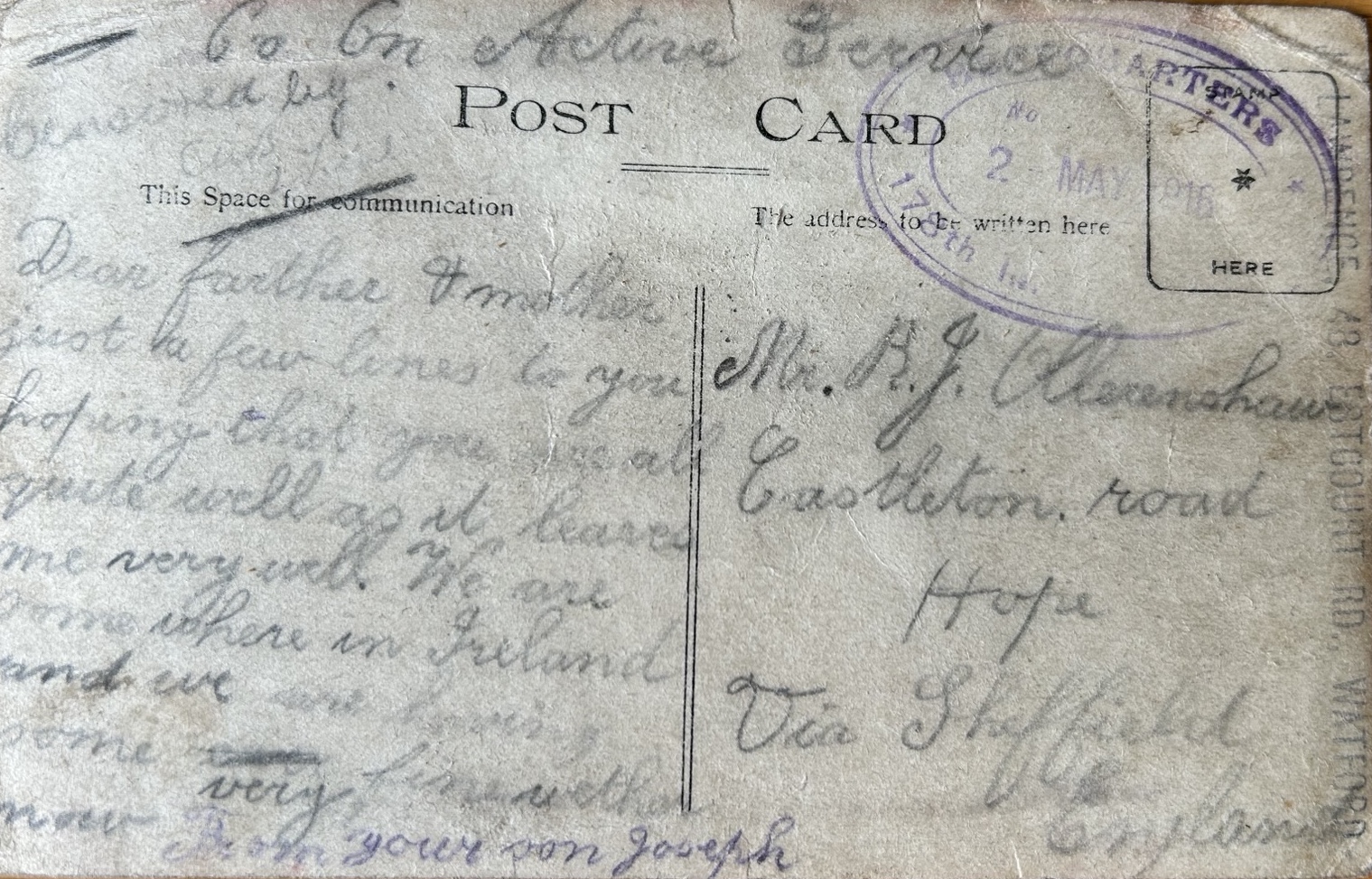
Joseph was serving with the 2/6th Battalion, 178th Brigade, 59th Division when it was sent to Ireland in response to the Easter Rising in 1916.
“Dear father & mother just a few lines to you hoping that you are all quite well as it leaves me very well. We are somewhere in Ireland and we are having some very fine weather now. From your son Joseph”
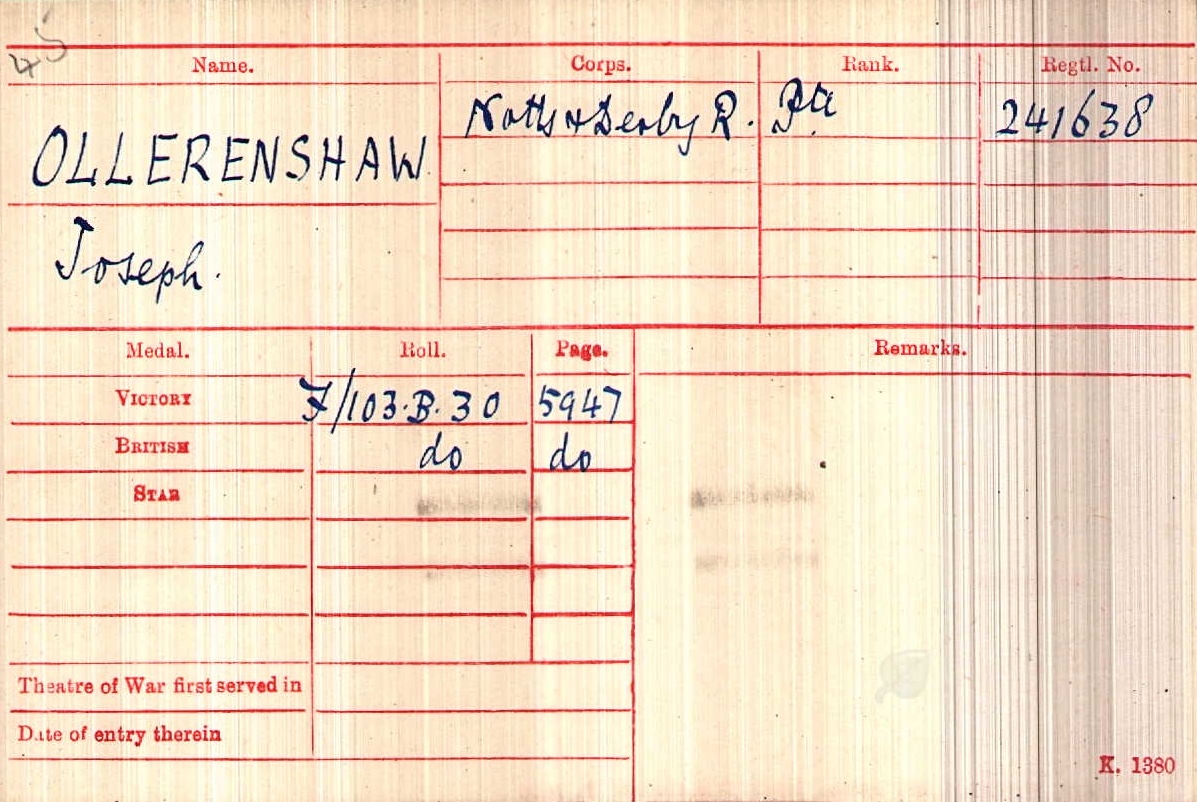
Joseph proceeded to France with 59th Division in early Spring 1917.

At some point Joseph transferred to the 10th Battalion, which could have been when the 2/6th Battalion was disbanded, in May 1918 or he may have been wounded and following recovery posted to the 10th Battalion ?
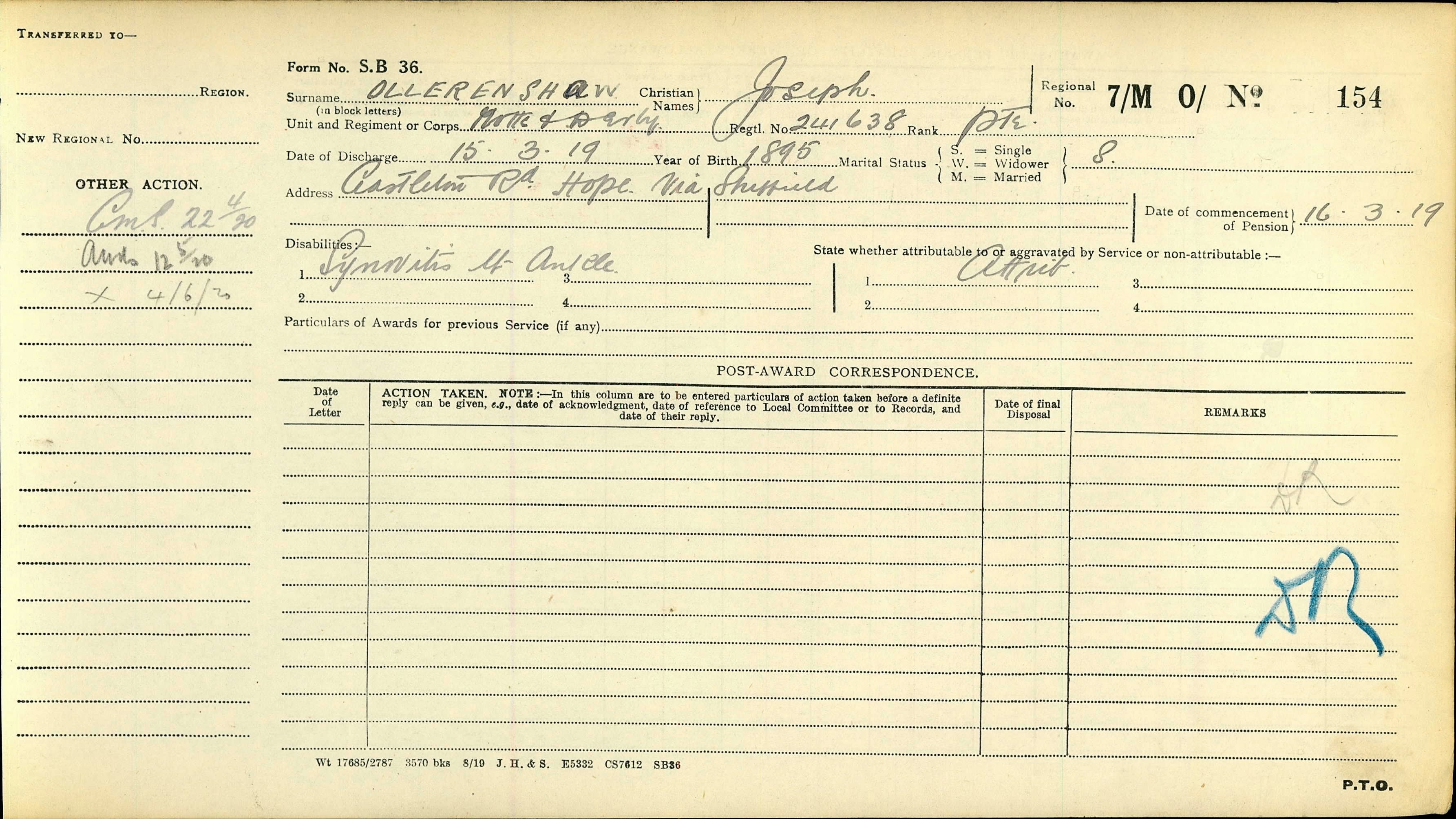
Joseph was discharged in March 1919 and received an Army pension due to ‘synovitis of the left angle’ that was attributed to active service.
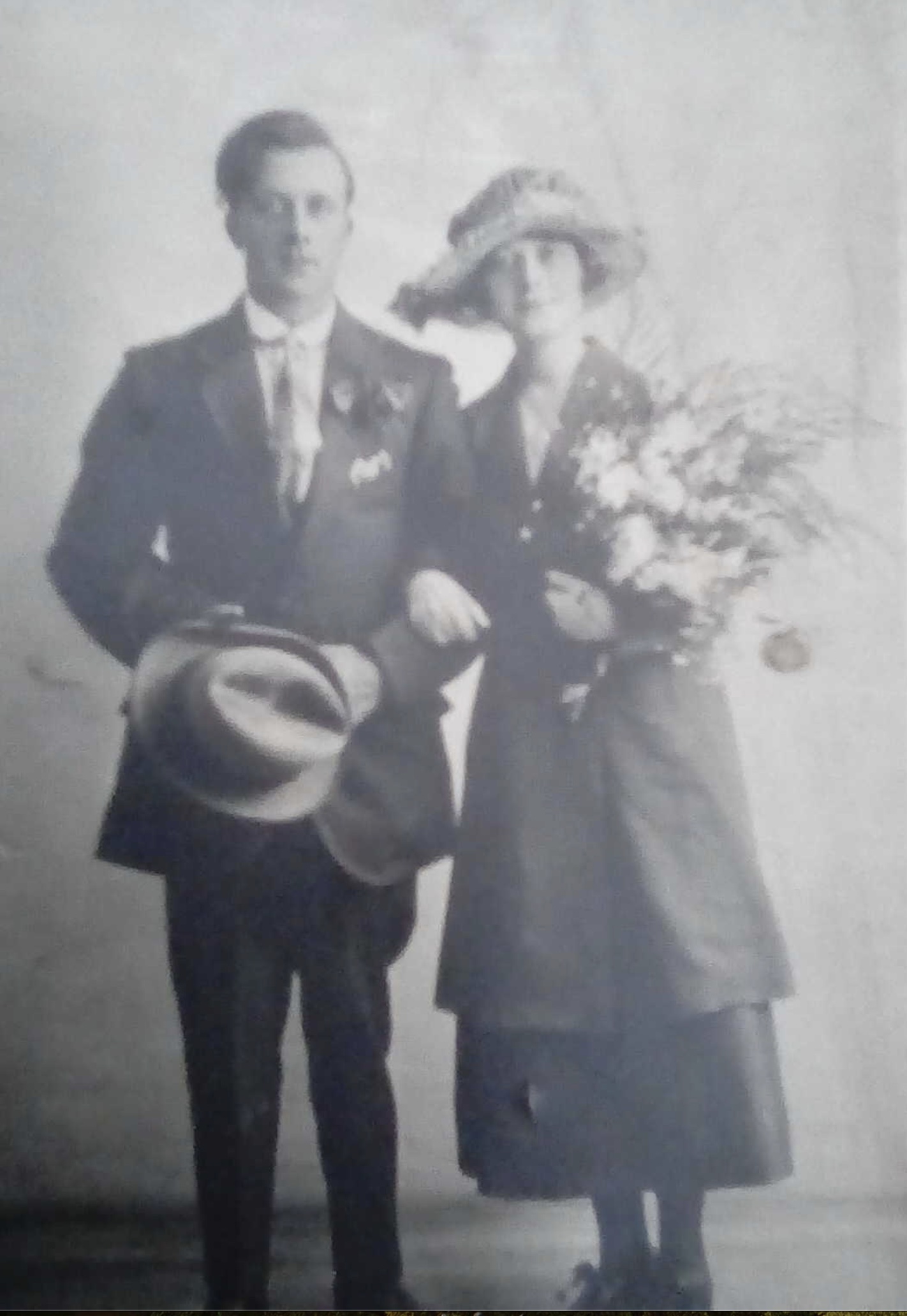
Joseph Ollerenshaw married Elsie Pye in Stockport, Cheshire in April 1922 when he was 26 years old – see here – they had one child during their marriage. He died in 1960 in Stockport, Cheshire at the age of 65.
Enlisted in October 1914; Served with “B” Company and later with the Trench Mortar Battery. An enquiry was later sent to the Red Cross regarding his capture.
The different spellings of his name make him a difficult man to track down.
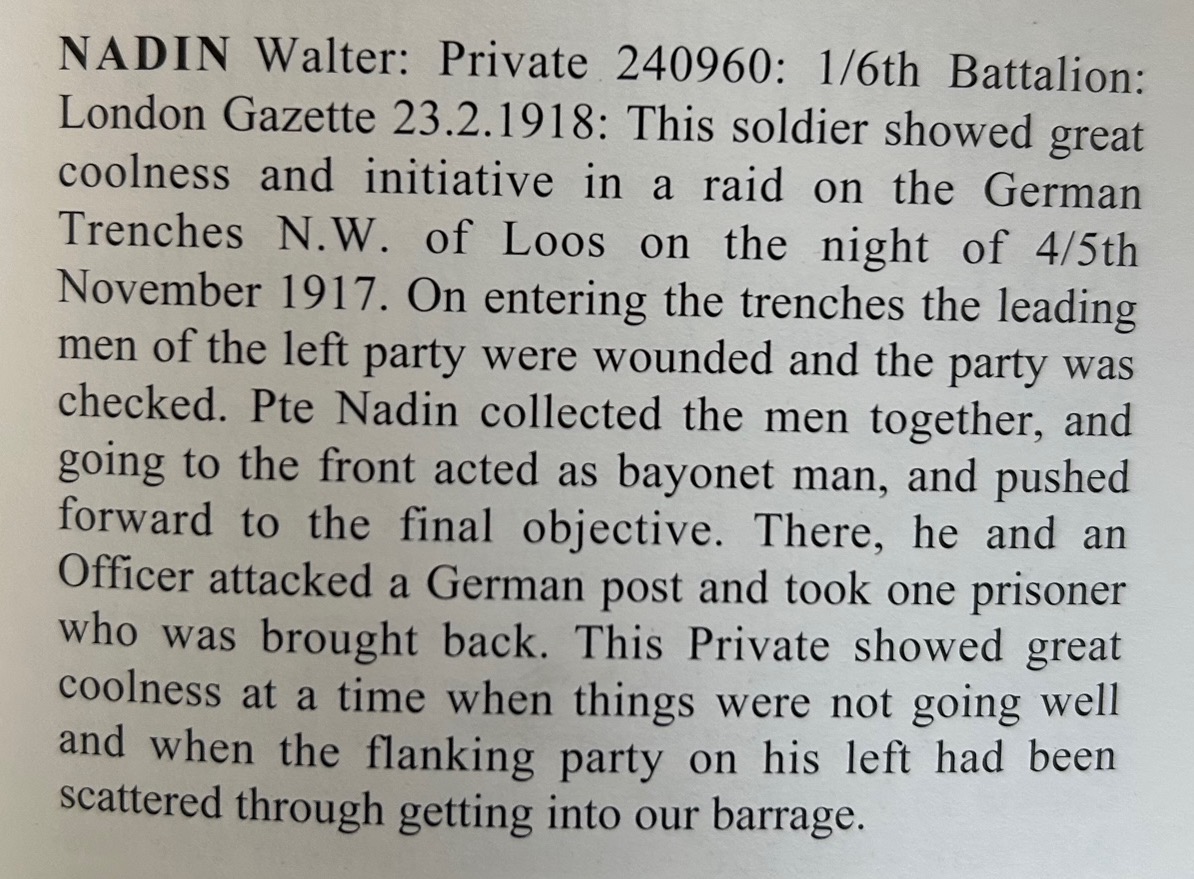
Walter won a Military Medal during a raid on the German trenches – see here

Served with the 1st, 7th KORL and 17th Battalions and the Labour Corps and was wounded four times
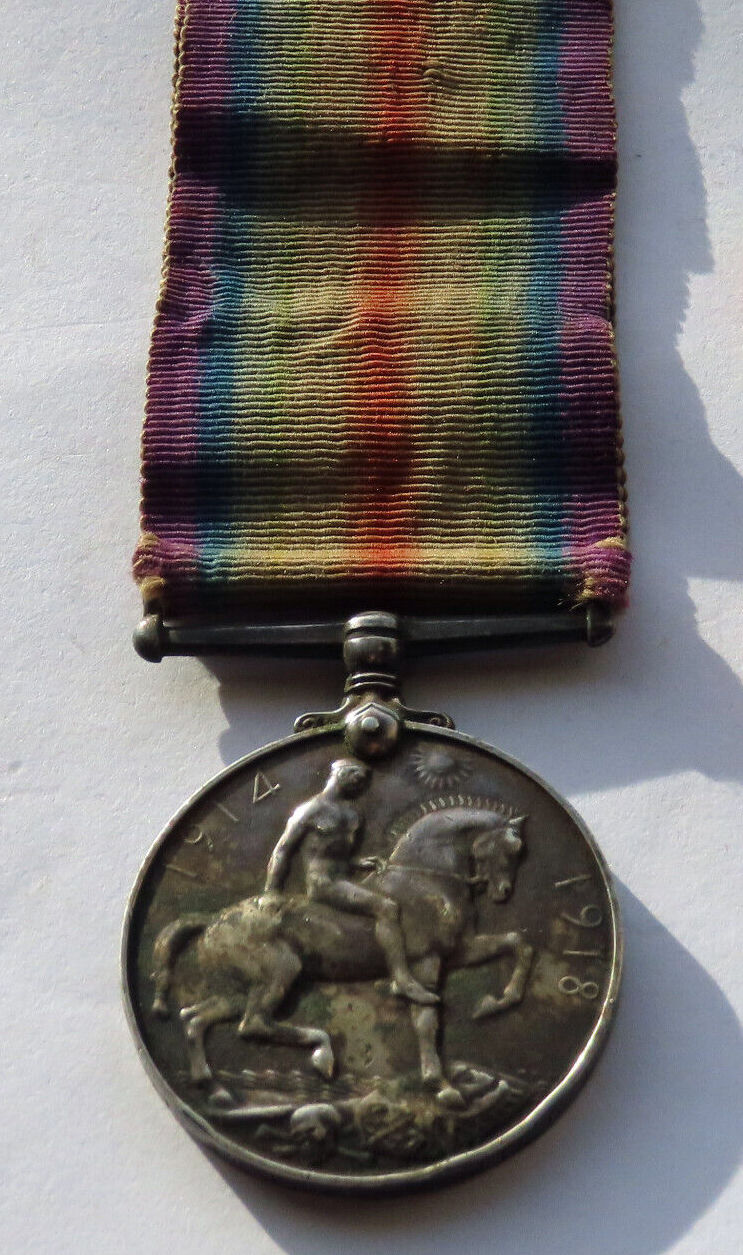
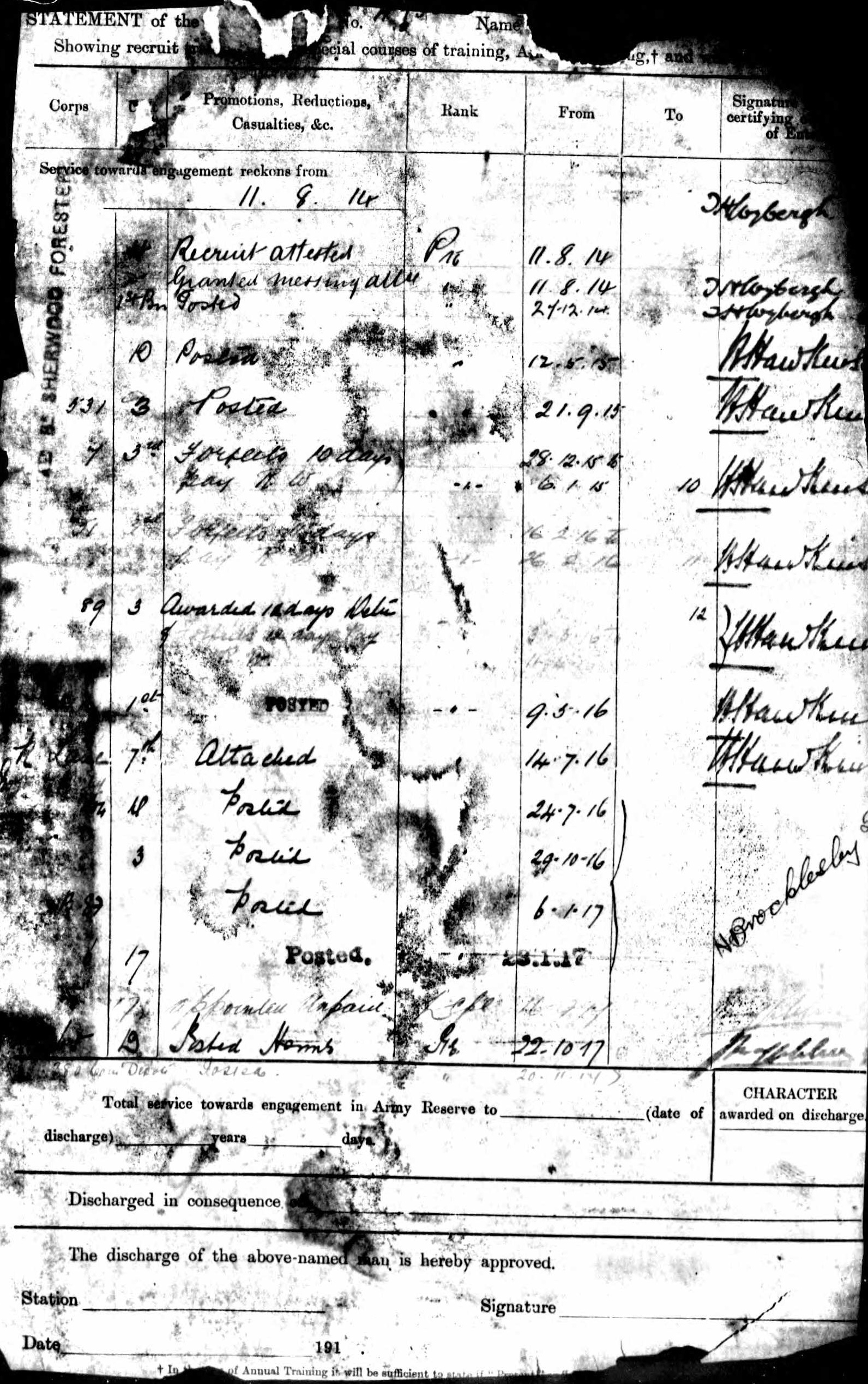
John attested in August 1914 and was posted to the 1st Battalion. He suffered a GSW in the thigh in May 1915 during the attack on ‘Rouges Bancs’ (2nd Ypres). During this attack, which was a prelude to the Battle of Richebourg-Festubert, the 1st Battalion suffered 3 Officers and 52 OR killed; 12 Officers and 245 NCOs and men wounded; 46 OR missing – a total of 359 casualties.
He was transferred to England for treatment.
He returned to France with the 1st Battalion in May 1916 and was attached to the 7th Kings Own Royal Lancashire Regiment. John was wounded a second time on 20th July 1916 (with shell shock) at Bazentin-le-Petit and returned to England on HS Lanfranc.
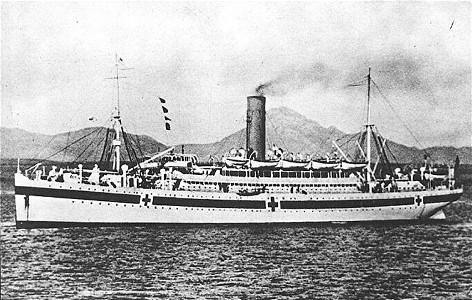
HS Lanfranc
Following convalescence John returned to France in January 1917 and was posted to the 17th Battalion. He suffered a GSW to the forehead in August 1917 and was transferred to the Labour Corps. He was gassed in September 1917 and returned to England in October 1917. John was eventually discharged in May 1919.
Warrant Officers and NCOs of the 1/6th Battalion taken in Marseilles in January 1916
Yes, they are all indifferent frames, but hey ho. This is the 6th Battalion corner!
Officers and WO/NCOs from 1916
“A” Company NCOs from Scarborough 1911
Officers from Scarborough 1909
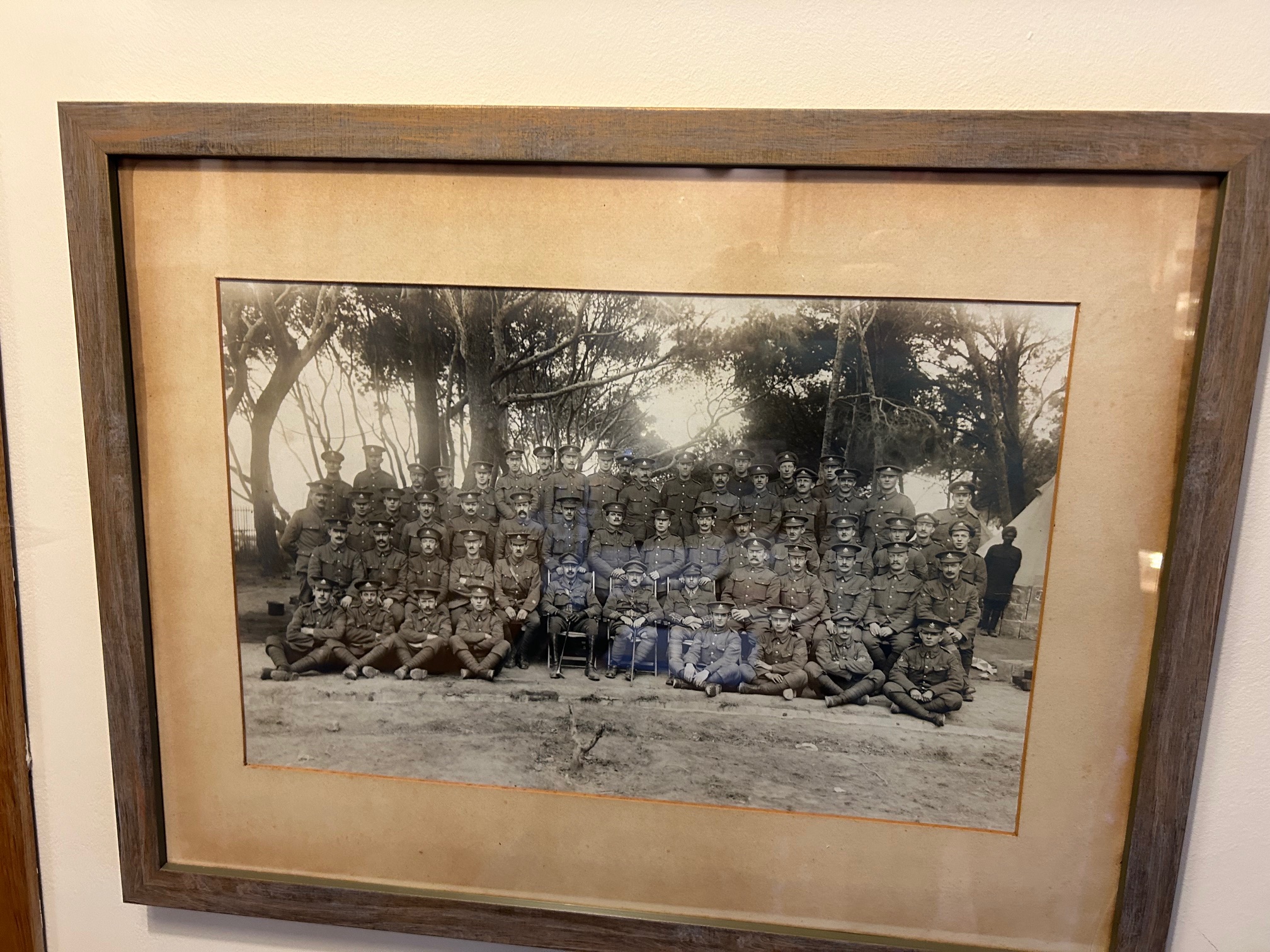

Served from September 1914 until February 1919 with the 1/7th and 1/6th Battalions

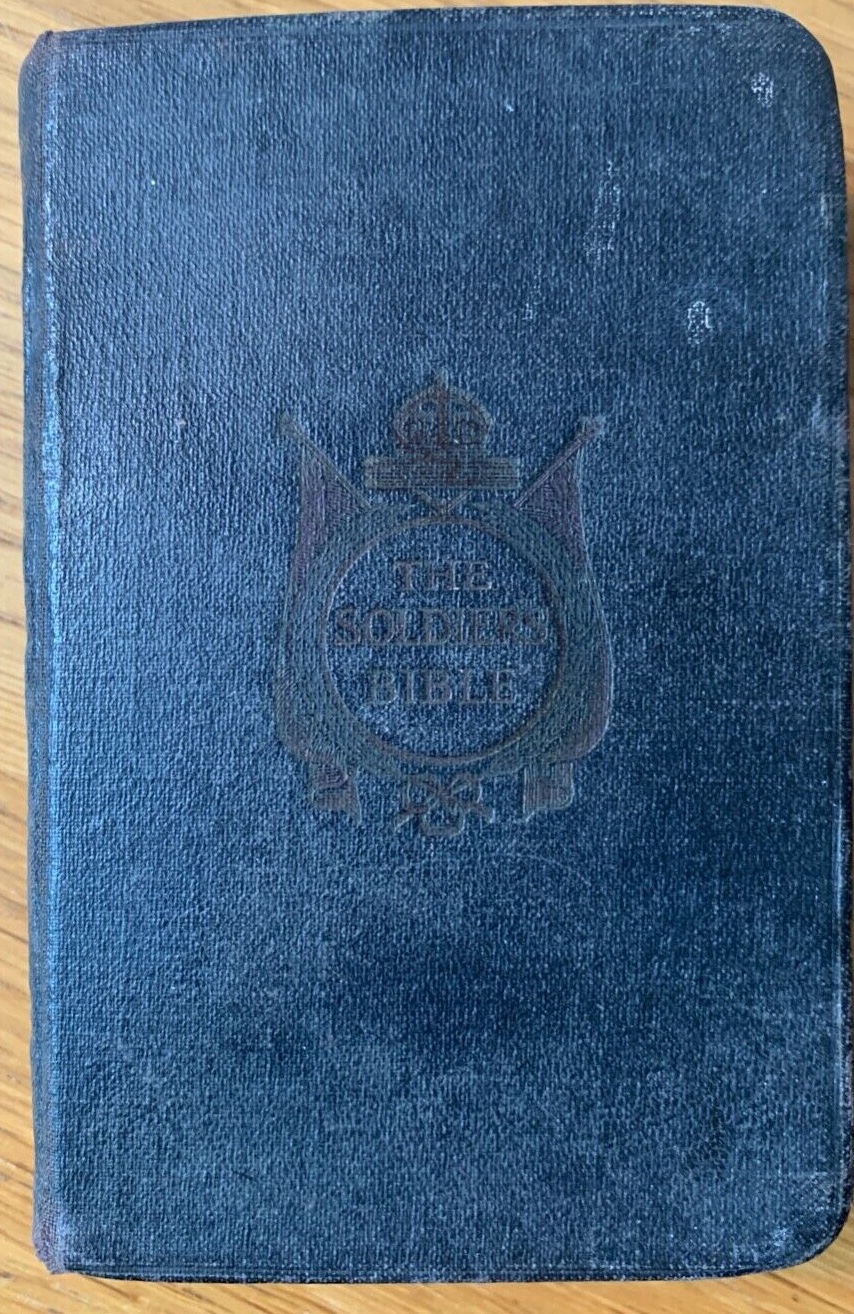
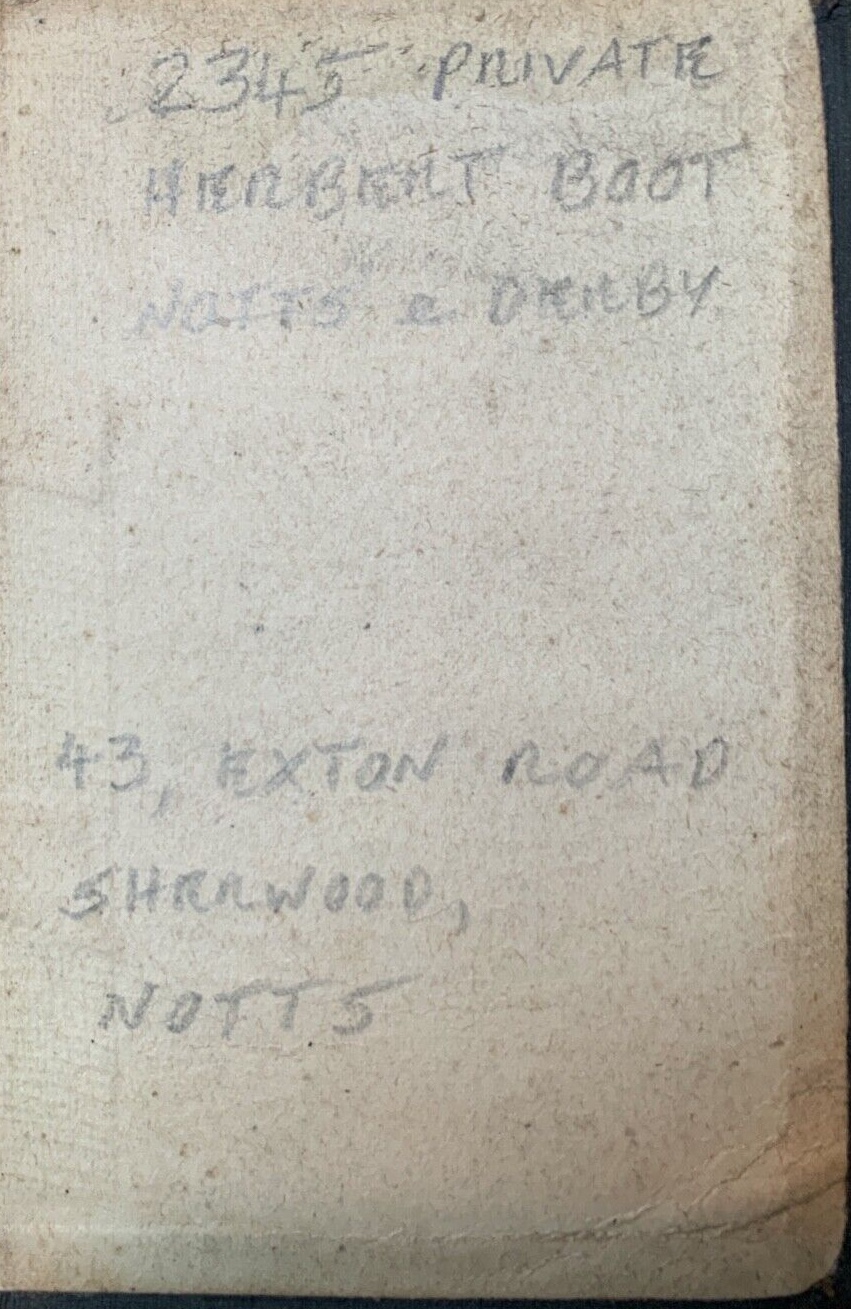
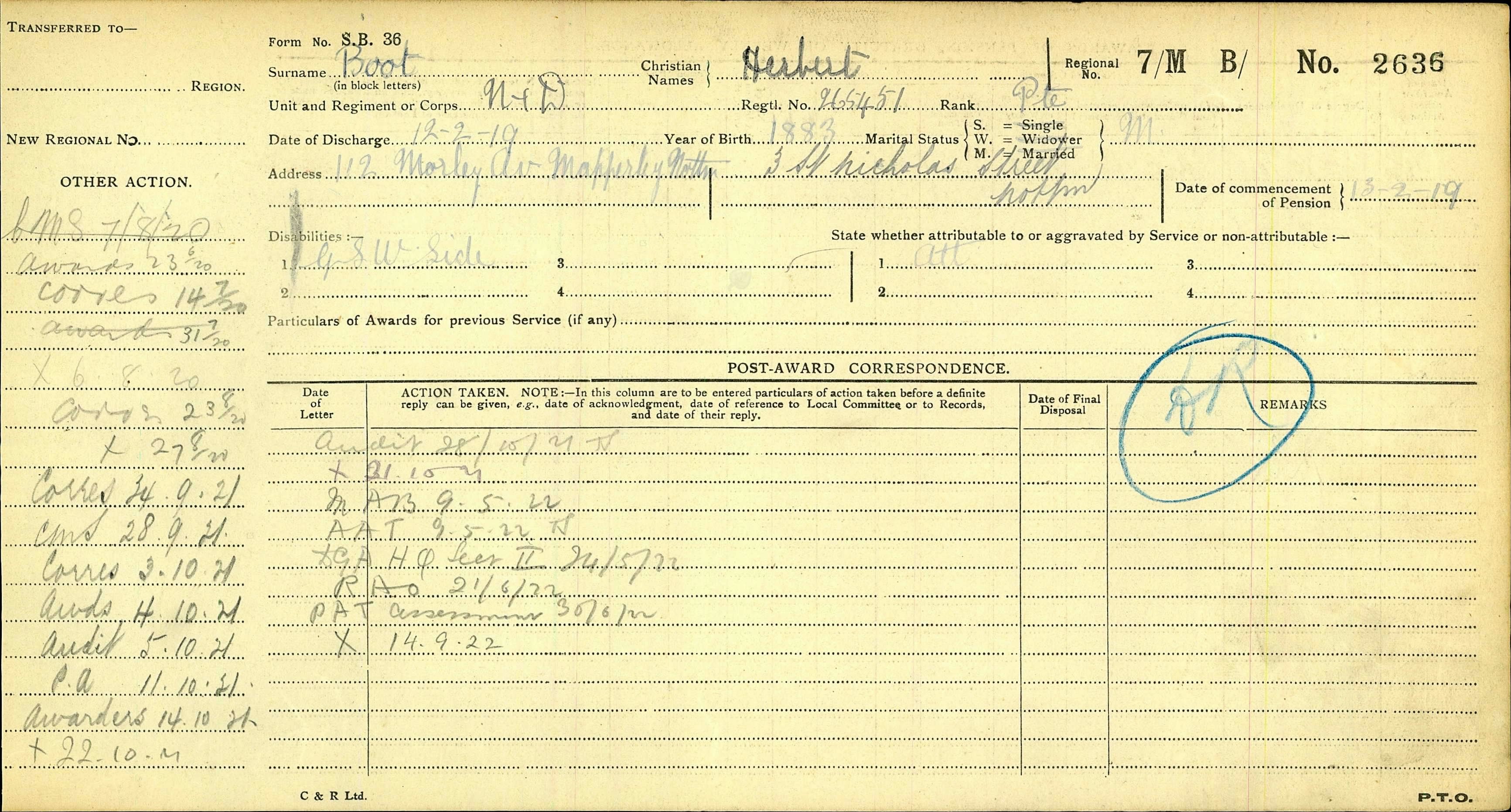
Herbert was born in East Markham in Nottinghamshire in 1883 and the 1911 census records him as an ironworks fitter.
He enlisted into the 7th Battalion on 6th September 1914 and arrived in France to join the 1/7th Battalion with the 1st Reserve Reinforcement in June 1915. Herbert was still serving with the 1/7th Battalion at the time of the Territorial Force renumbering in the Spring of 1917. He was later transferred to the 1/6th Battalion – possibly at the time the 1/7th Battalion was disbanded in January 1918. At some point Herbert suffered gun shot wound in the side.
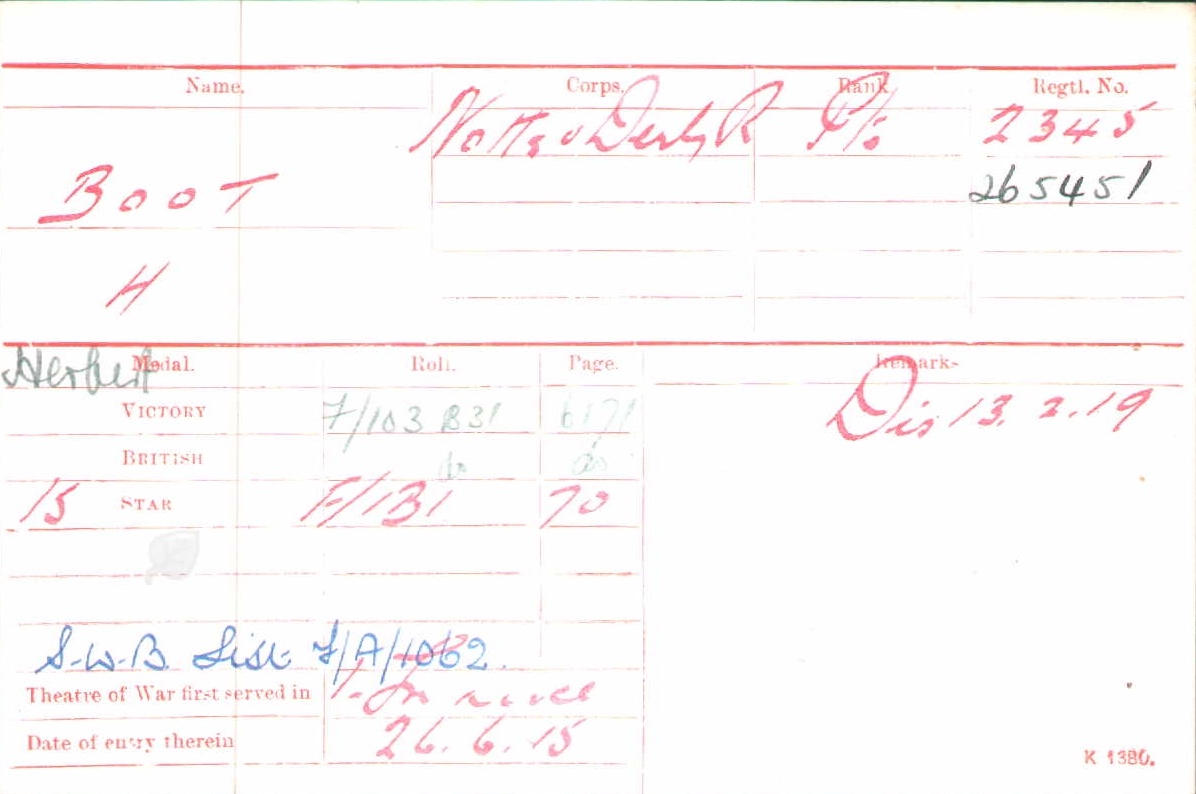
Herbert was discharged in February 1919 and was awarded the 1914-15 Trio and Silver War Badge. He was also granted a pension.
…….not cheap either

So when I saw this post card for sale on a well known internet auction sight I saw the Grimsby photographer and immediately thought that this was the 8th (Nottinghamshire) Battalion in camp at Hunmanby in August 1914.
But then I got thinking a bit more…..interestingly, of the 100s of Notts & Derby postcards that I have from 1905-1915…..I don’t have anything from a Grimsby-based photographer.
During 1908-1914 most of the camps were photographed by local photographers or those from the Notts & Derby area.
So….could this have been from a Scarborough Camp (1909 or 1911) ? but it doesn’t look right – not a racecourse setting?
So….how about Hunmanby?…….possible….but they weren’t there that long and photographs of the camp are very rare…..I have only ever seen half a dozen…..
Also the lack of Imperial Service Badges had me scratching my head……
Then I got thinking…..where is Grimsby near to?
“An advance party under Major WR Rock proceeded to South Somercotes, a small village about 1 1/2 miles from Saltfleet [and just South of Grimsby], and few days later the Battalion with others of the North Midland Group moved there and went under canvas”
[“The Robins Hoods”: 1/7th, 2/7th, 3/7th Battns. Sherwood Foresters]
So…..I’m calling this the 3/8th Battalion ‘under canvas’ at Somercotes in the summer of 1916…..
A scarce original and complete pair


 Derbyshire Territorials in the Great War


