Enlisted into the 5th Battalion in 1911 and posted as missing in action on the 1st July 1916


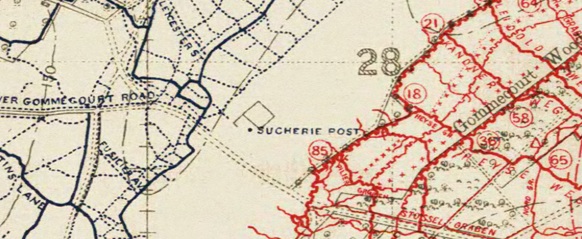


Enlisted into the 5th Battalion in 1911 and posted as missing in action on the 1st July 1916
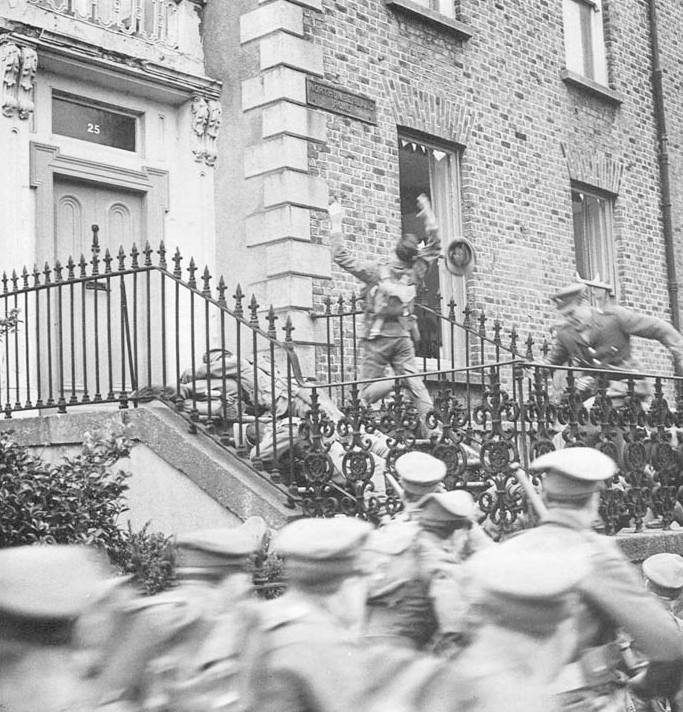
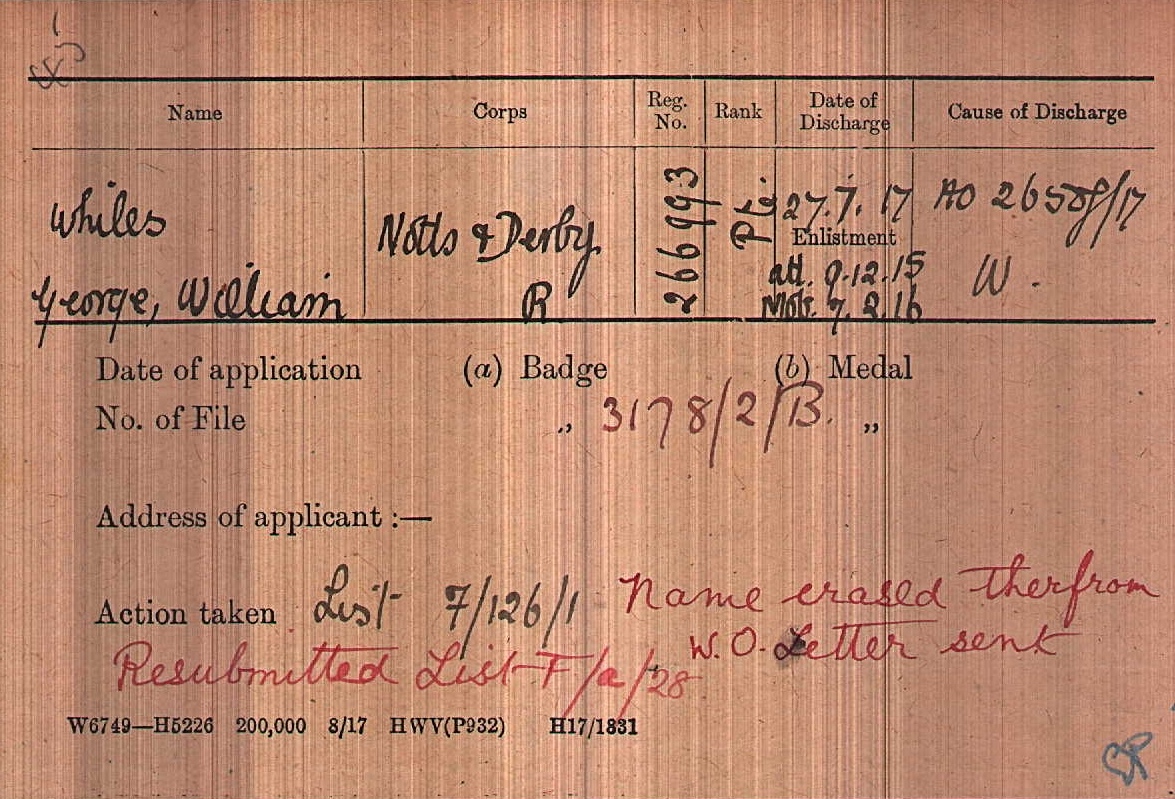
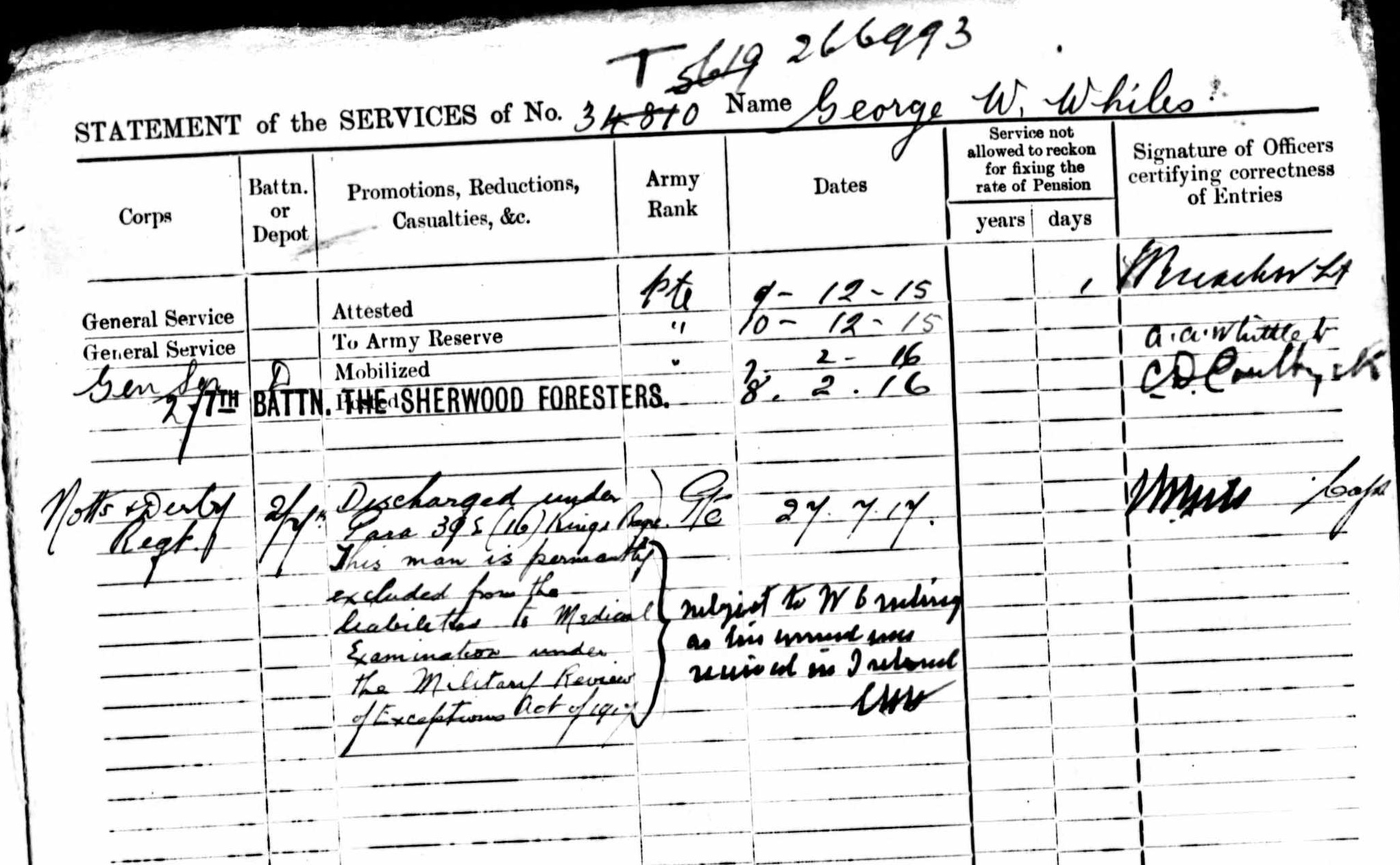
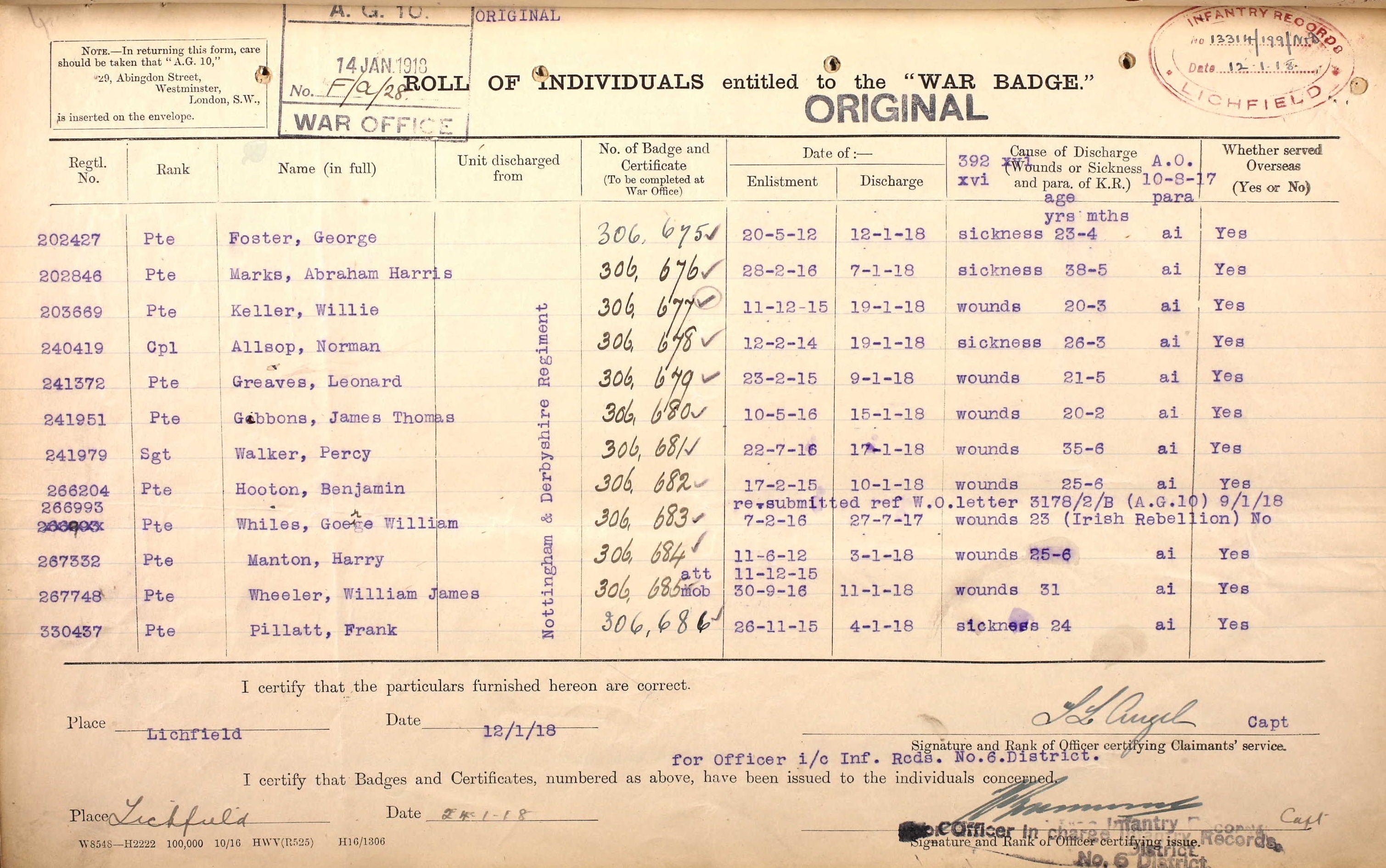
Mobilised in February 1916 and wounded in Dublin with the 2/7th Battalion in April 1916

Several Sherwoods captured at Bullecourt on the 21st March 1918
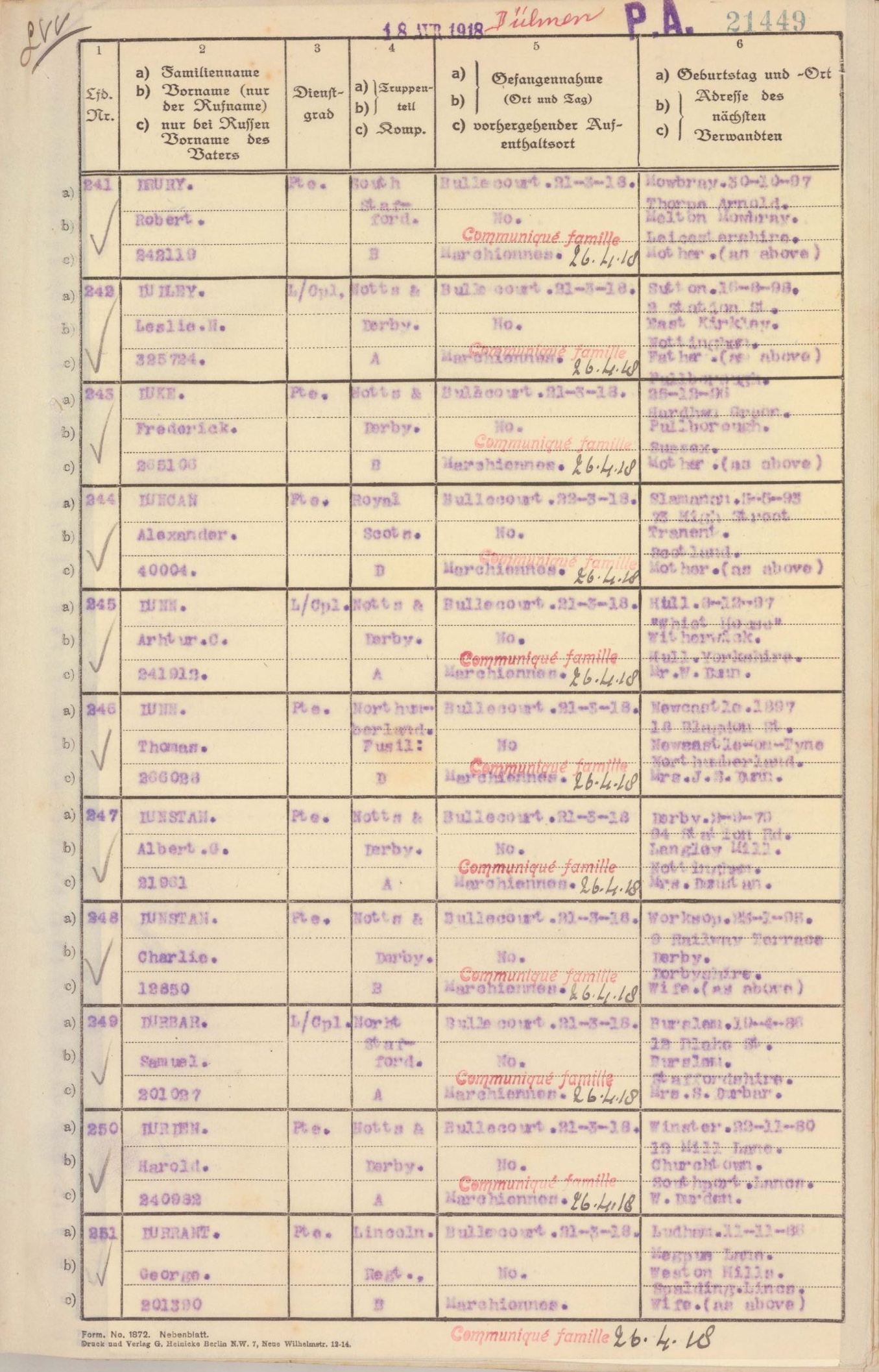
30574 L/Cpl Leslie Norman Dudley from East Kirkley. “A” Company 2/5th Battalion.
268106 Pte Frederick Luke from Pulborough in Sussex. “B” Company 2/7th Battalion.
241912 L/Cpl Arthur Claude Dunn from Hull. “D” Company 2/6th Battalion.
21961 Pte Albert George Dunstan from Langley Mill. “A” Company 2/5th Battalion.
12850 Pte Charles Dunstan from Derby. “B” Company 2/5th Battalion.
240982 Pte Harold Durden from Winster. “A” Company 2/5th Battalion.
Served with the 1st Nottinghamshire Volunteer Rifle Corp (1901-1908) and 1/7th Battalion (1908-1916). Suffered a shell wound whilst in trenches at Hooge in August 1915 and discharged in May 1916.
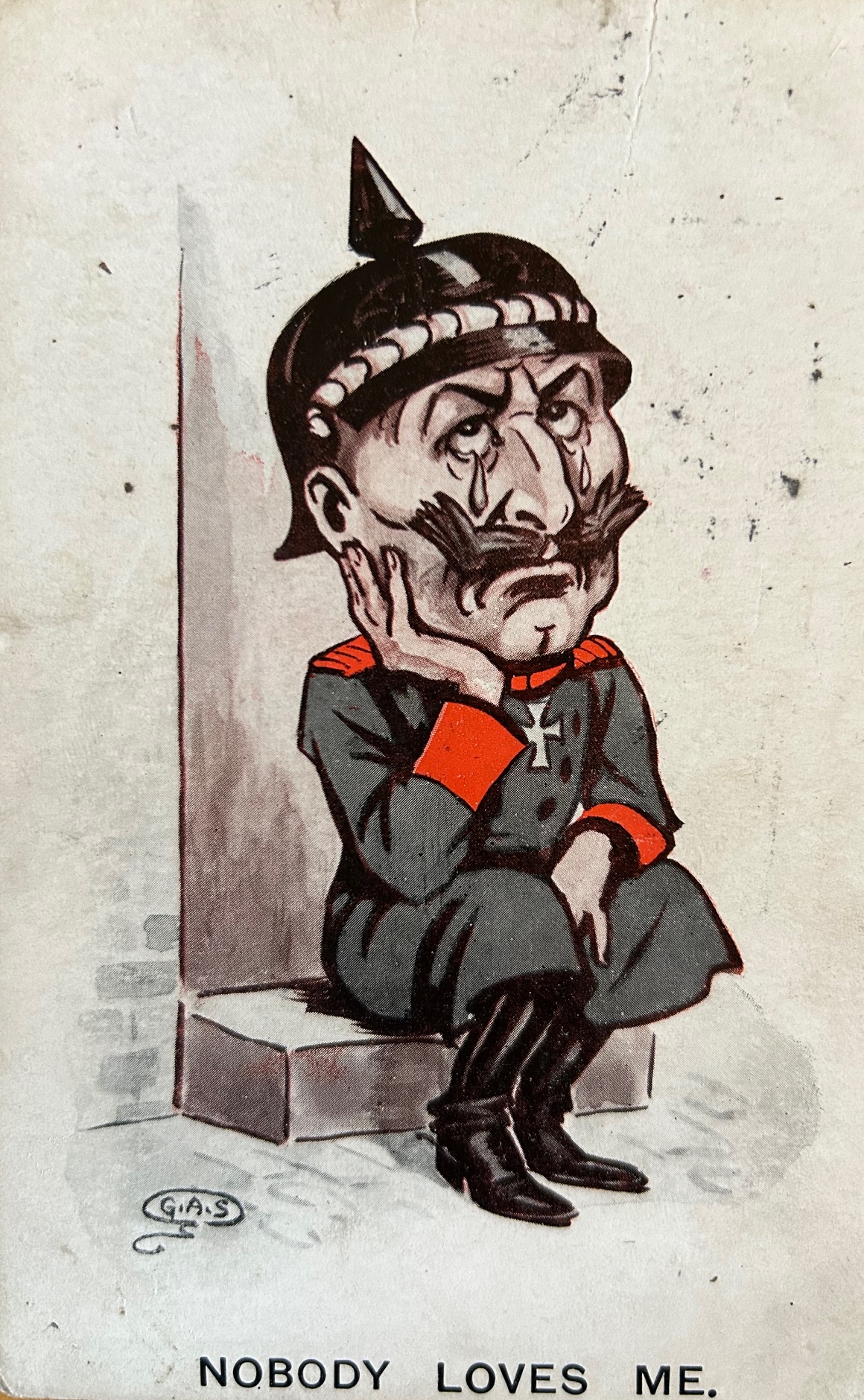
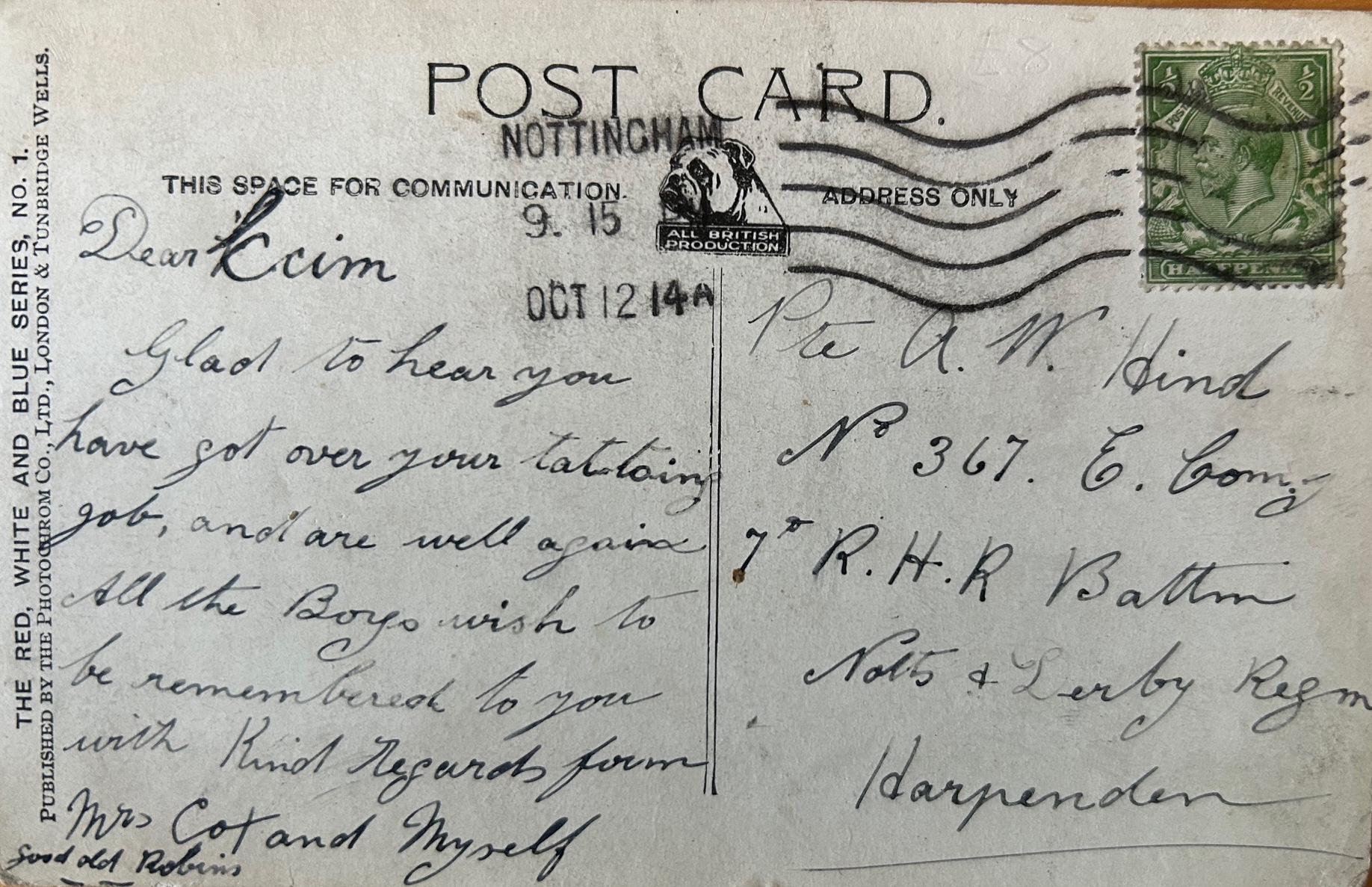
Oct 12th 1914
Dear Chum
Glad to hear you have got over your ta…..ing (?) jab, and are well again. All the boys wish to be remembered to you with kind regards from Mrs Cot and myself.
Good old Robins
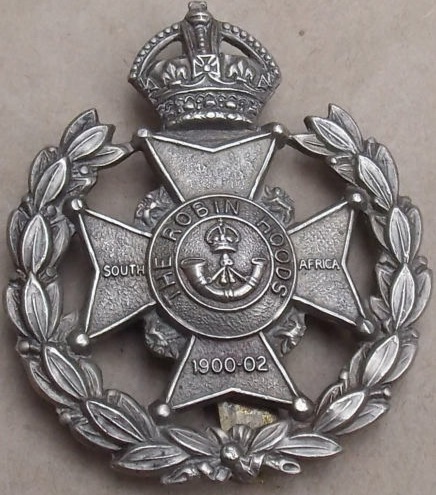
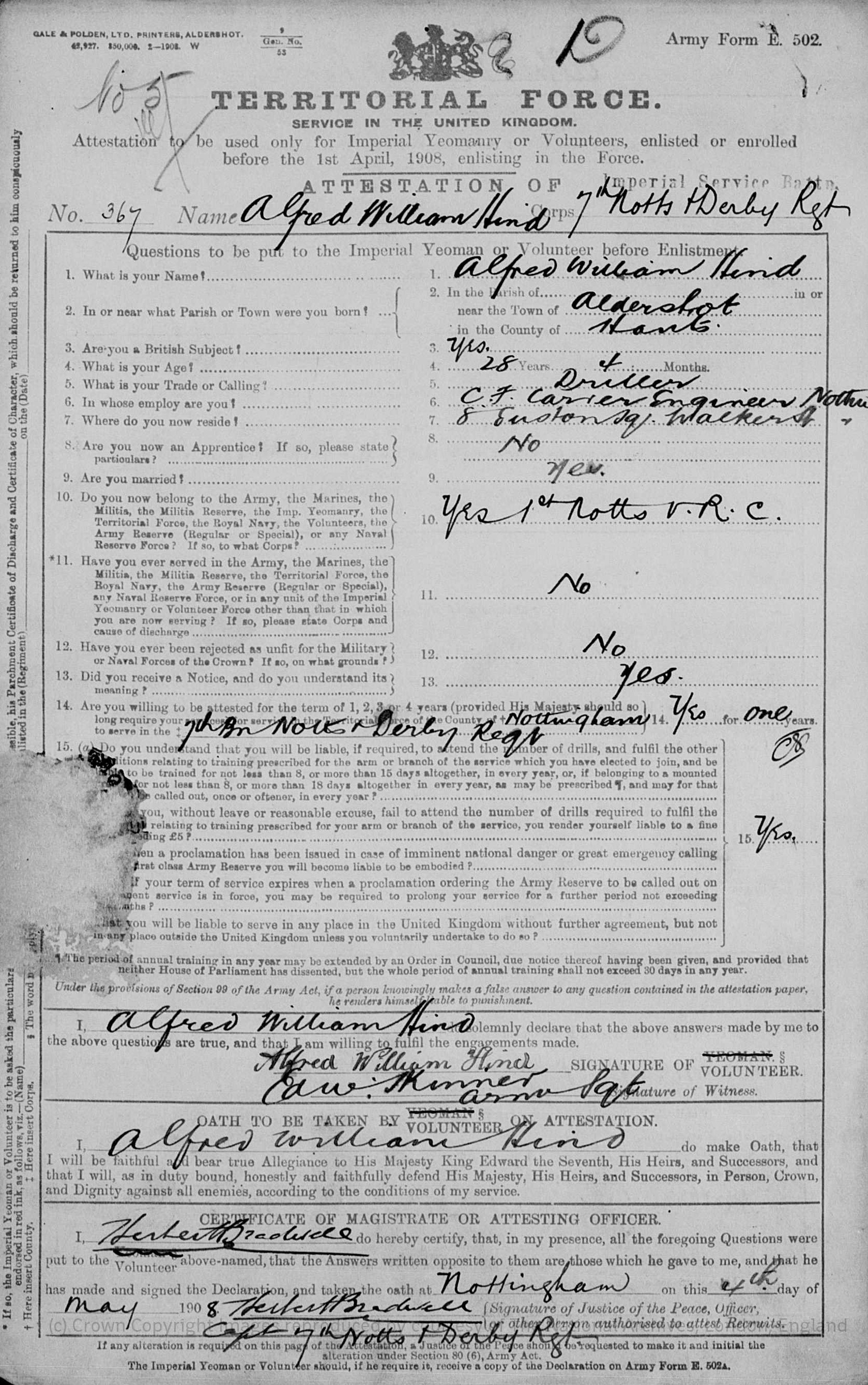
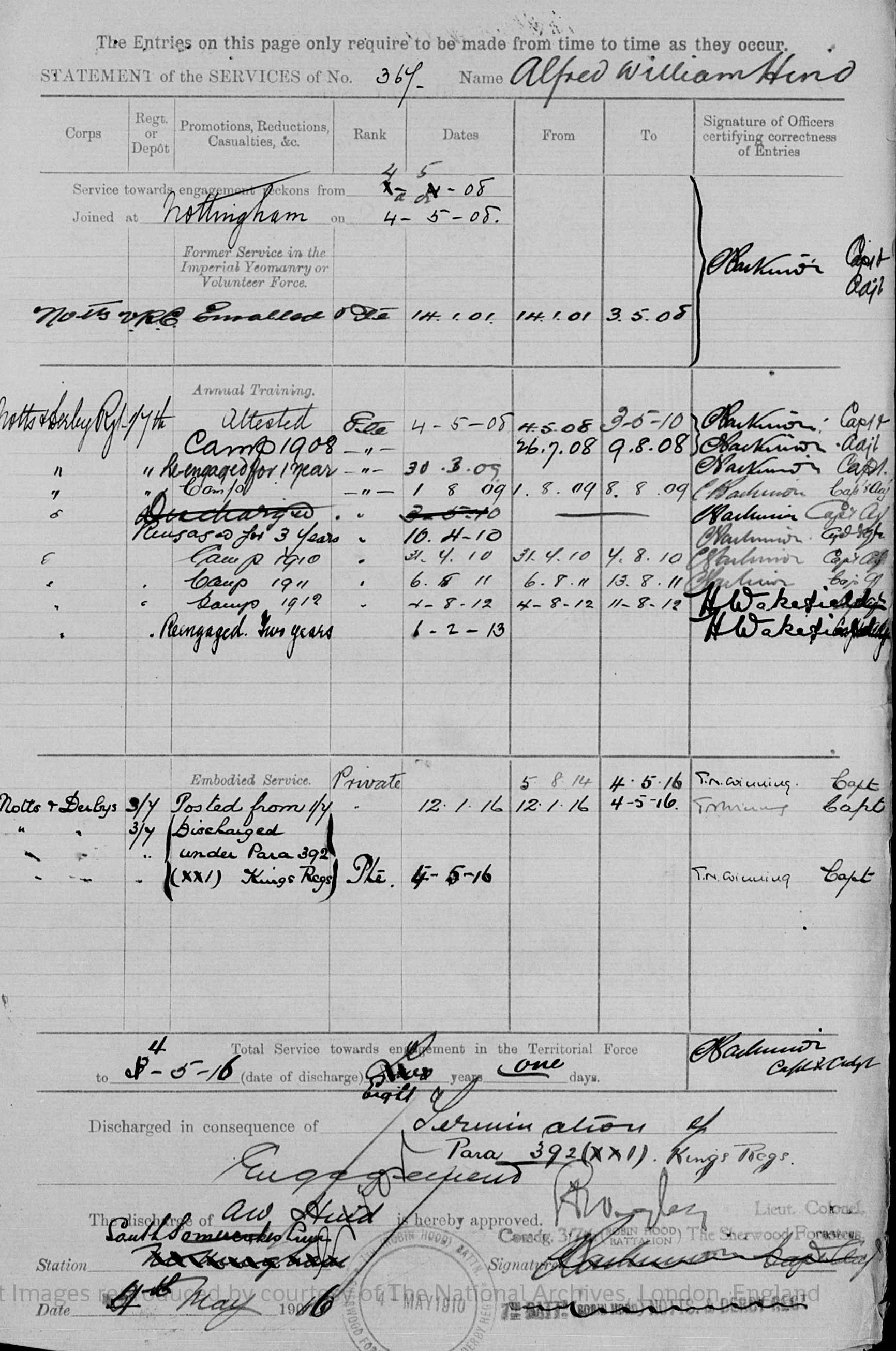
Alfred William Hinds was driller from Nottingham and enlisted into the 1st Nottinghamshire Volunteer Rifle Corp in May 1901. He served with them until transferring to the newly established 7th Battalion Robin Hood Rifles in May 1908. Up to August 1914 he attended many of the annual camps.
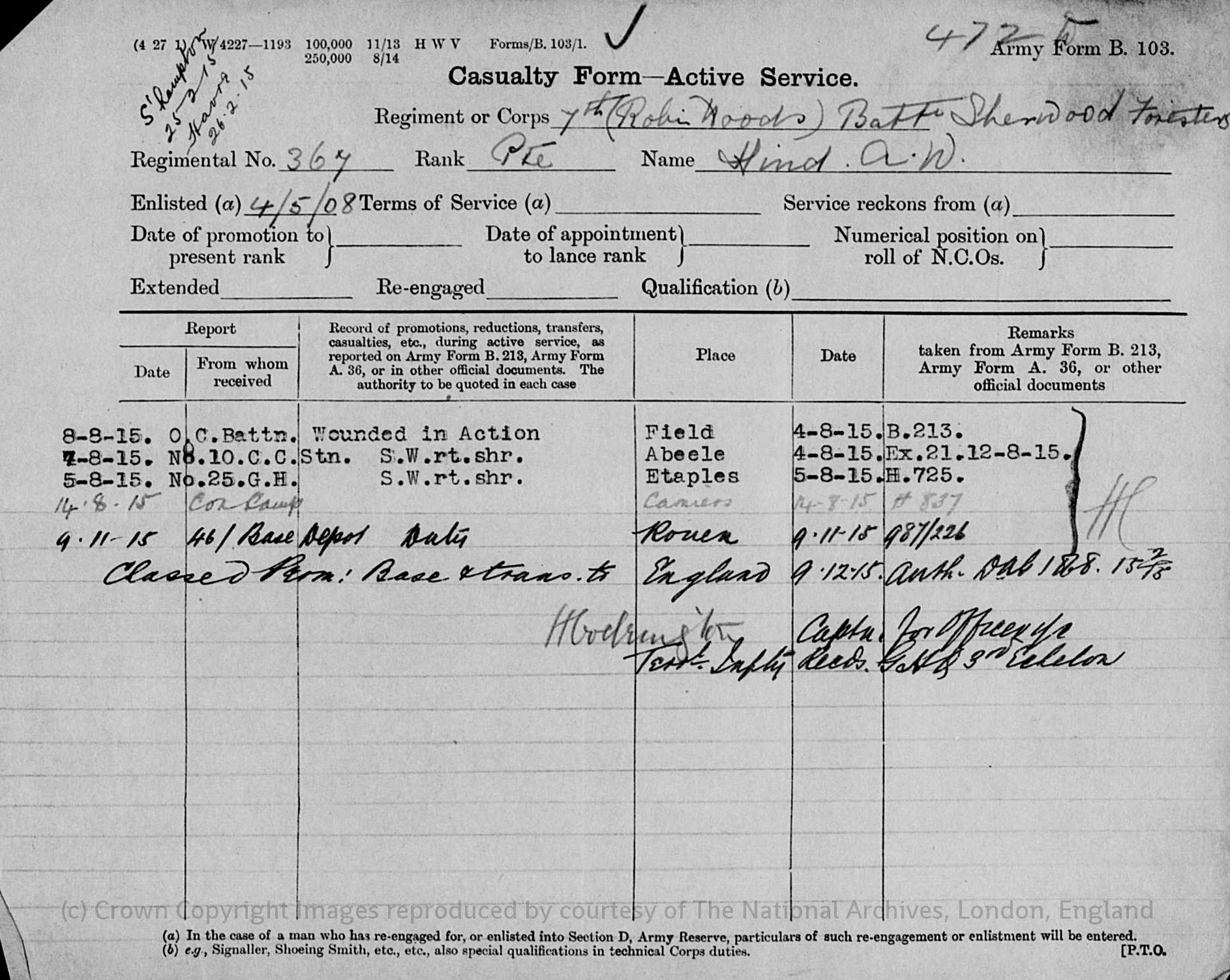


On the 28th of February 1915 Alfred was sent to France with the 46th North Midland Division. He was serving in the front line trenches near Hooge when he suffered a shoulder wound in the right shoulder on 4th August 1915. He was transferred from the 10th Casualty Clearing Station at Abeele to the 25th General Hospital in Etaples before arriving at the 46th NM Base Depot in November 1915.
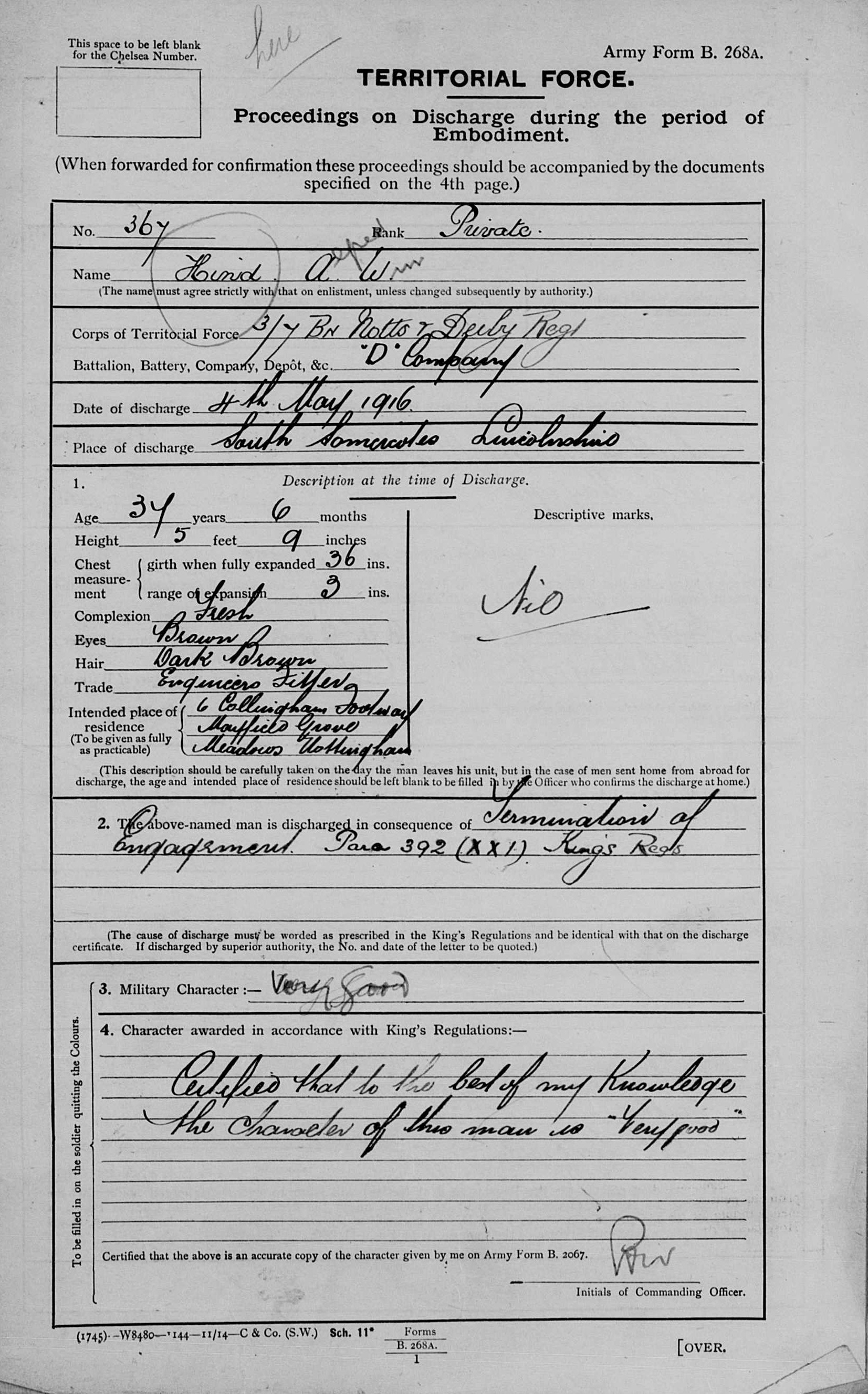
Alfred was eventually transferred to England in December 1915 and transferred to the 3/7th Battalion at South Somercotes in Lincolnshire. Alfred was eventually discharged in May 1916 aged 37.
Posted in May 1917
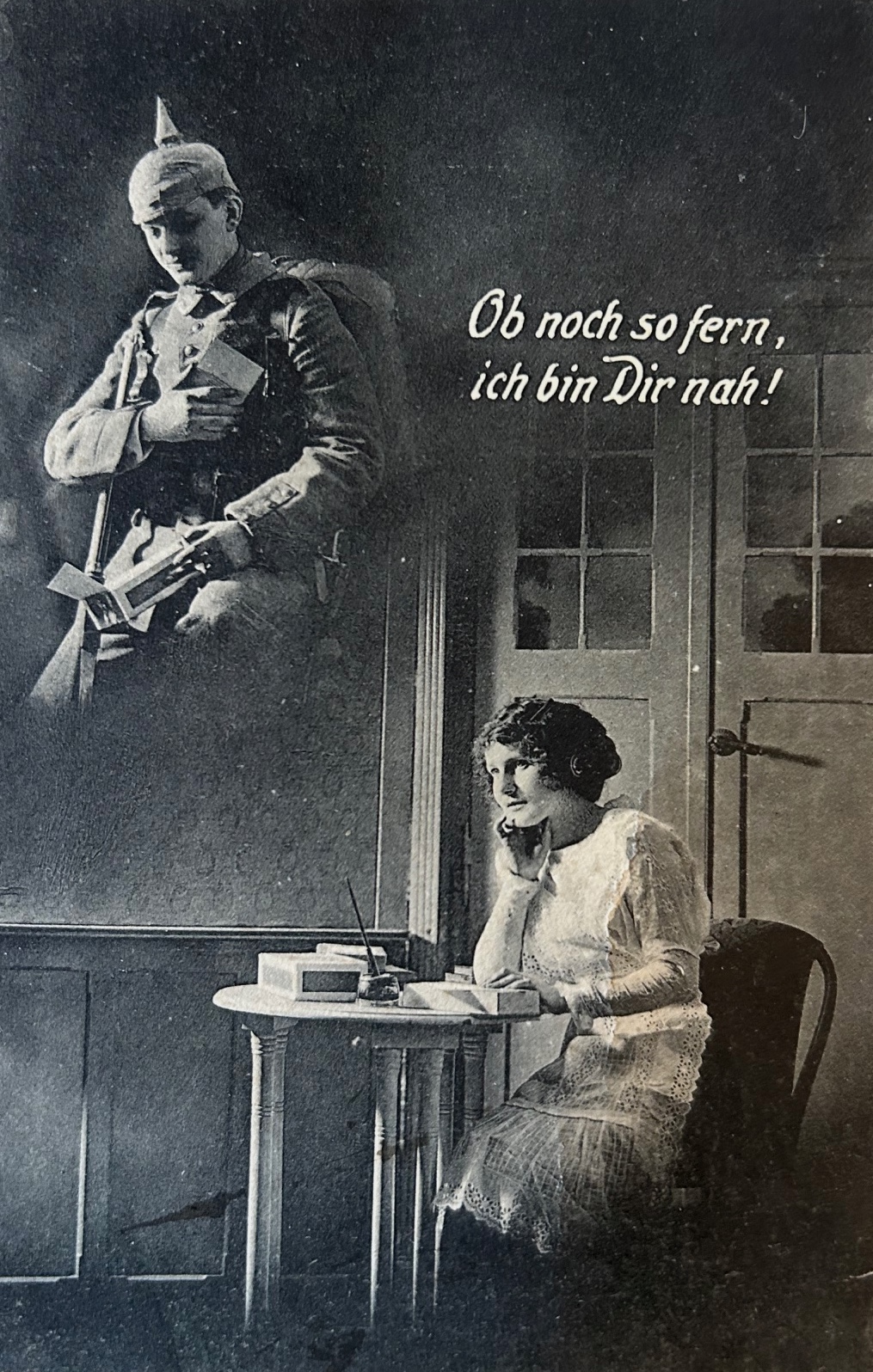

Landwehr-Infanterie-Regiment Nr. 99 was an Imperial German Army regiment that was attached to the Brigade Falkenhayn, XVII Reserve Corps on the Eastern Front of World War I.
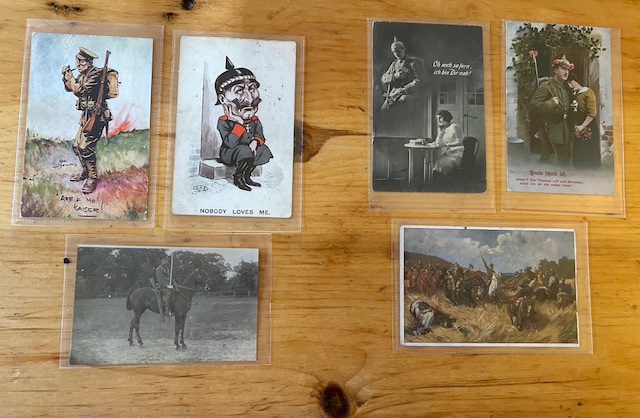
Including one to a pre-war Territorial in the Robin Hood Rifles posted October 1914
Wounded in Dublin with the 2/7th Battalion
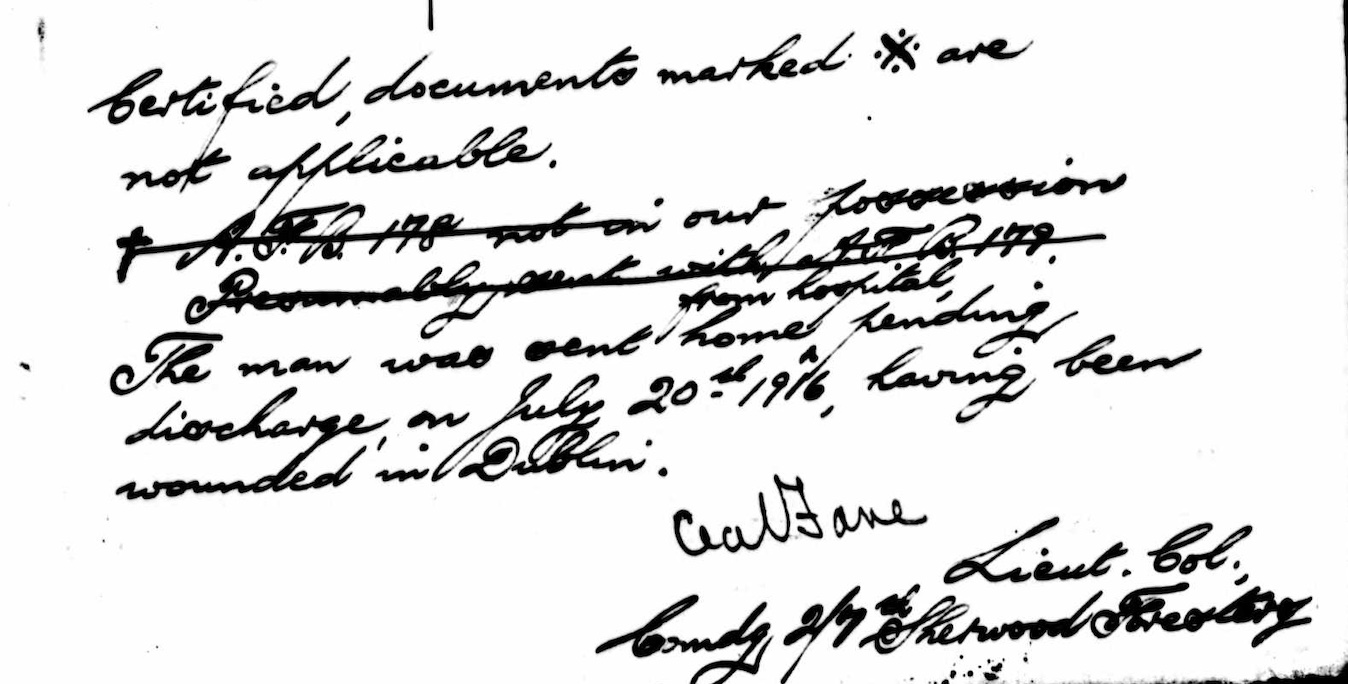
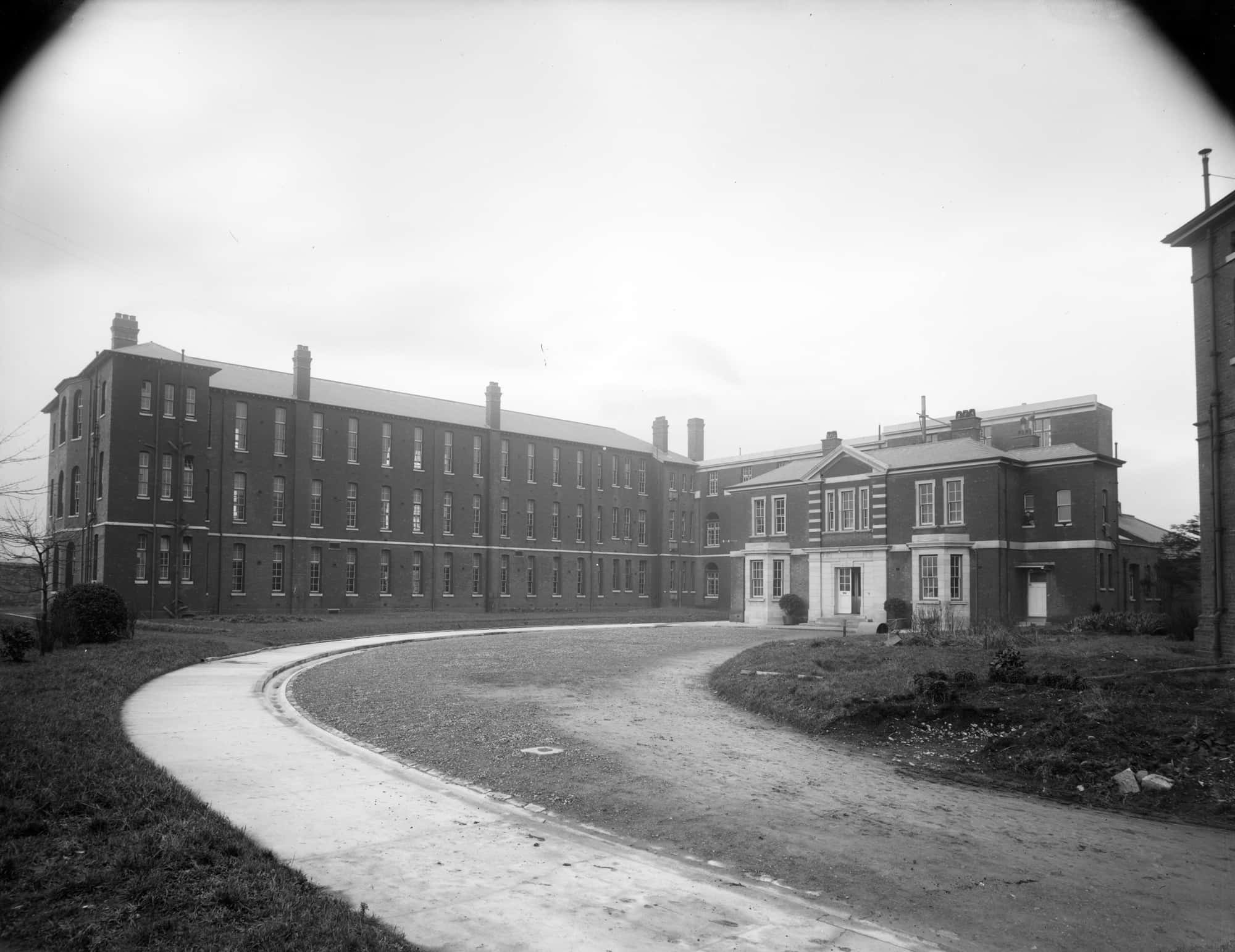
Dixon Vestry enlisted into “A” Company the 2/7th Battalion on 2nd February 1916 and was wounded in Dublin during the Easter Rising. He was treated in King George Hospital in Dublin.

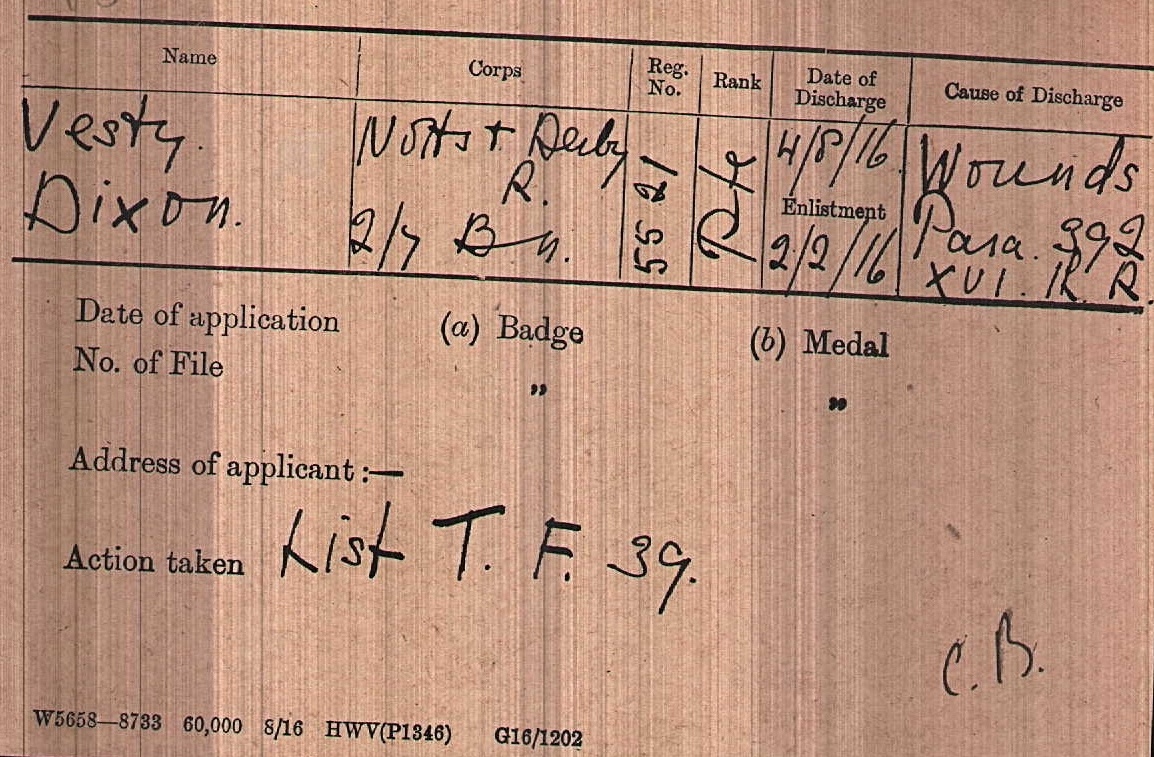
He was discharged on 4th August 1916 in Ornamore, Co Galway and was awarded a Silver War Badge.
A 1917 conscript who served with the 1/7th and 1/6th Battalions

Harold Herbert Pagett was born in January 1899 and was from Derby. His father George was a congregational minister and his was mother Sarah Ann. Both the 1901 and 1911 Census place the family at Avondale Road in Derby. Harold attended Derby School and won a scholarship to Hastings Street Higher School.
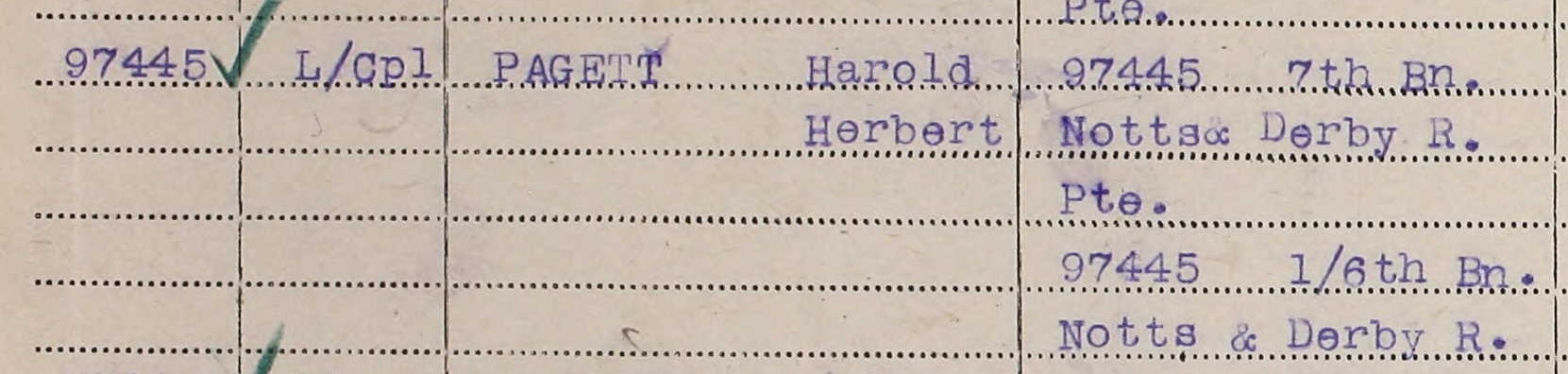
Harold was conscripted in Spring 1917 – most likely into the 3 (Res) Battalion. He would have arrived in France in late 1917/early 1918. Harold only served overseas with the 7th and 1/6th Battalions. It is likely that he joined the 7th Battalion after the 1/7th Battalion merged with the 2/7th Battalion. He was later transferred to the 1/6th Battalion probably in the Summer of 1918.
He married Dorothy Whatmough in Surrey in 1934 and they settled at Frimley where Harold was a tutor “for Army, Navy and Air Force”. He died in Surrey in 1971.
Served with “C” Company and was wounded on 19th August 1916 at Bellacourt during a German bombardment of the billets
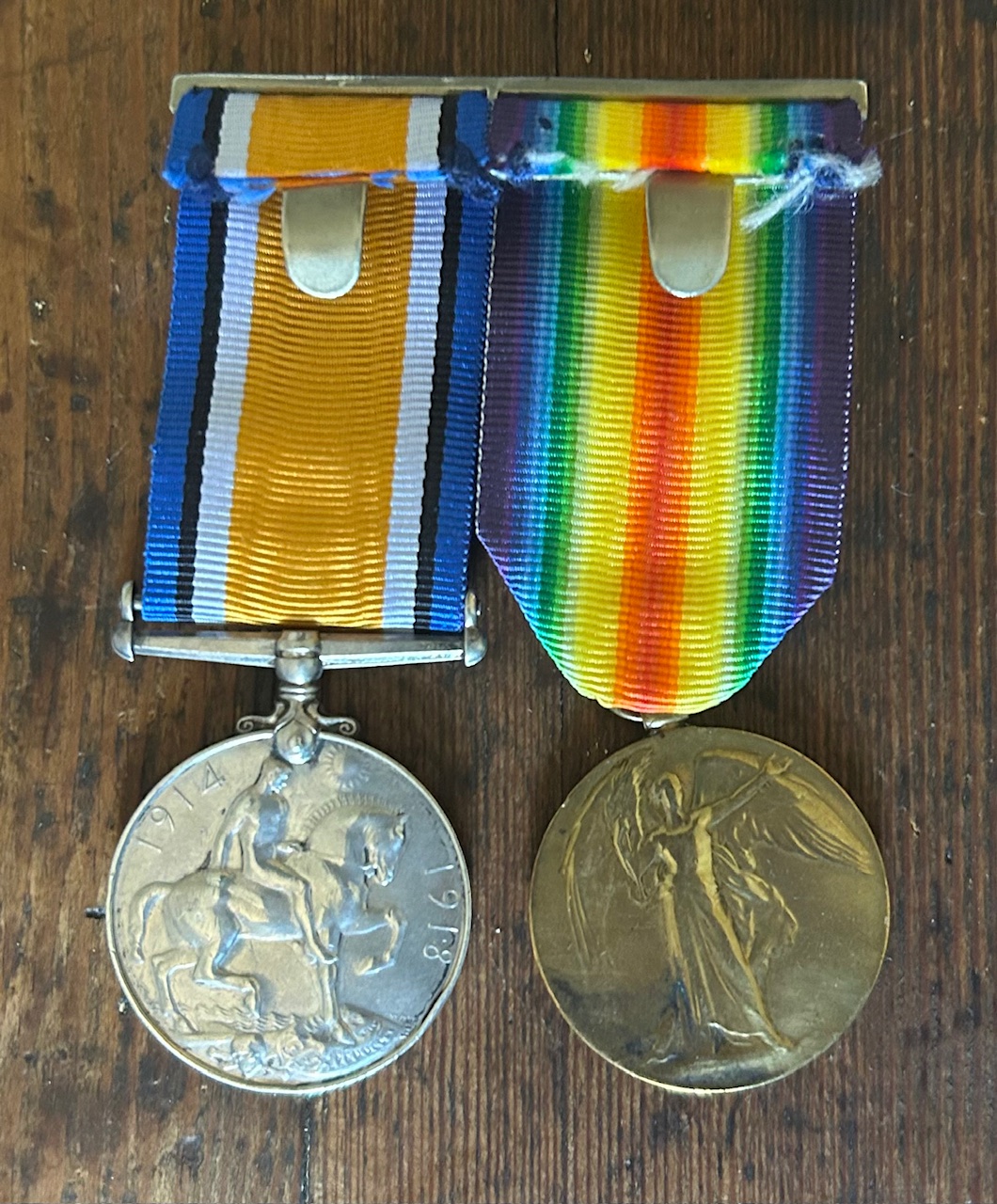
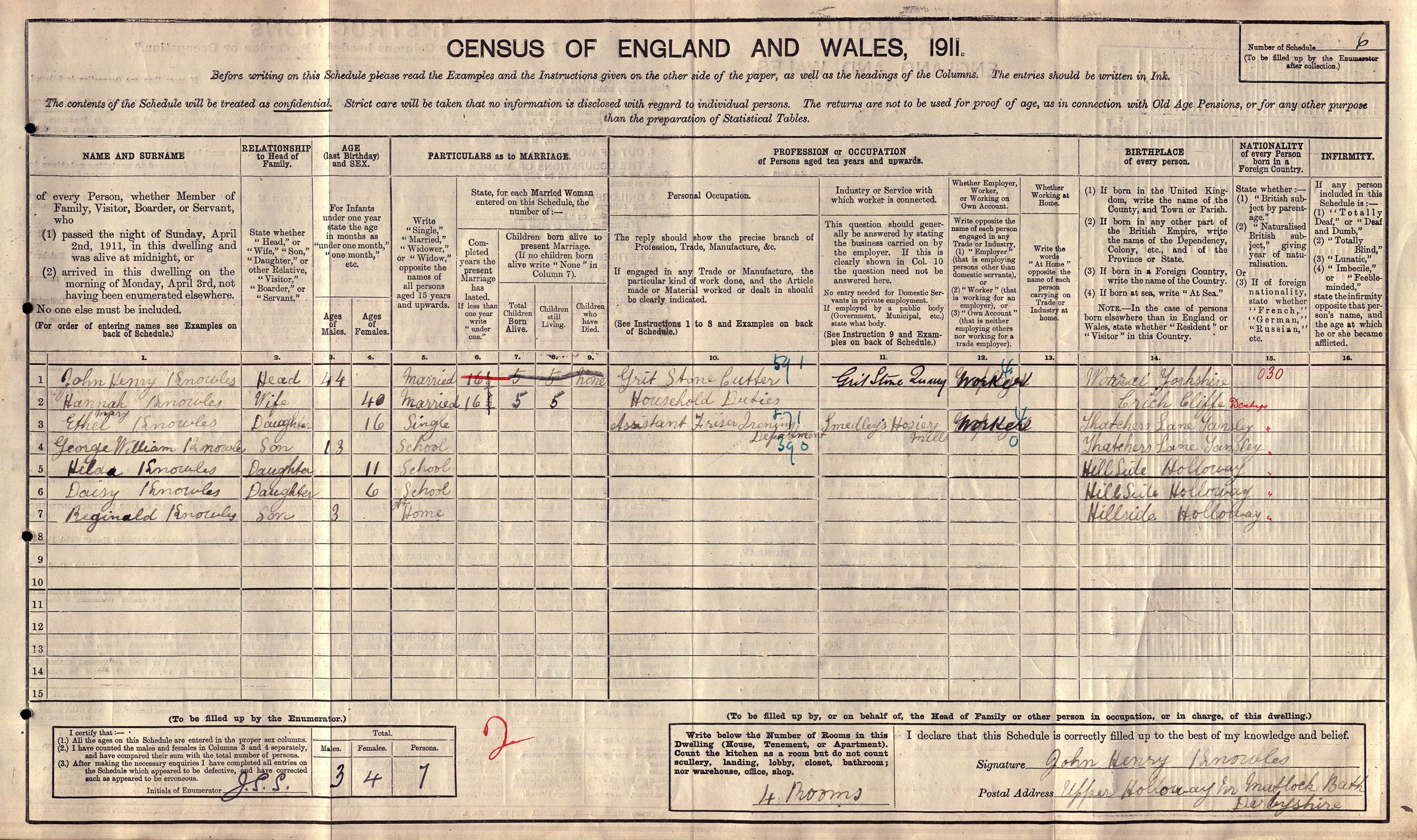
George was from Matlock Bath and enlisted into the Notts and Derby in July 1915. Following training (with either the 2/6th or 3/6th) he arrived in France in 1916 (only entitled to a Pair) and served with the 1/6th Battalion. He was wounded during a bombardment of “C” Company billets – see here.
George was later posted to the Labour Corps presumably after his wounding.
Fatally wounded by a ‘bursting rifle grenade’ in May 1915
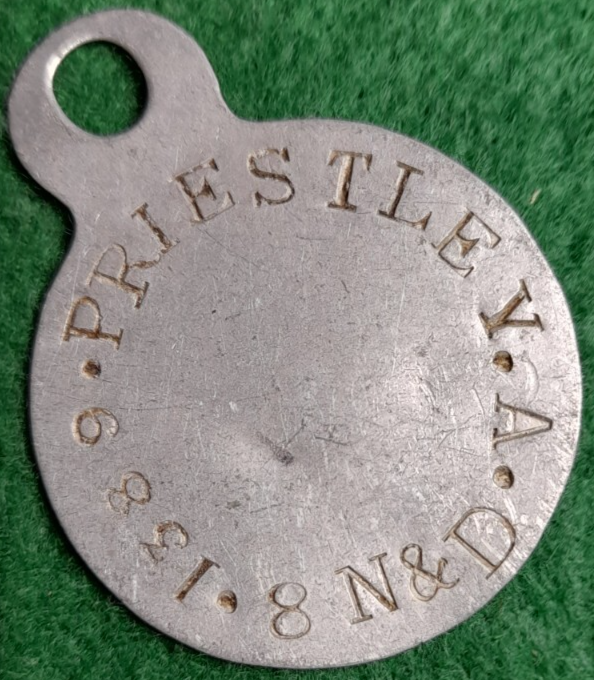
Alfred was a millwright from Newark who enlisted into the 8th (Nottinghamshire) Battalion in March 1912 aged 18. He arrived in France with 46th Division in march 1915.
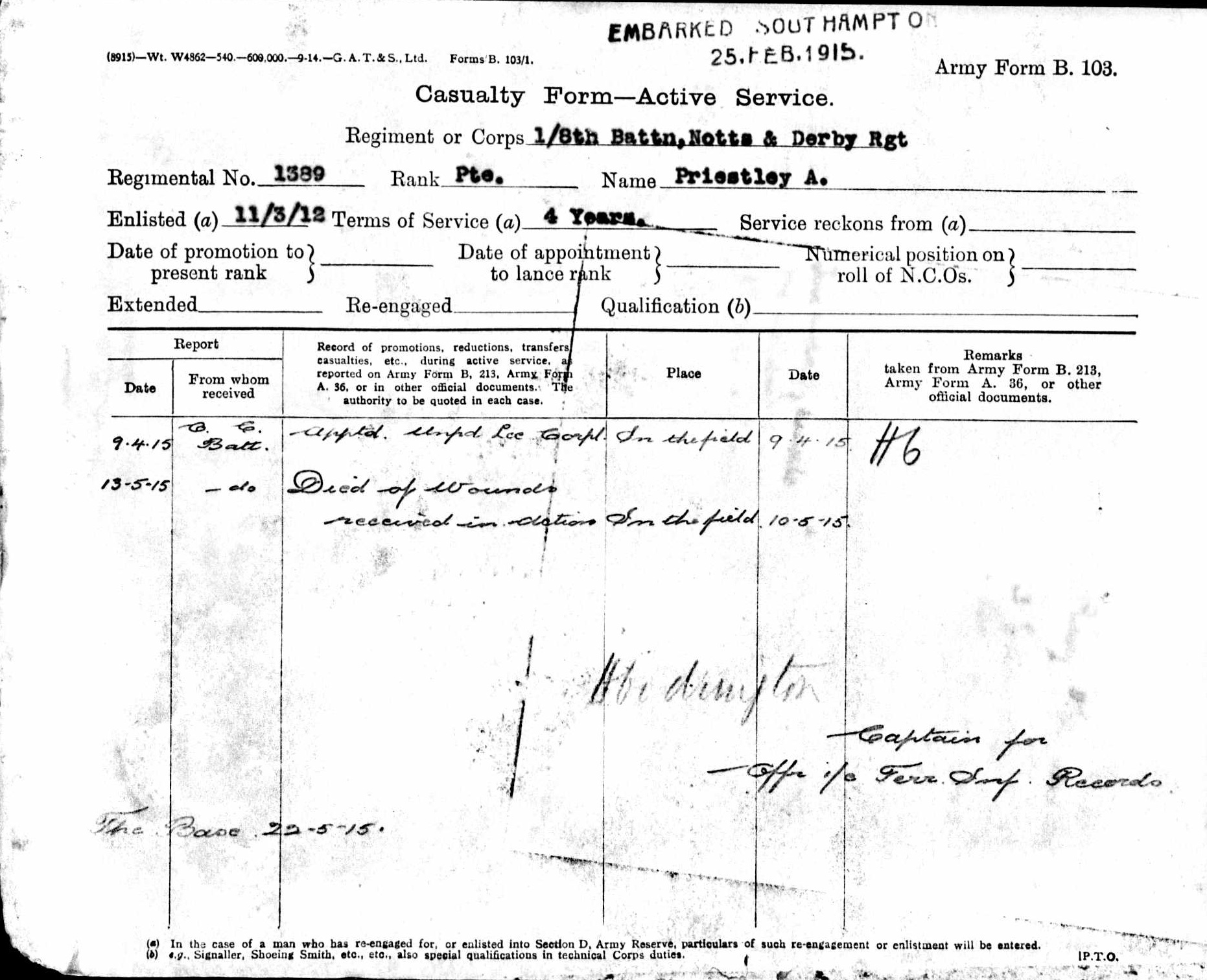

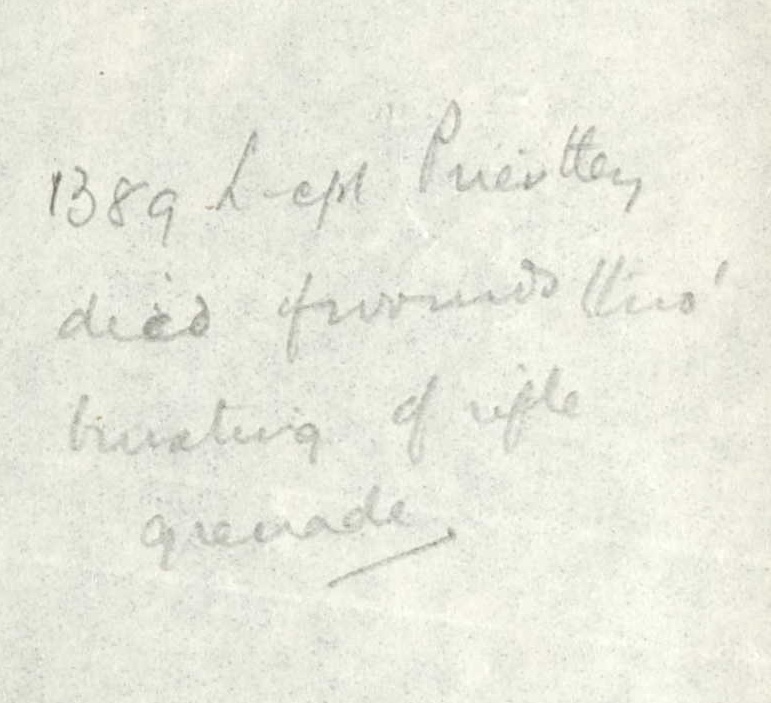
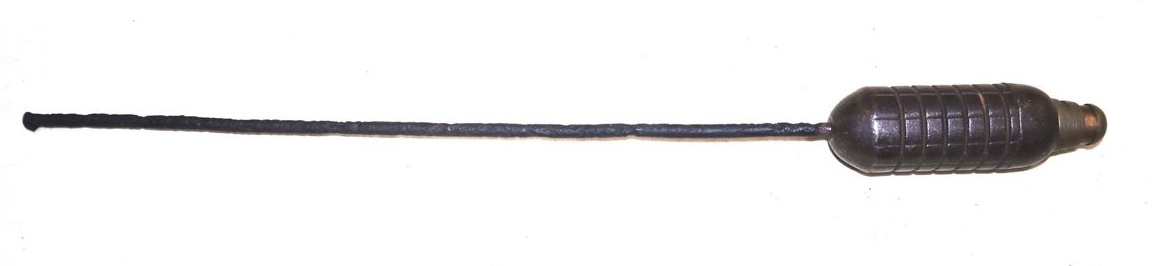
Albert and several men of 2/Lt Oates Platoon conducted a raid on the German trenches in the Kemmel Sector when they met a German patrol and Alfred was fatally wounded.
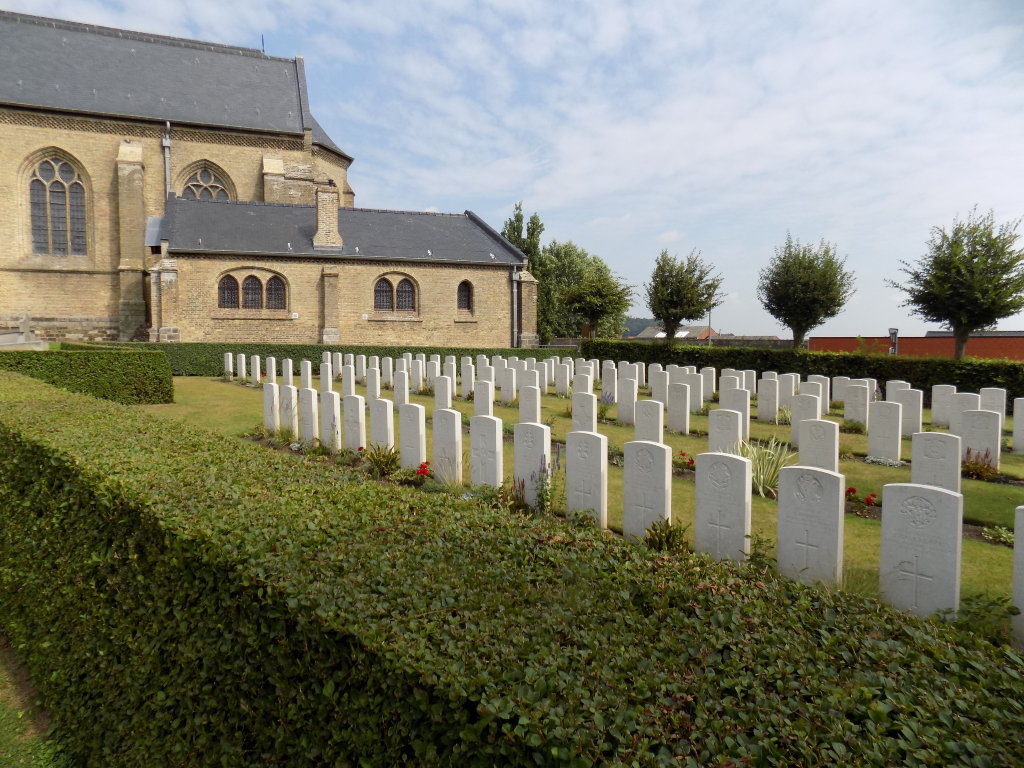
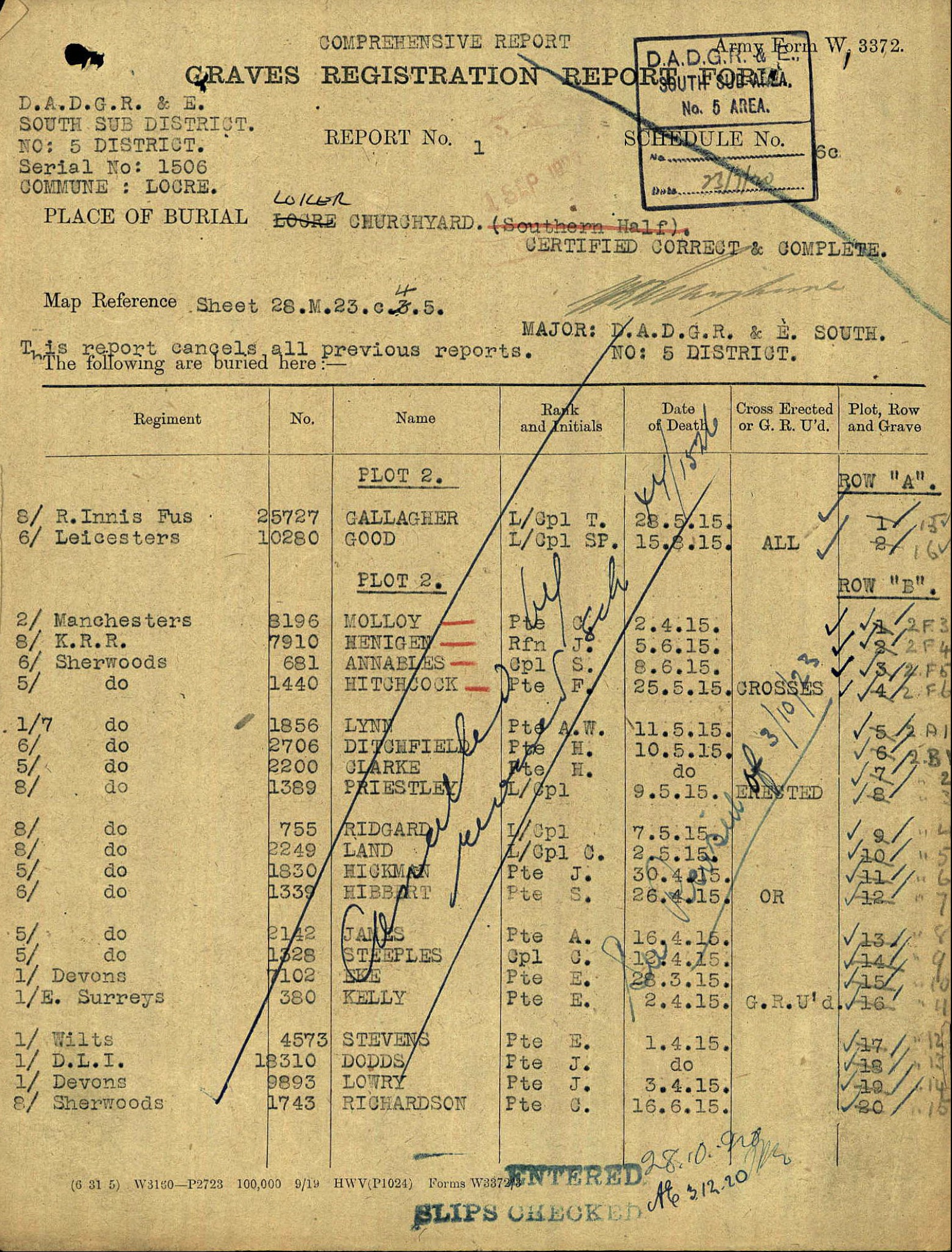
Alfred with several men from the 139th Brigade is buried in Locre Churchyard.
 Derbyshire Territorials in the Great War