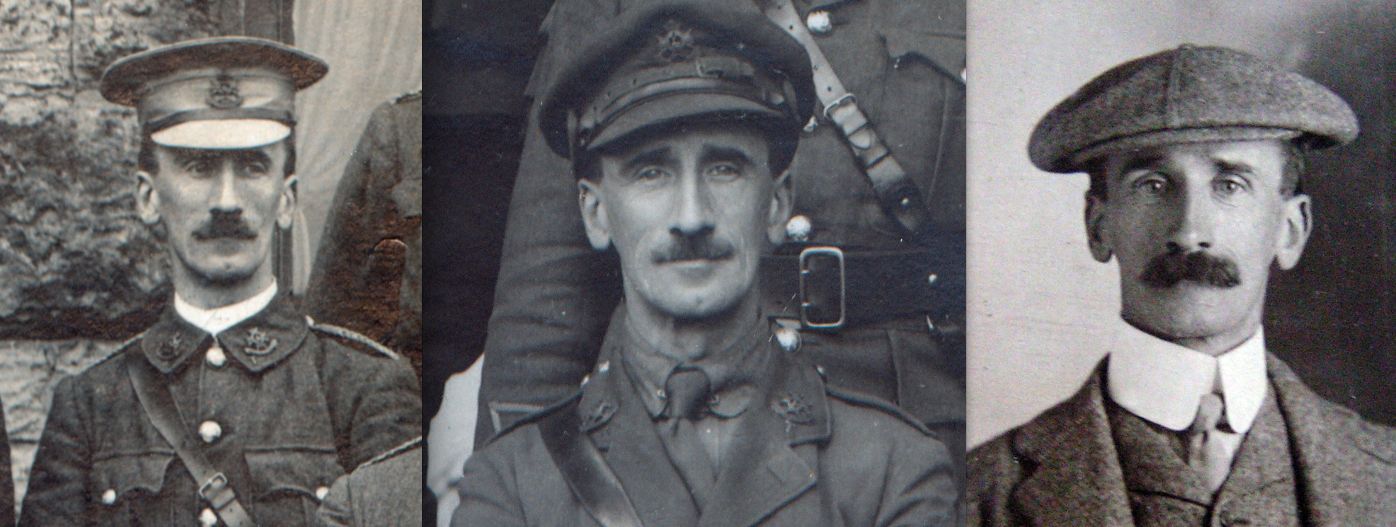
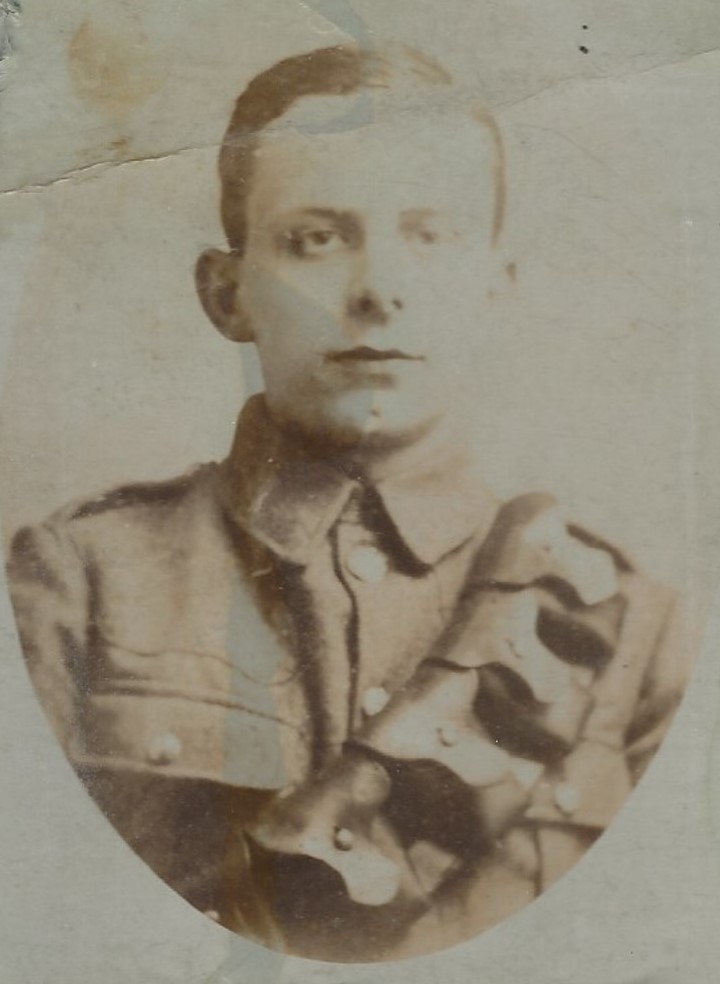
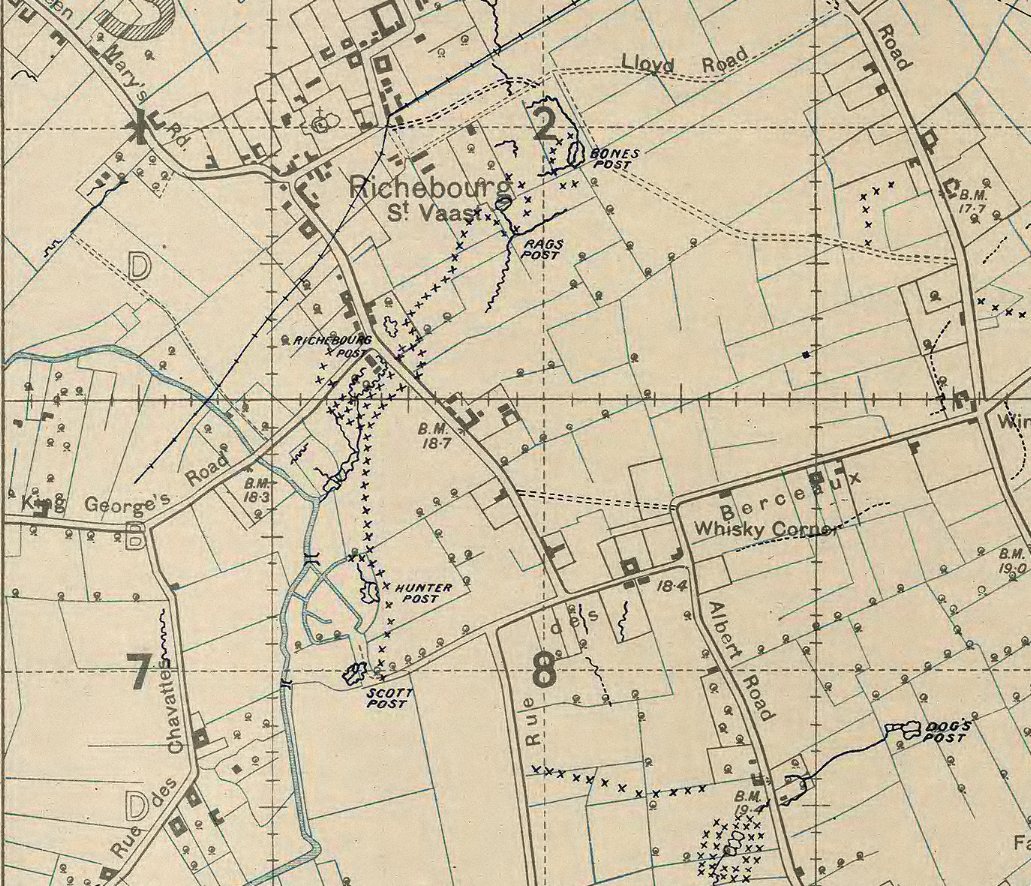
Charles was killed in action during a raid on Hunters Post in the last months of the Great War, and thanks to his great nephew Chris, we can now put a face to Charles and tell a little more about his short life and the sweetheart that he left at home.
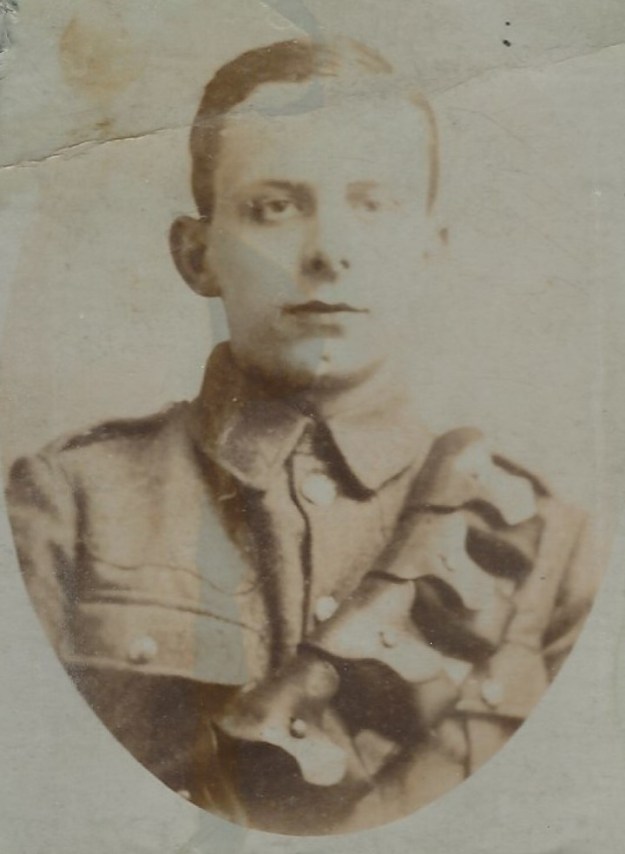
Charles was born in Lincoln in July 1895 and in the 1911 Census was living with his family at 117 Winn Street. He was from a large family and an errand boy for a local doctor.
Service with the Sherwood Foresters

It’s not clear when Charles enlisted, and into which Regiment; interestingly, his two elder brothers both enlisted into the Lincolnshire Regiment and have very close regimental numbers.
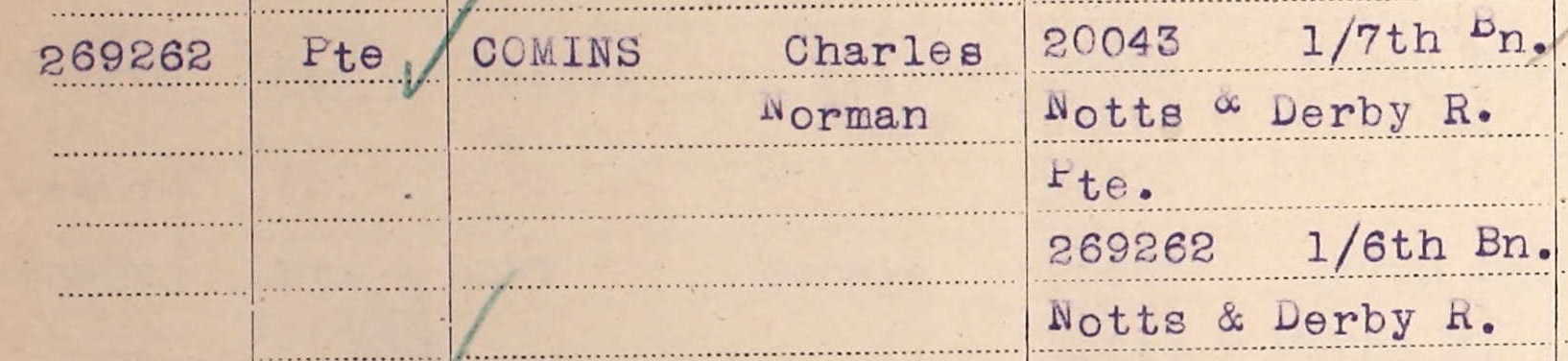
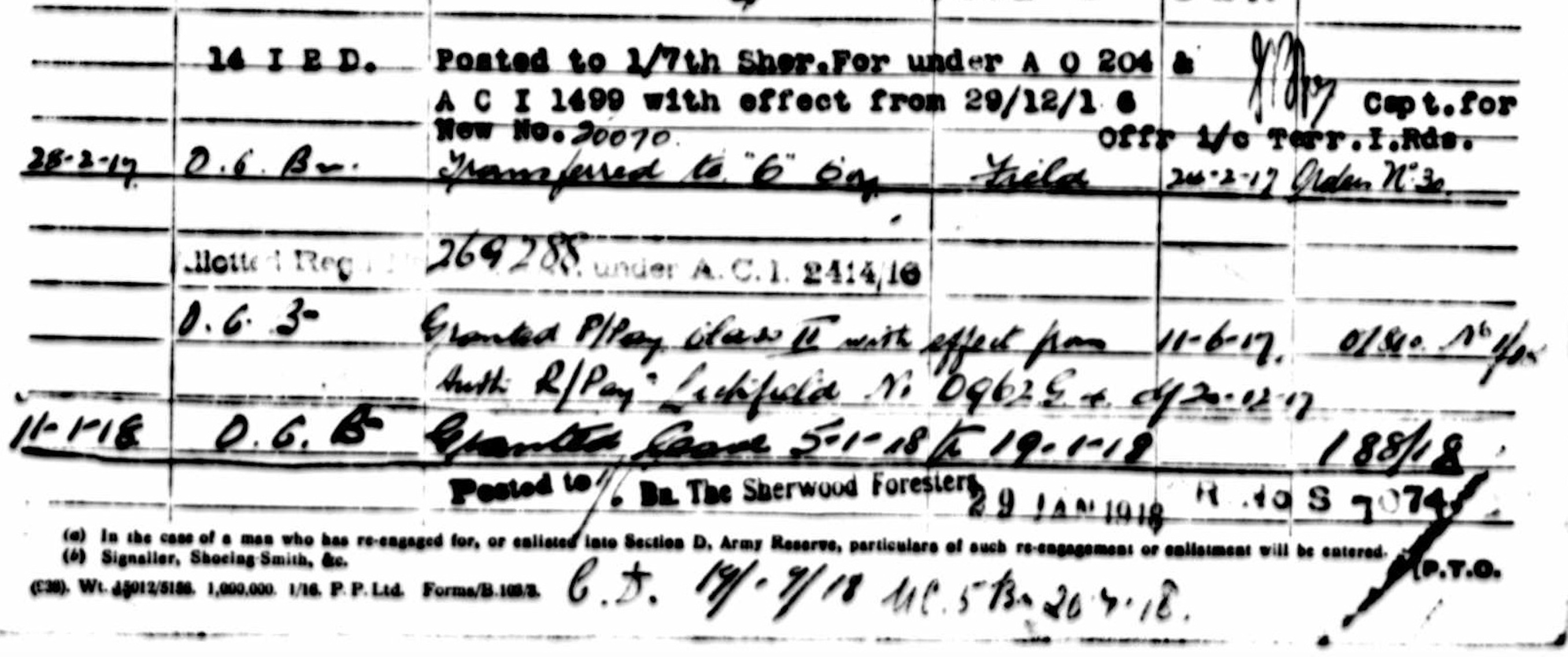
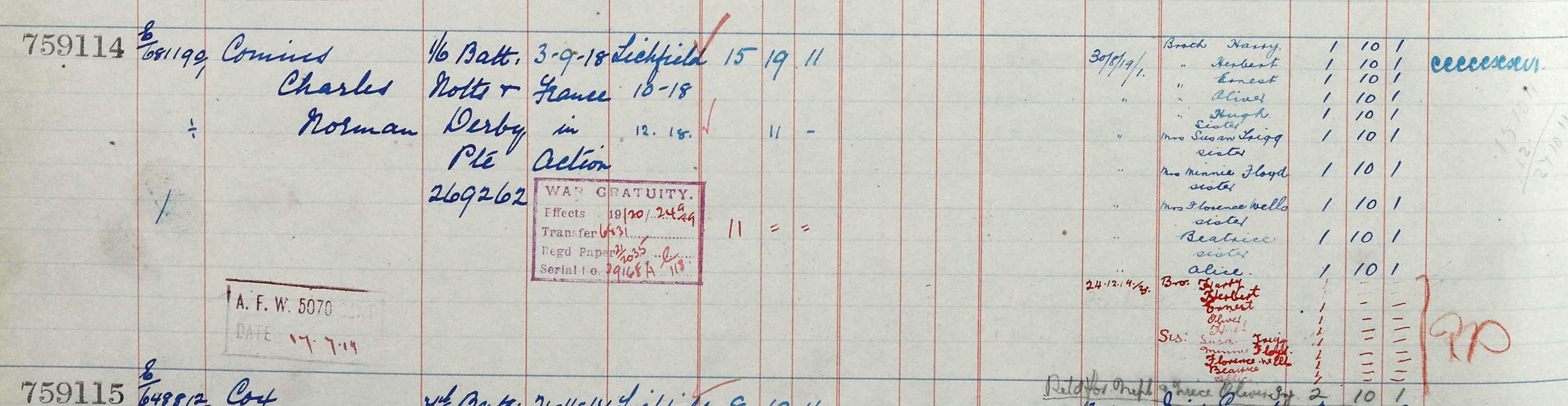
Charles was certainly with the 1/7th Battalion at the end of 1916 (December) when the Territorial Force Renumbering was being planned and the Territorial Battalions of the Sherwood Foresters used a five digit (2****) regimental numbering system to renumber men being moved between battalions or being posted from other Regiments at the 14th Infantry Base Depot . Charles duly received a 7th Battalion 6-digit number in March 1917 (269262).
Charles most likely served with the Robin Hoods from December 1916 until the Battalion was reduced to Cadre in late January 1918.
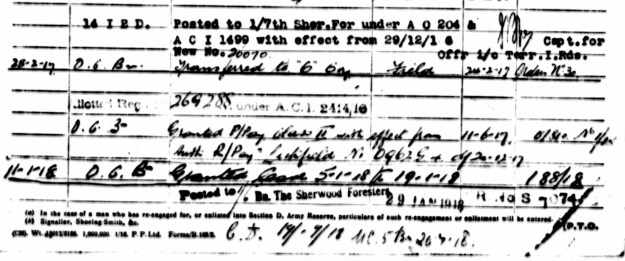 Note the Service Record of 20070/269288 Alfred Harold Gregory, who has similar Regimental Numbers to Charles, was used to infer his service.
Attack on Hunter and Scott Post
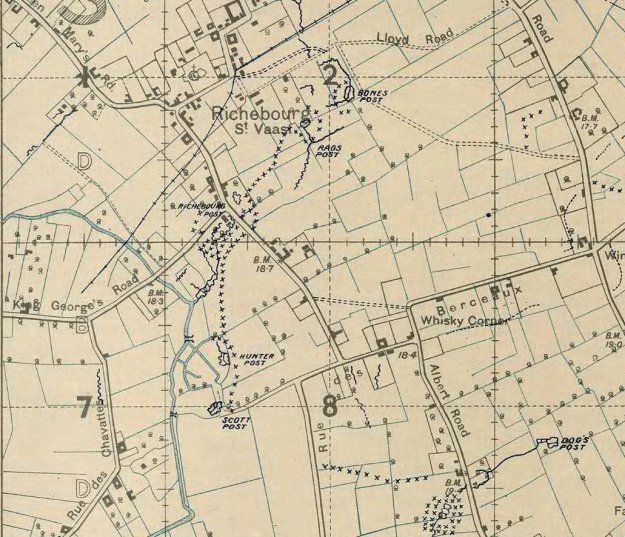 During early September 1918 the 1/6th Battalion made several attacks on the German strong points known as Hunter and Scott Post – see here for details. It was during this attack that Charles was killed in action or mortally wounded.
Chris has told me that there is a family legend that Charles died carrying a wounded man back to his own trenches. That he was hit and fell and that the wounded man asked Charles whether he was OK, he said he was ok and could carry on. He picked the man up again but was hit a second time, this time he told wounded man he would have to make his own way back and died.

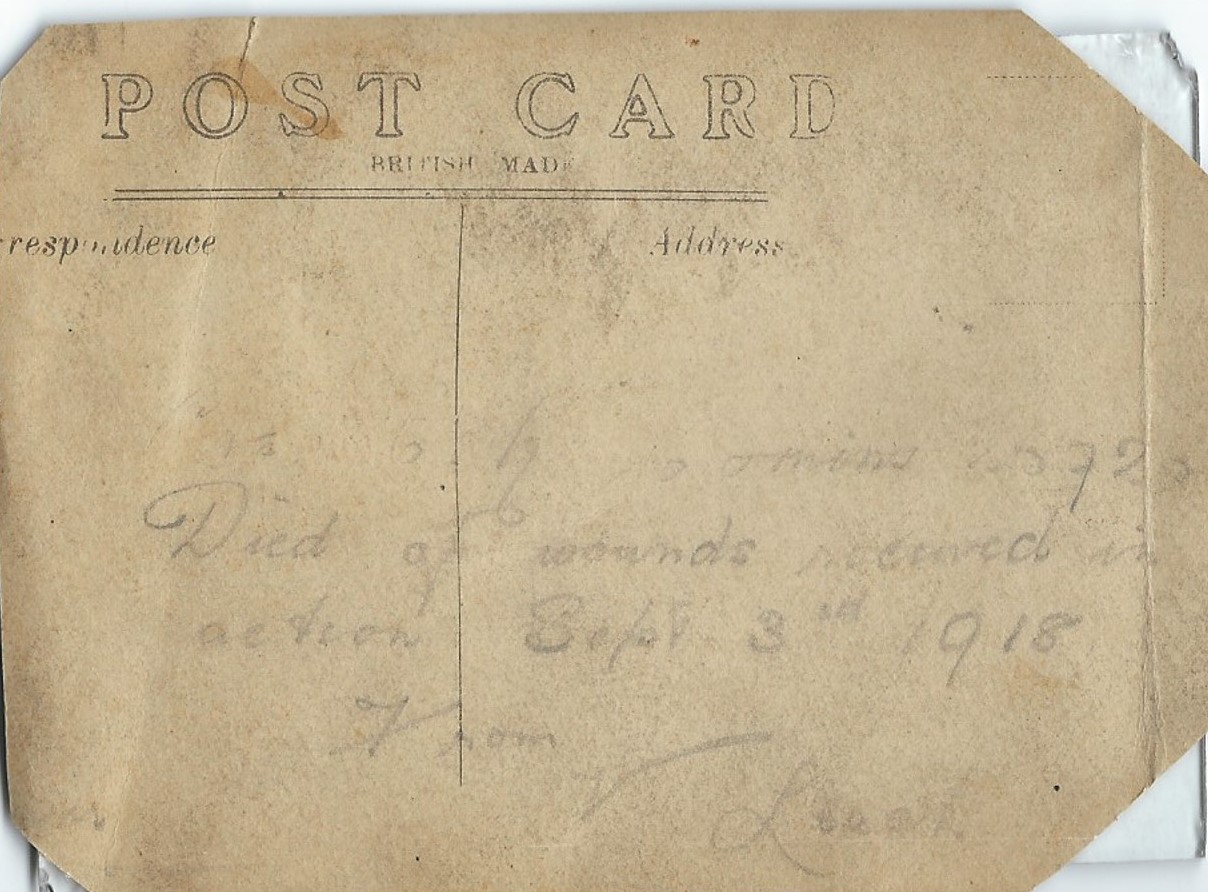
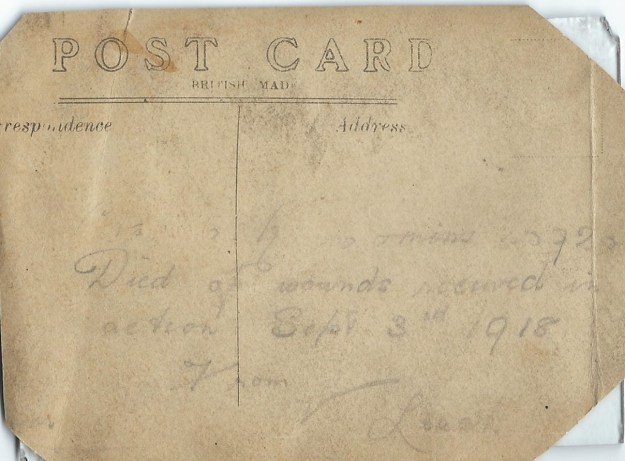 An obituary was posted in a local paper by his fiancée “Vera L” who must have also sent the post card to the family.




 Derbyshire Territorials in the Great War